Cardboard palm
Zamia furfuracea. Family Zamiaceae. Shrub.
Also called Cardboard cycad, Cardboard plant.
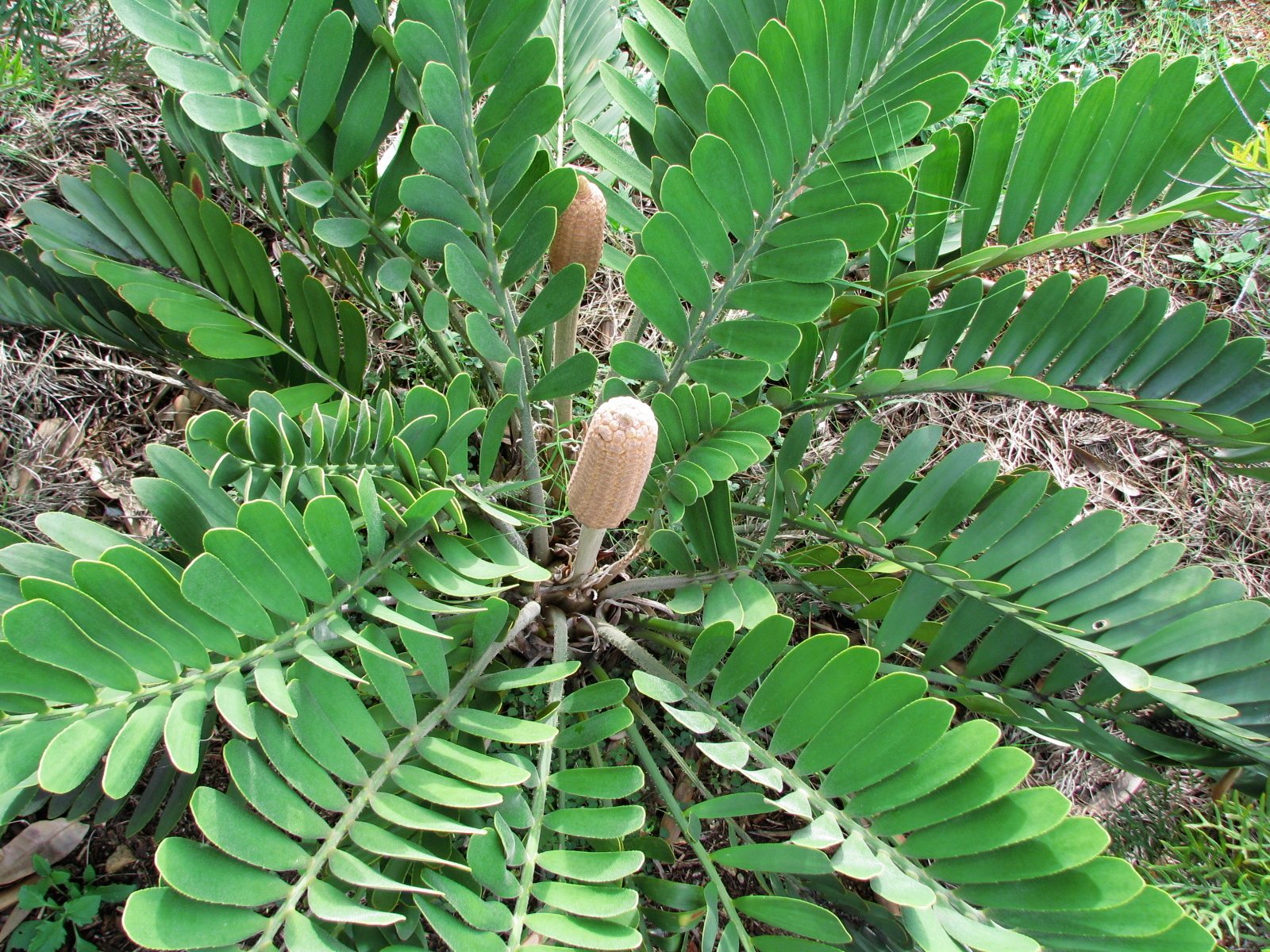
Cardboard palm is a slow-growing, evergreen cycad from eastern Mexico, not a true palm. Its broad, stiff leaflets form a low, architectural mound suited to warm-climate gardens and containers. Where winters bring frost, grow it in a pot and overwinter it indoors in bright light.
At a glance
- Sun
- Full sun to partial shade outdoors; bright light indoors. Acclimatise indoor-grown plants gradually before exposing them to direct sun.
- Water
- Water thoroughly, then let the upper few inches of soil dry before watering again. Water much less in cool weather; never leave the pot standing in water.
- Soil
- Sharply drained sandy or gritty soil. For containers, use a free-draining potting mix amended with pumice, perlite or coarse grit.
- Height
- 2-4 ft (0.6-1.2 m)
- Spread
- 4-6 ft (1.2-1.8 m)
- Foliage
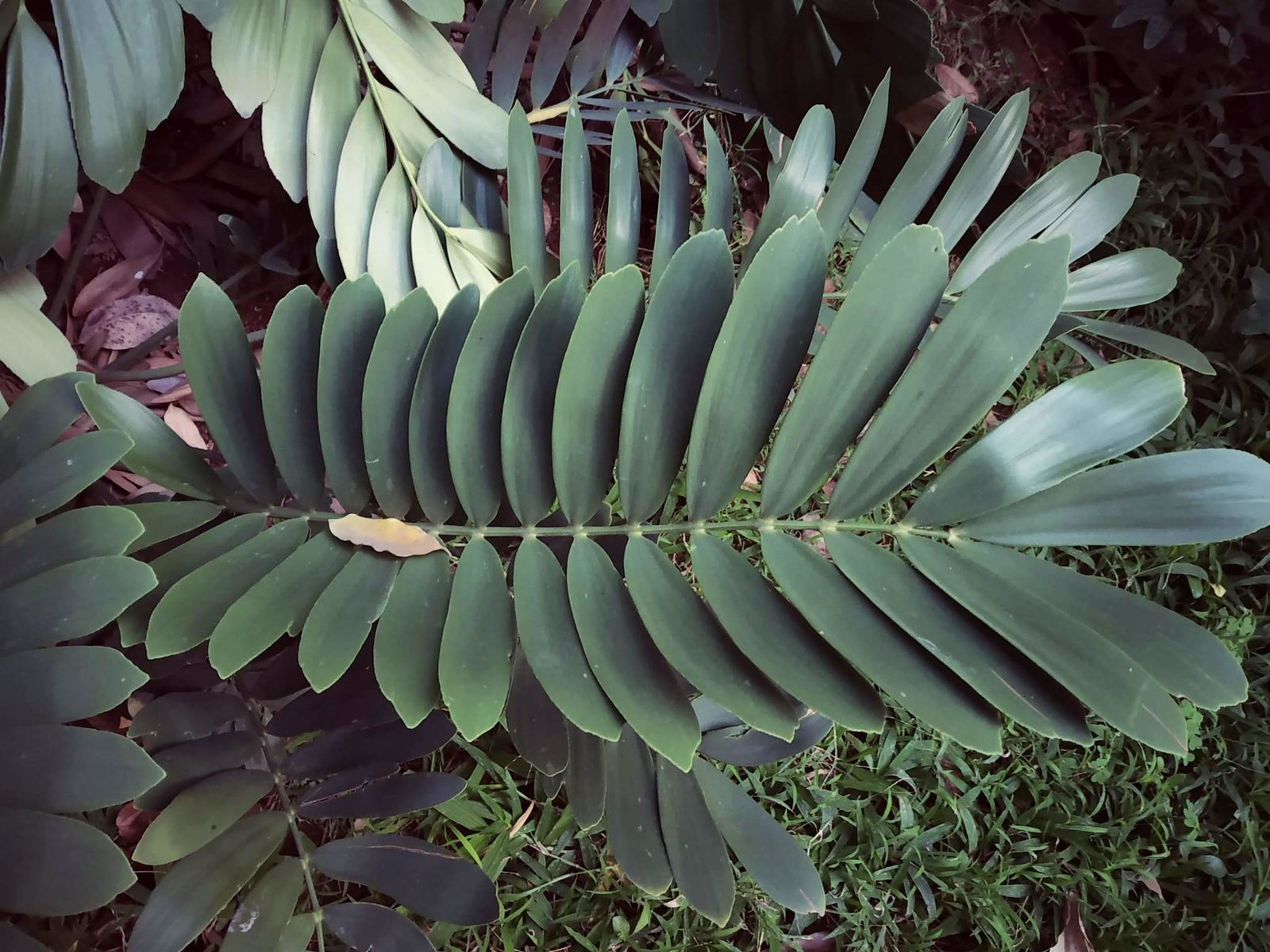
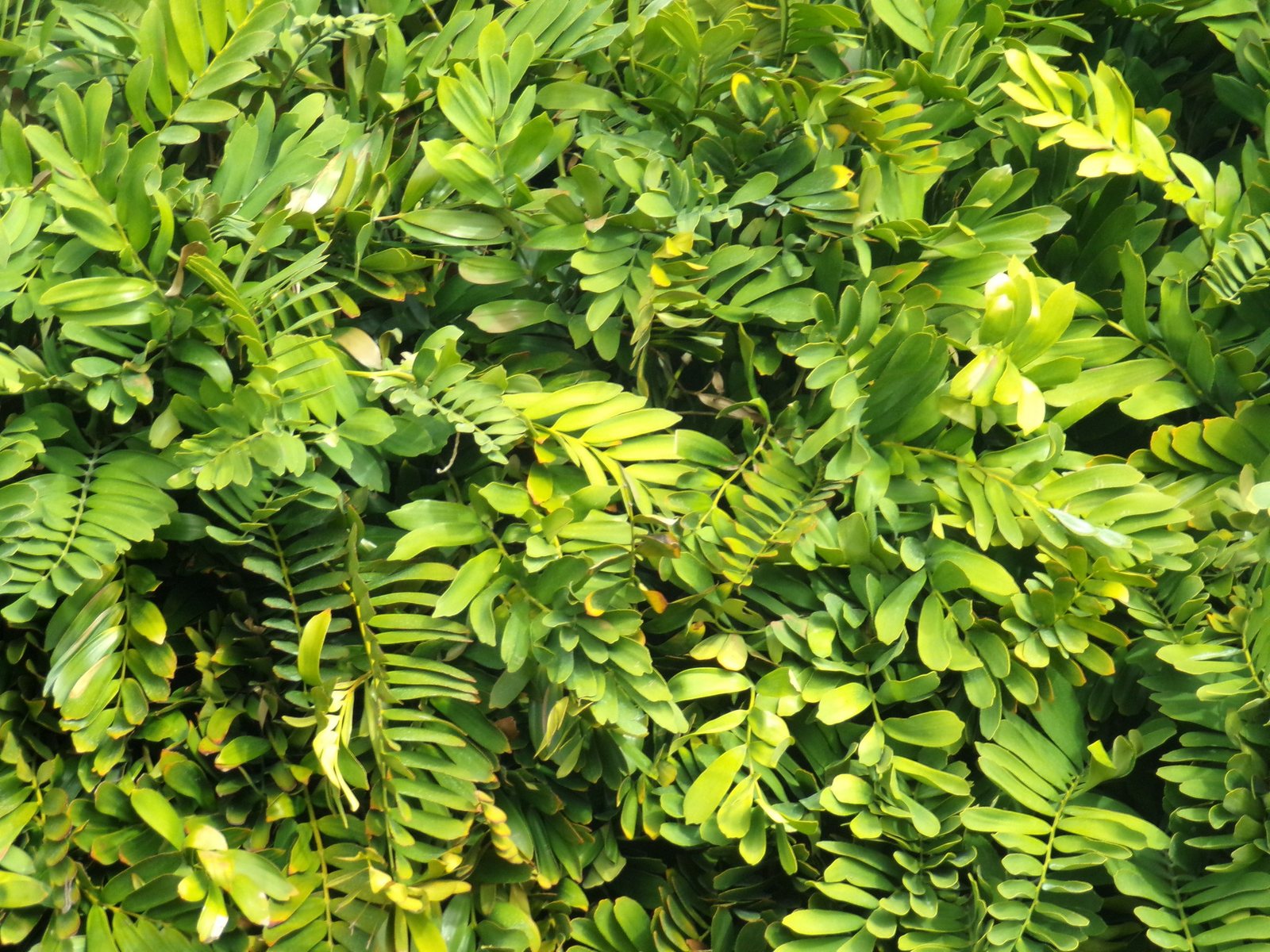
- Evergreen. Arching, pinnate leaves with broad, leathery, dull-green leaflets. Young leaflets have rusty-brown hairs and feel stiff and rough, rather like cardboard.
- Growth
- Slow; established plants produce leaves in occasional flushes rather than continuously.
- Care needed
- Low
The year at a glance
- Drought tolerant
- Heat tolerant
| J | F | M | A | M | J | J | A | S | O | N | D | |
|---|---|---|---|---|---|---|---|---|---|---|---|---|
| Plant |
Northern hemisphere months. In Australia, shift them by six.
- Difficulty
- Moderate
- Toughness
- Fairly tough
Will it suit your garden?
Pick your zone, country, light and whether you have pets.
Full sun is 6 or more hours of direct sun a day, part shade 3 to 6 hours, shade under 3.
How it grows
Planting day
1.6 ft (0.5 m)
After 1 year
1.8 ft (0.55 m)
After 2 years
2 ft (0.6 m)
After 3 years
2.1 ft (0.65 m)
After 5 years
2.5 ft (0.75 m)
About 8 years to full size.
From a typical nursery size, at an average rate for this kind of plant. A rule of thumb, not a forecast.
Good to know
- Cats and dogs
- Toxic
- Growth rate
- Slow
Care
Jobs through the year
- WaterJun–Aug, every 10 days
- In this climate grow in a container; water only once the upper few inches dry.
- WaterApr–May, Sep–Oct, every 21 days
- Check sheltered containers and water only when the upper soil is dry; drain thoroughly.
- WaterJan–Mar, Nov–Dec, every 35 days
- Under frost-free cover, water sparingly only when the upper soil is well dried.
- FeedApr–May
- Apply slow-release fertiliser with micronutrients once as growth resumes.
- PruneMay–Jun
- Remove fully brown or damaged leaves at their bases; preserve the central growing point.
- ProtectJan–May, Sep–Dec
- Keep bright and frost-free under cover; all parts, especially seeds, are poisonous.
- ProtectMay–Jun
- Move outside only after frost risk passes and acclimatise gradually to direct sun.
- Plant with the crown at its original soil level, in a position where water drains away quickly.
- Water deeply during active growth, allowing the upper soil to dry between waterings.
- Apply a slow-release fertiliser containing micronutrients in spring, following the label rate.
- Keep mulch clear of the crown and exposed stem.
- Move containers under cover before frost and keep them bright, relatively dry and frost-free over winter.
Pruning. Remove fully brown or damaged leaves at their bases with clean secateurs whenever needed. Leave healthy green leaves intact and never cut through the central growing point.
Through the year
- Spring
- Check drainage and apply a slow-release fertiliser with micronutrients as growth resumes.
- Late spring
- Move overwintered containers outdoors once frost risk has passed, gradually increasing their exposure to sunlight.
- Summer
- Water when the upper soil has dried and inspect leaf undersides for scale insects and mealybugs.
- Autumn
- Reduce watering as temperatures fall and bring pots under cover before frost.
- Winter
- Keep sheltered plants in bright light and water sparingly, without allowing the root ball to remain wet.
In the garden
- Use a single specimen in a broad, heavy container as a focal point on a sunny terrace.
- Repeat plants along a warm courtyard edge for a low, sculptural rhythm.
- Pair with agaves and aloes in a sharply drained gravel bed for contrasting leaf shapes.
- Place beneath taller palms in an open, lightly shaded tropical planting, allowing room for its spreading leaves.
Garden styles it suits: Architectural minimal, Modern tropical, Modern courtyard, Luxury resort, Dry gravel garden and Coastal.
Plant it with: Foxtail agave, Blue chalk sticks, Coral aloe and Ponytail palm.
Wildlife: In its native habitat, specialised beetles pollinate the cones. It offers little nectar or pollen value for typical garden pollinators; keep its poisonous seeds away from animals.
Problems to watch for
- Root or crown rot: usually follows waterlogged soil or excessive winter watering; improve drainage, reduce watering and repot affected container plants into fresh, free-draining mix.
- Scale insects and mealybugs: inspect leaf undersides and leaflet bases; remove small infestations by hand and use a labelled horticultural oil if needed.
- Frost damage: leaves may brown after freezing weather; move containers to shelter and wait until frost danger has passed before removing dead foliage.
- Sun scorch: sudden exposure to strong sun can bleach or brown leaves; introduce plants to outdoor sun gradually.
Safety
Highly toxic to people, cats, dogs and horses if eaten. All parts contain cycad toxins, with the seeds especially dangerous; ingestion can cause severe gastrointestinal illness, liver failure and death. Keep plants and fallen seeds away from children and animals, and seek urgent medical or veterinary advice after any suspected ingestion.
Easily confused with
Coontie (Zamia integrifolia)
Coontie has much narrower, smoother leaflets, giving its leaves a finer texture than the broad, rough leaflets of cardboard palm.
Sago palm (Cycas revoluta)
Sago palm has numerous narrow, pointed leaflets with rolled-under edges, rather than broad, paddle-shaped leaflets.
ZZ plant (Zamioculcas zamiifolia)
ZZ plant has glossy, smooth leaflets on fleshy, upright leaf stalks; cardboard palm has matte, stiff, rough-textured leaflets and a woody cycad stem.
The name
The common name describes the stiff, cardboard-like leaflets, while furfuracea means scurfy or bran-like, referring to their surface covering.
Propagation. Usually grown from fresh seed, which germinates slowly and needs warmth and a free-draining medium. Mature plants sometimes produce offsets that can be separated carefully, but establishment is slow and rot is a risk. Wear gloves when handling seeds and keep them away from children and pets.
Checked against open data
- Accepted botanical name
- Zamia furfuracea
- Native range
- Mexico Gulf.
- Measured
- Average height 143 cm.
Sources: GBIF (CC BY 4.0) and Trefle (CC BY 4.0). The care and design notes are LandscapeGPT's own.
See it in your own yard.
Upload a photo of your yard and see it redesigned with plants that suit your climate, each checked against your zone.