Chocolate flower
Berlandiera lyrata. Family Asteraceae. Perennial.
Also called Chocolate daisy, Lyreleaf greeneyes.
Chocolate flower is a drought-tolerant perennial native to the southwestern United States and northern Mexico. Gardeners grow it for its yellow daisies and chocolate-like fragrance, strongest in the morning, when the flowers are open. It thrives in sunny, dry gardens but is less dependable where winters are wet.
At a glance
- Sun
- Full sun; tolerates light afternoon shade in very hot climates.
- Water
- Low once established; water young plants regularly, then let the soil dry between deep waterings.
- Soil
- Lean, sharply drained sandy, gravelly or rocky soil; tolerates alkaline soil. Avoid heavy, persistently wet ground.
- Height
- 1-2 ft (0.3-0.6 m)
- Spread
- 1-2 ft (0.3-0.6 m)
- Flowers
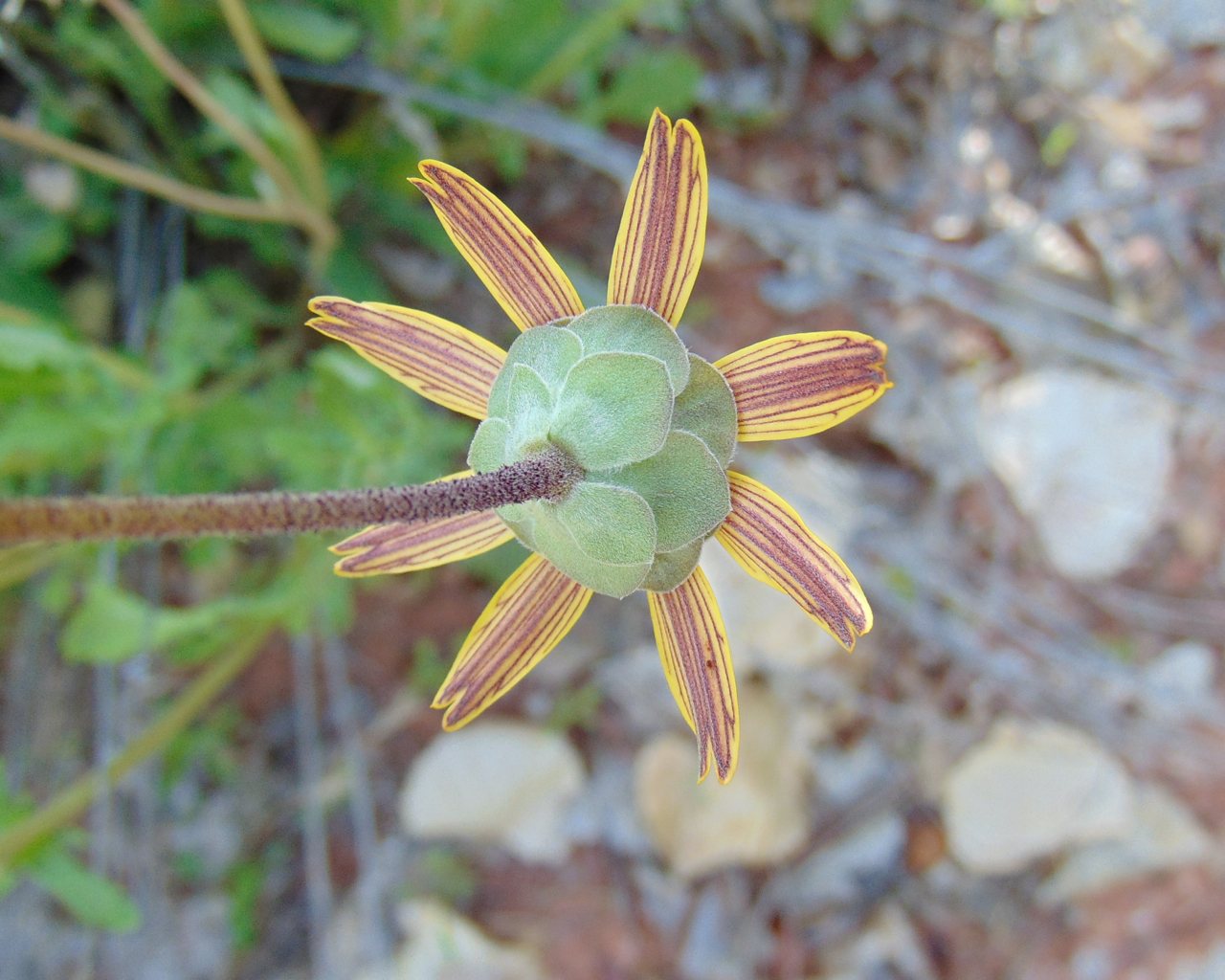
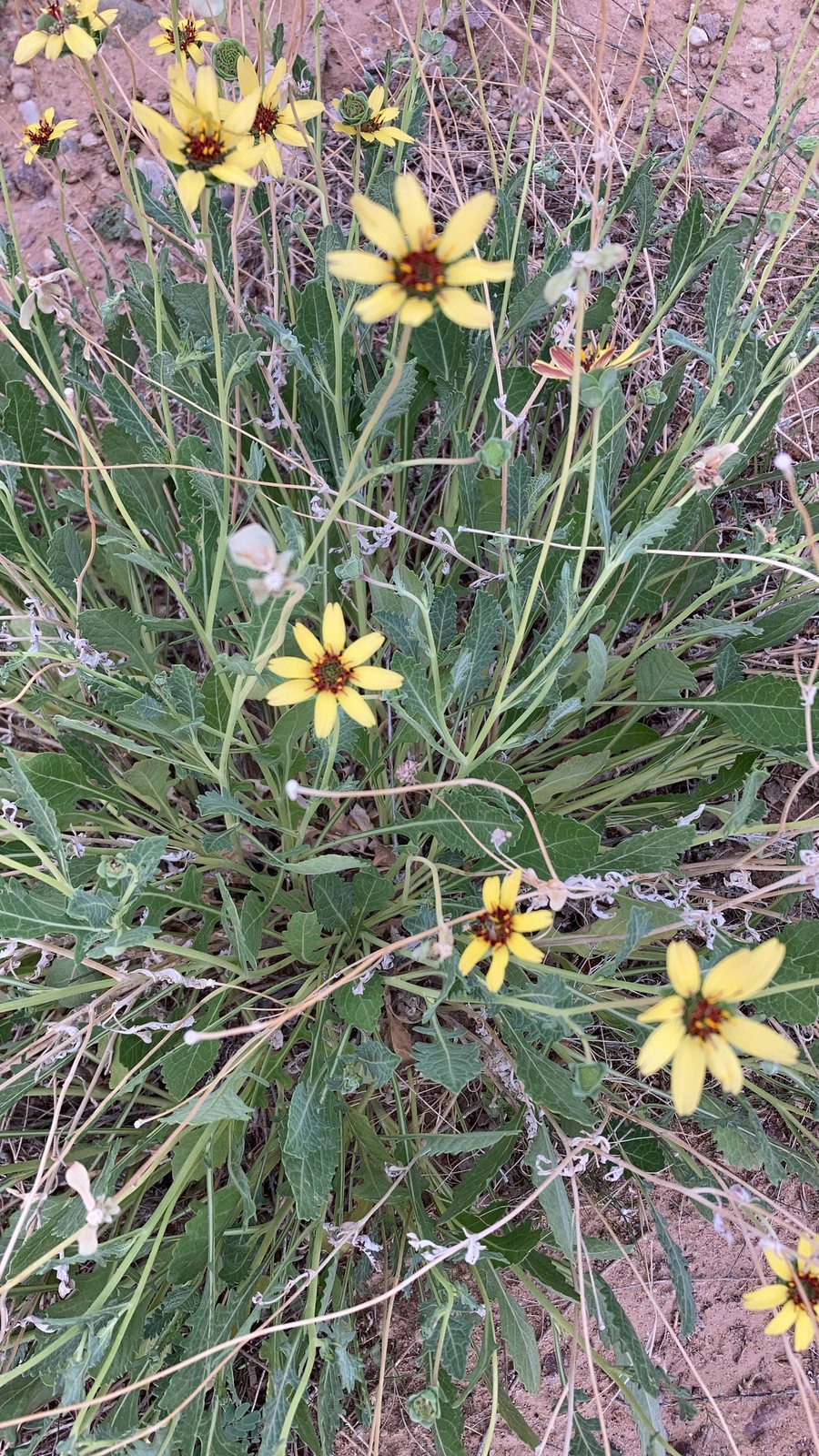
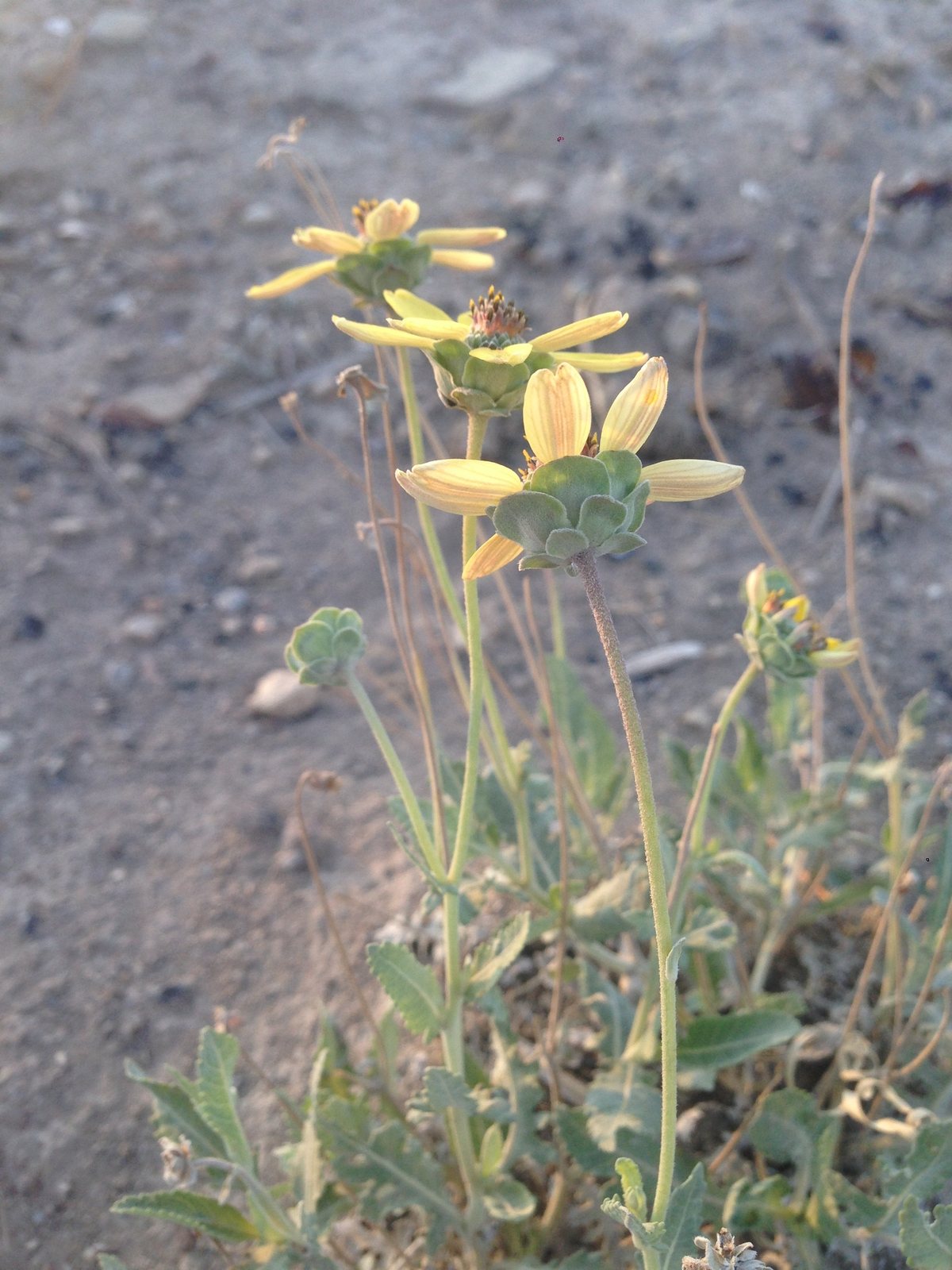
- Yellow daisies with reddish-brown centres from late spring into autumn, often until frost. Flowers open mainly in the morning and close as the day warms.
- Foliage
- Grey-green to green, slightly hairy leaves, often deeply lobed near the base.
- Growth
- Moderate
- Care needed
- Low
The year at a glance
- Pollinators
- Deer resistant
- Drought tolerant
- Cold hardy
- Heat tolerant
- Wildlife
- Low allergen
- Fragrant
| J | F | M | A | M | J | J | A | S | O | N | D | |
|---|---|---|---|---|---|---|---|---|---|---|---|---|
| Flowers | ||||||||||||
| Fruit | ||||||||||||
| Plant |
Northern hemisphere months. In Australia, shift them by six.
- Difficulty
- Easy
- Toughness
- Very tough
Will it suit your garden?
Pick your zone, country, light and whether you have pets.
Full sun is 6 or more hours of direct sun a day, part shade 3 to 6 hours, shade under 3.
How it grows
Planting day
1 ft (0.3 m)
After 1 year
1.1 ft (0.35 m)
After 2 years
1.3 ft (0.4 m)
After 3 years
1.5 ft (0.45 m)
full size
About 3 years to full size.
From a typical nursery size, at an average rate for this kind of plant. A rule of thumb, not a forecast.
Good to know
- Cats and dogs
- Safe
- Native to
- the US
- Growth rate
- Moderate
Care
Jobs through the year
- WaterApr–May, Sep, every 21 days
- Water established plants only if soil is dry; water new plants more often while rooting.
- WaterJun–Aug, every 21 days
- Deep-water only during prolonged drought, allowing soil to dry between soakings.
- PruneFeb–Mar
- Remove dead stems down to basal leaves without cutting into the crown.
- DeadheadMay–Sep, every 7 days
- Remove spent flower stems; leave some late heads for birds and self-sowing.
- MulchApr
- Apply a thin gravel mulch, keeping the crown exposed.
- ProtectOct–Nov
- Clear wet leaves from the crown and ensure sharp drainage through winter.
- Plant in spring in colder climates, keeping the crown level with the surrounding soil.
- Water during establishment; once rooted, give an occasional deep watering during prolonged drought.
- Avoid routine feeding and rich compost, which can encourage weak, floppy growth.
- Use a thin gravel mulch rather than moisture-holding mulch against the crown.
- In wet-winter climates, grow in a raised gravel bed or a container with free drainage.
Pruning. Remove spent flower stems during the growing season to keep plants tidy and encourage further flowering. Cut dead stems back to the basal leaves in late winter or early spring, without cutting into the crown.
Through the year
- Late winter
- Check that drainage remains clear and remove dead stems where new basal growth is appearing.
- Spring
- Plant nursery-grown plants after severe frosts, allowing space for their mature spread.
- Late spring
- Water new plants as their roots establish, allowing the surface soil to dry between waterings.
- Summer
- Remove spent flower stems and water established plants only during prolonged dry spells.
- Early autumn
- Leave a few flower heads to dry if you want to collect seed or allow modest self-sowing.
- Late autumn
- Remove fallen leaves and wet organic mulch from around the crown.
In the garden
- Plant beside a sunny path or seating area where you can smell the flowers in the morning.
- Use small groups near the front of a gravel garden with low grasses and drought-tolerant perennials.
- Combine with penstemons and blanket flowers in a southwestern-style planting.
- Grow in a free-draining patio container where garden soil stays too wet.
Garden styles it suits: Desert / xeriscape, Dry gravel garden, Southwestern, Sensory garden, Pollinator garden and Low-maintenance.
Plant it with: Blanket flower, Prairie zinnia, Pineleaf penstemon, Blue grama, Purple prairie clover and Lavender.
Wildlife: Flowers provide pollen and nectar for bees and other visiting insects. Seed heads may attract small seed-eating birds.
Problems to watch for
- Crown and root rot in wet soil: improve drainage or move the plant to a raised gravel bed; avoid frequent watering.
- Floppy growth and fewer flowers in shade or rich soil: provide full sun and stop feeding.
- Poor winter survival in damp climates: keep the crown free of wet mulch and provide sharp drainage, even where winter temperatures fall within its hardiness range.
Safety
Not known to be toxic to people, cats, dogs or horses, but species-specific safety information is limited. Its chocolate scent does not mean it contains chocolate; do not treat any part as food.
Easily confused with
Black-eyed Susan (Rudbeckia hirta)
Usually has a prominent raised, dark central cone and unlobed, coarse leaves. Chocolate flower has a flatter reddish-brown centre, often lobed basal leaves and a distinctive morning fragrance.
Lanceleaf coreopsis (Coreopsis lanceolata)
Has yellow central discs and yellow rays with conspicuously notched tips. Chocolate flower has a darker centre and chocolate-scented blooms.
The name
Berlandiera honours botanist Jean-Louis Berlandier, lyrata refers to the lyre-shaped leaves, and chocolate flower describes the scent of its blooms.
Propagation. Grow from seed sown in spring, covering lightly and keeping moist until germination. Established plants may self-sow in open, well-drained soil; move seedlings while they are small because older plants develop a substantial taproot.
Checked against open data
- Accepted botanical name
- Berlandiera lyrata
- In the US and Canada
- Native in the lower 48 states.
- Native range
- Arizona, Colorado, Kansas, Mexico Northeast, Mexico Northwest, Mexico Southwest, New Mexico, Oklahoma and Texas.
- Measured
- Soil pH 6.5 to 9.5.
Sources: GBIF (CC BY 4.0), USDA PLANTS and Trefle (CC BY 4.0). The care and design notes are LandscapeGPT's own.
See it in your own yard.
Upload a photo of your yard and see it redesigned with plants that suit your climate, each checked against your zone.