Common hackberry
Celtis occidentalis. Family Cannabaceae. Tree.
Also called Northern hackberry, American hackberry, Nettletree, Sugarberry.
Common hackberry is a large, deciduous North American shade tree with a spreading crown and distinctive corky, ridged bark. Gardeners grow it for its tolerance of difficult urban soils, summer shade and small fruits that feed birds; give it space away from paving and seating where fruit litter would be troublesome.
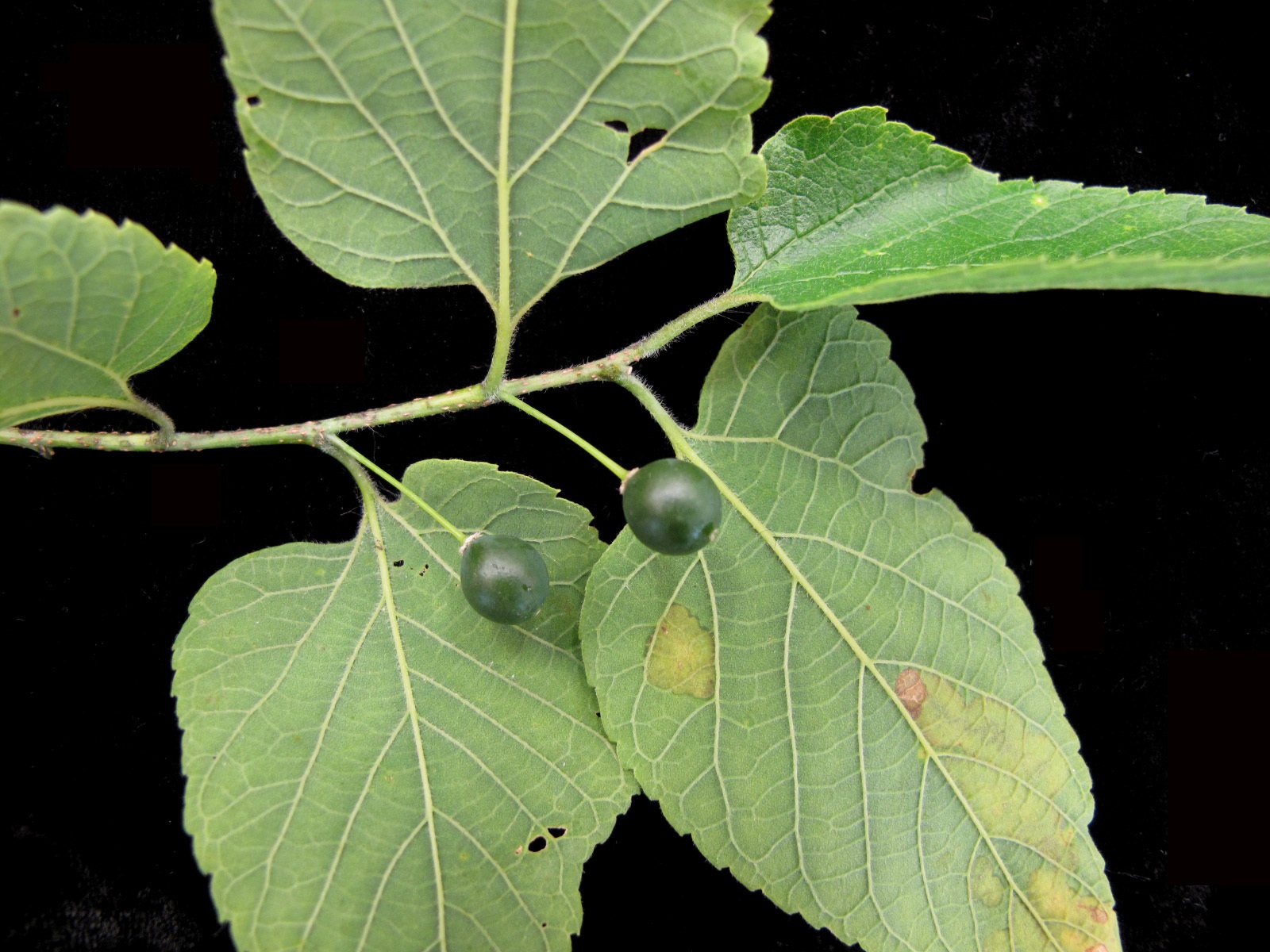
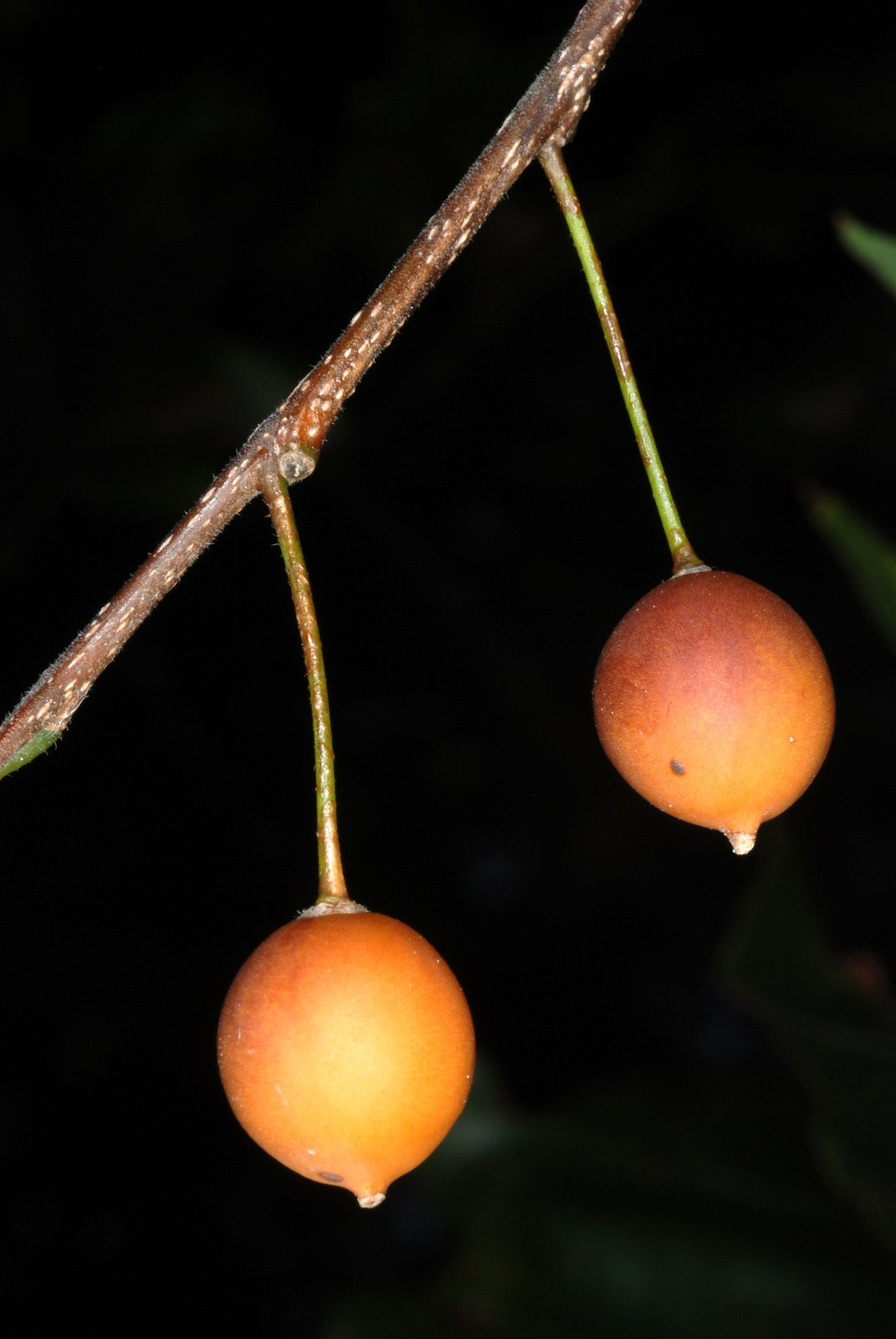
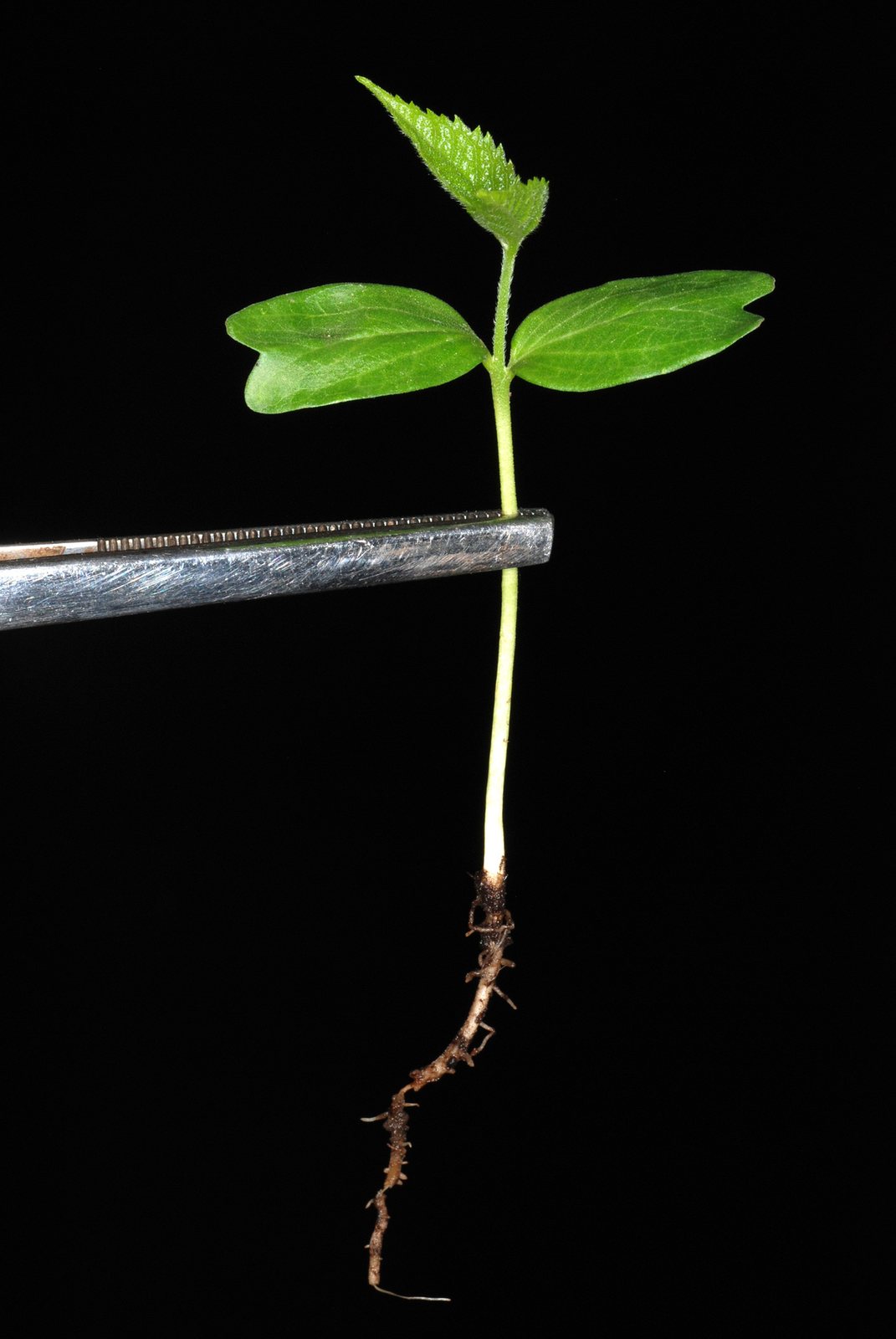
At a glance
- Sun
- Full sun to partial shade; develops its best crown in full sun.
- Water
- Moderate while establishing; tolerates drought once well rooted and occasional short periods of flooding.
- Soil
- Adaptable to clay, loam and sandy soils, including alkaline ground and moderately compacted urban soil. Prefers moist, well-drained soil; avoid permanently waterlogged sites.
- Height
- 40-60 ft (12-18 m)
- Spread
- 40-60 ft (12-18 m)
- Flowers
- Small, inconspicuous greenish flowers in spring as the leaves emerge.
- Foliage
- Rough-textured green leaves with pointed tips, toothed edges and uneven bases; usually yellow in autumn.
- Growth
- Moderate to fast when young, especially in moist soil.
- Care needed
- Low
The year at a glance
- Drought tolerant
- Cold hardy
- Heat tolerant
- Wildlife
| J | F | M | A | M | J | J | A | S | O | N | D | |
|---|---|---|---|---|---|---|---|---|---|---|---|---|
| Flowers | ||||||||||||
| Fruit | ||||||||||||
| Plant |
Northern hemisphere months. In Australia, shift them by six.
- Difficulty
- Easy
- Toughness
- Very tough
Will it suit your garden?
Pick your zone, country, light and whether you have pets.
Full sun is 6 or more hours of direct sun a day, part shade 3 to 6 hours, shade under 3.
How it grows
Planting day
7 ft (2 m)
After 1 year
9 ft (2.8 m)
After 2 years
12 ft (3.6 m)
After 3 years
15 ft (4.4 m)
After 5 years
20 ft (6.1 m)
About 16 years to full size.
From a typical nursery size, at an average rate for this kind of plant. A rule of thumb, not a forecast.
Good to know
- Cats and dogs
- Safe
- Native to
- the US and Canada
- Invasive in
- Australia
- In the garden
- Spreads vigorously: plan to contain it.
- Growth rate
- Fast
Care
Jobs through the year
- WaterApr–May, Sep–Oct, every 21 days
- Water established trees only in prolonged drought; water young trees more often for their first three seasons.
- WaterJun–Aug, every 14 days
- Deeply soak established trees only during prolonged drought; skip watering when soil remains moist.
- MulchApr, Nov
- Maintain 5–8 cm of organic mulch without covering the trunk flare.
- PruneFeb–Mar
- Remove damaged or crossing branches while dormant and train young trees to one strong leader.
- Water deeply during dry spells for the first two or three growing seasons, wetting the root ball and surrounding soil.
- Spread 2-3 in (5-8 cm) of organic mulch over the root zone, keeping it clear of the trunk.
- Do not routinely fertilise; use a soil test if growth is poor rather than adding nitrogen automatically.
- Stake only if the root ball moves in wind, use flexible ties and remove supports after establishment.
- Pull unwanted seedlings while small, especially beneath bird perches.
Pruning. Prune in late winter while dormant, removing dead, damaged or crossing branches. Train young trees to a strong central leader with well-spaced main branches; avoid topping and use a qualified arborist for large limbs.
Through the year
- Late winter
- Inspect the branch structure and carry out formative pruning on young trees.
- Spring
- Plant when soil is workable, water thoroughly and mulch the root zone.
- Late spring
- Check new leaves for nipple galls; these are usually cosmetic and need no treatment.
- Summer
- Water young trees deeply during prolonged dry weather and check that ties are not cutting into bark.
- Autumn
- Leave some fallen fruit for wildlife, but clear it from paths and remove unwanted seedlings.
- Late autumn
- Replenish mulch if needed, keeping the trunk flare exposed.
In the garden
- Use as a broad shade tree in a large lawn, allowing room for its mature crown.
- Plant at the edge of a native woodland with shade-tolerant shrubs and groundcover beneath.
- Include in wildlife planting where birds can feed on the fruit and butterflies can use the leaves.
- Use in spacious urban landscapes with difficult soils, well away from overhead wires and narrow paving strips.
Garden styles it suits: Woodland, Wildlife garden, Grand estate, Low-maintenance, Rewilded and Midwest prairie.
Plant it with: Eastern redbud, Serviceberry, American hazelnut, Wild geranium, Pennsylvania sedge and Christmas fern.
Wildlife: The fruits feed many birds and small mammals, often persisting into winter. In its native range, the foliage supports butterfly larvae, including hackberry emperor and American snout butterflies.
Problems to watch for
- Hackberry nipple galls: psyllids cause bumps on leaves, usually without serious harm. Tolerate them; spraying an established tree is rarely justified.
- Witches' broom: dense twig clusters can develop through a mite-and-fungus association. Usually cosmetic; prune accessible clusters if desired, but there is no dependable garden treatment.
- Aphids and honeydew: sticky deposits may collect beneath the canopy. Encourage natural predators and wash accessible foliage with water rather than routinely spraying.
- Weak branch unions: closely spaced or competing leaders can split as the tree matures. Correct structure while young and have large suspect branches assessed by an arborist.
Safety
Not known to be toxic to people, cats, dogs or horses. The ripe fruit pulp is edible, but each small fruit contains a hard stone that should not be swallowed whole, especially by young children.
Where it spreads. Birds spread the seed, and seedlings can become troublesome. It is regarded as an environmental weed in parts of New South Wales and Queensland, Australia; check local restrictions before planting there.
Easily confused with
Sugarberry (Celtis laevigata)
Usually has narrower, smoother leaves with mostly untoothed margins or teeth only near the tips; common hackberry leaves are rougher and more extensively toothed.
Chinese hackberry (Celtis sinensis)
Usually has smoother grey bark and glossier leaves with teeth concentrated toward the upper half; mature common hackberry develops conspicuous corky ridges and warts.
American elm (Ulmus americana)
Elm leaves have distinctly double-toothed edges, and the tree produces flat, winged seeds rather than hackberry's small, round, fleshy fruits.
The name
The botanical epithet occidentalis means 'western', referring to the species' North American origin.
Propagation. Grow from cleaned ripe seed given a period of moist cold stratification before spring sowing. Seedlings vary; named selections are generally propagated by grafting.
Checked against open data
- Accepted botanical name
- Celtis occidentalis
- In the US and Canada
- Native in Canada and the lower 48 states.
- Native range
- Alabama, Arkansas, Colorado, Connecticut, Delaware, District of Columbia, Georgia, Illinois, Indiana, Iowa, Kansas and Kentucky.
- Measured
- Soil pH 6 to 7.8. Average height 1160 cm.
Sources: GBIF (CC BY 4.0), USDA PLANTS and Trefle (CC BY 4.0). The care and design notes are LandscapeGPT's own.
See it in your own yard.
Upload a photo of your yard and see it redesigned with plants that suit your climate, each checked against your zone.