Cuckooflower
Cardamine pratensis. Family Brassicaceae. Perennial.
Also called Lady's smock, Milkmaids.
Cuckooflower is a moisture-loving perennial with loose clusters of pale lilac or pink flowers above finely divided leaves. Grow it in damp meadow grass, beside a pond or in a moist border for a light spring display and food for pollinating insects.
At a glance
- Sun
- Full sun in consistently moist soil; partial shade where summers are warmer or the soil dries more quickly.
- Water
- Keep the root zone consistently moist, especially during spring growth and flowering. Avoid sites that become dry and hard in summer.
- Soil
- Moisture-retentive, humus-rich soil, including damp clay or loam; tolerates a broad range of soil pH. Suitable for damp pond margins, not permanent deep water.
- Height
- 1-2 ft (0.3-0.6 m)
- Spread
- 1-1.5 ft (0.3-0.45 m)
- Flowers
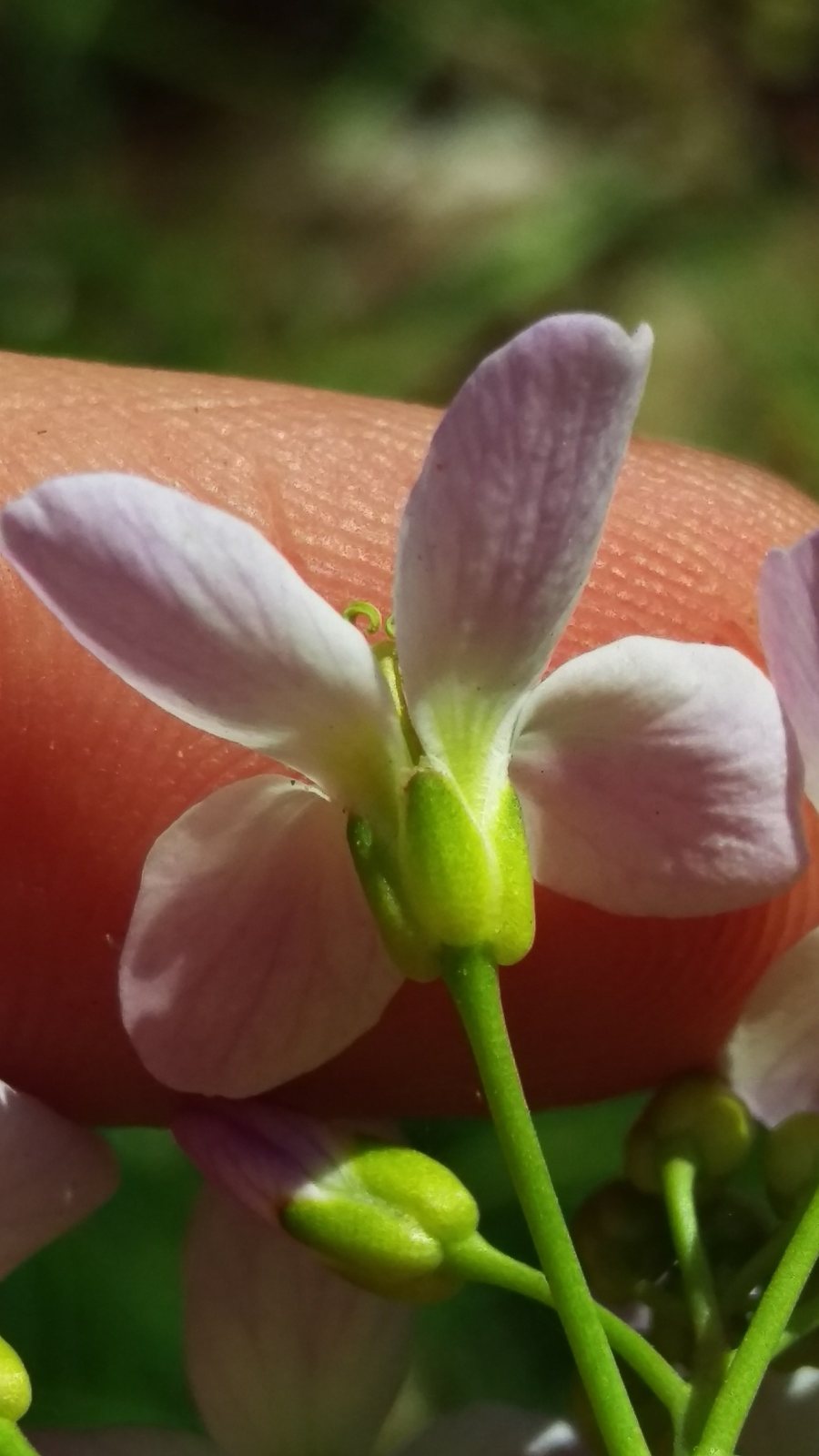
- Spring to early summer; pale lilac, pink or nearly white flowers, often with darker veins.
- Foliage
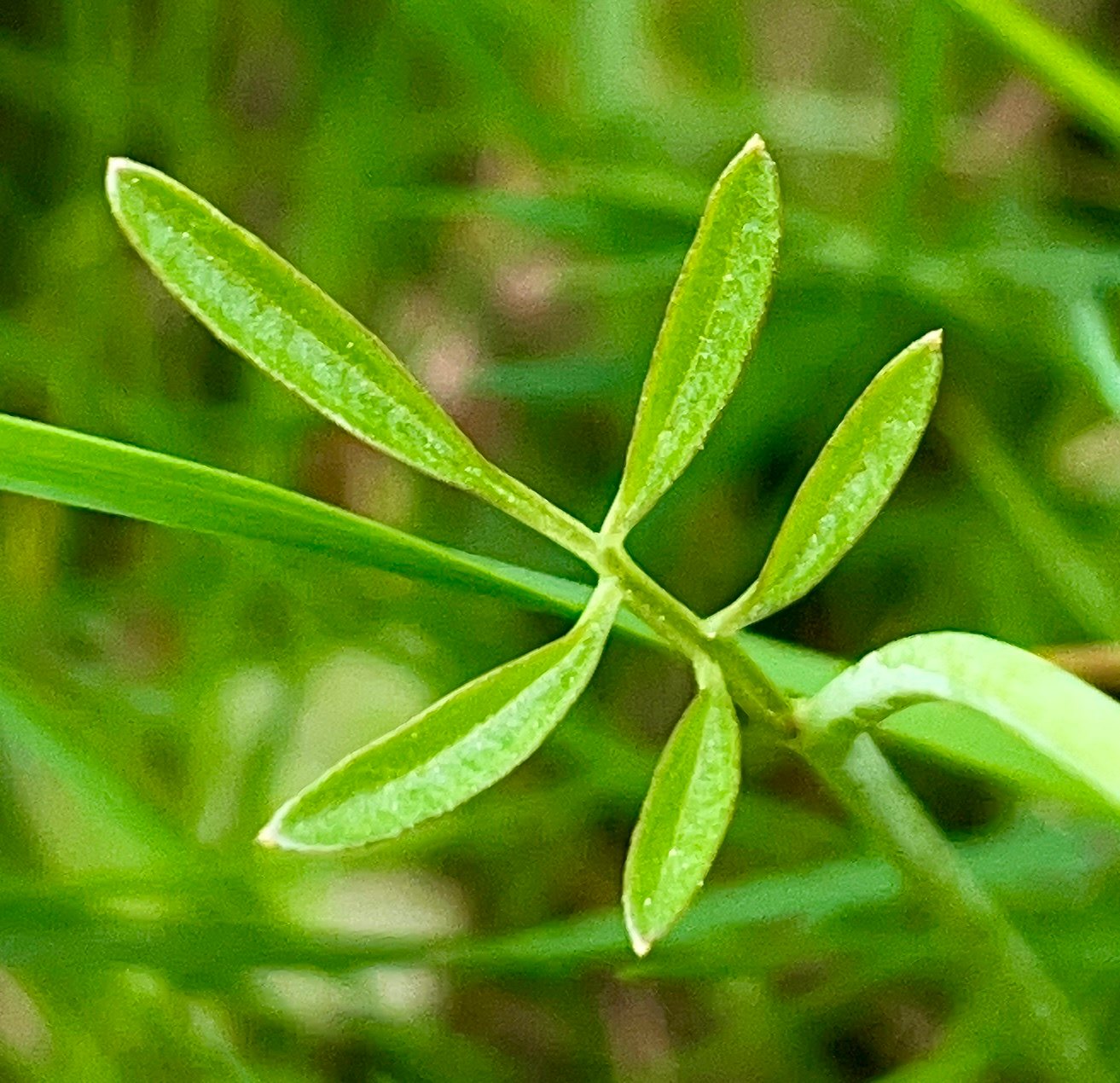
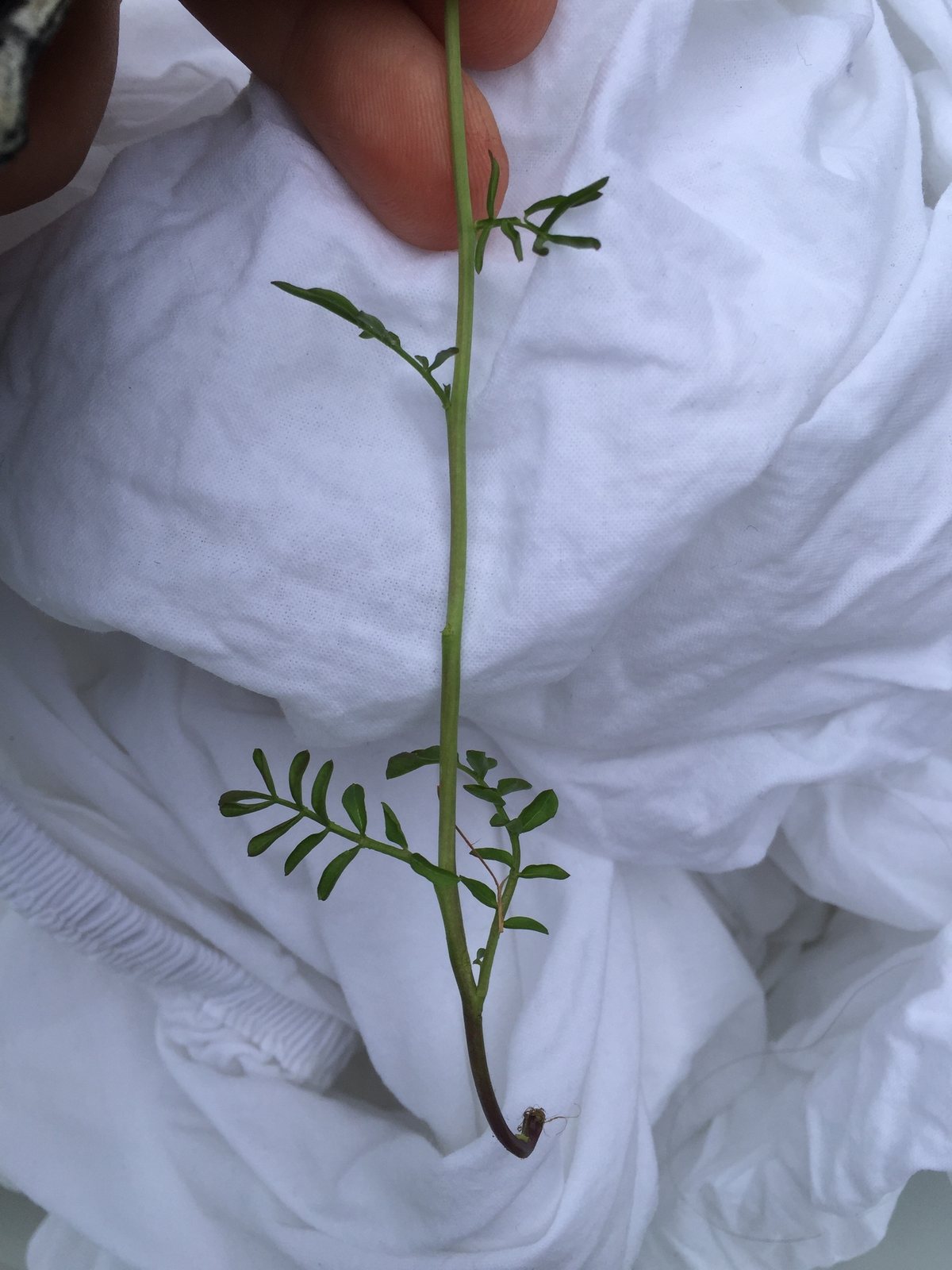
- Low rosettes of divided leaves with rounded leaflets; flowering stems carry narrower leaflets. Foliage may become sparse after flowering.
- Growth
- Moderate; gradually forms small colonies where conditions suit it.
- Care needed
- Low
The year at a glance
- Pollinators
- Cold hardy
- Wildlife
- Low allergen
| J | F | M | A | M | J | J | A | S | O | N | D | |
|---|---|---|---|---|---|---|---|---|---|---|---|---|
| Flowers | ||||||||||||
| Fruit | ||||||||||||
| Plant |
Northern hemisphere months. In Australia, shift them by six.
- Difficulty
- Easy
- Toughness
- Fairly tough
Will it suit your garden?
Pick your zone, country, light and whether you have pets.
Full sun is 6 or more hours of direct sun a day, part shade 3 to 6 hours, shade under 3.
How it grows
Planting day
1 ft (0.3 m)
After 1 year
1.1 ft (0.35 m)
After 2 years
1.3 ft (0.4 m)
After 3 years
1.5 ft (0.45 m)
full size
About 3 years to full size.
From a typical nursery size, at an average rate for this kind of plant. A rule of thumb, not a forecast.
Good to know
- Cats and dogs
- Safe
- Native to
- the US, Canada and the UK
- Growth rate
- Moderate
Care
Jobs through the year
- WaterMar–May, Sep–Oct, every 7 days
- Water established plants when rainfall does not keep roots moist; check new clumps more often.
- WaterJun–Aug, every 3 days
- During dry spells, water established clumps before soil dries hard; omit if soil remains moist.
- MulchOct–Nov
- Add a thin layer of leaf mould around border plants, leaving crowns uncovered.
- DivideMar, Sep–Oct
- Divide established clumps in early spring or autumn and replant into moist soil.
- DeadheadMay–Jun, every 7 days
- Only remove spent stems to limit seeding; leave stems carrying butterfly eggs or caterpillars.
- ProtectApr–Jul
- Leave meadow patches unmown through flowering and pod ripening; check for caterpillars before cutting.
- ProtectJan–Feb, Nov–Dec
- Keep crowns free of deep accumulations of wet leaves and debris.
- Water during dry spells so the soil remains moist rather than drying out completely.
- Apply a thin layer of leaf mould around border-grown plants in autumn, keeping the crowns uncovered.
- Avoid routine feeding, especially in meadow grass, where fertilizer encourages competing grasses.
- Leave meadow-grown plants unmown until their seed pods have ripened.
- Divide established clumps in autumn or early spring if you want more plants.
Pruning. No regular pruning is needed. Remove spent flower stems to limit seeding, or leave them until the pods ripen before cutting back; avoid cutting occupied stems if you find butterfly eggs or caterpillars.
Through the year
- Early spring
- Plant or divide into moist soil and water thoroughly.
- Spring
- Keep plants watered during dry weather and leave flowering patches unmown.
- Late spring
- Check flowering stems for butterfly eggs and caterpillars before deadheading.
- Summer
- Allow seed pods to ripen if natural spread is wanted, then cut meadow grass.
- Autumn
- Plant new clumps and add a thin layer of leaf mould around plants in borders.
- Winter
- Keep pond-margin crowns free of deep accumulations of wet leaves and debris.
In the garden
- Naturalize in damp meadow grass with other spring-flowering plants for a loose, seasonal display.
- Plant along a pond's damp upper margin, above permanent standing water.
- Thread through moist, lightly shaded borders with primroses and ferns.
- Use in spring wildlife planting where flowers and developing seed pods can remain undisturbed.
Garden styles it suits: Cottage garden, Wildflower, Woodland, Wildlife garden, Bog garden and Rewilded.
Plant it with: Marsh marigold, Ragged robin, Common primrose, Water avens, Snake's-head fritillary and Lady fern.
Wildlife: Flowers provide nectar and pollen for spring insects. In Britain and parts of Europe, it is an important food plant for orange-tip and green-veined white butterfly caterpillars; their feeding is usually best tolerated.
Problems to watch for
- Summer drought can cause premature dieback and poor establishment; water deeply and move plants to a more moisture-retentive site if necessary.
- Slugs and snails may damage young leaves; check emerging plants and remove pests by hand.
- Vigorous grasses can crowd out small clumps; avoid fertilizer and remove encroaching coarse grass.
- Unwanted seedlings may appear in damp ground; remove them while small or cut flower stems before pods mature.
Safety
Not known to be toxic to people, cats, dogs or horses. No part is generally regarded as poisonous, though animal-specific safety information is limited and eating large amounts may cause digestive upset.
Easily confused with
Hairy bittercress (Cardamine hirsuta)
Usually much smaller and shorter-lived, with tiny white flowers, a compact basal rosette and conspicuous upright seed pods; cuckooflower has larger, often lilac flowers on taller stems.
Large bittercress (Cardamine amara)
Typically has white flowers with violet anthers and broader stem leaflets; cuckooflower usually has pale lilac flowers with yellow anthers and narrow upper leaflets.
Dame's rocket (Hesperis matronalis)
Has taller, sturdier stems and undivided, toothed leaves; cuckooflower has divided leaves and a lighter, more delicate habit.
The name
The species name pratensis means 'of meadows', while cuckooflower refers to its flowering around the time cuckoos return in spring.
Propagation. Divide clumps in autumn or early spring, or sow fresh seed when ripe and keep it moist outdoors. Detached basal leaves can also produce young plantlets when laid on moist compost.
Checked against open data
- Accepted botanical name
- Cardamine pratensis
- In the US and Canada
- Native in Alaska, Canada, Greenland and the lower 48 states.
- Native range
- Albania, Altay, Amur, Austria, Azores, Baltic States, Belarus, Belgium, Bulgaria, Buryatiya, Central European Rus and Chita.
- Measured
- Soil pH 7 to 7.5. Average height 14 cm.
Sources: GBIF (CC BY 4.0), USDA PLANTS and Trefle (CC BY 4.0). The care and design notes are LandscapeGPT's own.
See it in your own yard.
Upload a photo of your yard and see it redesigned with plants that suit your climate, each checked against your zone.