Water avens
Geum rivale. Family Rosaceae. Perennial.
Also called Nodding avens.
Water avens is a clump-forming perennial grown for its nodding, bell-shaped flowers with dusky purple-red calyces and pale pink to creamy apricot petals. It suits damp borders, pond margins and moist woodland edges, especially where summers are cool.
At a glance
- Sun
- Full sun to partial shade; give afternoon shade where summers are warm.
- Water
- Keep consistently moist, watering deeply during dry spells. It tolerates wet soil but is not a submerged pond plant.
- Soil
- Humus-rich, moisture-retentive soil; tolerates clay and acidic to alkaline conditions. Avoid sites that dry hard in summer.
- Height
- 1-2 ft (0.3-0.6 m)
- Spread
- 1-1.5 ft (0.3-0.45 m)
- Flowers
- Late spring to early summer; nodding flowers with pale pink to creamy apricot petals enclosed by purple-red calyces.
- Foliage
- Green, softly hairy, divided leaves form a low basal clump. Usually deciduous in cold winters, but may retain some foliage in mild climates.
- Growth
- Moderate
- Care needed
- Low
The year at a glance
- Pollinators
- Cold hardy
- Low allergen
| J | F | M | A | M | J | J | A | S | O | N | D | |
|---|---|---|---|---|---|---|---|---|---|---|---|---|
| Flowers | ||||||||||||
| Fruit | ||||||||||||
| Plant |
Northern hemisphere months. In Australia, shift them by six.
- Difficulty
- Easy
- Toughness
- Fairly tough
Will it suit your garden?
Pick your zone, country, light and whether you have pets.
Full sun is 6 or more hours of direct sun a day, part shade 3 to 6 hours, shade under 3.
How it grows
Planting day
1 ft (0.3 m)
After 1 year
1.1 ft (0.35 m)
After 2 years
1.3 ft (0.4 m)
After 3 years
1.5 ft (0.45 m)
full size
About 3 years to full size.
From a typical nursery size, at an average rate for this kind of plant. A rule of thumb, not a forecast.
Good to know
- Cats and dogs
- Safe
- Native to
- the US, Canada and the UK
- Growth rate
- Moderate
Care
Jobs through the year
- WaterApr–May, Sep–Oct, every 7 days
- Water established plants if rainfall fails to keep soil moist; check young plants more often.
- WaterJun–Aug, every 3 days
- Check soil and water deeply when needed to maintain consistent moisture; skip if already wet.
- FeedMar–Apr
- Top-dress with a thin layer of compost; omit extra feeding in rich soil.
- MulchApr
- Mulch around the clump to retain moisture without covering the crown.
- PruneFeb–Mar
- Remove dead leaves without damaging fresh growth.
- DeadheadJun–Jul, every 14 days
- Remove spent stems at the base, leaving some if hooked seedheads are wanted.
- DivideMar–Apr, Sep
- Divide crowded clumps every three to four years, choosing spring or early autumn.
- ProtectMar–May, every 7 days
- Inspect young leaves for slug and snail damage and control pests as needed.
- Water during dry weather so the root zone does not dry out.
- Apply a thin layer of garden compost in spring; rich soil rarely needs additional feed.
- Mulch around the clump to conserve moisture, keeping mulch clear of the crown.
- Divide crowded clumps in spring or early autumn, usually every three to four years.
- Allow space around the crown rather than crowding it with vigorous spreading plants.
Pruning. Remove spent flower stems at the base after flowering, or leave some for their hooked seed heads. Cut away dead leaves in late winter or early spring without damaging new growth.
Through the year
- Late winter
- Remove dead foliage and check that the crown is not buried under wet leaf litter.
- Spring
- Plant or divide clumps, water them in well and top-dress with compost.
- Late spring
- Check soil moisture as flowering begins, especially in sunny positions.
- Summer
- Water during dry spells and remove spent stems unless you want seed heads or seedlings.
- Early autumn
- Divide established clumps if needed, allowing time for roots to settle before winter.
- Autumn
- Sow ripe seed outdoors in pots and leave exposed to winter cold.
In the garden
- Plant along a pond's damp upper margin, above the standing water.
- Group through a moist cottage border with primroses and other spring-flowering perennials.
- Use at a light woodland edge with ferns for a low layer of foliage and nodding flowers.
- Repeat in a damp meadow planting, where its loose stems blend with grasses and sedges.
Garden styles it suits: Cottage garden, Woodland, Bog garden, Wildflower, Wildlife garden and English country.
Plant it with: Candelabra primroses, Siberian iris, Lady fern, Globeflower, Meadowsweet and Marsh marigold.
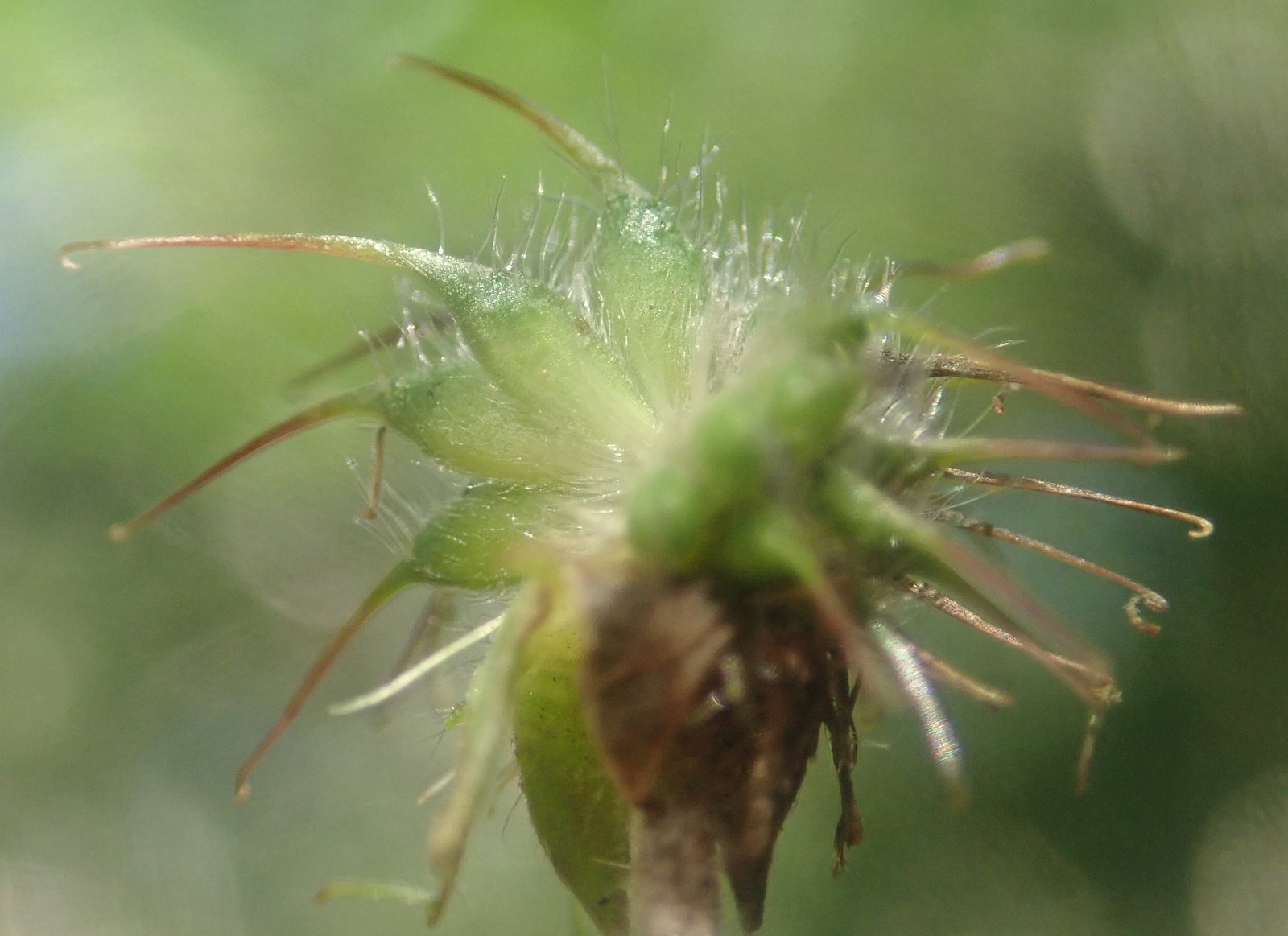
Wildlife: Flowers provide pollen and nectar for bees and other visiting insects. The hooked fruits can attach to animal fur and clothing, helping disperse the seed.
Problems to watch for
- Slugs and snails may damage young leaves; inspect new growth and remove pests, using wildlife-conscious slug control if necessary.
- Powdery mildew can appear when plants are dry or crowded; maintain soil moisture and divide congested clumps.
- Scorched leaves and weak flowering usually indicate heat or drought; water deeply and move to a cooler, partly shaded site if needed.
- Crown rot can develop in stagnant, poorly aerated soil; keep the crown at soil level and avoid permanent submersion.
Safety
Not known to be toxic to people, cats, dogs or horses; no part is commonly reported as poisonous. It is grown as an ornamental, not as a food plant.
Easily confused with
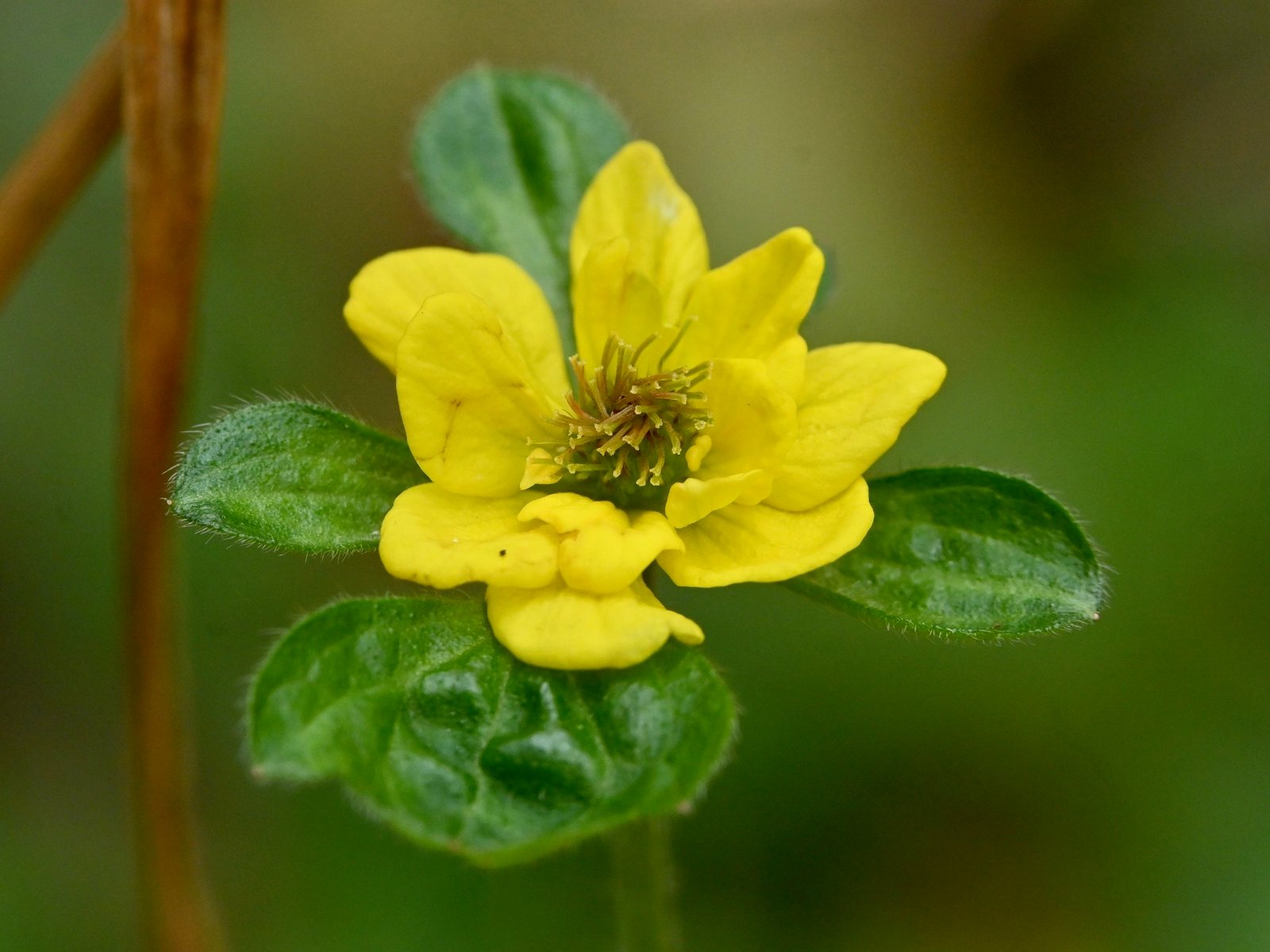
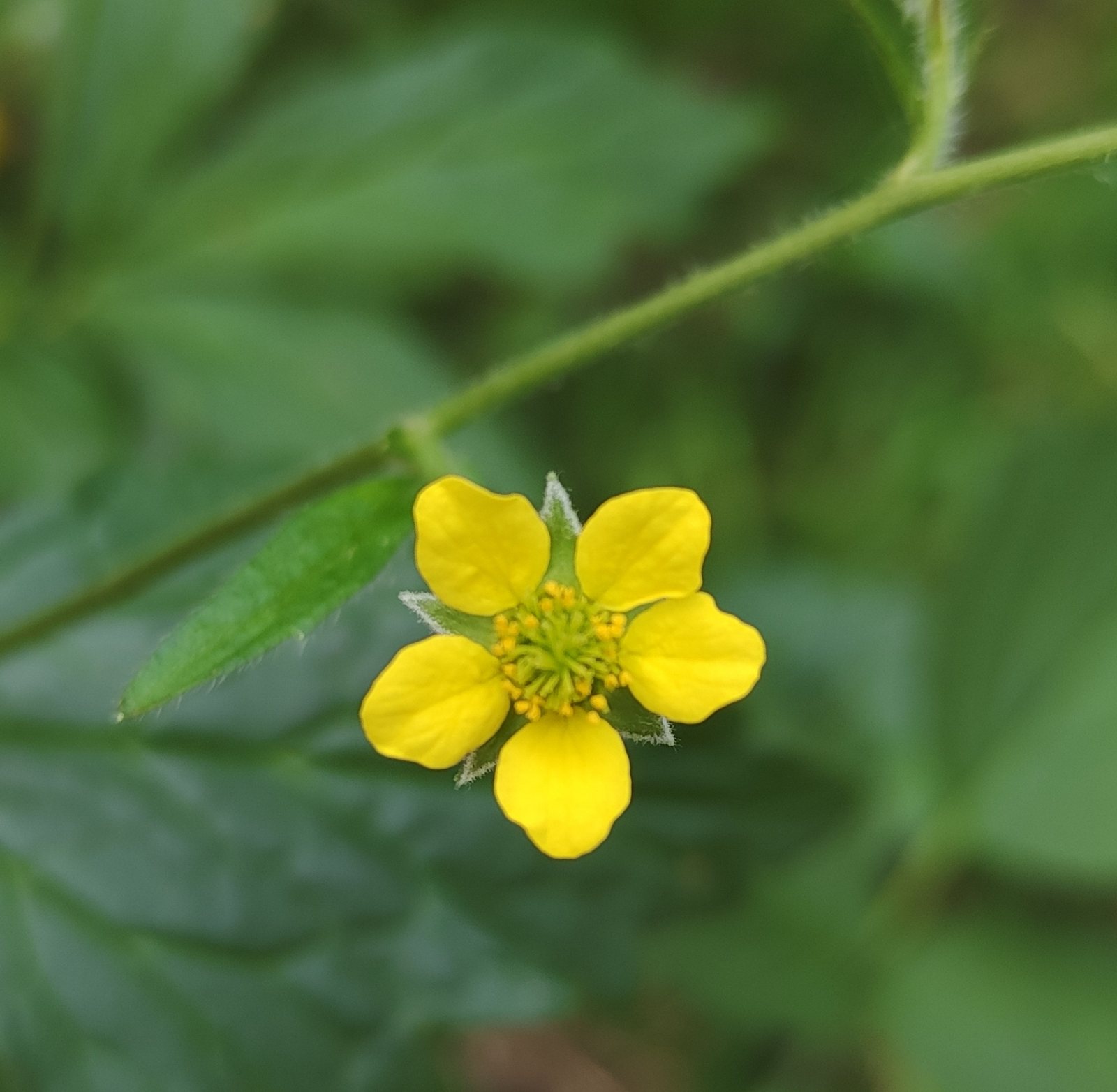
Wood avens (Geum urbanum)
Has open, upward-facing yellow flowers rather than nodding bells with dusky purple-red calyces.
Prairie smoke (Geum triflorum)
Also has nodding pinkish flowers, but its seed heads develop conspicuously long, feathery pink plumes; it favours much drier growing conditions.
Hybrid avens (Geum × intermedium)
This hybrid of water avens and wood avens has variable, intermediate flowers, often more open and yellowish than those of water avens; identification can be difficult.
The name
The species name rivale means 'of streams', referring to its naturally damp habitats.
Propagation. Divide established clumps in spring or early autumn. Sow fresh seed in pots outdoors; winter chilling can help germination. Seedlings may vary or hybridise with other nearby Geum species.
Checked against open data
- Accepted botanical name
- Geum rivale
- In the US and Canada
- Native in Canada, Greenland, the lower 48 states and St. Pierre and Miquelon.
- Native range
- Albania, Alberta, Altay, Austria, Baltic States, Belarus, Belgium, British Columbia, Bulgaria, Buryatiya, Central European Rus and Colorado.
- Measured
- Soil pH 4.8 to 7. Average height 40 cm.
Sources: GBIF (CC BY 4.0), USDA PLANTS and Trefle (CC BY 4.0). The care and design notes are LandscapeGPT's own.
See it in your own yard.
Upload a photo of your yard and see it redesigned with plants that suit your climate, each checked against your zone.