Flaming Katy
Kalanchoe blossfeldiana. Family Crassulaceae. Succulent.
Also called Florist's kalanchoe, Christmas kalanchoe.
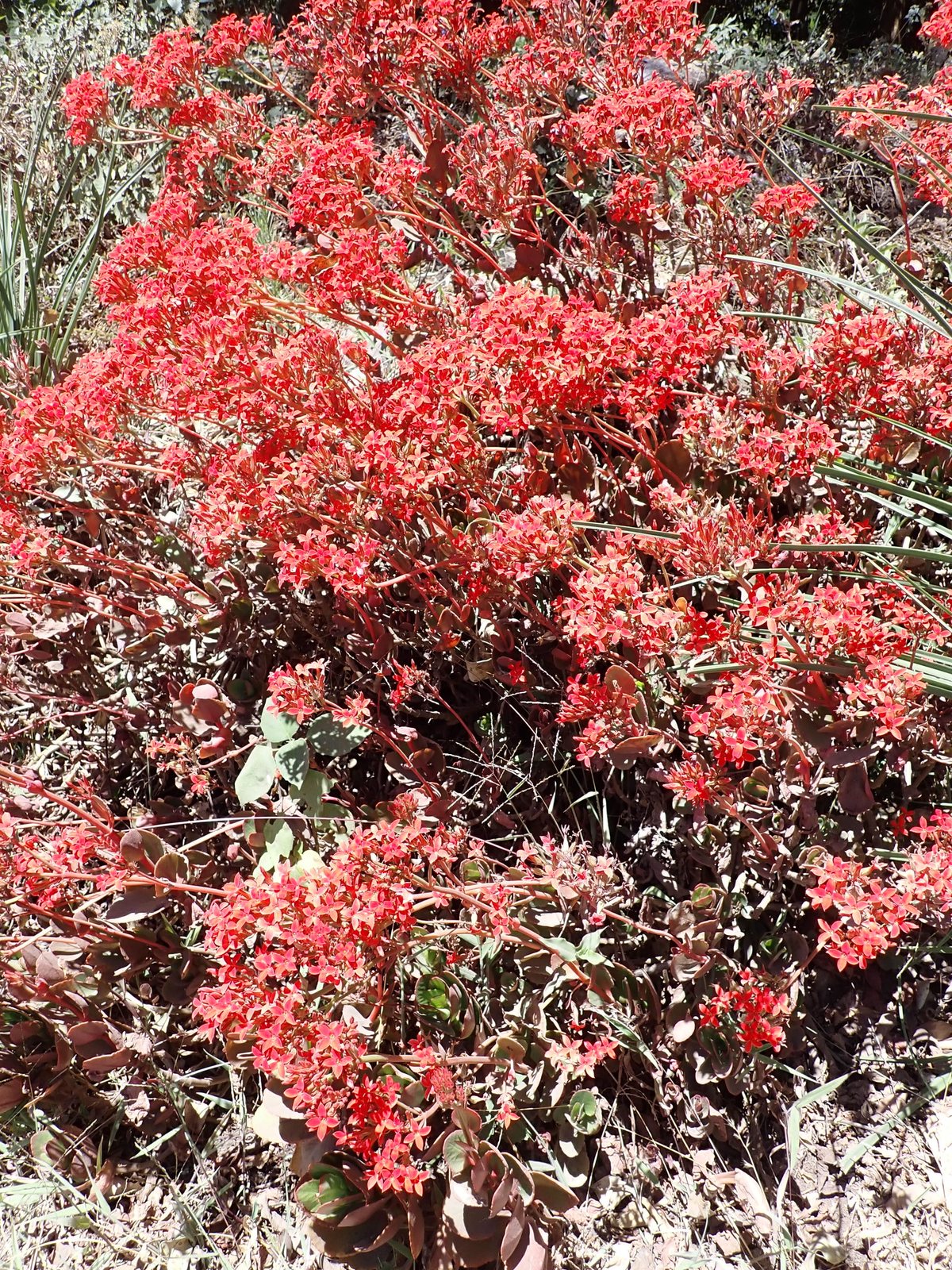
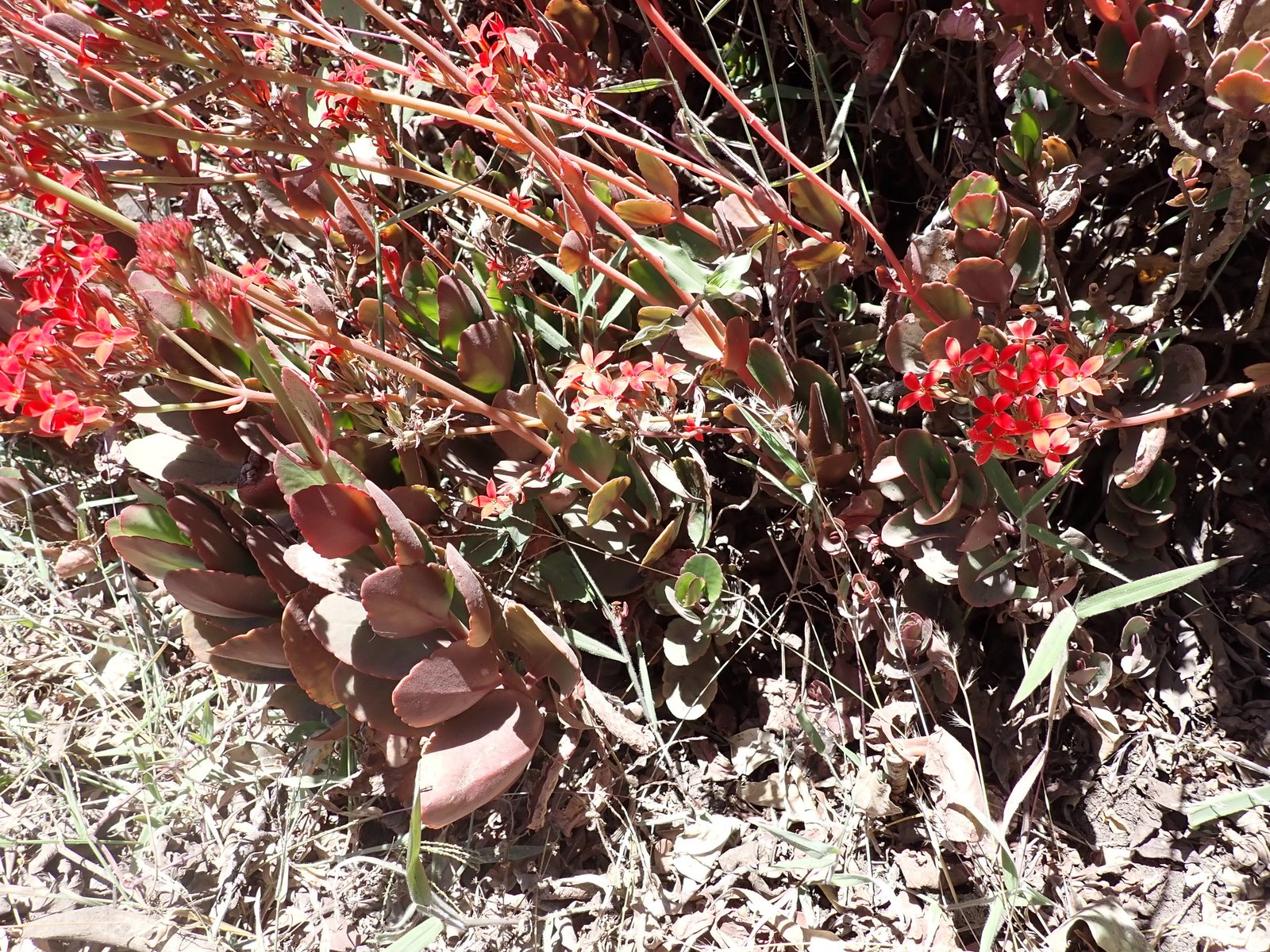
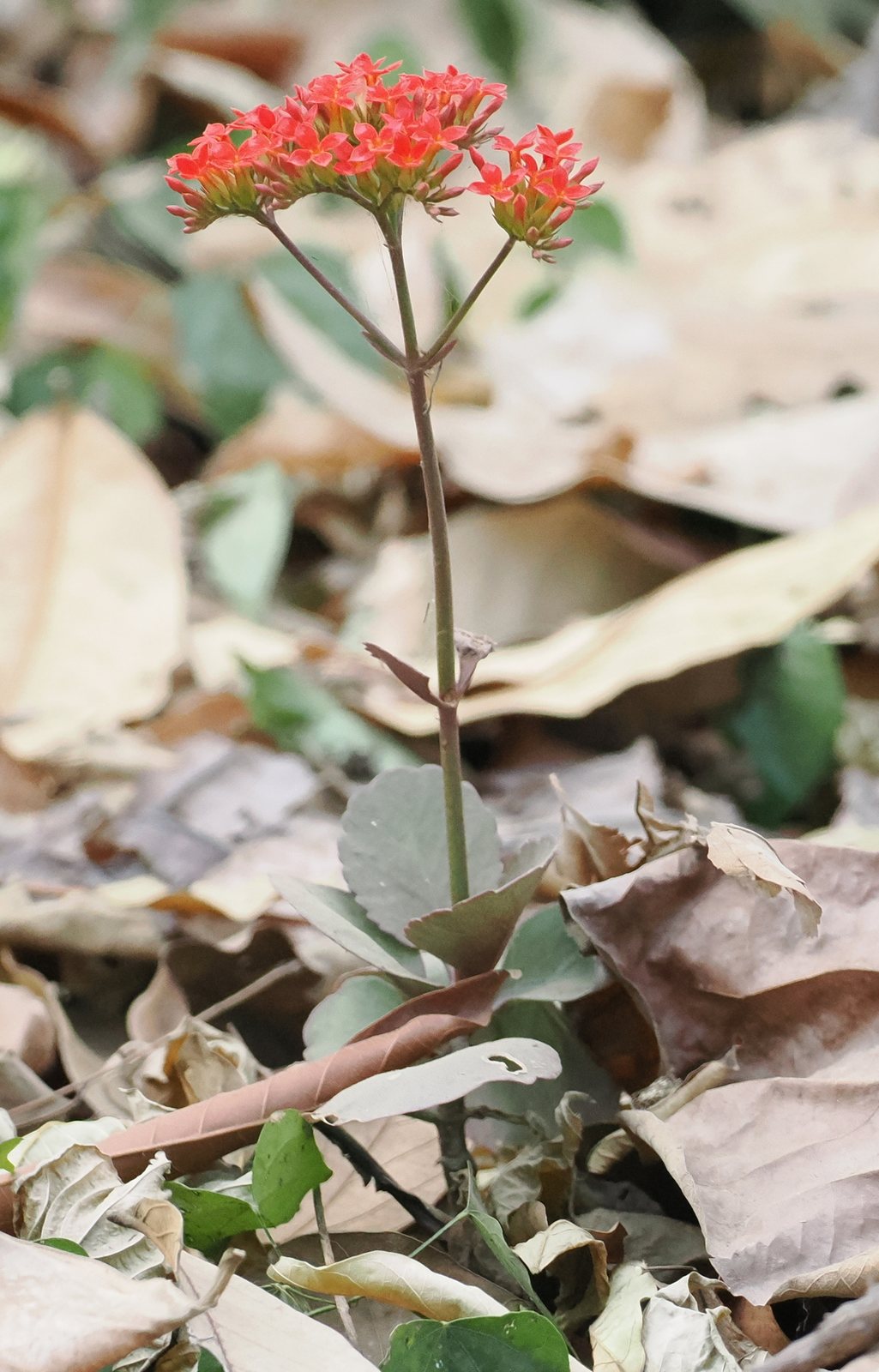
Flaming Katy is a compact, evergreen succulent from Madagascar, grown for clusters of bright flowers above glossy, scalloped leaves. It is usually kept as a houseplant or seasonal patio plant; permanent outdoor planting is suitable only in frost-free climates.
At a glance
- Sun
- Bright light indoors, including some direct morning sun. Outdoors, give morning sun and afternoon shade in hot climates; acclimatise gradually to stronger light.
- Water
- Let the upper 1-2 in (2.5-5 cm) of compost dry before watering thoroughly, then drain completely. Water less in cool weather and never leave the pot standing in water.
- Soil
- Free-draining cactus or succulent compost in a pot with drainage holes. Outdoors, use gritty, sharply drained soil protected from prolonged winter wet.
- Height
- 0.5-1.5 ft (0.15-0.45 m)
- Spread
- 0.5-1.5 ft (0.15-0.45 m)
- Flowers
- Naturally flowers from winter into spring in response to long nights. Clusters of red, orange, yellow, pink or white flowers; double-flowered forms are common, and commercially timed plants are sold in bloom throughout the year.
- Foliage
- Evergreen. Fleshy, glossy, dark green leaves with rounded, scalloped edges; margins may redden in strong light.
- Growth
- Slow to moderate
- Care needed
- Low
The year at a glance
- Drought tolerant
- Heat tolerant
- Low allergen
| J | F | M | A | M | J | J | A | S | O | N | D | |
|---|---|---|---|---|---|---|---|---|---|---|---|---|
| Flowers | ||||||||||||
| Plant |
Northern hemisphere months. In Australia, shift them by six.
- Difficulty
- Easy
- Toughness
- Very tough
Will it suit your garden?
Pick your zone, country, light and whether you have pets.
Full sun is 6 or more hours of direct sun a day, part shade 3 to 6 hours, shade under 3.
How it grows
Planting day
0.8 ft (0.25 m)
After 1 year
0.8 ft (0.26 m)
After 2 years
0.9 ft (0.26 m)
After 3 years
0.9 ft (0.27 m)
After 5 years
0.9 ft (0.28 m)
About 8 years to full size.
From a typical nursery size, at an average rate for this kind of plant. A rule of thumb, not a forecast.
Good to know
- Cats and dogs
- Toxic
- Growth rate
- Slow
Care
Jobs through the year
- WaterMar–May, Sep–Oct, every 14 days
- Grow in a pot; water only when the top 2.5–5 cm of compost is dry, then drain.
- WaterJun–Aug, every 7 days
- Check potted plants and water only after the upper compost dries.
- WaterJan–Feb, Nov–Dec, every 21 days
- In bright indoor shelter, water sparingly only after the upper compost dries.
- FeedApr–Aug, every 30 days
- Apply half-strength balanced houseplant fertiliser during active growth.
- DeadheadJan–May, every 14 days
- Cut finished flower stalks back to the first healthy leaves.
- PruneApr–May
- Shorten leggy stems after flowering to encourage branching.
- ProtectJan–May, Sep–Dec
- Keep indoors whenever nights fall below 10°C; protect from frost and cold glass.
- ProtectOct–Nov
- For repeat flowering, provide 14 uninterrupted dark hours nightly for 6–8 weeks.
- Water the compost rather than the leaves and allow excess water to drain away.
- Feed monthly at half strength with a balanced houseplant fertiliser during active spring and summer growth.
- Keep indoors before nights fall below 10°C (50°F), and protect from frost.
- Repot in spring only when crowded, using a pot just one size larger.
- For repeat flowering, provide about 14 hours of uninterrupted darkness each night for 6-8 weeks, with bright light by day; evening room lighting can prevent buds forming.
Pruning. Cut spent flower stalks back to the first healthy leaves once flowering finishes. Shorten leggy stems after flowering to encourage branching, using clean scissors.
Through the year
- Spring
- After flowering, remove spent stalks, shorten leggy growth and repot if the roots are crowded.
- Late spring
- Move plants outdoors only once nights stay above 10°C (50°F), gradually introducing them to brighter light.
- Summer
- Water when the upper compost dries and feed monthly at half strength.
- Late summer
- Take stem cuttings from healthy, non-flowering shoots.
- Autumn
- Bring patio plants indoors before cool nights; provide long, uninterrupted nights if repeat flowers are wanted.
- Winter
- Keep in bright light away from cold glass, water sparingly and remove fading flowers.
In the garden
- Use flowering pots on bright indoor windowsills or tables close to a sunny window.
- Group several pots in one flower colour for a compact display on a sheltered patio during warm weather.
- Combine with echeverias and small jade plants in a well-drained succulent bowl, leaving room between plants.
- Plant at the front of a sheltered, frost-free succulent border for seasonal flower colour.
Garden styles it suits: Modern, Urban city garden, Modern courtyard, Small-space, Low-maintenance and Modern Mediterranean.
Plant it with: Echeveria, Jade plant, Zebra haworthia and Elephant bush.
Wildlife: Open, single flowers may attract visiting insects outdoors, but this is not a major wildlife plant. Double flowers offer less accessible nectar and pollen.
Problems to watch for
- Root or stem rot: soft, dark stems and collapsing growth usually indicate wet compost; remove rotten material, improve drainage and take healthy cuttings if needed.
- Mealybugs: inspect leaf joints and remove visible insects with a cotton bud; isolate the plant and use a labelled treatment if infestation persists.
- Powdery mildew: improve air circulation, avoid crowded displays and remove badly affected leaves.
- Few flowers or stretched stems: increase daytime light; for flower initiation, provide uninterrupted long nights without room lighting.
Safety
Toxic to cats, dogs and horses if eaten. All parts contain cardiac glycosides, with flowers particularly hazardous; poisoning can cause vomiting and diarrhoea, and serious cases can disturb heart rhythm. It is also potentially poisonous to people if swallowed. Keep away from children and grazing animals, and seek medical or veterinary advice after ingestion.
Easily confused with
Beach bells (Kalanchoe manginii)
Has arching or trailing stems and hanging, bell-shaped orange-red flowers, rather than upright clusters of small, open flowers.
Flapjack plant (Kalanchoe luciae)
Forms a rosette of broad, paddle-shaped leaves with smooth edges, often strongly red-flushed; Flaming Katy has smaller, scalloped leaves on branching stems.
The name
The species name blossfeldiana honours German plant breeder Robert Blossfeld, while Flaming Katy refers to its vivid flowers.
Propagation. Take short, non-flowering stem cuttings in spring or summer. Allow the cut ends to dry for a day or two, then insert into barely moist, gritty compost and keep warm in bright, indirect light; do not enclose in a humid propagator.
Checked against open data
- Accepted botanical name
- Kalanchoe blossfeldiana
- In the US and Canada
- Introduced in the lower 48 states and Puerto Rico.
- Native range
- Madagascar.
Sources: GBIF (CC BY 4.0), USDA PLANTS and Trefle (CC BY 4.0). The care and design notes are LandscapeGPT's own.
See it in your own yard.
Upload a photo of your yard and see it redesigned with plants that suit your climate, each checked against your zone.