Fox tail agave
Agave attenuata. Family Asparagaceae. Succulent.
Also called Foxtail agave, Swan's neck agave, Lion's tail agave.
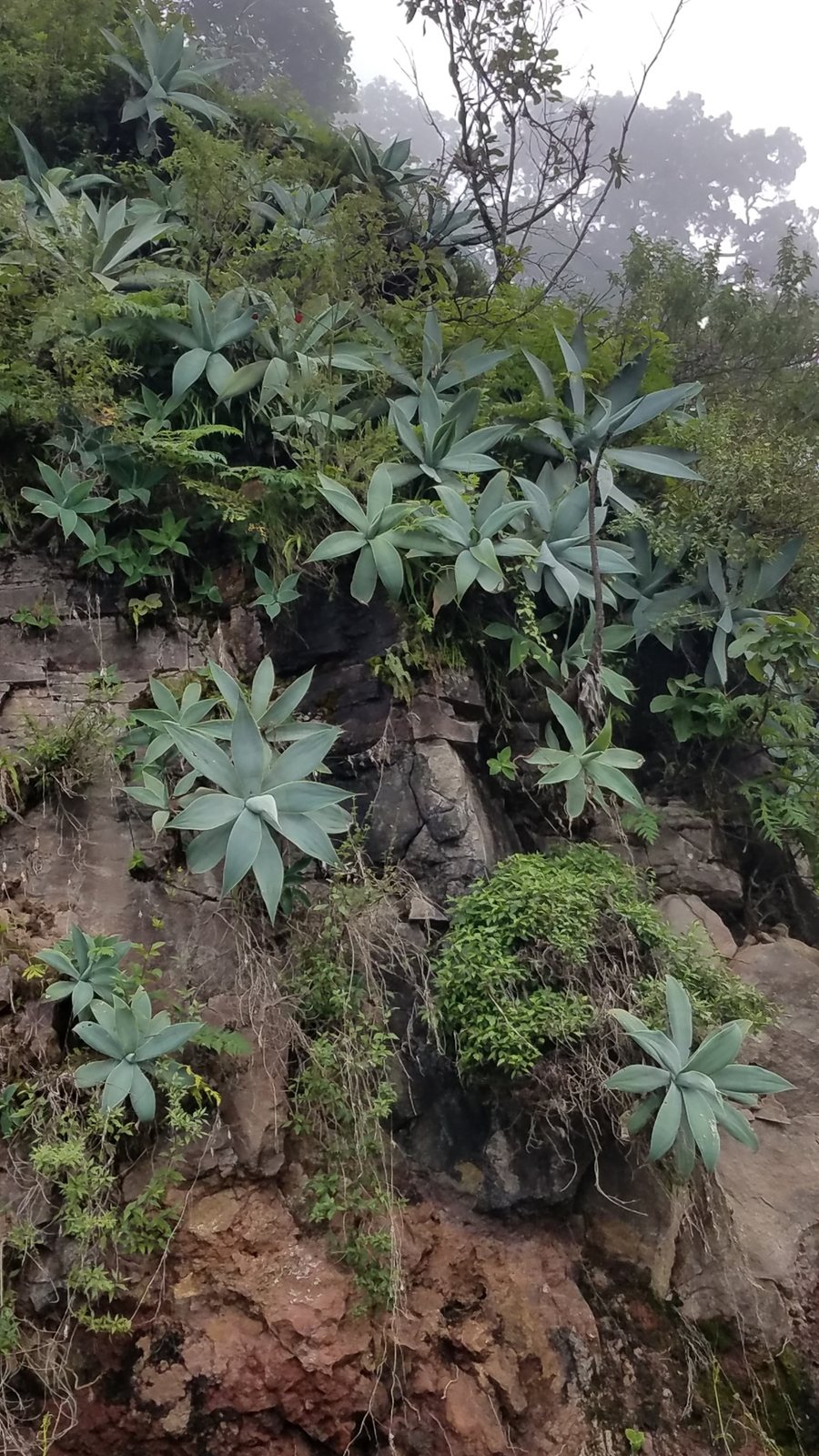
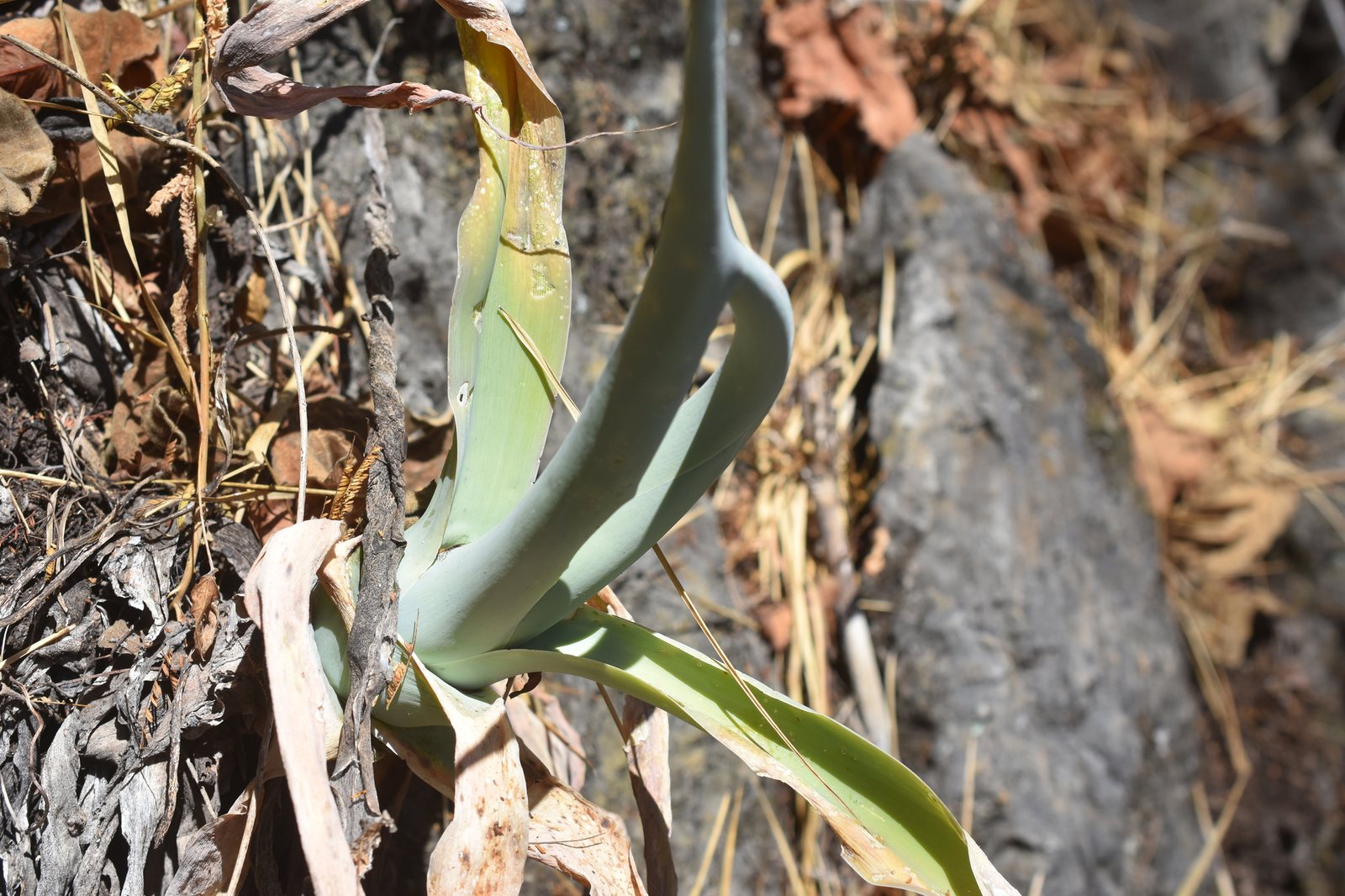
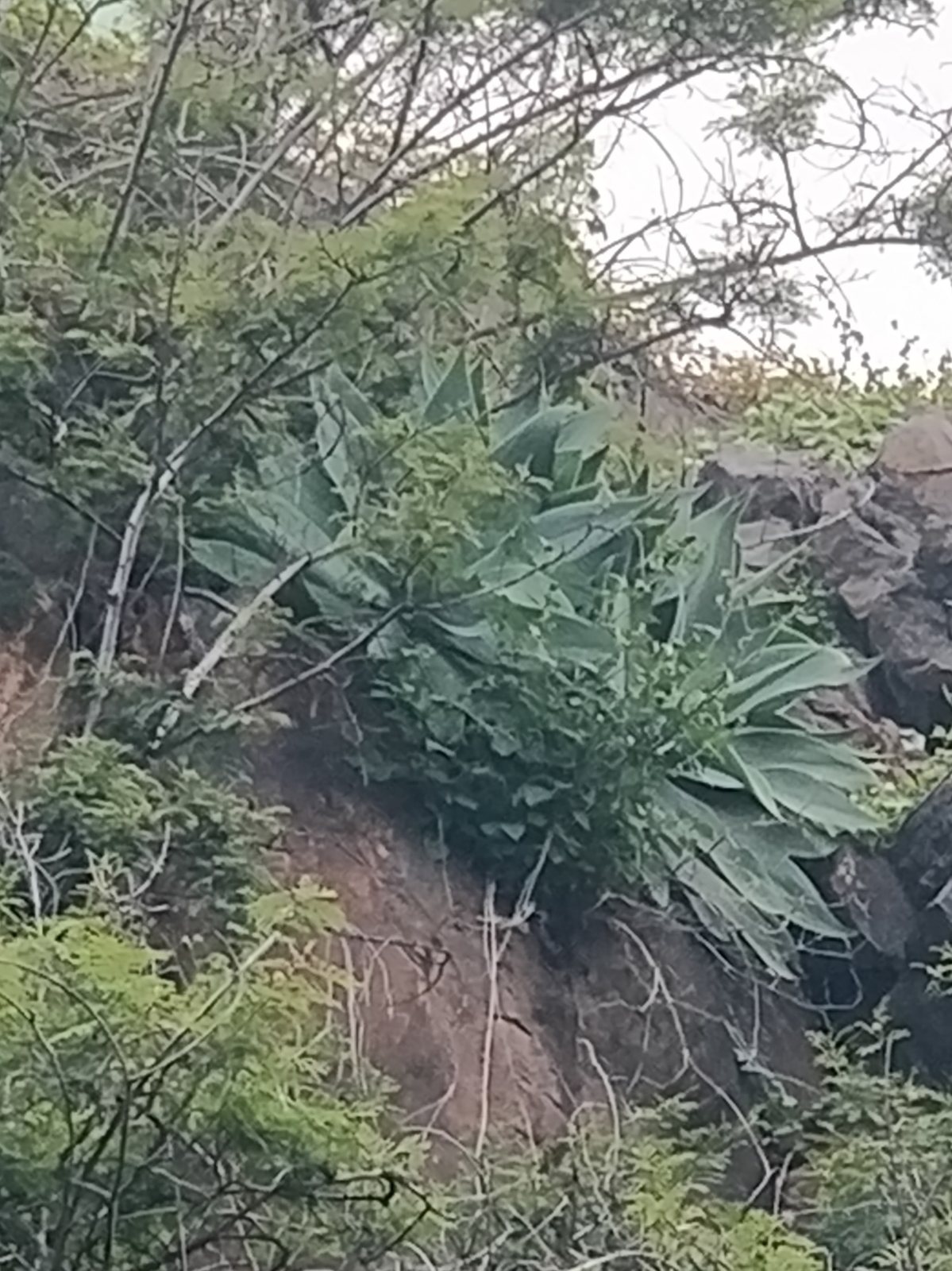
Fox tail agave forms broad rosettes of soft-looking, pale green leaves without the sharp terminal spines of many agaves. Gardeners grow it for its sculptural foliage in frost-free gardens or large containers that can be sheltered for winter. Mature plants eventually produce a tall, arching flower spike; the flowering rosette then dies, usually leaving offsets.
At a glance
- Sun
- Full sun to partial shade; afternoon shade is useful in very hot inland gardens. Acclimatise plants gradually to stronger sun.
- Water
- Drought-tolerant once established, but grows better with occasional deep watering during warm weather. Let the soil dry between waterings and keep almost dry in cool winter conditions.
- Soil
- Free-draining sandy or gravelly soil. In containers, use cactus compost with added grit or pumice and a pot with drainage holes.
- Height
- 3-5 ft (0.9-1.5 m); flowering stems can reach 8-10 ft (2.4-3 m)
- Spread
- 4-6 ft (1.2-1.8 m); established offsetting clumps can grow wider
- Flowers
- Mature rosettes, often more than 10 years old, produce greenish-yellow flowers on a long, arching spike, usually in winter or spring in warm climates. Timing varies with climate.
- Foliage
- Evergreen. Broad, fleshy, pale green to blue-green leaves form open rosettes on short, eventually visible stems. Leaf edges are smooth and the tips lack hard spines.
- Growth
- Slow to moderate; faster with warmth and occasional summer watering.
- Care needed
- Low
The year at a glance
- Pollinators
- Deer resistant
- Drought tolerant
- Heat tolerant
- Low allergen
| J | F | M | A | M | J | J | A | S | O | N | D | |
|---|---|---|---|---|---|---|---|---|---|---|---|---|
| Flowers | ||||||||||||
| Plant |
Northern hemisphere months. In Australia, shift them by six.
- Difficulty
- Moderate
- Toughness
- Fairly tough
Will it suit your garden?
Pick your zone, country, light and whether you have pets.
Full sun is 6 or more hours of direct sun a day, part shade 3 to 6 hours, shade under 3.
How it grows
Planting day
0.8 ft (0.25 m)
After 1 year
1.3 ft (0.41 m)
After 2 years
1.9 ft (0.57 m)
After 3 years
2.4 ft (0.73 m)
After 5 years
3 ft (1 m)
About 6 years to full size.
From a typical nursery size, at an average rate for this kind of plant. A rule of thumb, not a forecast.
Good to know
- Cats and dogs
- Mildly toxic: may upset a stomach
- Growth rate
- Moderate
Care
Jobs through the year
- WaterApr–May, Sep, every 21 days
- Water established plants only when warm and dry; check containers and new plants more often.
- WaterJun–Aug, every 14 days
- Water deeply if the root zone has dried; skip after adequate rain.
- FeedApr–May
- Give containers one dilute cactus feed as active growth resumes.
- MulchMay
- Apply thin gravel mulch without covering the stem base.
- PruneApr–May
- Remove fully dead lower leaves with clean secateurs and gloves; avoid contact with sap.
- ProtectMay–Jun
- Move outside only after nights warm, gradually increasing sun exposure.
- ProtectJan–Apr, Sep–Dec
- Keep in bright, frost-free shelter through cold weather and water only sparingly when dry.
- Water deeply in warm weather, then allow the root zone to dry before watering again.
- Keep containers out of standing water and shelter plants from prolonged winter rain.
- Move potted plants into a bright, frost-free place before frost is forecast.
- Feed container plants lightly once in spring with a diluted cactus fertiliser.
- Use a thin gravel mulch rather than moisture-holding mulch against the stem.
Pruning. Remove fully dead lower leaves close to the stem with clean secateurs, wearing gloves to avoid the sap. After flowering, remove the dead rosette and spent flower stem without damaging surrounding offsets.
Through the year
- Spring
- Check drainage, remove dead leaves and give container plants a light feed as growth resumes.
- Late spring
- Move overwintered containers outdoors after frost risk has passed, gradually increasing their exposure to sun.
- Summer
- Water deeply when the soil has dried; check pots more often during hot weather.
- Summer
- Detach well-developed offsets if you want new plants, allowing cut surfaces to dry before potting.
- Autumn
- Reduce watering as temperatures fall and move containers under frost-free cover before cold nights.
- Winter
- Keep sheltered plants bright and almost dry; protect outdoor plants from persistent cold rain.
In the garden
- Use a single rosette in a broad container as a focal point beside a sunny entrance or terrace.
- Plant in groups with aloes and low succulents for contrasting leaf shapes in frost-free gravel gardens.
- Set against plain walls or dark paving to emphasise the pale foliage and rounded outline.
- Combine with fine-textured grasses in sheltered courtyard gardens for a contrast of bold and airy foliage.
Garden styles it suits: Architectural minimal, Modern Mediterranean, Desert modern, Modern courtyard, Dry gravel garden and Desert / xeriscape.
Plant it with: Blue chalksticks, Mexican snowball, Coral aloe, Kangaroo paw and Lomandra.
Wildlife: The flowers provide nectar and pollen for insects and, where present, nectar-feeding birds. Plants grown in containers or cool climates may never flower.
Problems to watch for
- Root or stem rot in wet soil: improve drainage, reduce watering and remove badly rotted plants or stems.
- Frost damage: move pots under frost-free cover; leave damaged leaves until cold weather has passed before trimming.
- Mealybugs: inspect leaf bases and offsets, remove small colonies by hand and use a labelled insecticidal soap where appropriate.
- Sun scorch after a sudden move outdoors: introduce stronger light gradually and provide afternoon shade in intense heat.
Safety
Do not eat any part. Sap from cut leaves or stems can irritate human skin and eyes, and chewing the plant may cause mouth irritation, vomiting or diarrhoea in people, cats and dogs. Horse-specific toxicity information is limited, so keep it away from grazing animals. Wear gloves when cutting and seek medical or veterinary advice after ingestion or significant exposure.
Easily confused with
Smooth agave (Agave desmettiana)
Usually has narrower, more upright or recurving leaves with a distinct hard terminal spine; fox tail agave has broader, softer leaves without that spine.
Squid agave (Agave bracteosa)
Also lacks sharp terminal spines, but has much narrower, curling, strap-like leaves and a smaller, more tangled rosette.
The name
The name attenuata means tapering, while fox tail refers to the long, curved flower spike.
Propagation. Detach offsets in spring or summer, preferably with some roots attached. Let cut surfaces dry for several days, then pot into a gritty, free-draining mix and water sparingly until established. Seed is possible but rarely available from home-grown plants.
Checked against open data
- Accepted botanical name
- Agave attenuata
- In the US and Canada
- Introduced in Pacific Basin.
- Native range
- Mexico Central and Mexico Southwest.
Sources: GBIF (CC BY 4.0), USDA PLANTS and Trefle (CC BY 4.0). The care and design notes are LandscapeGPT's own.
See it in your own yard.
Upload a photo of your yard and see it redesigned with plants that suit your climate, each checked against your zone.