Fringed hibiscus
Hibiscus schizopetalus. Family Malvaceae. Shrub.
Also called Coral hibiscus, Japanese lantern, Spider hibiscus.
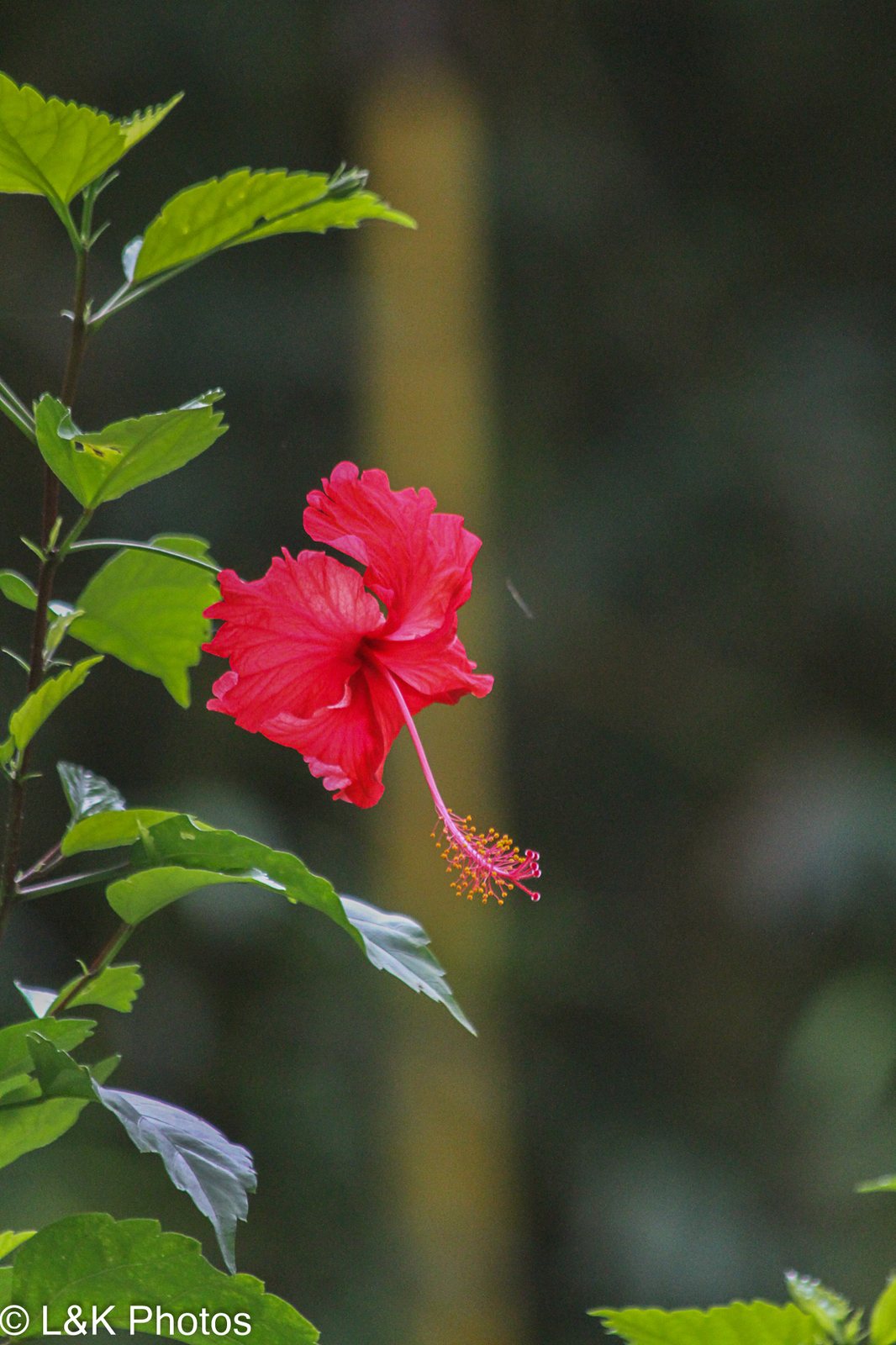
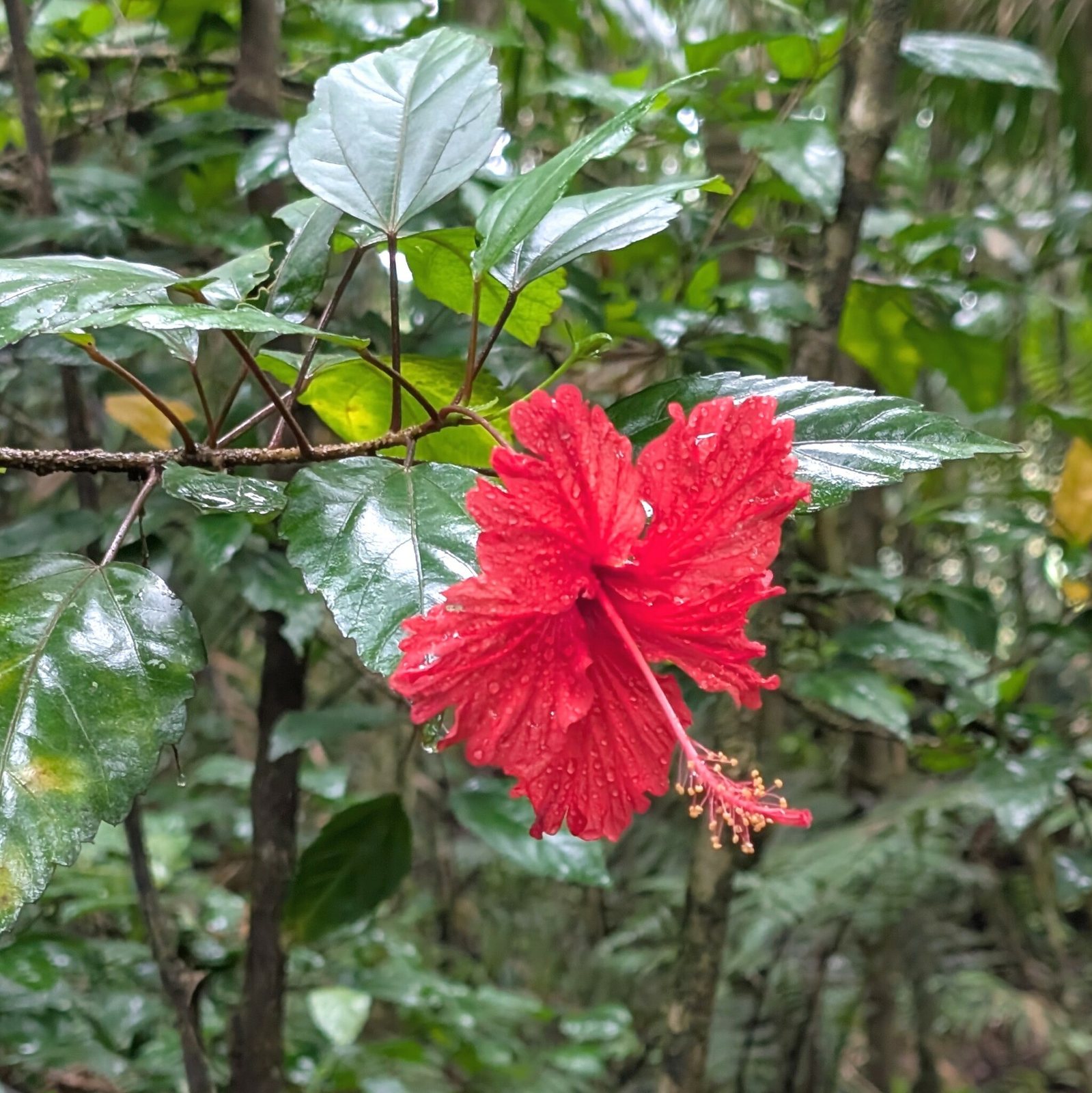
Fringed hibiscus is a frost-tender evergreen shrub with slender, arching branches and hanging coral-red flowers whose deeply divided petals curl backwards. Grow it in a sheltered tropical garden or a large container that can spend winter in a warm, bright greenhouse or conservatory.
At a glance
- Sun
- Full sun to partial shade; provide shelter from strong winds and some afternoon shade in very hot, dry climates.
- Water
- Keep evenly moist during active growth, allowing the surface to begin drying between waterings. Water less in winter, but do not let the root ball dry out completely.
- Soil
- Fertile, moisture-retentive but well-drained soil; use a free-draining container compost in pots.
- Height
- 6-10 ft (1.8-3 m)
- Spread
- 5-8 ft (1.5-2.4 m)
- Flowers
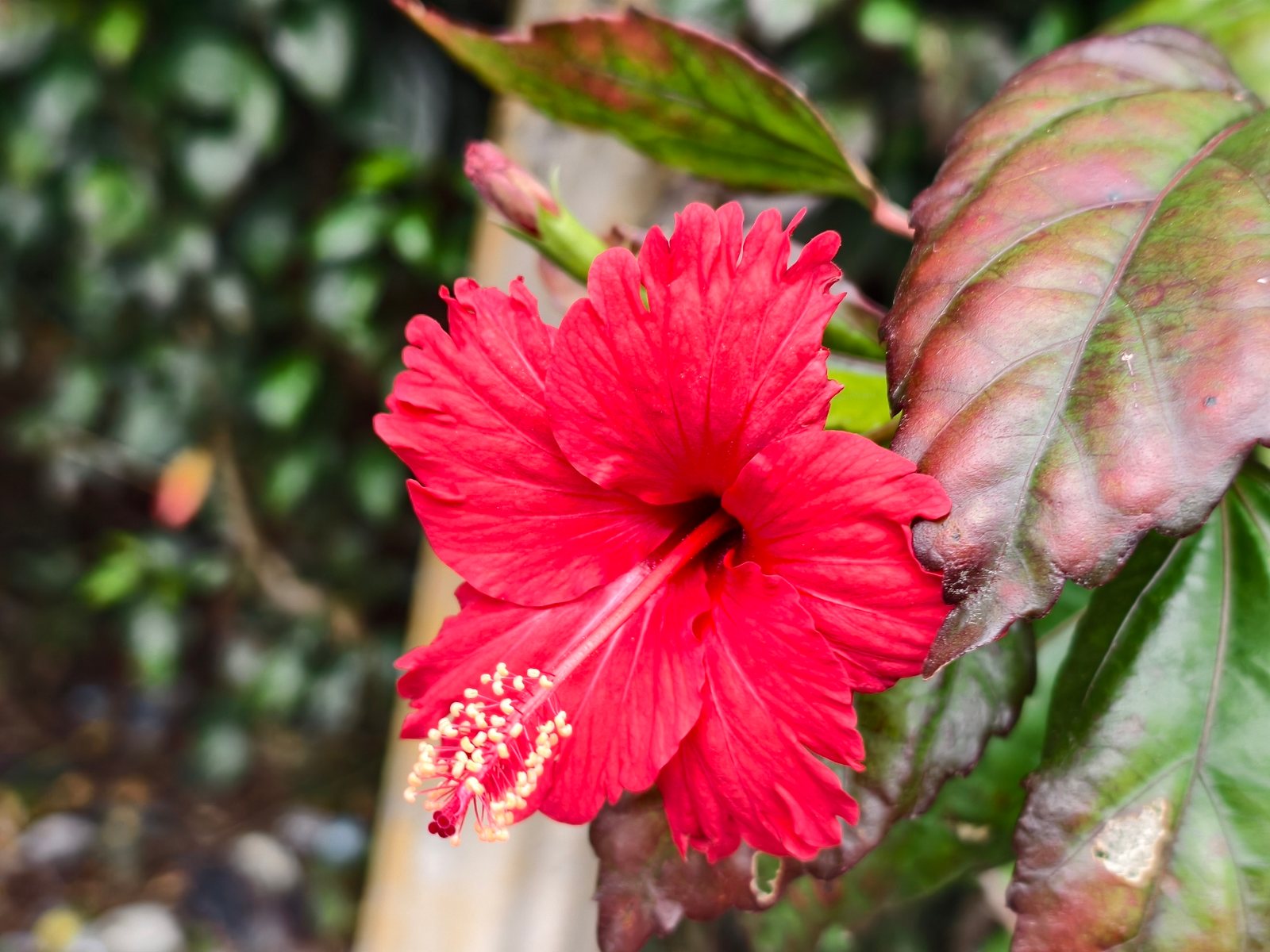
- Coral-red to pinkish-red, pendulous flowers with deeply fringed, recurved petals and a long dangling staminal column; mainly summer and autumn, potentially year-round in continuously warm climates.
- Foliage
- Evergreen. Glossy green, oval leaves with toothed edges on slender, arching stems.
- Growth
- Fast in warm conditions
- Care needed
- Medium
The year at a glance
- Pollinators
- Heat tolerant
- Low allergen
| J | F | M | A | M | J | J | A | S | O | N | D | |
|---|---|---|---|---|---|---|---|---|---|---|---|---|
| Flowers | ||||||||||||
| Plant |
Northern hemisphere months. In Australia, shift them by six.
- Difficulty
- Moderate
- Toughness
- Needs looking after
Will it suit your garden?
Pick your zone, country, light and whether you have pets.
Full sun is 6 or more hours of direct sun a day, part shade 3 to 6 hours, shade under 3.
How it grows
Planting day
1.6 ft (0.5 m)
After 1 year
4 ft (1.1 m)
After 2 years
5 ft (1.7 m)
After 3 years
7 ft (2.3 m)
After 5 years
8 ft (2.4 m)
full size
About 3 years to full size.
From a typical nursery size, at an average rate for this kind of plant. A rule of thumb, not a forecast.
Good to know
- Cats and dogs
- Safe
- Growth rate
- Fast
Care
Jobs through the year
- WaterApr–May, Sep–Oct, every 7 days
- Water established ground plants if the surface is drying; young plants and pots need more frequent checks.
- WaterJun–Aug, every 4 days
- In dry weather, soak established ground plants; check pots daily and keep evenly moist, not waterlogged.
- WaterJan–Mar, Nov–Dec, every 10 days
- Check sheltered pots and water as the surface dries, without letting the root ball dry completely.
- FeedApr–Sep, every 14 days
- Feed actively growing container plants with balanced liquid fertiliser at the label rate.
- MulchMay–Jun
- Mulch outdoor root zones to retain moisture, keeping material away from stems.
- PruneSep–Oct
- After the main flowering flush, lightly shorten overlong branches; retain older flowering wood.
- ProtectJan–May, Sep–Dec
- Grow in a movable pot here; shelter brightly above 10°C and return outdoors only when nights stay warm.
- Water deeply during warm weather, then let excess water drain; empty container saucers.
- Feed container plants with a balanced liquid fertiliser at the label rate during active growth.
- Mulch garden plants to conserve moisture, keeping mulch clear of the stems.
- Bring pots under cover before nights fall below 50°F (10°C), providing bright light and frost-free warmth.
- Repot in spring when roots fill the container, using a pot only slightly larger.
Pruning. Prune lightly after the main flowering flush, shortening overlong branches and removing dead or crossing wood. Flowers are borne on older growth, so repeated clipping or hard spring pruning can substantially delay flowering.
Through the year
- Spring
- Repot root-bound plants and resume feeding as active growth begins.
- Late spring
- Gradually acclimatise overwintered pots to outdoor light once nights remain above 50°F (10°C).
- Summer
- Check container moisture frequently and inspect shoot tips and leaf undersides for pests.
- Late summer
- Take semi-ripe cuttings from healthy, non-flowering shoots.
- Autumn
- Move container plants into warm, bright shelter before cold nights arrive; lightly trim after flowering if needed.
- Winter
- Reduce watering to match slower growth and check indoor plants for spider mites and whitefly.
In the garden
- Use as a loose specimen shrub beside a sheltered patio, where the hanging flowers can be viewed closely.
- Grow in a large courtyard container and move it under cover for winter.
- Place behind lower foliage plants so its arching branches and dangling flowers remain visible.
- Combine with gingers, cannas and cordylines in a warm, irrigated tropical border.
Garden styles it suits: Tropical, Modern tropical, Modern courtyard, Luxury resort, Balinese and Caribbean.
Plant it with: Shell ginger, Canna, Ti plant, Bird of paradise, Bromeliads and Coleus.
Wildlife: Flowers can provide nectar for butterflies and nectar-feeding birds, including hummingbirds where they occur. Wildlife use varies with the local climate and fauna.
Problems to watch for
- Aphids and whitefly: inspect young shoots and leaf undersides; wash off small infestations or apply insecticidal soap labelled for the pest, covering leaf undersides.
- Spider mites in hot, dry indoor conditions: look for stippled leaves and fine webbing; rinse foliage regularly and use a labelled mite treatment if needed.
- Yellowing leaves and root rot in saturated soil: improve drainage, empty saucers and reduce watering during cool weather.
- Few flowers after frequent pruning or in deep shade: stop clipping the branch tips, retain older growth and move the plant to brighter light.
Safety
Not known to be toxic to people, cats, dogs or horses, but species-specific safety information is limited. No particular part is established as poisonous; do not treat the flowers or leaves as food, and seek advice if ingestion causes symptoms.
Easily confused with
Chinese hibiscus (Hibiscus rosa-sinensis)
Usually has broad, overlapping petals and outward-facing flowers rather than deeply fringed, strongly recurved petals on long, hanging stalks.
Turk's cap (Malvaviscus arboreus)
Its red petals remain wrapped into a narrow, upright or nodding flower; they do not spread into the finely divided, reflexed petals of fringed hibiscus.
The name
The species name schizopetalus means split-petalled, referring to the deeply divided petals that also give fringed hibiscus its common name.
Propagation. Take semi-ripe stem cuttings in summer and root them in a moist, free-draining propagation mix with warmth and high humidity. Keep out of strong direct sun while rooting.
Checked against open data
- Accepted botanical name
- Hibiscus schizopetalus
- In the US and Canada
- Introduced in the lower 48 states, Pacific Basin and Puerto Rico.
- Native range
- Kenya and Tanzania.
Sources: GBIF (CC BY 4.0), USDA PLANTS and Trefle (CC BY 4.0). The care and design notes are LandscapeGPT's own.
See it in your own yard.
Upload a photo of your yard and see it redesigned with plants that suit your climate, each checked against your zone.