Ivory curl tree
Buckinghamia celsissima. Family Proteaceae. Tree.
Also called Ivory curl flower.
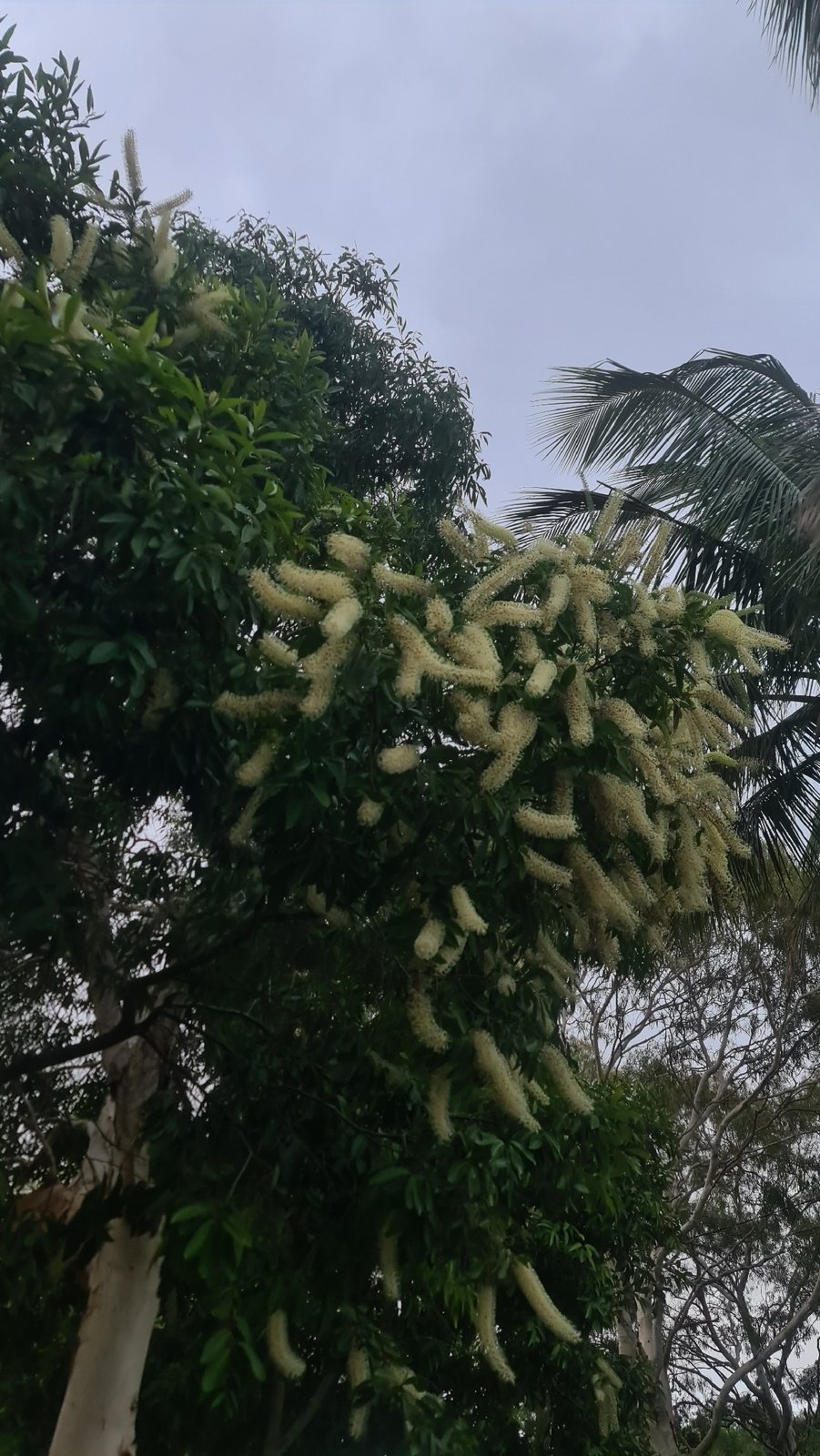
An evergreen rainforest tree from northeastern Queensland, grown for its glossy leaves and long, ivory-white flower spikes with curled tips. It usually stays much smaller in gardens than in the wild and makes a useful flowering shade tree in warm, largely frost-free climates. It is not reliably hardy outdoors across most of the United Kingdom or Canada.
At a glance
- Sun
- Full sun to partial shade; flowering is usually best in sun. Shelter young trees from cold, drying winds.
- Water
- Water regularly while establishing, then deeply during prolonged dry weather. Established trees tolerate some drought but grow better with reliable moisture.
- Soil
- Well-drained, slightly acidic soil enriched with organic matter. Avoid waterlogged ground, strongly alkaline soil and high-phosphorus fertilisers.
- Height
- 20-33 ft (6-10 m) in gardens; potentially much taller in rainforest conditions
- Spread
- 13-20 ft (4-6 m)
- Flowers
- Long, creamy-white to ivory flower spikes, mainly in summer and early autumn; timing varies with climate.
- Foliage
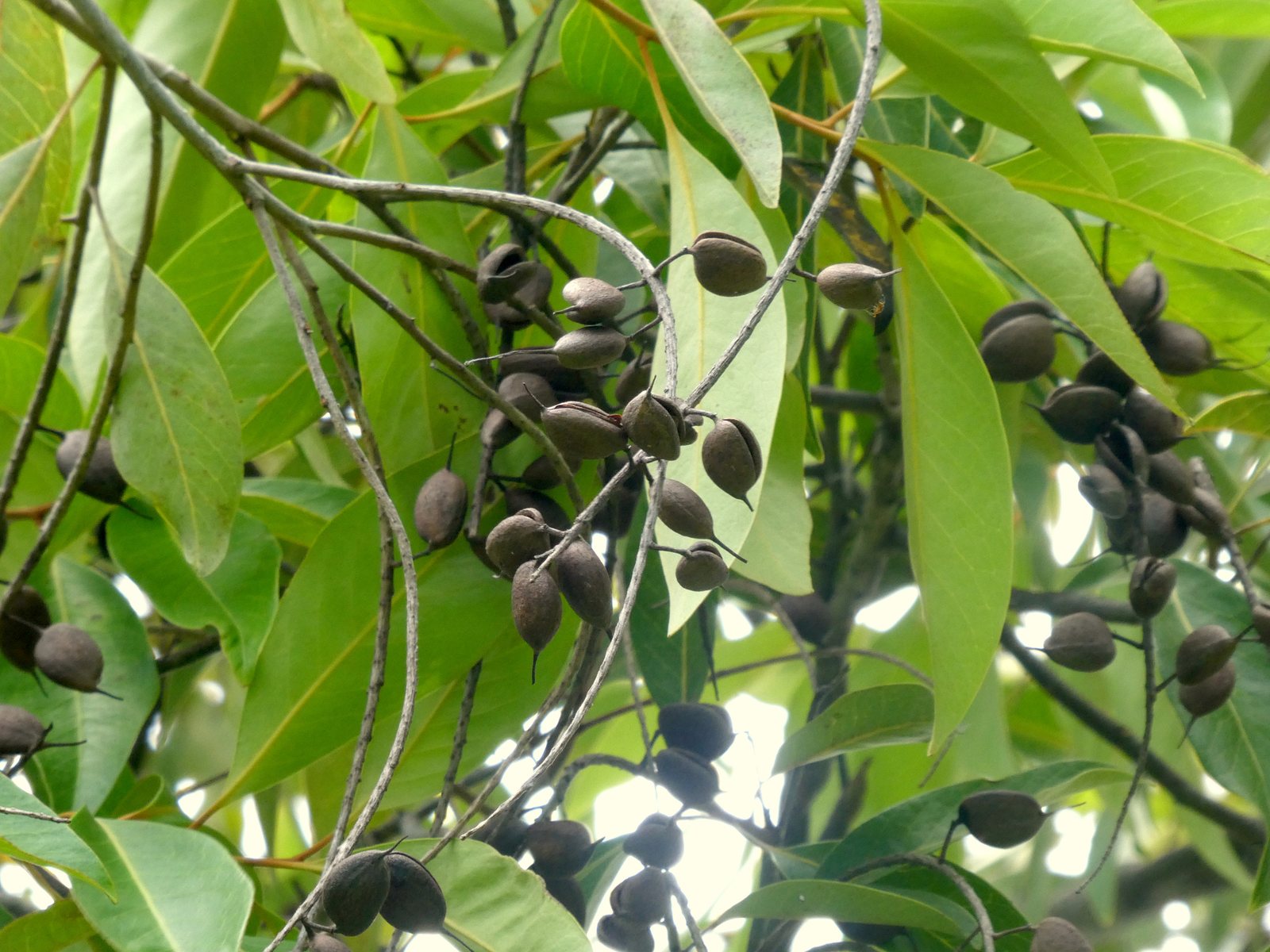
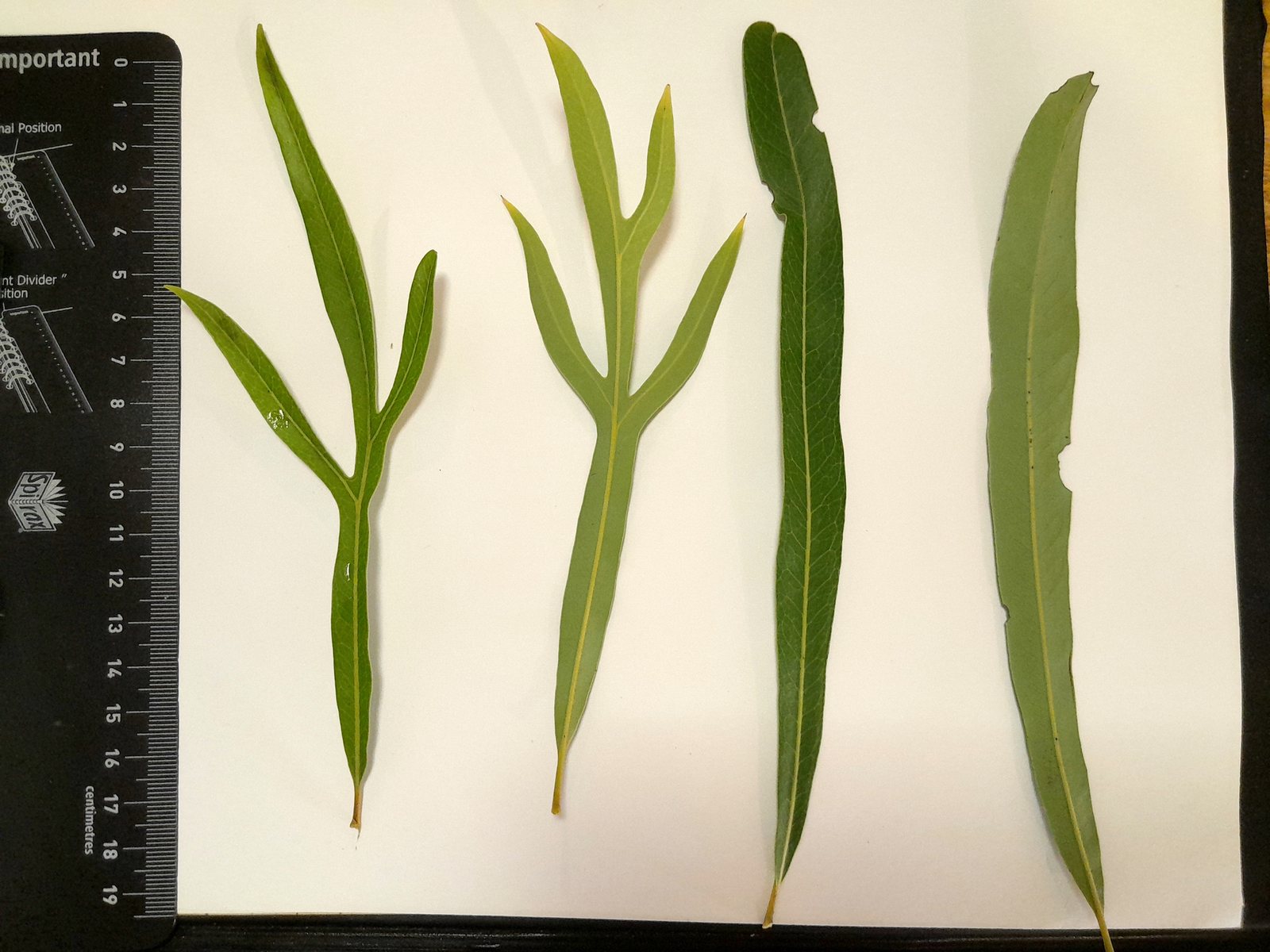
- Evergreen. Glossy, leathery, dark green leaves with paler undersides; young growth is often bronze, and juvenile leaves may be lobed.
- Growth
- Moderate in warm conditions with adequate moisture.
- Care needed
- Low
The year at a glance
- Pollinators
- Heat tolerant
- Wildlife
- Low allergen
- Fragrant
| J | F | M | A | M | J | J | A | S | O | N | D | |
|---|---|---|---|---|---|---|---|---|---|---|---|---|
| Flowers | ||||||||||||
| Plant |
Northern hemisphere months. In Australia, shift them by six.
- Difficulty
- Hard
- Toughness
- Fairly tough
Will it suit your garden?
Pick your zone, country, light and whether you have pets.
Full sun is 6 or more hours of direct sun a day, part shade 3 to 6 hours, shade under 3.
How it grows
Planting day
7 ft (2 m)
After 1 year
8 ft (2.3 m)
After 2 years
9 ft (2.6 m)
After 3 years
10 ft (2.9 m)
After 5 years
11 ft (3.5 m)
About 20 years to full size.
From a typical nursery size, at an average rate for this kind of plant. A rule of thumb, not a forecast.
Good to know
- Cats and dogs
- Safe
- Native to
- Australia
- Growth rate
- Moderate
Care
Jobs through the year
- WaterApr–May, Sep–Oct, every 14 days
- Deep-water established ground plants when soil begins drying; young trees and pots need more frequent checks.
- WaterJun–Aug, every 7 days
- Water established ground plants deeply during dry weather without keeping the roots saturated.
- WaterJan–Mar, Nov–Dec, every 14 days
- Check sheltered pots and water sparingly as the surface dries; do not leave pots standing in water.
- FeedApr–May
- If growth is weak, apply a light dose of low-phosphorus Australian native-plant fertiliser.
- MulchMay
- Refresh organic mulch over the root zone, leaving the trunk clear.
- PruneSep–Oct
- After flowering, remove damaged branches and lightly shape young trees; avoid hard cutting.
- ProtectJan–May, Sep–Dec
- Unsuitable for permanent outdoor planting in zone 6–7; provide a bright frost-free conservatory with space to grow.
- Water deeply through the first two growing seasons, allowing the surface soil to begin drying between waterings.
- Spread organic mulch over the root zone, keeping it clear of the trunk.
- If growth is weak, apply a low-phosphorus fertiliser formulated for Australian native plants in spring.
- Protect young trees from frost and cold winds; choose a naturally warm, sheltered planting site.
- Stake only where needed for stability, and remove ties once the roots hold the tree firmly.
Pruning. Prune lightly after flowering to remove damaged branches and develop a balanced crown. Train young trees to a clear trunk if needed, rather than repeatedly cutting back a mature tree.
Through the year
- Spring
- Plant once frost risk has passed and the soil is warming; water the root ball and surrounding soil thoroughly.
- Spring
- Refresh mulch and apply low-phosphorus native-plant fertiliser only if needed.
- Summer
- Check soil moisture during hot weather and water young trees deeply before the root ball dries out.
- Late summer
- Enjoy the flower spikes and check for scale insects or sticky honeydew on the foliage.
- Autumn
- After flowering finishes, remove damaged growth and lightly shape young trees if necessary.
- Winter
- Protect young trees during forecast frosts and check that soil drains freely after heavy rain.
In the garden
- Use as a flowering specimen in a warm lawn or broad planting bed, allowing room for its mature crown.
- Plant beside a terrace for evergreen shade, leaving enough distance for the trunk and canopy to develop.
- Combine with Australian rainforest plants for a layered, sheltered garden.
- Underplant with shade-tolerant foliage plants to contrast with its glossy leaves and pale flowers.
Garden styles it suits: Australian native, Modern tropical, Tropical, Woodland, White garden and Wildlife garden.
Plant it with: Lomandra, Native violet, Bird's nest fern, Clivia and Blueberry ash.
Wildlife: The nectar-bearing flowers attract bees, other insects and nectar-feeding birds, particularly in Australia. Its evergreen canopy provides shelter for small birds.
Problems to watch for
- Yellow leaves and weak growth in alkaline soil: check soil pH and drainage; use a suitable acidic planting site rather than repeatedly treating symptoms.
- Root decline in waterlogged soil: improve drainage before planting and avoid frequent watering when the soil remains wet.
- Scale insects and associated sooty mould: inspect stems and leaf undersides, control attending ants, and treat accessible infestations with horticultural oil according to the label.
- Frost-scorched foliage or shoot dieback: protect young trees and wait until spring growth starts before removing damaged wood.
Safety
Not known to be toxic to people, cats, dogs or horses, but species-specific safety information is limited. No part should be treated as edible, and pets should be discouraged from chewing the leaves or seeds.
Easily confused with
Macadamia (Macadamia integrifolia)
Macadamia also has glossy leaves and pale flower racemes, but its leaves are usually arranged in groups of three and it develops round nuts in green husks.
Silky oak (Grevillea robusta)
Silky oak has deeply divided, fern-like leaves and golden-orange flowers; ivory curl tree has mostly undivided adult leaves and ivory-white flower spikes.
The name
Buckinghamia honours the Duke of Buckingham, celsissima means 'very tall', and the common name describes the ivory-coloured, curling flower parts.
Propagation. Raise from fresh seed in a warm, freely draining seed mix. Semi-ripe cuttings can also be tried with bottom heat and high humidity, but rooting is less dependable.
Checked against open data
- Accepted botanical name
- Buckinghamia celsissima
- Native range
- Queensland.
- Measured
- Average height 2300 cm.
Sources: GBIF (CC BY 4.0) and Trefle (CC BY 4.0). The care and design notes are LandscapeGPT's own.
See it in your own yard.
Upload a photo of your yard and see it redesigned with plants that suit your climate, each checked against your zone.