Julia Phelps ceanothus
Ceanothus 'Julia Phelps'. Family Rhamnaceae. Shrub.
Also called Julia Phelps California lilac.
An evergreen California native hybrid with small, dark leaves and a dense covering of deep blue-purple flowers in spring. Grow it as a flowering specimen or informal screen in sunny, well-drained gardens; it performs best where summers are dry and winters are relatively mild.
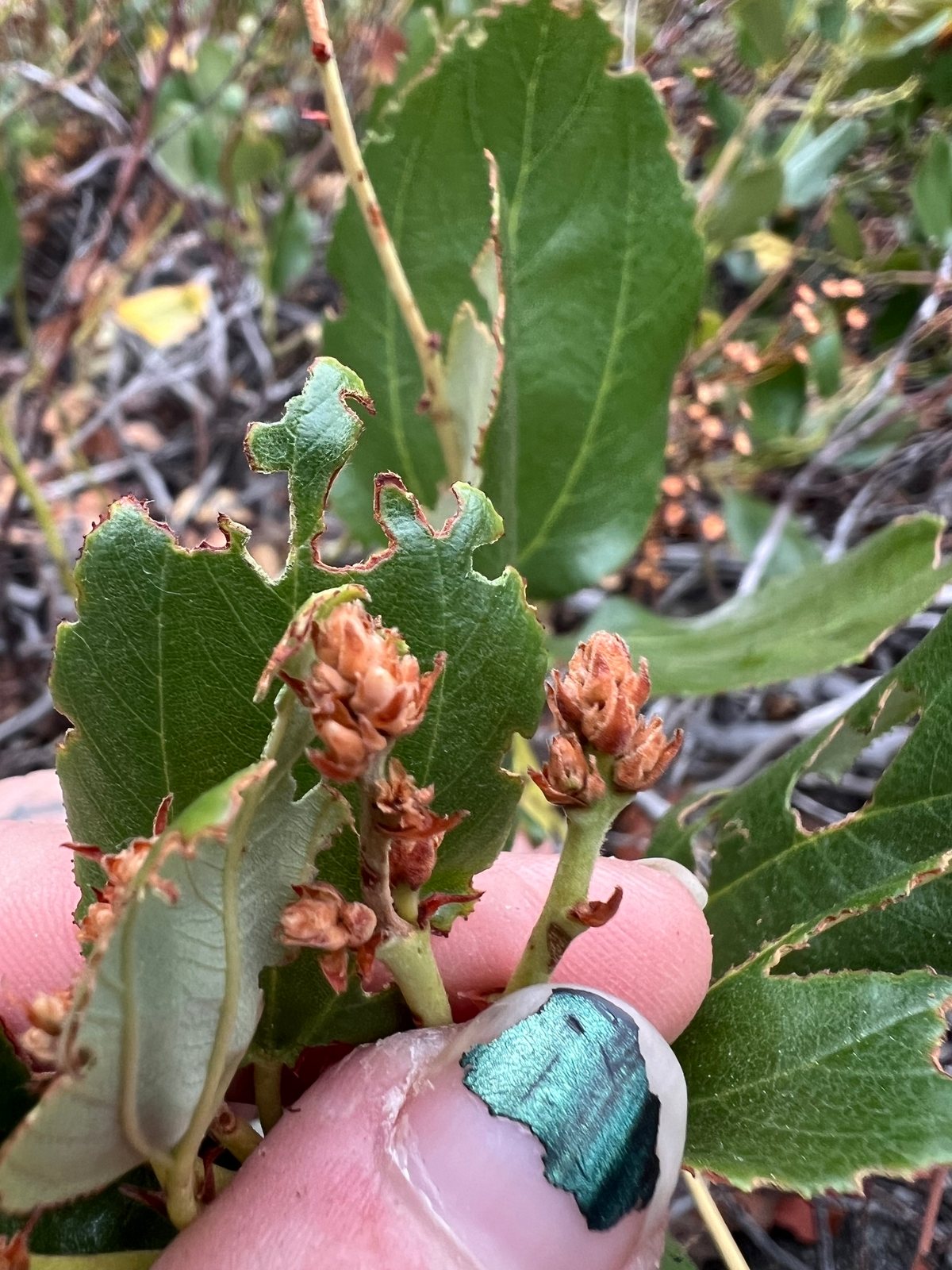
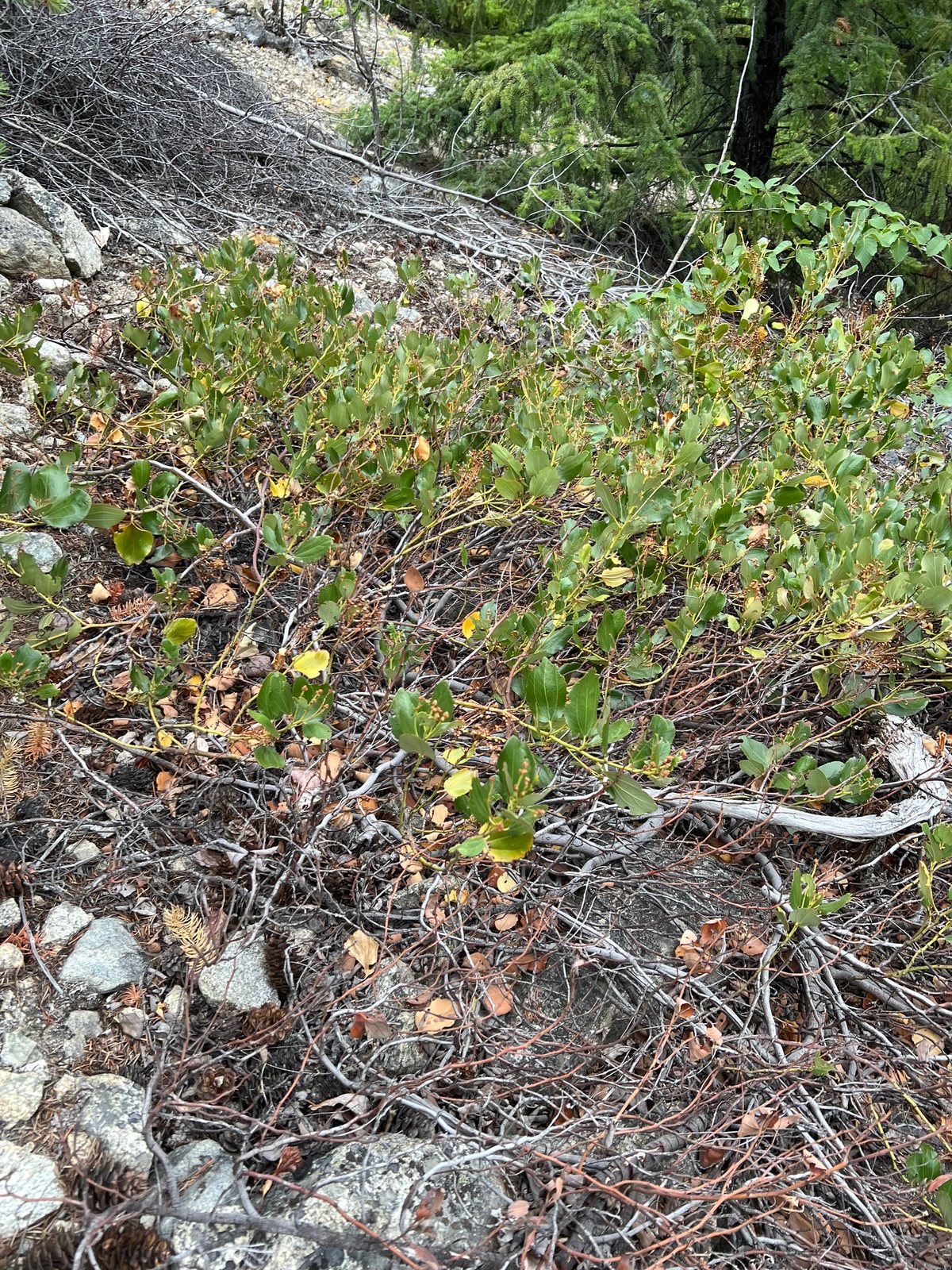
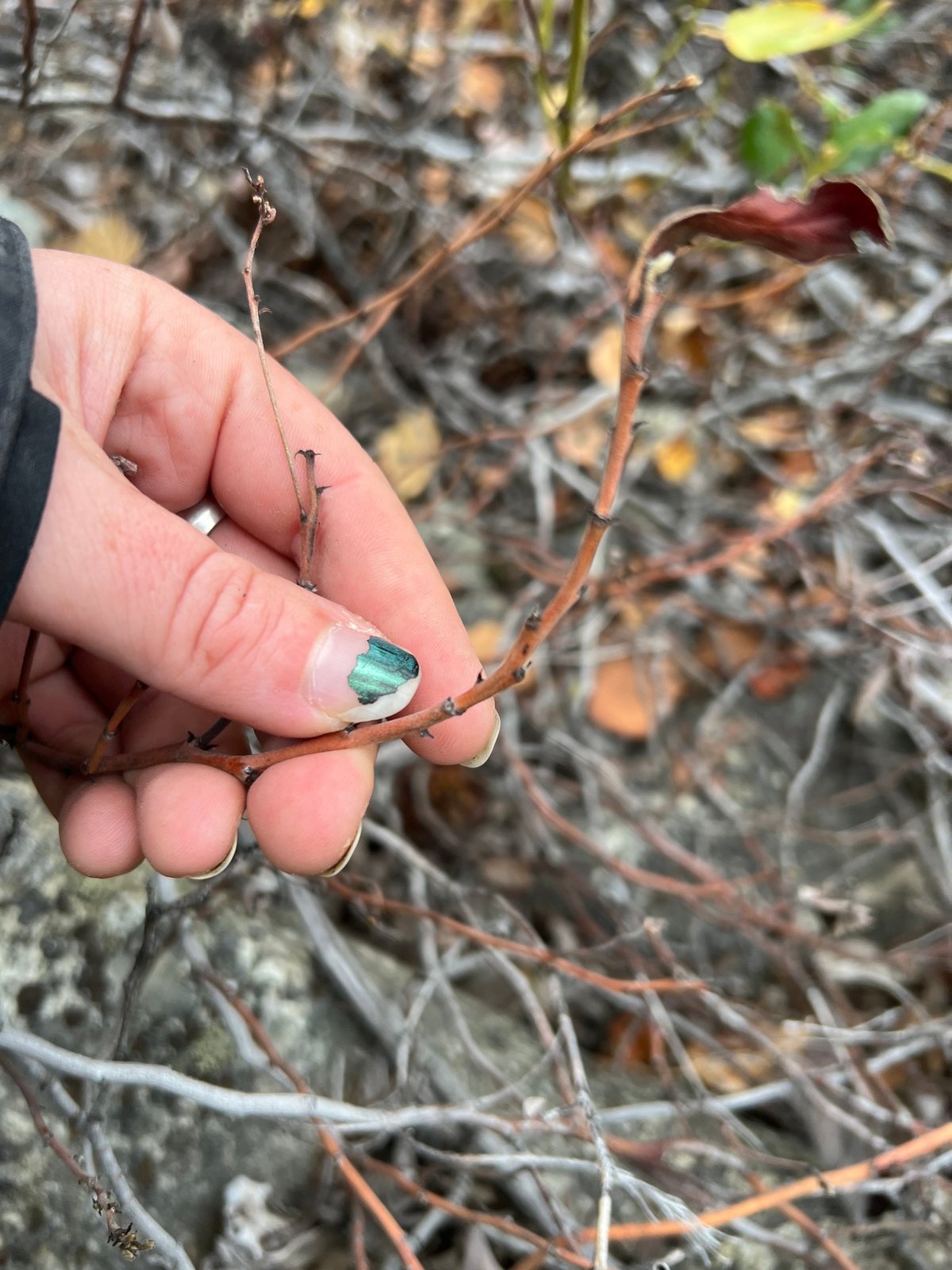
At a glance
- Sun
- Full sun; tolerates light afternoon shade in hot inland gardens.
- Water
- Low once established. Water deeply during establishment, then allow the soil to dry between waterings; avoid frequent summer irrigation.
- Soil
- Well-drained sandy, gravelly or loamy soil. Avoid waterlogged ground and heavily enriched planting holes.
- Height
- 6-8 ft (1.8-2.4 m)
- Spread
- 6-10 ft (1.8-3 m)
- Flowers
- Dense clusters of deep blue-purple flowers in spring, sometimes extending into early summer in cooler climates.
- Foliage
- Evergreen. Small, dark green leaves with a strongly wrinkled surface and toothed edges; aromatic when crushed.
- Growth
- Moderate to fast in suitable conditions.
- Care needed
- Low
The year at a glance
- Pollinators
- Drought tolerant
- Heat tolerant
- Wildlife
- Low allergen
| J | F | M | A | M | J | J | A | S | O | N | D | |
|---|---|---|---|---|---|---|---|---|---|---|---|---|
| Flowers | ||||||||||||
| Plant |
Northern hemisphere months. In Australia, shift them by six.
- Difficulty
- Hard
- Toughness
- Fairly tough
Will it suit your garden?
Pick your zone, country, light and whether you have pets.
Full sun is 6 or more hours of direct sun a day, part shade 3 to 6 hours, shade under 3.
How it grows
Planting day
1.6 ft (0.5 m)
After 1 year
3 ft (0.9 m)
After 2 years
4 ft (1.3 m)
After 3 years
6 ft (1.7 m)
After 5 years
7 ft (2.1 m)
full size
About 4 years to full size.
From a typical nursery size, at an average rate for this kind of plant. A rule of thumb, not a forecast.
Good to know
- Cats and dogs
- Safe
- Growth rate
- Fast
Care
Jobs through the year
- WaterApr–May, Sep–Oct, every 21 days
- Water established shrubs only if dry; check new plants more frequently during their first growing season.
- WaterJun–Aug, every 28 days
- Give established plants a deep soak only during prolonged drought with visible stress.
- PruneMay–Jun
- Lightly trim immediately after flowering, cutting only into leafy growth.
- MulchApr
- Maintain a light mulch over roots without covering the crown or stems.
- ProtectJan–Apr, Oct–Dec
- Not reliably hardy in zones 6–7; use a movable container with bright, frost-free winter shelter.
- Plant in autumn in mild climates or in spring where winters are colder, with the root crown at soil level.
- Water deeply through the first growing season as needed, letting the soil partly dry between waterings.
- Once established, avoid routine summer watering; give occasional deep water only during prolonged drought if the plant shows stress.
- Do not routinely fertilize or add rich manure; excessive feeding encourages soft growth.
- Keep mulch clear of the stems and leave enough space for its mature width.
Pruning. Immediately after flowering, lightly shorten leafy shoots to shape the shrub. Avoid hard renovation pruning or cutting into bare old wood, which often fails to reshoot.
Through the year
- Spring
- Plant in colder parts of its range once severe frost has passed, and water new plants thoroughly.
- Late spring
- After flowering, lightly trim wayward leafy shoots without cutting into bare wood.
- Summer
- Check newly planted shrubs for dry soil; keep established plants away from regular lawn or border irrigation.
- Autumn
- Plant in mild regions while the soil is warm and seasonal rain is returning.
- Winter
- Check that water drains away from the root crown; gently remove heavy snow before branches split.
In the garden
- Use as a spring-flowering specimen against a plain wall or evergreen backdrop.
- Plant as an informal screen along a sunny boundary, allowing room for its broad outline.
- Combine with rockrose, lavender and other dry-summer shrubs in a gravel garden.
- Place on a well-drained bank with California native perennials for seasonal colour and pollinator habitat.
Garden styles it suits: California native, Mediterranean, Desert / xeriscape, Dry gravel garden, Pollinator garden and Coastal.
Plant it with: California buckwheat, Cleveland sage, Manzanita, Rockrose, Lavender and California poppy.
Wildlife: Flowers attract bees and other pollinating insects. The dense evergreen branches provide shelter for small birds.
Problems to watch for
- Root and crown rot in wet soil: improve drainage before planting, keep the crown uncovered and avoid frequent irrigation.
- Winter burn or frost damage: choose a sheltered position out of cold drying winds and wait until spring growth begins before removing damaged shoots.
- Scale insects: inspect stems and leaf undersides; remove small infestations by hand and use a labelled treatment only if necessary.
- Dieback after hard pruning: trim only into leafy growth; replace a badly overgrown shrub rather than trying to renovate it severely.
Safety
Not known to be toxic to people, cats, dogs or horses. No part is regarded as a significant poisoning hazard, but it is an ornamental plant rather than a food plant.
Easily confused with
Concha ceanothus (Ceanothus 'Concha')
Usually has larger, less deeply wrinkled leaves and a more open, arching outline; Julia Phelps has particularly small, puckered leaves.
Carmel creeper (Ceanothus griseus var. horizontalis)
Forms a low, spreading groundcover with broader leaves rather than the tall, rounded shrub made by Julia Phelps.
Blueblossom (Ceanothus thyrsiflorus)
Typically has larger, less puckered leaves and a taller habit, with flowers often a lighter blue.
The name
Ceanothus comes from the ancient Greek name keanothos, originally used for a different spiny shrub.
Propagation. Take semi-ripe cuttings in summer and root them in a free-draining medium with gentle humidity. Seedlings will not reliably reproduce this named cultivar.
Checked against open data
- Accepted botanical name
- Ceanothus
Sources: GBIF (CC BY 4.0). The care and design notes are LandscapeGPT's own.
See it in your own yard.
Upload a photo of your yard and see it redesigned with plants that suit your climate, each checked against your zone.