Lemongrass
Cymbopogon citratus. Family Poaceae. Ornamental grass.
Also called West Indian lemongrass, Cochin grass.
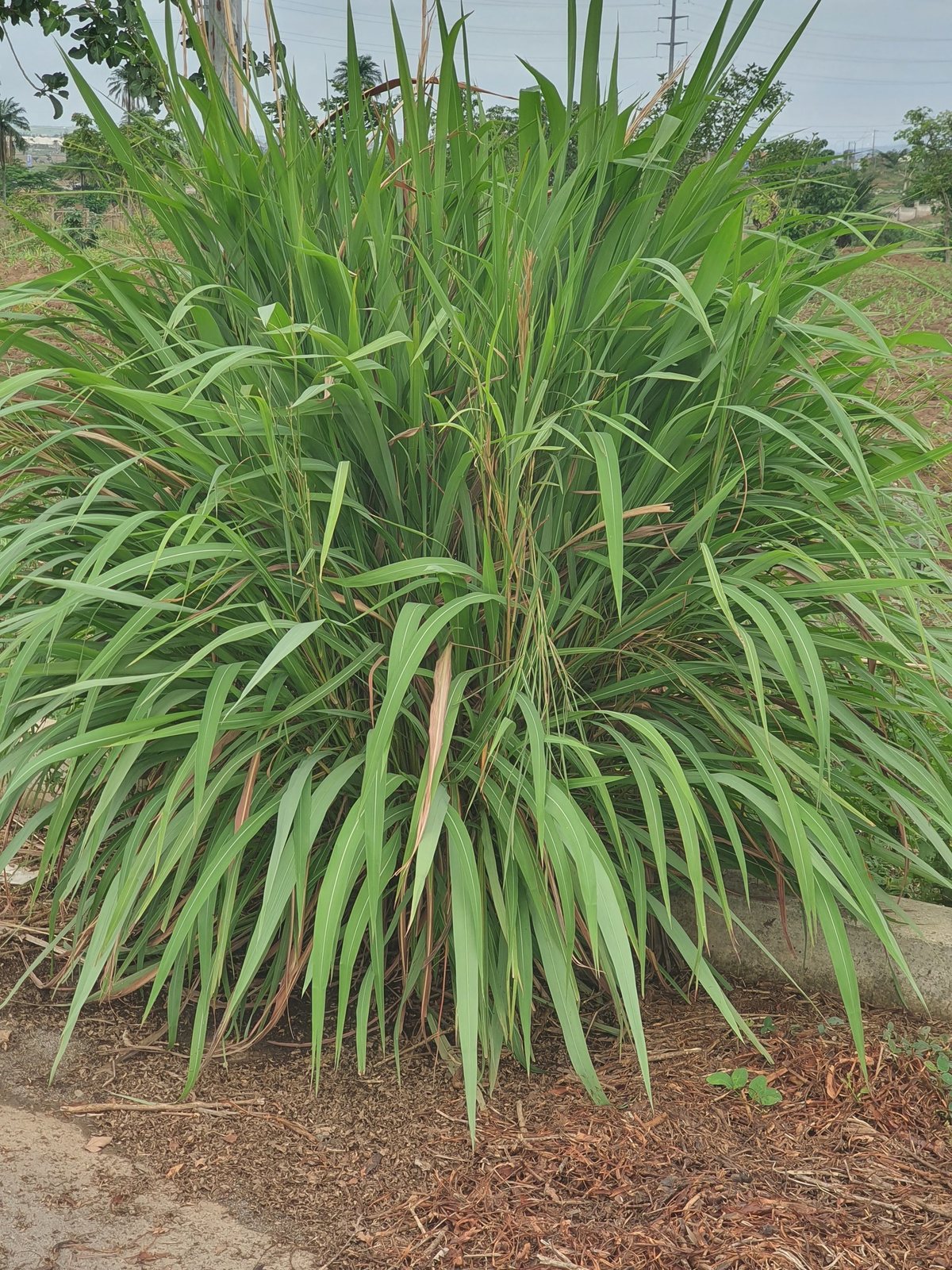
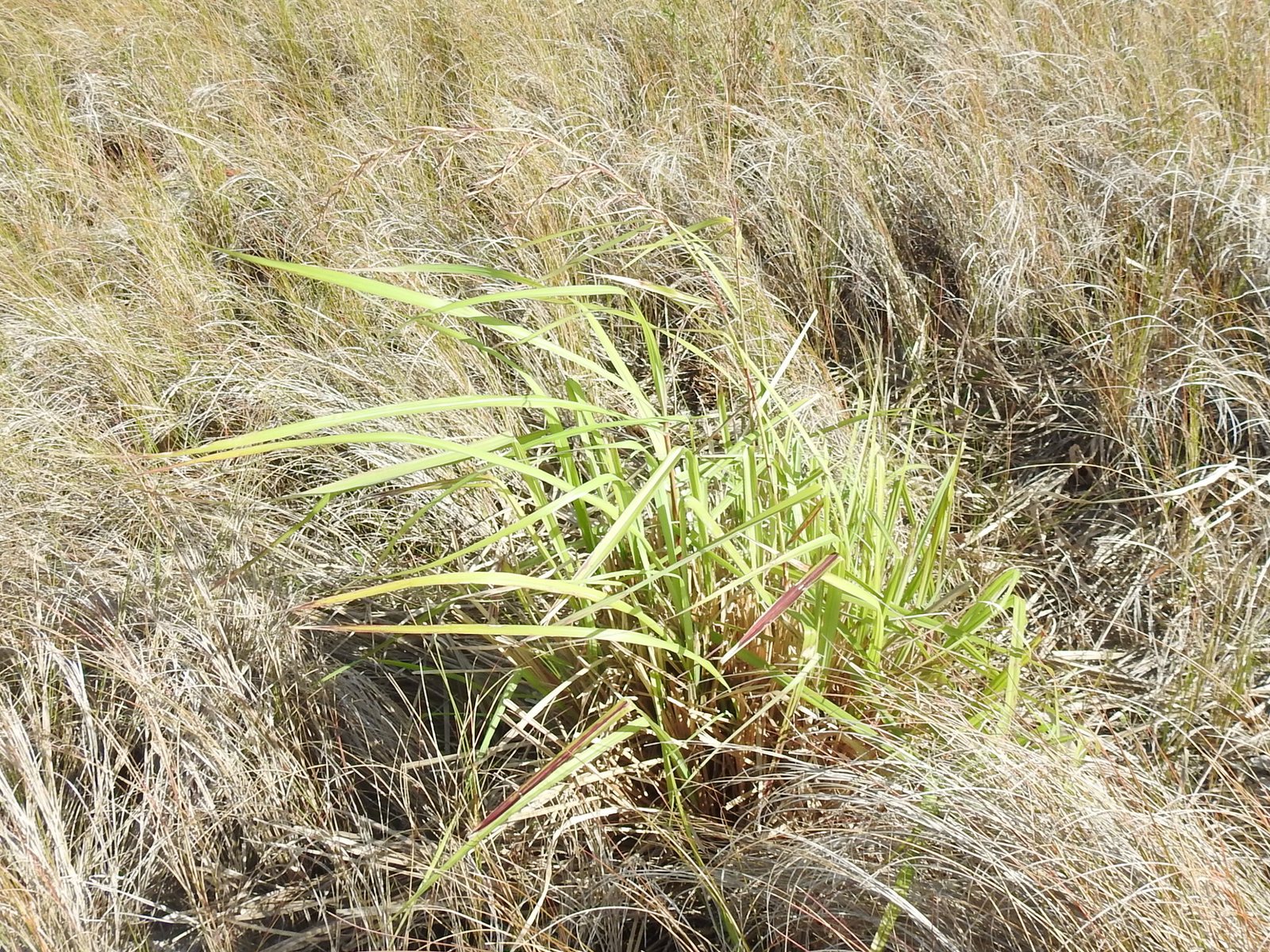
Lemongrass is a tropical, clump-forming grass grown for its lemon-scented leaves and thick, edible stem bases. It provides arching foliage for herb beds and containers, growing fastest in hot weather. Where winters bring frost, grow it as an annual or move a container indoors before cold weather.
At a glance
- Sun
- Full sun, ideally at least 6 hours daily; tolerates light afternoon shade in very hot climates.
- Water
- Water regularly during active growth, keeping the root zone moist but not waterlogged. Containers may need daily watering in hot weather; water much less during cool indoor overwintering.
- Soil
- Fertile, moisture-retentive but well-drained soil. Use a container with drainage holes and a good-quality potting mix.
- Height
- 3-5 ft (0.9-1.5 m)
- Spread
- 2-3 ft (0.6-0.9 m)
- Foliage
- Evergreen. Long, narrow, arching green to blue-green blades with sharp edges and a strong lemon scent when crushed; overlapping leaf sheaths form thick, pale stem bases.
- Growth
- Fast in warm weather; slow in cool conditions.
- Care needed
- Medium
The year at a glance
- Heat tolerant
- Fragrant
- Edible
| J | F | M | A | M | J | J | A | S | O | N | D | |
|---|---|---|---|---|---|---|---|---|---|---|---|---|
| Fruit | ||||||||||||
| Plant |
Northern hemisphere months. In Australia, shift them by six.
- Difficulty
- Moderate
- Toughness
- Needs looking after
Will it suit your garden?
Pick your zone, country, light and whether you have pets.
Full sun is 6 or more hours of direct sun a day, part shade 3 to 6 hours, shade under 3.
How it grows
Planting day
1.1 ft (0.35 m)
After 1 year
2.3 ft (0.69 m)
After 2 years
3 ft (1 m)
After 3 years
4 ft (1.2 m)
full size
About 3 years to full size.
From a typical nursery size, at an average rate for this kind of plant. A rule of thumb, not a forecast.
Good to know
- Cats and dogs
- Toxic
- Growth rate
- Moderate
Care
Jobs through the year
- WaterMay, Sep, every 7 days
- For established outdoor ground-grown clumps, water as the surface dries; young plants and containers need more.
- WaterJun–Aug, every 3 days
- Keep established ground-grown clumps moist, not soggy; adjust for rain and check pots daily in heat.
- WaterJan–Apr, Oct–Dec, every 14 days
- For frost-free overwintered plants, water sparingly when the surface dries; never leave pots standing in water.
- FeedMay–Aug, every 30 days
- Feed container plants with balanced liquid fertiliser at label strength; ground-grown plants usually need only spring compost.
- MulchMay
- Apply compost around outdoor clumps, keeping it away from stem bases.
- PruneMar–Apr
- Remove dead blades and shorten damaged foliage to 15–30 cm without cutting into crowns; wear gloves.
- DivideApr–May
- Divide crowded overwintered clumps as fresh growth resumes, keeping divisions warm.
- HarvestJul–Oct, every 7 days
- Pick leaves as needed and cut firm outer stalks at least 1 cm thick at the base, leaving central shoots.
- ProtectSep–Oct
- Before cold nights, pot up a division or move the whole plant into bright frost-free shelter.
- ProtectMay
- Harden off gradually and plant outside only after frost risk passes and nights remain warm.
- Plant out after frost danger has passed and nights are consistently warm.
- Water deeply whenever the soil surface begins to dry; empty standing water from container saucers.
- Feed container plants monthly during active growth with a balanced liquid fertiliser at the label rate.
- Apply compost around outdoor clumps in spring, keeping it clear of the stem bases.
- Bring pots into a bright, frost-free place before autumn nights become cold.
- Divide crowded clumps in spring as growth resumes.
Pruning. Remove dead blades and harvest outer stems at the base throughout warm weather, wearing gloves against the sharp leaf edges. In spring, shorten weather-damaged foliage to about 6-12 in (15-30 cm), without cutting into the growing crowns.
Harvest
Pick leaves as needed once the clump is about 30 cm (12 in) tall, and harvest outer stalks when their bases are firm and at least 1 cm (½ in) thick, usually 4–6 months after planting in warm conditions. Cut stalks close to soil level, leaving the central shoots to keep growing; use the tender lower portion for cooking and the leaves for tea or infusions.
Through the year
- Early spring
- Remove dead foliage and divide overwintered clumps once fresh growth starts.
- Late spring
- After frost danger has passed, gradually acclimatise indoor plants to outdoor sun and plant into warm soil.
- Summer
- Water regularly and feed container plants monthly while growth is vigorous.
- Midsummer
- Harvest thick outer stems by cutting them close to the base, leaving the centre to keep growing.
- Autumn
- In frost-prone climates, pot up a division or move the whole container into bright, frost-free shelter.
- Winter
- Keep sheltered plants in the brightest available position; reduce watering and stop feeding if growth pauses.
In the garden
- Use as a tall, arching centrepiece in a large patio container.
- Plant behind basil and chillies in a sunny edible border.
- Repeat clumps through tropical-style planting to contrast with broad leaves.
- Place near an outdoor kitchen for convenient harvesting, set back from paths because the blades can cut skin.
Garden styles it suits: Modern tropical, Tropical, Edible landscape, Potager (kitchen garden), Sensory garden and Modern courtyard.
Plant it with: Basil, Chilli peppers, Turmeric, Ginger, Swiss chard and Cannas.
Wildlife: Dense clumps can shelter small invertebrates, but flowering is uncommon in cultivation, so it offers little dependable nectar or pollen. A living plant does not reliably repel mosquitoes from the surrounding garden.
Problems to watch for
- Root and crown rot in cold, saturated soil: improve drainage, avoid standing water and reduce winter watering.
- Spider mites during indoor overwintering: inspect leaf undersides, rinse foliage and treat persistent infestations with insecticidal soap labelled for edible plants.
- Rust causing orange-brown pustules on leaves: remove affected blades, improve airflow and avoid wetting foliage when watering.
- Cold damage or failure to grow: protect from frost and wait for sustained warmth before planting outdoors.
Safety
Lemongrass is considered toxic to cats, dogs and horses if eaten. Leaves and stems can cause digestive upset in cats and dogs, and poisoning in horses can be serious; do not offer it as feed. Keep concentrated essential oil away from pets. For people, the stem bases and leaves are not known to be toxic in normal culinary amounts, but concentrated essential oil should not be swallowed. Leaf edges can cut skin, and the fibrous blades are usually removed after flavouring food.
Easily confused with
East Indian lemongrass (Cymbopogon flexuosus)
Also lemon-scented, but usually has less swollen stem bases and flowers more readily. Foliage alone is difficult to identify reliably; buy a labelled plant if you want the thick culinary bases of C. citratus.
Citronella grass (Cymbopogon nardus)
Usually forms a taller, coarser clump with reddish or purplish stem bases rather than the thick, pale culinary bases of lemongrass. Its scent is more citronella-like, and it is not a substitute for culinary lemongrass.
The name
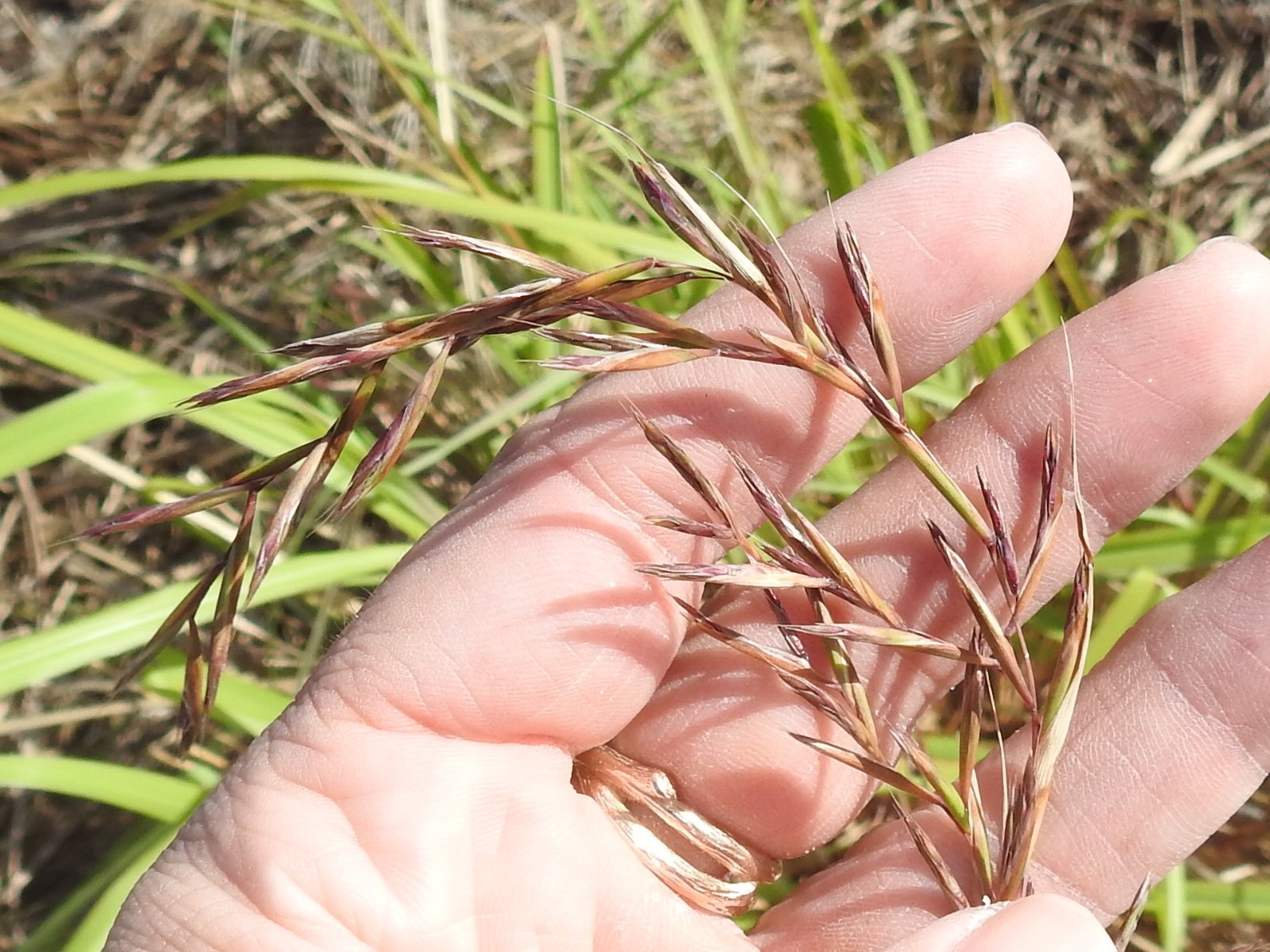
The name Cymbopogon combines Greek words meaning 'boat' and 'beard', referring to the flower structures, while citratus refers to the plant's citrus scent.
Propagation. Divide established clumps in spring, keeping several shoots and healthy roots on each division. Fresh culinary stalks with intact basal plates can sometimes be rooted in warmth, but trimmed or dried supermarket stalks may fail. Seed is rarely produced by this species in cultivation.
Checked against open data
- Accepted botanical name
- Cymbopogon citratus
- Native range
- India and Sri Lanka.
Sources: GBIF (CC BY 4.0) and Trefle (CC BY 4.0). The care and design notes are LandscapeGPT's own.
See it in your own yard.
Upload a photo of your yard and see it redesigned with plants that suit your climate, each checked against your zone.