Limber pine
Pinus flexilis. Family Pinaceae. Tree.
Also called Rocky Mountain white pine.
Limber pine is a slow-growing evergreen native to western North America, with blue-green needles and unusually flexible young branches. Gardeners grow it for its rugged outline, year-round foliage and tolerance of cold, wind and dry, rocky ground; it is less suited to hot, humid climates.
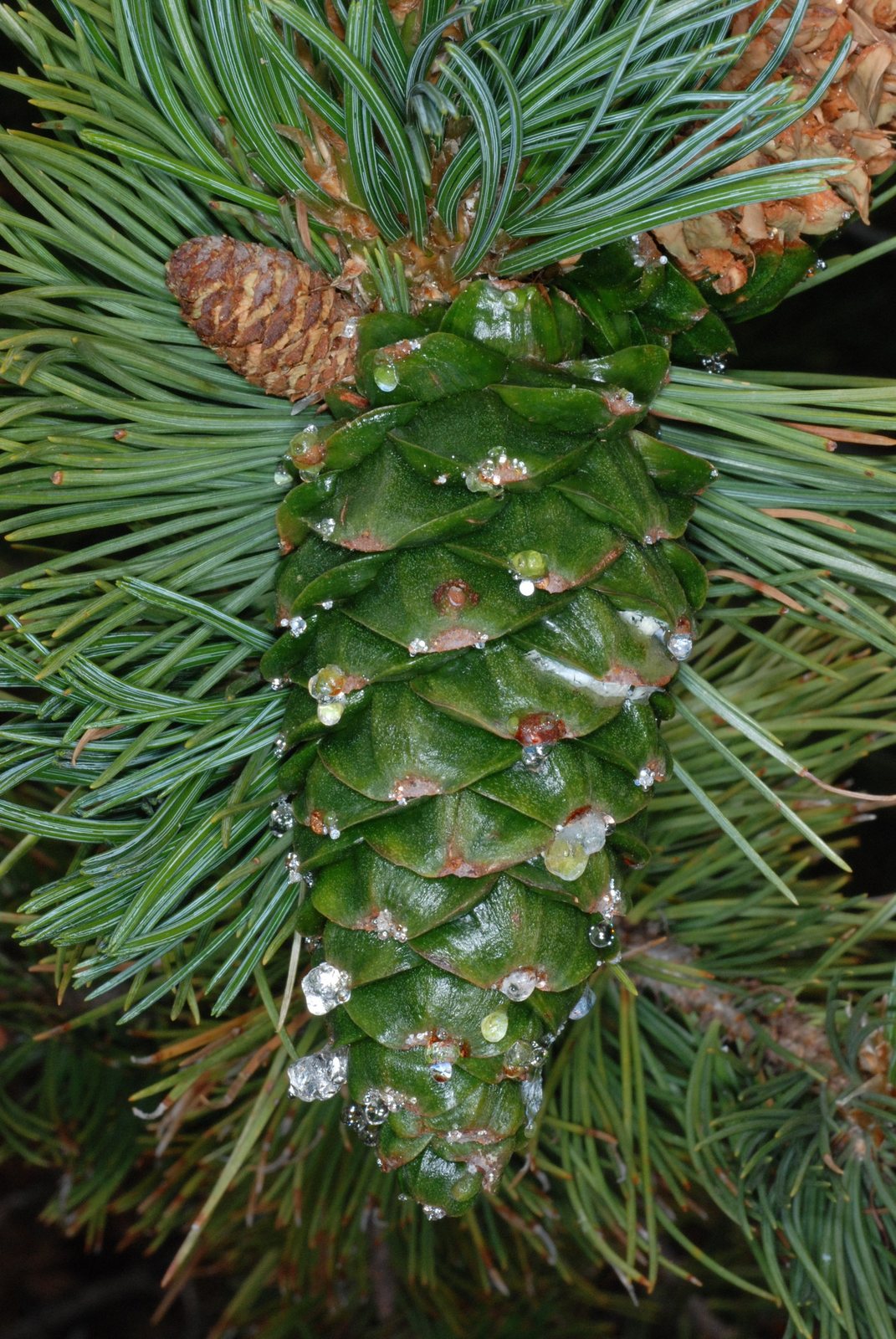
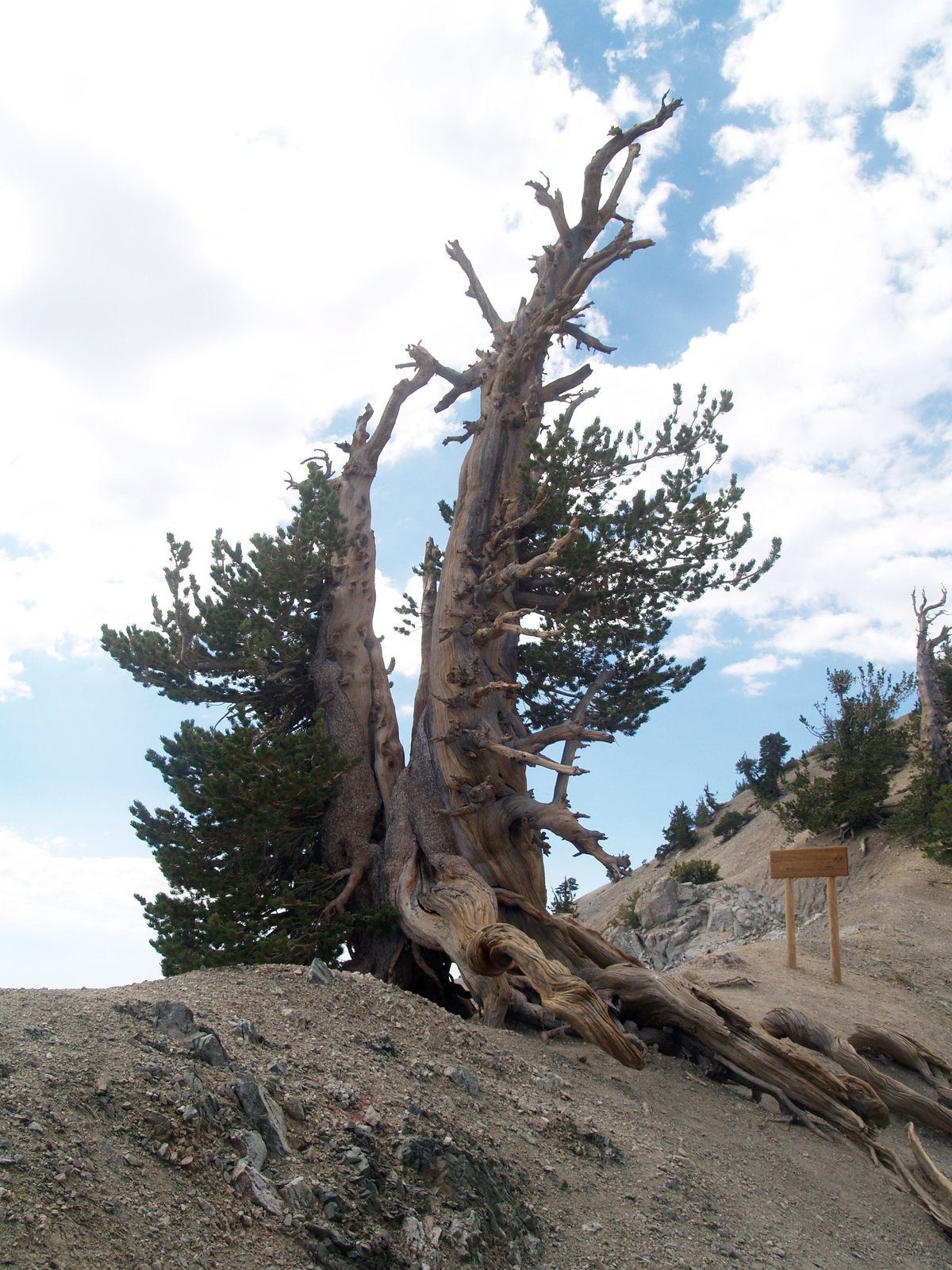
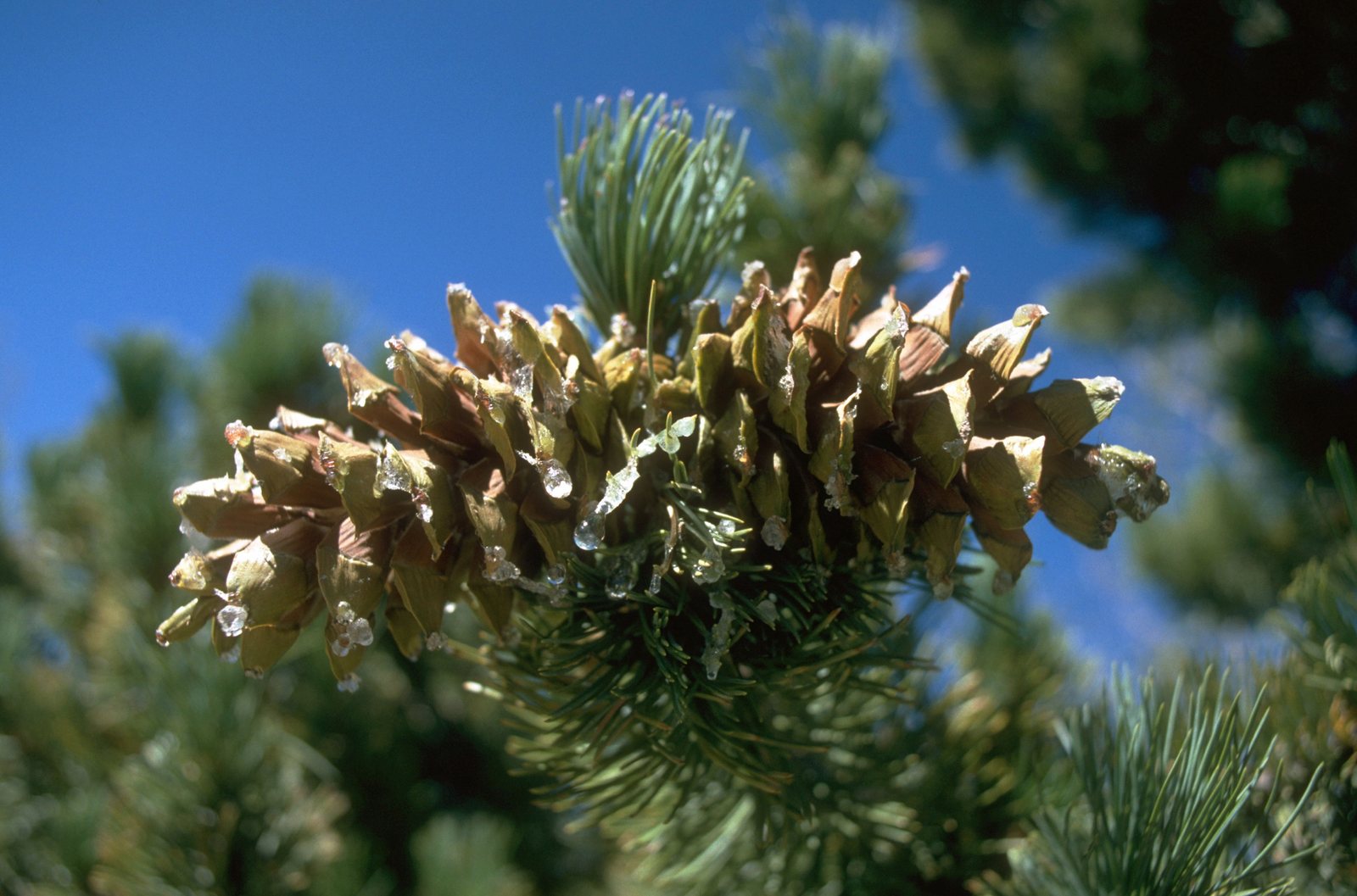
At a glance
- Sun
- Full sun; tolerates light shade but develops a denser crown in open light.
- Water
- Moderate while establishing; drought-tolerant once established. Avoid constantly wet soil.
- Soil
- Well-drained sandy, gravelly or rocky soil, from slightly acidic to alkaline. Poor drainage is a greater problem than low fertility.
- Height
- 30-50 ft (9-15 m), occasionally taller
- Spread
- 15-30 ft (4.5-9 m)
- Foliage
- Evergreen. Dark green to blue-green needles in bundles of five, usually 2-3.5 in (5-9 cm) long. Young trees are broadly pyramidal; older trees develop more open, irregular crowns.
- Growth
- Slow, commonly 6-12 in (15-30 cm) a year under garden conditions.
- Care needed
- Low
The year at a glance
- Drought tolerant
- Cold hardy
- Wildlife
| J | F | M | A | M | J | J | A | S | O | N | D | |
|---|---|---|---|---|---|---|---|---|---|---|---|---|
| Fruit | ||||||||||||
| Plant |
Northern hemisphere months. In Australia, shift them by six.
- Difficulty
- Easy
- Toughness
- Very tough
Will it suit your garden?
Pick your zone, country, light and whether you have pets.
Full sun is 6 or more hours of direct sun a day, part shade 3 to 6 hours, shade under 3.
How it grows
Planting day
7 ft (2 m)
After 1 year
8 ft (2.3 m)
After 2 years
9 ft (2.6 m)
After 3 years
10 ft (2.9 m)
After 5 years
12 ft (3.6 m)
About 32 years to full size.
From a typical nursery size, at an average rate for this kind of plant. A rule of thumb, not a forecast.
Good to know
- Cats and dogs
- Mildly toxic: may upset a stomach
- Native to
- the US and Canada
- Growth rate
- Slow
Care
Jobs through the year
- WaterApr–May, Sep–Oct, every 28 days
- Water established trees only during prolonged drought; young trees need more frequent deep watering.
- WaterJun–Aug, every 21 days
- Deep-water established trees during prolonged drought, allowing soil to dry between waterings.
- MulchApr, Oct
- Check and replenish organic mulch to 5–8 cm, keeping the trunk clear.
- PruneFeb–Mar
- In dry weather, remove damaged or crossing branches only as needed; preserve the main leader.
- ProtectJan–Feb, Nov–Dec
- Keep de-icing salt and salt-contaminated snow away from the root zone.
- Plant with the root flare at soil level, allowing enough space for the full-sized tree rather than relying on pruning.
- Water deeply during dry spells for the first two or three growing seasons; let the surface soil dry between waterings.
- Spread 2-3 in (5-8 cm) of mulch over the root area, keeping it clear of the trunk.
- Avoid routine feeding; fertilize only if a soil test identifies a deficiency.
- Stake only if the root ball moves in wind, and remove supports after the first growing season.
Pruning. Prune only to remove dead, damaged or crossing branches, preferably in late winter during dry weather. Preserve the main leader and do not cut back into bare old wood, which rarely produces new shoots.
Through the year
- Late winter
- Remove dead or damaged branches and check that ties or guards are not constricting the trunk.
- Spring
- Plant container-grown trees once the ground is workable, keeping the root flare exposed.
- Late spring
- Inspect new shoots and needles for aphids, scale insects and unusual browning.
- Summer
- Water young trees deeply during prolonged dry weather; avoid frequent shallow watering.
- Autumn
- Refresh mulch and water young trees before the ground freezes if autumn has been dry.
- Winter
- Keep de-icing salt away from the root area and avoid piling salt-contaminated snow around the tree.
In the garden
- Use as a specimen in a sunny lawn or gravel garden, leaving room for its broad mature crown.
- Combine with junipers, boulders and drought-tolerant grasses for a mountain landscape.
- Plant in a loose group on a well-drained slope for year-round structure and shelter.
- Use its blue-green foliage as a quiet backdrop to flowering shrubs and perennials.
Garden styles it suits: Mountain lodge, Alpine rock garden, Desert / xeriscape, Wildlife garden, Winter interest and Low-maintenance.
Plant it with: Creeping juniper, Bearberry, Blue grama, Prairie dropseed, Sulphur buckwheat and Penstemon.
Wildlife: The large seeds feed nutcrackers, jays, squirrels and other wildlife. Birds use the evergreen branches for shelter and nesting, and seed-caching birds help disperse the tree.
Problems to watch for
- White pine blister rust can cause swollen, resinous branches and dieback. Have suspected infections assessed promptly; infected branches may be removable before the disease reaches the trunk, but trunk infections are often fatal.
- Bark beetles attack stressed trees, causing boring dust, resin patches and fading foliage. Reduce drought stress, avoid trunk injuries and seek local arboricultural advice quickly if an attack is suspected.
- Pine needle scale can produce white specks and thinning foliage. Confirm the pest, preserve beneficial insects and use a labelled treatment timed to the crawler stage if needed.
- Waterlogged roots cause yellowing, poor growth and root rot. Choose a freely drained site and correct excess irrigation rather than trying to compensate with fertilizer.
Safety
Not known to be toxic to people, cats or dogs, although swallowed needles can cause mouth or digestive irritation and resin can irritate skin. Safety for horses is not well established; keep needles and pruning waste out of feed and grazing areas.
Easily confused with
Whitebark pine (Pinus albicaulis)
Both have five needles per bundle, but whitebark pine has short, thick-scaled cones that usually remain closed. Limber pine has longer cones that open at maturity to release their seeds.
Eastern white pine (Pinus strobus)
Eastern white pine generally has longer, softer, more drooping needles and long, slender cones with relatively thin scales. Limber pine has stouter needles and broader, heavier-scaled cones.
The name
The name flexilis means flexible, referring to the pliable young branches that also give limber pine its common name.
Propagation. Usually grown from seed given a period of cold, moist stratification before sowing. Named cultivars are generally grafted by specialist nurseries; cuttings are difficult to root.
Checked against open data
- Accepted botanical name
- Pinus flexilis
- In the US and Canada
- Native in Canada and the lower 48 states.
- Native range
- Alberta, Arizona, British Columbia, California, Colorado, Idaho, Montana, Nebraska, Nevada, New Mexico, North Dakota and Oregon.
- Measured
- Soil pH 5.7 to 6.5. Average height 715 cm.
Sources: GBIF (CC BY 4.0), USDA PLANTS and Trefle (CC BY 4.0). The care and design notes are LandscapeGPT's own.
See it in your own yard.
Upload a photo of your yard and see it redesigned with plants that suit your climate, each checked against your zone.