Little Carlow aster
Symphyotrichum 'Little Carlow'. Family Asteraceae. Perennial.
Also called Aster 'Little Carlow', Symphyotrichum 'Little Carlow', Little Carlow Michaelmas daisy.
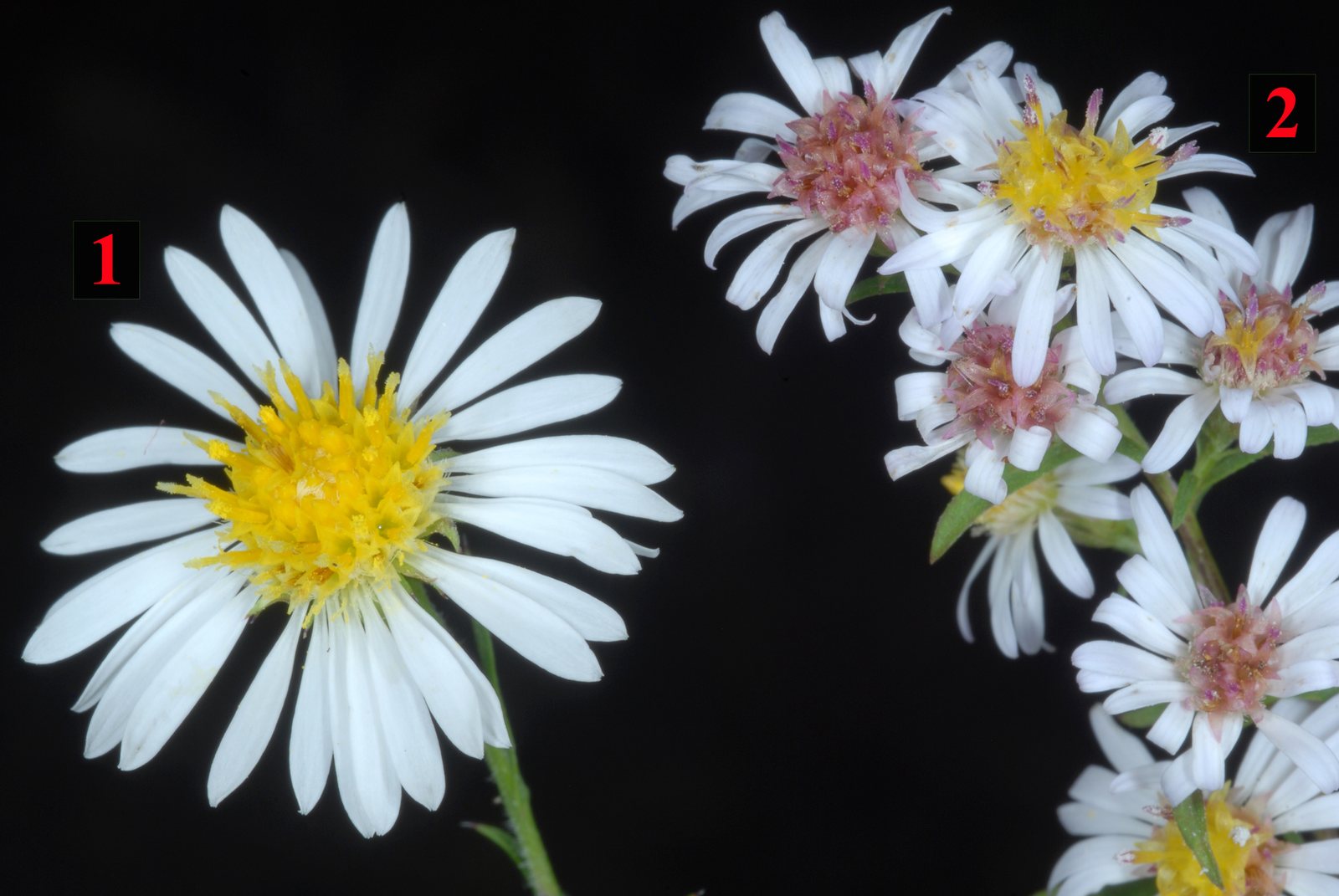
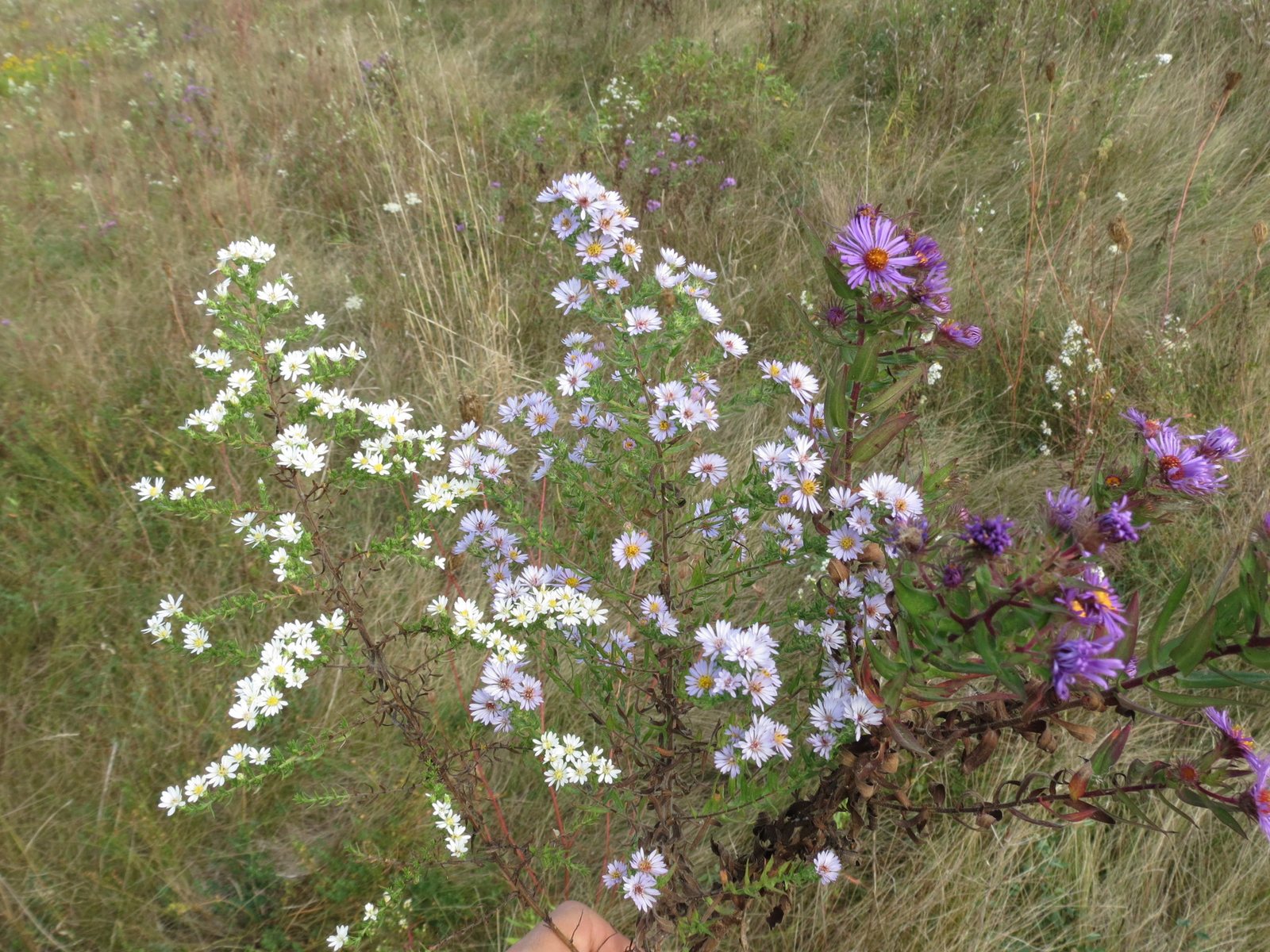
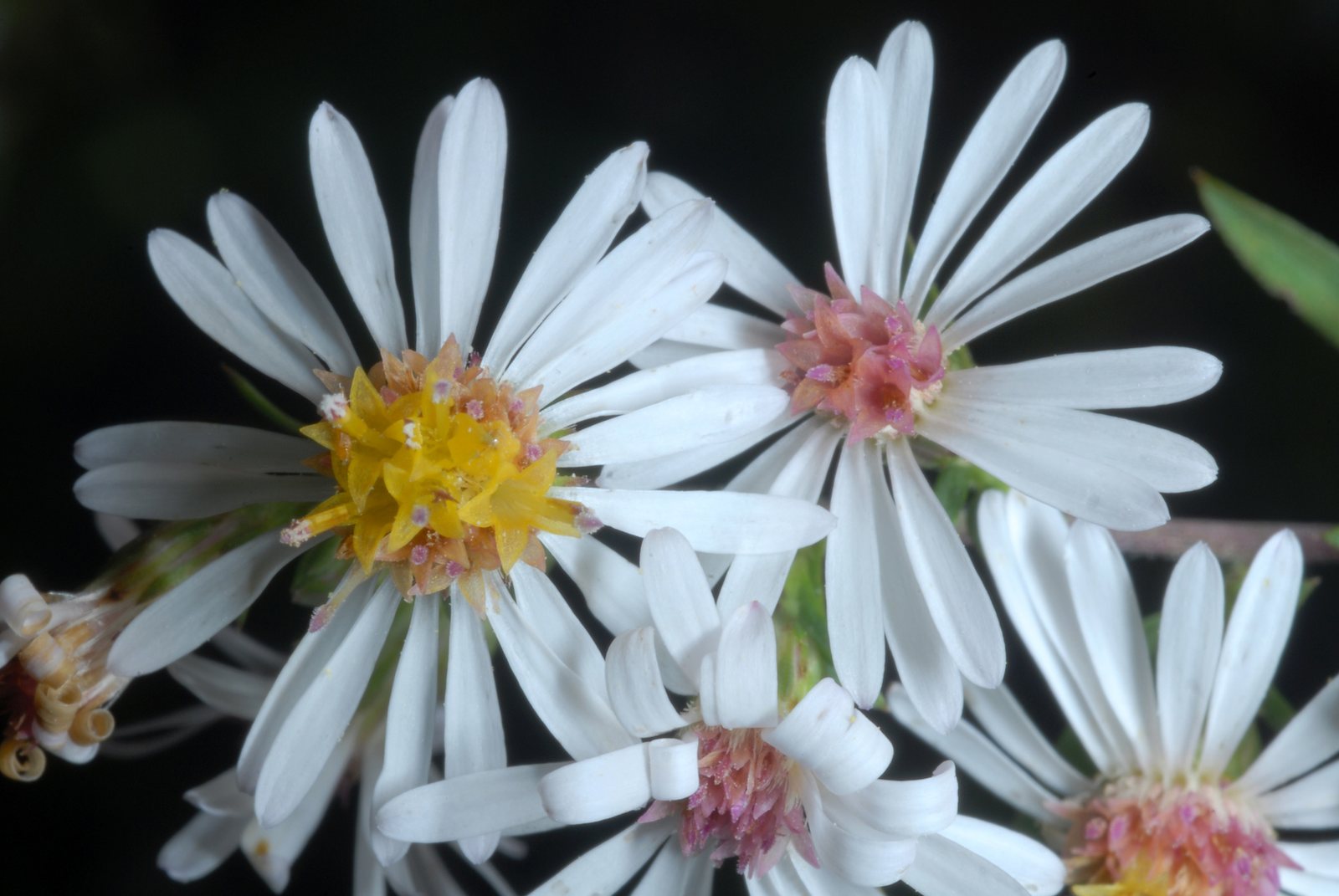
A clump-forming perennial grown for clouds of small violet-blue daisies with yellow centres in late summer and autumn. This cordifolium-type hybrid brings late colour to borders and provides nectar and pollen when many summer flowers have finished.
At a glance
- Sun
- Full sun to partial shade; flowers most heavily in sun, provided the soil does not dry out.
- Water
- Moderate; keep the root zone evenly moist during establishment and prolonged dry weather, without leaving it waterlogged.
- Soil
- Fertile, moisture-retentive but well-drained soil; tolerates clay improved with organic matter and a broad range of soil pH.
- Height
- 3-4 ft (0.9-1.2 m)
- Spread
- 2-3 ft (0.6-0.9 m)
- Flowers
- Late summer through autumn; small violet-blue daisies with yellow centres that age to reddish purple.
- Foliage
- Green, branching leafy stems with heart-shaped lower leaves and narrower upper leaves; dies back in winter.
- Growth
- Moderate to fast; forms a substantial flowering clump within a few growing seasons.
- Care needed
- Medium
The year at a glance
- Pollinators
- Cold hardy
- Disease resistant
- Wildlife
- Low allergen
| J | F | M | A | M | J | J | A | S | O | N | D | |
|---|---|---|---|---|---|---|---|---|---|---|---|---|
| Flowers | ||||||||||||
| Fruit | ||||||||||||
| Plant |
Northern hemisphere months. In Australia, shift them by six.
- Difficulty
- Moderate
- Toughness
- Fairly tough
Will it suit your garden?
Pick your zone, country, light and whether you have pets.
Full sun is 6 or more hours of direct sun a day, part shade 3 to 6 hours, shade under 3.
How it grows
Planting day
1 ft (0.3 m)
After 1 year
2 ft (0.61 m)
After 2 years
3 ft (0.93 m)
After 3 years
3 ft (1.1 m)
full size
About 2 years to full size.
From a typical nursery size, at an average rate for this kind of plant. A rule of thumb, not a forecast.
Good to know
- Cats and dogs
- Safe
- Growth rate
- Fast
Care
Jobs through the year
- WaterApr–May, Sep–Oct, every 14 days
- Water established clumps deeply when soil starts drying; newly planted clumps need more frequent checks.
- WaterJun–Aug, every 7 days
- Water established clumps deeply during dry weather, especially while buds form; skip if soil remains moist.
- MulchMar–Apr
- Apply a thin compost mulch to conserve moisture, leaving emerging shoots clear.
- PruneFeb–Mar
- Cut old stems to just above ground level before new growth develops.
- PruneMay
- Optionally shorten shoots by one-third for a shorter, more branched plant.
- DivideMar–Apr
- Every three to four years, divide congested clumps and replant vigorous outer sections.
- ProtectApr–May
- Install supports before stems grow tall where wind or partial shade encourages leaning.
- ProtectMar–May, every 7 days
- Check emerging shoots for slugs and snails and hand-pick pests as needed.
- DeadheadSep–Oct, every 14 days
- Remove spent heads only to limit seedlings; otherwise retain them for winter wildlife.
- Water deeply during dry spells, especially while plants are establishing and forming flower buds.
- Apply a thin layer of compost in spring; avoid heavy nitrogen feeding, which encourages floppy growth.
- Mulch around the clump to conserve moisture, keeping mulch clear of emerging shoots.
- Fit discreet supports in spring if the site is windy or partly shaded.
- Divide congested clumps every three to four years in spring, replanting vigorous outer sections.
Pruning. Cut dead stems to just above ground level in late winter or early spring, before new growth develops. For a shorter, more branched plant, shorten the shoots by about one-third in late spring; this can delay flowering slightly.
Through the year
- Late winter
- Cut down old stems before new shoots emerge; leave them longer where they still provide useful wildlife shelter.
- Spring
- Plant or divide clumps, water thoroughly, and add compost and mulch.
- Late spring
- Install supports if needed; optionally shorten shoots by one-third to reduce their final height.
- Summer
- Water during prolonged dry weather and check lower leaves for mildew.
- Autumn
- Leave flowers available to pollinators; remove spent heads only if you want to limit seedlings.
In the garden
- Plant through the middle or back of a mixed border for a loose cloud of autumn colour.
- Combine with ornamental grasses so the fine flowers contrast with upright stems and seed heads.
- Pair with yellow or gold late-season perennials for a clear blue-and-gold contrast.
- Repeat small groups through a naturalistic planting to link taller perennials and extend the flowering season.
Garden styles it suits: Cottage garden, English country, New perennial (prairie), Pollinator garden, Blues and silvers and Autumn colour.
Plant it with: Black-eyed Susan, Japanese anemone, Switchgrass, Purple moor grass, Stonecrop and Sneezeweed.
Wildlife: Open flowers attract bees, hoverflies and butterflies in late summer and autumn. Retained stems and seed heads provide some winter shelter and feeding opportunities.
Problems to watch for
- Powdery mildew: although relatively resistant, plants can develop white-coated leaves in dry or crowded conditions. Maintain soil moisture, improve spacing and remove badly affected foliage.
- Slugs and snails: protect emerging spring shoots with hand-picking or an appropriate wildlife-conscious control.
- Flopping stems: avoid rich nitrogen feeds, provide more sun where possible, and install supports before stems become tall.
- Drought stress: dry soil can cause lower leaves to brown and reduce flowering. Water deeply and mulch the root zone.
Safety
Not known to be toxic to people, cats, dogs or horses; no part is generally recognised as poisonous. Cultivar-specific toxicity information is limited, and it is not a food plant.
Easily confused with
Heart-leaved aster (Symphyotrichum cordifolium)
Very similar, with heart-shaped lower leaves and airy sprays of pale blue flowers. 'Little Carlow' usually has a fuller display of stronger violet-blue flowers, but appearance alone may not confirm the cultivar.
New York aster (Symphyotrichum novi-belgii)
Usually has narrower leaves that clasp the stems and larger daisies in denser clusters, rather than the small flowers and airy branching sprays of 'Little Carlow'.
Italian aster (Aster amellus)
Usually shorter, with larger daisies in more distinct clusters and without the heart-shaped lower leaves typical of cordifolium-type asters.
The name
Aster comes from the Greek word for star, referring to the star-like flower heads.
Propagation. Divide established clumps in spring or take basal shoot cuttings in spring. Seedlings will not reliably retain the characteristics of 'Little Carlow'.
Checked against open data
- Accepted botanical name
- Symphyotrichum
Sources: GBIF (CC BY 4.0). The care and design notes are LandscapeGPT's own.
See it in your own yard.
Upload a photo of your yard and see it redesigned with plants that suit your climate, each checked against your zone.