Mexican buckeye
Ungnadia speciosa. Family Sapindaceae. Tree.
Also called Texas buckeye.
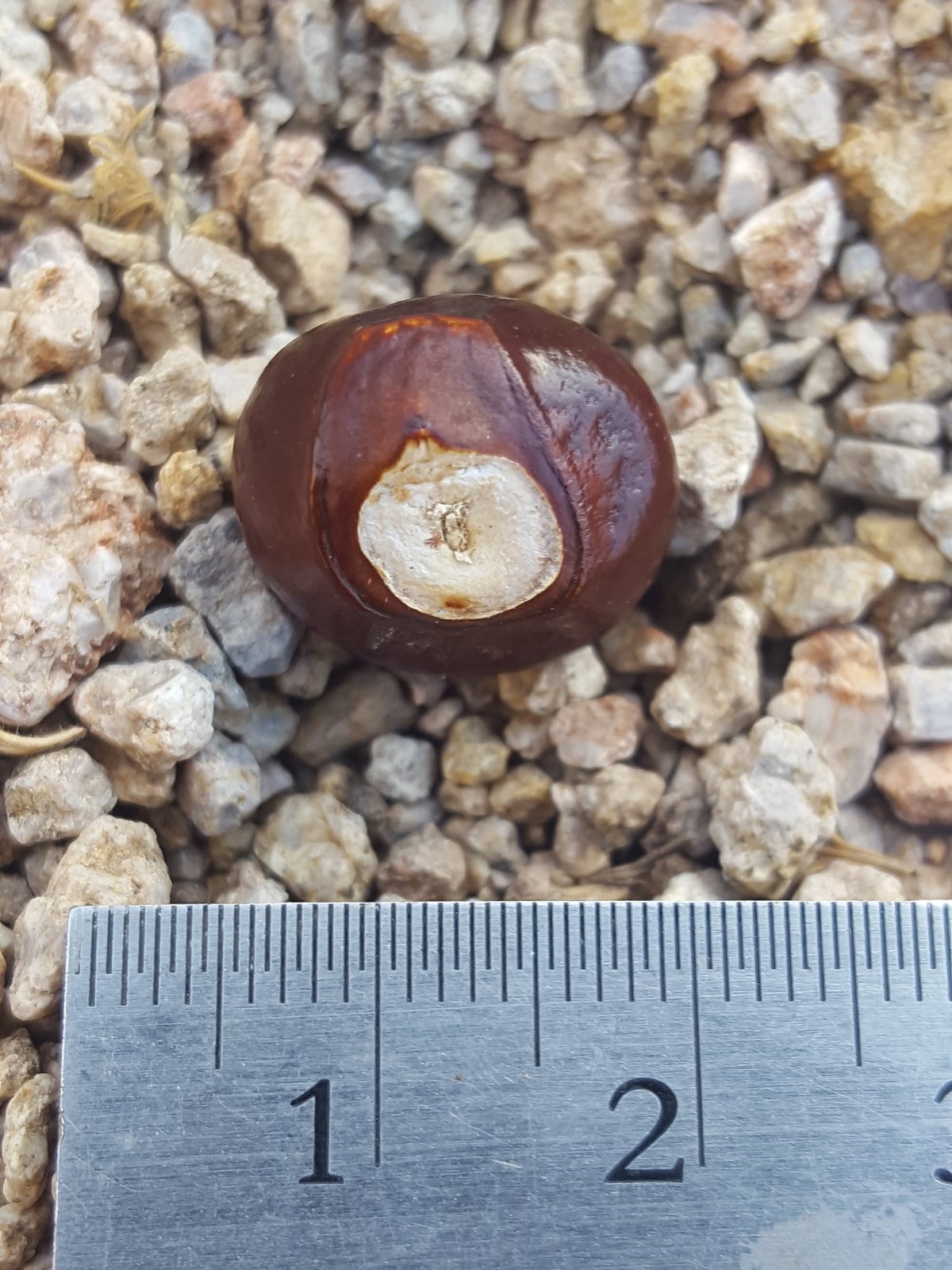
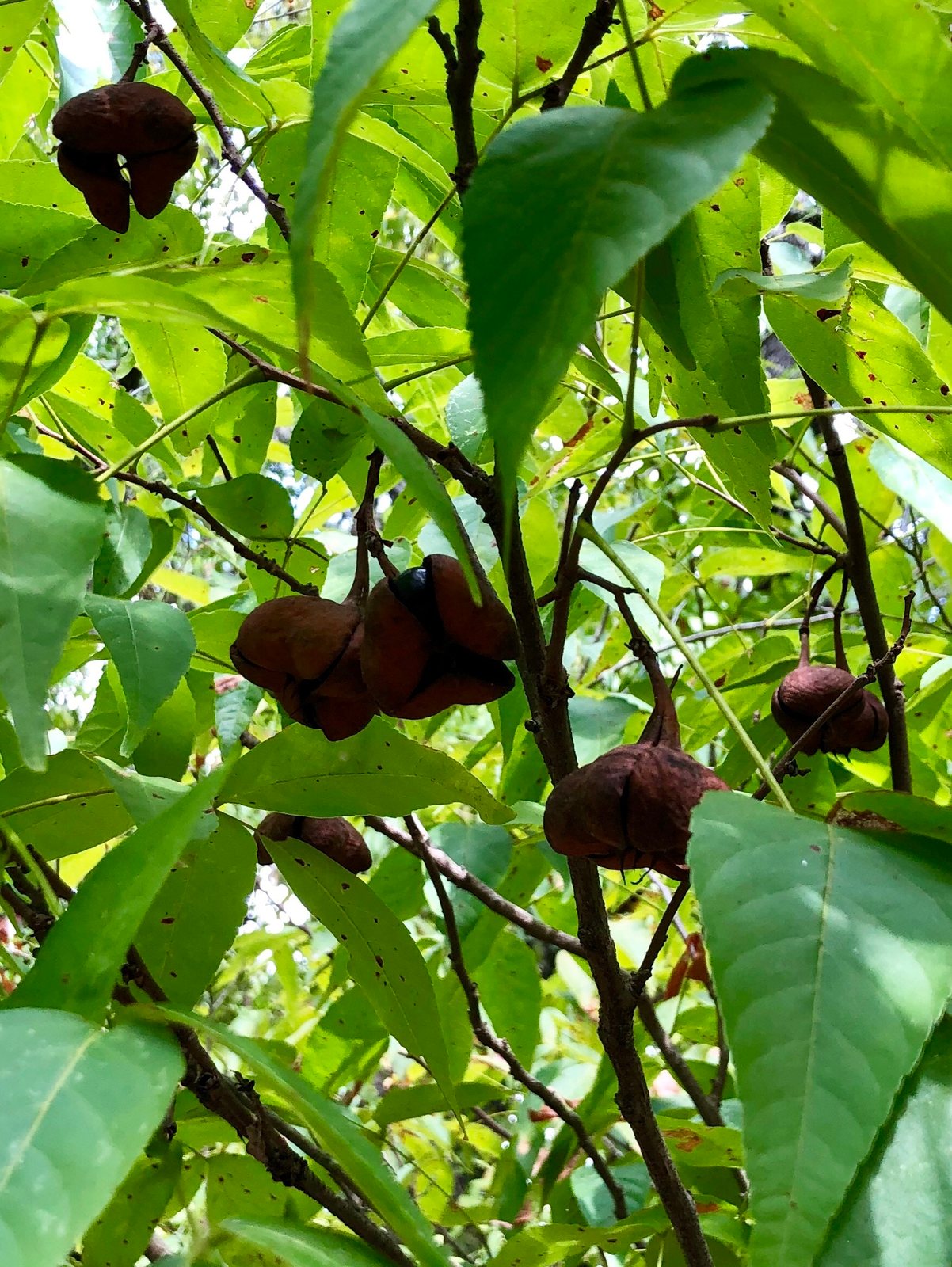
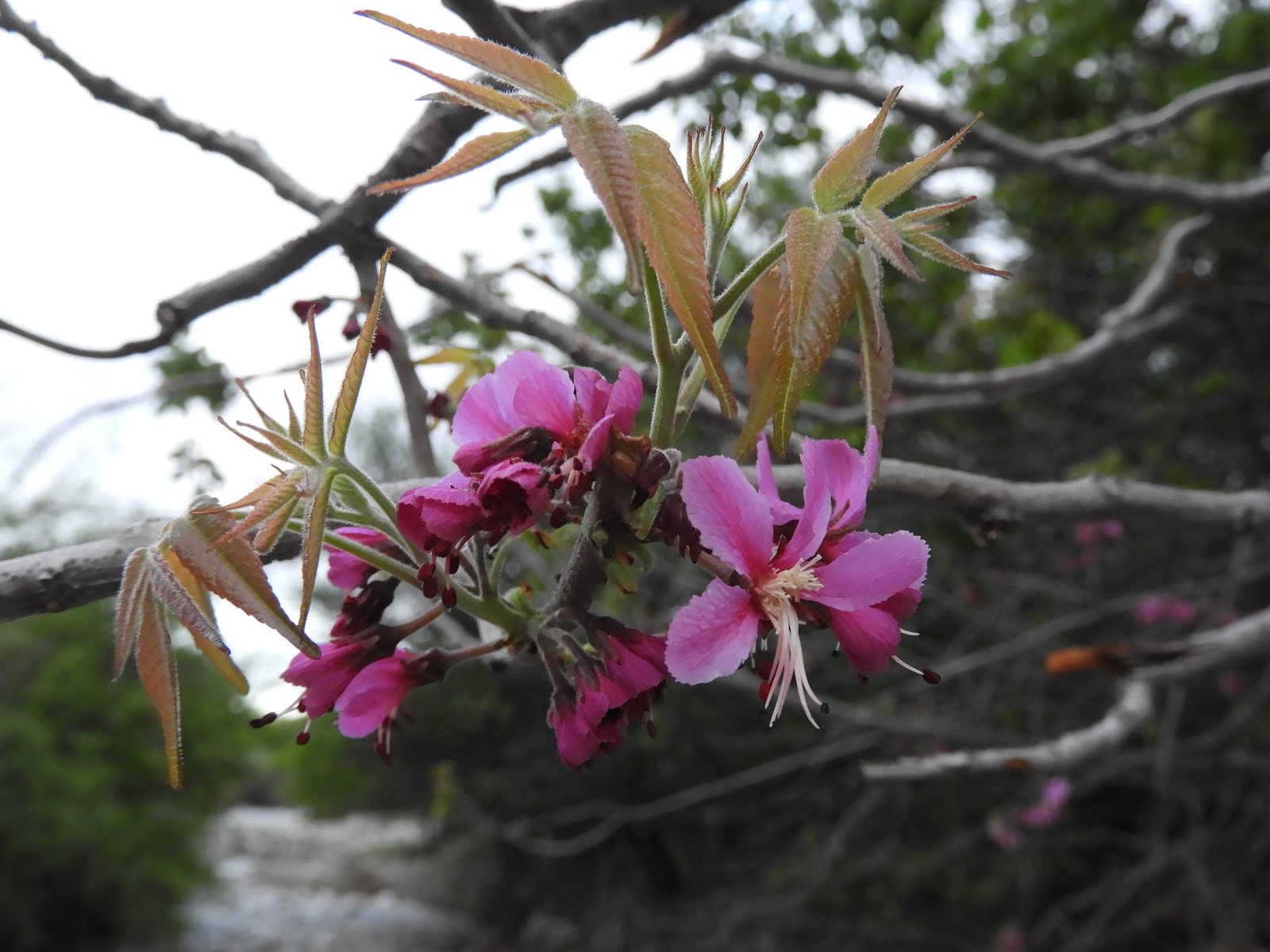
Mexican buckeye is a deciduous small tree or large, multi-stemmed shrub native to the southwestern United States and northeastern Mexico. Gardeners grow it for pink spring flowers, yellow autumn foliage and distinctive three-lobed seed capsules that often remain through winter. Despite its name, it is not a true buckeye, and its seeds are poisonous rather than edible nuts.
At a glance
- Sun
- Full sun to partial shade; flowering is usually best with at least six hours of direct sun.
- Water
- Water regularly while establishing; drought-tolerant once rooted, but benefits from occasional deep watering during prolonged dry weather.
- Soil
- Well-drained sandy, loamy, clay or rocky soil; tolerates limestone and alkaline conditions. Avoid permanently wet ground.
- Height
- 10-20 ft (3-6 m), occasionally taller
- Spread
- 10-15 ft (3-4.6 m)
- Flowers
- Early to mid-spring; clusters of pink to rose-purple flowers appear before or as the leaves emerge.
- Foliage
- Alternate, pinnately compound leaves with usually five to seven toothed leaflets; green in summer, turning yellow in autumn.
- Growth
- Moderate
- Care needed
- Low
The year at a glance
- Pollinators
- Drought tolerant
- Heat tolerant
- Wildlife
- Low allergen
| J | F | M | A | M | J | J | A | S | O | N | D | |
|---|---|---|---|---|---|---|---|---|---|---|---|---|
| Flowers | ||||||||||||
| Fruit | ||||||||||||
| Plant |
Northern hemisphere months. In Australia, shift them by six.
- Difficulty
- Moderate
- Toughness
- Fairly tough
Will it suit your garden?
Pick your zone, country, light and whether you have pets.
Full sun is 6 or more hours of direct sun a day, part shade 3 to 6 hours, shade under 3.
How it grows
Planting day
7 ft (2 m)
After 1 year
7 ft (2.1 m)
After 2 years
7 ft (2.3 m)
After 3 years
8 ft (2.4 m)
After 5 years
9 ft (2.6 m)
About 20 years to full size.
From a typical nursery size, at an average rate for this kind of plant. A rule of thumb, not a forecast.
Good to know
- Cats and dogs
- Toxic
- Native to
- the US
- Growth rate
- Moderate
Care
Jobs through the year
- WaterApr–May, Sep–Oct, every 28 days
- Water established plants only during prolonged dry spells; water young plants more frequently.
- WaterJun–Aug, every 21 days
- Give established plants a deep soaking during extended drought; water regularly for the first two summers.
- MulchApr
- Apply 5–8 cm of organic mulch, keeping it clear of all trunks.
- PruneApr–May
- After flowering, remove dead or crossing branches and lightly shape; confirm frost damage before cutting.
- ProtectSep–Nov
- Collect fallen poisonous seeds where children, pets or grazing animals could reach them.
- ProtectJan–Mar, Nov–Dec
- Protect young plants from severe freezes; zone 6 is outside its reliable outdoor hardiness range.
- Water deeply during the first two growing seasons, allowing the upper soil to dry between waterings.
- Once established, give an occasional deep watering during extended drought rather than frequent light sprinkling.
- Apply 2-3 in (5-8 cm) of organic mulch, keeping it clear of the trunks.
- Avoid routine fertiliser on ordinary garden soil; excessive feeding encourages soft growth.
- Collect fallen seeds where children, pets or grazing animals could reach them.
Pruning. Prune just after flowering to remove dead, damaged or crossing branches. Retain several stems for a natural shrub form, or gradually select a few main trunks while the plant is young; avoid repeated hard cutting.
Through the year
- Autumn
- Plant in well-drained ground where winters are mild; water thoroughly and mulch.
- Late winter
- Check for winter damage, but wait until growth starts before removing wood whose condition is uncertain.
- Spring
- Plant in colder parts of its range once the soil is workable, and water regularly while roots establish.
- Late spring
- After flowering, remove crossing branches and lightly shape young plants if needed.
- Summer
- Check young plants during dry spells and water deeply when the root zone becomes dry.
- Autumn
- Remove unwanted seedlings and collect fallen seeds where accidental ingestion is a concern.
In the garden
- Use as a small flowering specimen beside a terrace, allowing room for its naturally spreading crown.
- Plant along an open woodland edge with drought-tolerant shrubs and grasses.
- Include in a loose mixed screen rather than a tightly clipped hedge.
- Pair with limestone, gravel and native perennials in a dry southwestern garden.
Garden styles it suits: Southwestern, Texas Hill Country, Desert / xeriscape, Woodland, Pollinator garden and Low-maintenance.
Plant it with: Texas sage, Flame acanthus, Autumn sage, Little bluestem, Side-oats grama and Red yucca.
Wildlife: Spring flowers attract bees and other pollinating insects. Its branching structure provides shelter for small birds; do not treat the poisonous seeds as wildlife feed.
Problems to watch for
- Poor growth or root rot in waterlogged soil: improve drainage or move the plant to higher ground; do not keep the root zone constantly wet.
- Leaf scorch or early leaf drop during severe drought: water deeply during prolonged dry periods, especially while the plant is young.
- Frost-damaged flowers or shoot tips: choose a sheltered position away from frost pockets and prune dead tips once new growth reveals the damage.
- Occasional scale insects: inspect stems and leaf undersides; remove small infestations by hand or use a labelled horticultural oil when conditions permit.
Safety
Poisonous if eaten, especially the seeds. Ingestion can cause serious illness in people and livestock, including horses. Species-specific information for cats and dogs is limited, so keep seeds and other plant material out of their reach and contact a vet after suspected ingestion. These are not edible buckeyes or nuts.
Easily confused with
Red buckeye (Aesculus pavia)
Red buckeye has opposite, palmately compound leaves with leaflets radiating from one point, and upright clusters of tubular red flowers.
Texas mountain laurel (Dermatophyllum secundiflorum)
Texas mountain laurel is evergreen, with thick, glossy leaflets, purple pea-shaped flowers and elongated pods containing red seeds. Mexican buckeye is deciduous and has three-lobed capsules with dark seeds.
The name
The common name refers to its Mexican range and its shiny, buckeye-like seeds, while the botanical epithet speciosa means showy.
Propagation. Grow from ripe seed collected when the capsules split. Carefully nick the hard seed coat without damaging the embryo, then soak overnight and sow in a well-drained seed mix in warmth. Keep evenly moist, not saturated; seed-grown plants may take several years to flower.
Checked against open data
- Accepted botanical name
- Ungnadia speciosa
- In the US and Canada
- Native in the lower 48 states.
- Native range
- Mexico Gulf, Mexico Northeast, Mexico Northwest, New Mexico and Texas.
Sources: GBIF (CC BY 4.0), USDA PLANTS and Trefle (CC BY 4.0). The care and design notes are LandscapeGPT's own.
See it in your own yard.
Upload a photo of your yard and see it redesigned with plants that suit your climate, each checked against your zone.