New Gold lantana
Lantana 'New Gold'. Family Verbenaceae. Shrub.
Also called Lantana 'New Gold', New Gold trailing lantana.
New Gold lantana is a low, spreading shrub grown for clusters of golden-yellow flowers through warm weather. It tolerates heat and some drought once established, making it useful in sunny borders and containers. It is grown as an annual where winters are cold, including most of Canada and much of the United Kingdom.
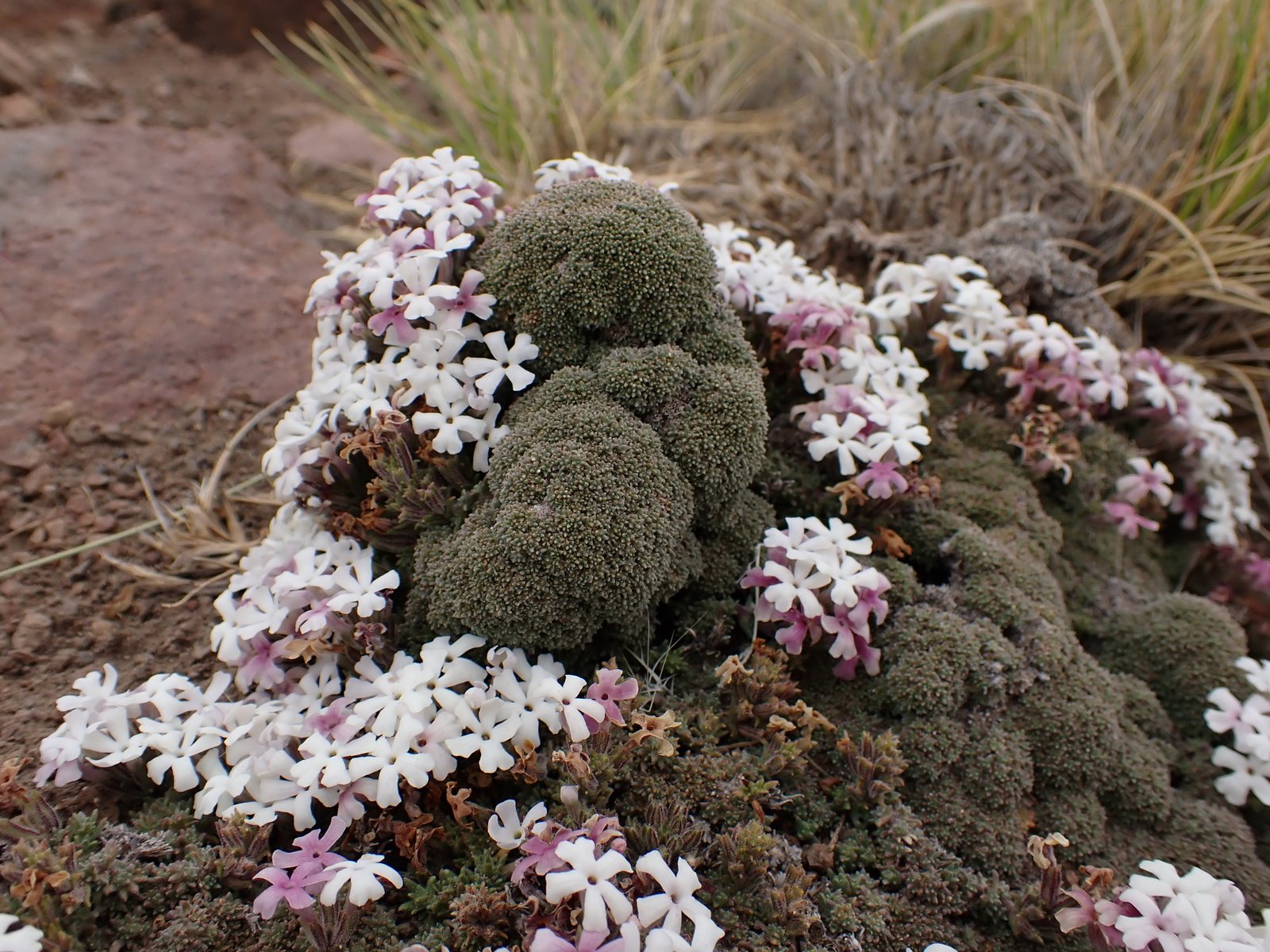
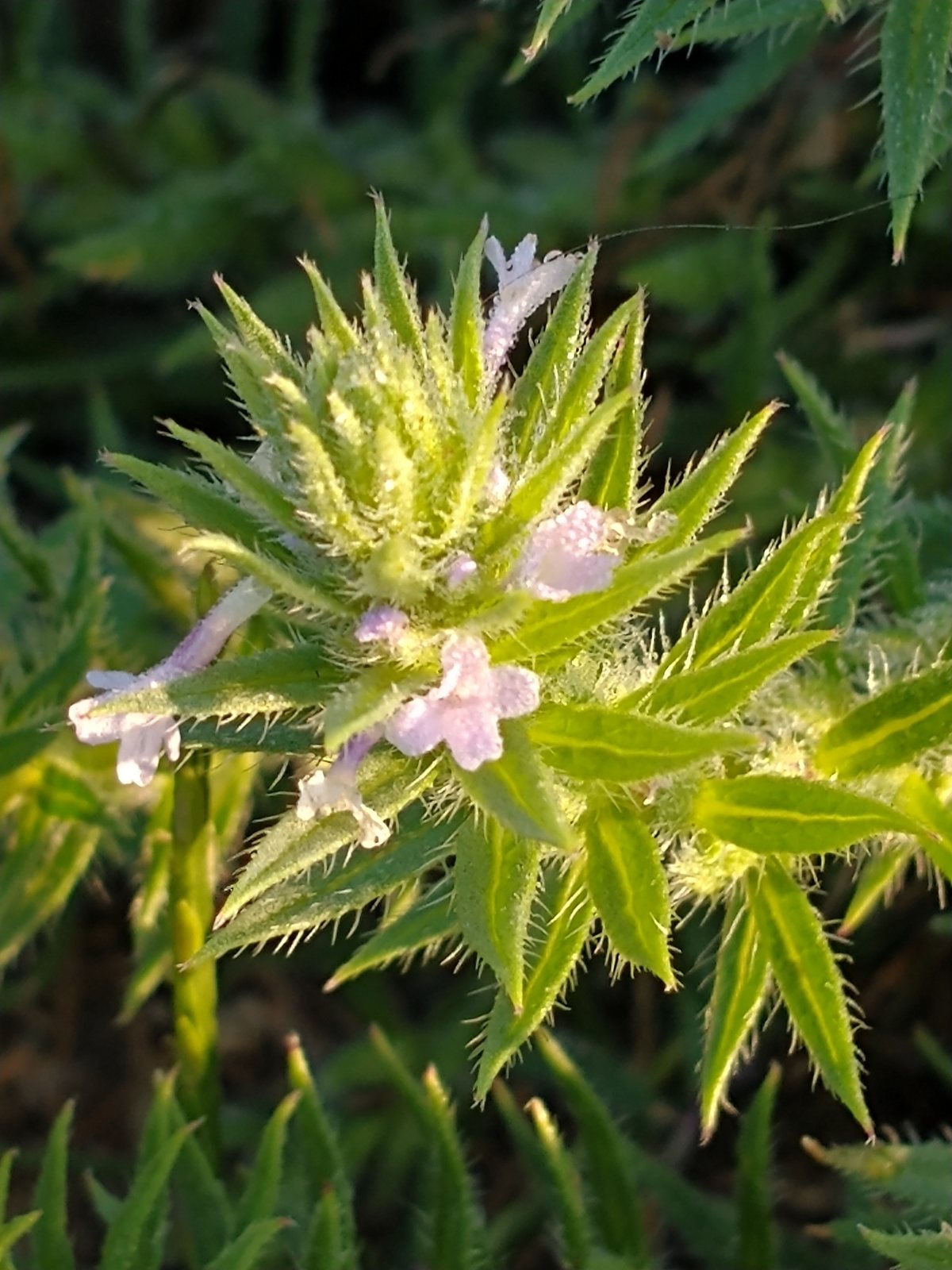
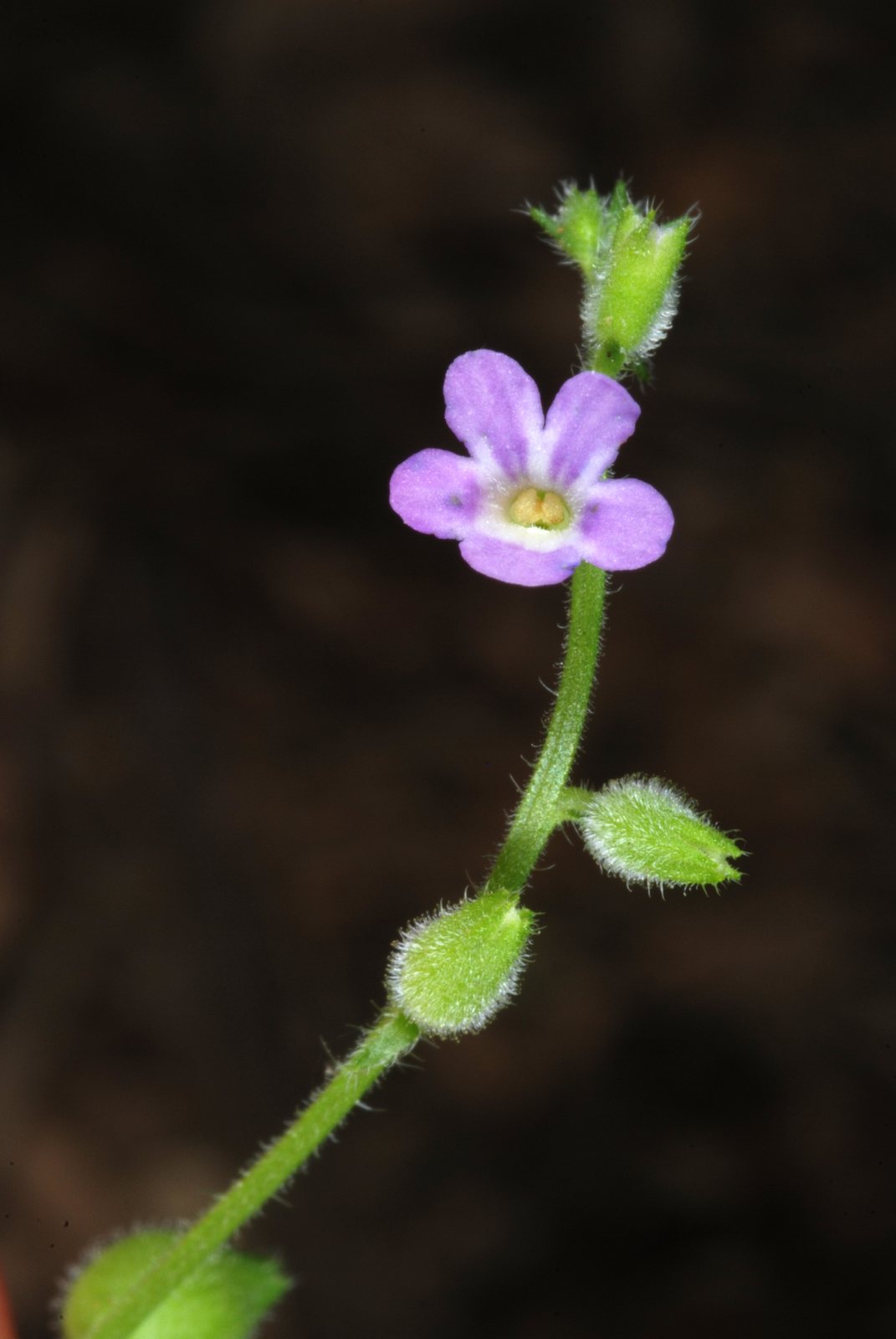
At a glance
- Sun
- Full sun; flowering becomes sparse in shade.
- Water
- Water regularly while establishing, then deeply when the soil has dried. Containers need more frequent watering than plants in the ground.
- Soil
- Well-drained sandy, loamy or gravelly soil; tolerates relatively poor soil but not prolonged waterlogging.
- Height
- 1-2 ft (0.3-0.6 m)
- Spread
- 3-5 ft (0.9-1.5 m)
- Flowers
- Clusters of golden-yellow flowers from late spring until frost; flowering can continue much of the year in frost-free climates.
- Foliage
- Evergreen. Small, rough-textured green leaves with toothed edges and a strong scent when crushed.
- Growth
- Fast in warm weather.
- Care needed
- Low
The year at a glance
- Pollinators
- Deer resistant
- Drought tolerant
- Heat tolerant
- Low allergen
| J | F | M | A | M | J | J | A | S | O | N | D | |
|---|---|---|---|---|---|---|---|---|---|---|---|---|
| Flowers | ||||||||||||
| Plant |
Northern hemisphere months. In Australia, shift them by six.
- Difficulty
- Easy
- Toughness
- Fairly tough
Will it suit your garden?
Pick your zone, country, light and whether you have pets.
Full sun is 6 or more hours of direct sun a day, part shade 3 to 6 hours, shade under 3.
How it grows
Planting day
1.5 ft (0.45 m)
full size
About 3 years to full size.
From a typical nursery size, at an average rate for this kind of plant. A rule of thumb, not a forecast.
Good to know
- Cats and dogs
- Toxic
- Invasive in
- the US and Australia
- Growth rate
- Fast
Care
Jobs through the year
- WaterMay, Sep–Oct, every 14 days
- Water established ground plants if soil has dried; newly planted specimens need more frequent watering.
- WaterJun–Aug, every 7 days
- Water established ground plants deeply only if soil is dry; skip after adequate rain.
- FeedMay
- Apply a light balanced feed if needed; avoid excess nitrogen.
- PruneMay
- On overwintered plants, remove dead stems and shorten remaining shoots to healthy buds.
- PruneJul–Aug
- Lightly trim sprawling shoots if needed; wear gloves.
- ProtectSep–Oct
- Treat as seasonal bedding or pot up and move to bright, frost-free shelter before frost.
- Plant after frost danger has passed and the soil has warmed.
- Water the root ball regularly during establishment; let the soil surface dry between later waterings.
- Use containers with drainage holes and never leave them standing in water.
- Feed lightly in spring; excessive nitrogen encourages leaves at the expense of flowers.
- In cold climates, take cuttings or move a potted plant into a bright, frost-free place before autumn frost.
Pruning. In spring, after frost risk has passed, remove dead stems and shorten remaining growth to healthy buds. Lightly trim sprawling shoots during summer to keep the plant compact; wear gloves if the foliage irritates your skin.
Through the year
- Spring
- Prune overwintered plants once new growth shows which stems are alive.
- Late spring
- Plant outdoors after frost danger has passed; water thoroughly and allow room for spreading growth.
- Early summer
- Check moisture frequently while roots establish, especially in containers.
- Summer
- Trim straggling shoots and inspect leaf undersides for lace bugs or mites.
- Late summer
- Take cuttings if you want plants to overwinter under cover.
- Autumn
- Before frost, bring container plants under cover or remove plants being grown as annuals.
- Winter
- Keep sheltered plants bright and frost-free, watering sparingly without letting the root ball dry completely.
In the garden
- Plant along the front of a sunny border for a broad band of yellow beneath taller salvias.
- Let stems spill over raised beds or large container edges.
- Mass on a sunny, well-drained slope where lantana planting is permitted.
- Combine with purple flowers and silver foliage for strong summer colour contrast.
Garden styles it suits: Mediterranean, Desert / xeriscape, Hot border, Pollinator garden, Low-maintenance and Small-space.
Plant it with: Blue salvia, Angelonia, Verbena, Globe amaranth, Dusty miller and Rosemary.
Wildlife: Flowers provide nectar for butterflies and other insects. It is not a substitute for native caterpillar host plants.
Problems to watch for
- Lantana lace bugs cause pale stippling and browned leaves: inspect leaf undersides and treat early with insecticidal soap labelled for the pest, avoiding flowers and visiting insects.
- Spider mites cause fine stippling and webbing in hot, dry conditions: rinse leaf undersides and prevent severe drought stress.
- Root rot causes yellowing and collapse in wet soil: improve drainage, reduce watering and discard badly affected plants.
- Poor flowering usually follows shade or excessive feeding: move to a sunnier position and reduce nitrogen fertiliser.
Safety
Treat this cultivar as toxic to cats, dogs, horses and people. Lantana foliage and unripe fruit are particular concerns; substantial ingestion can cause serious poisoning, including liver damage in grazing animals. New Gold usually produces little or no fruit, but that does not make its foliage safe. Sap and leaves may irritate skin.
Where it spreads. New Gold is generally described as largely sterile and has much lower seed-spread potential than fertile lantanas, but do not assume it is exempt from restrictions. Lantana camara and related forms are invasive in Florida, Hawaii and parts of eastern Australia, especially Queensland and New South Wales. Australian restrictions can cover hybrids and cultivars;
Easily confused with
Trailing lantana (Lantana montevidensis)
Usually has lavender-purple or white flowers and a more trailing habit, rather than New Gold's golden-yellow flowers.
Common lantana (Lantana camara)
Typical forms are taller and woodier, often with prickly stems, multicoloured flower clusters and conspicuous berries. Yellow cultivars can be difficult to distinguish without a reliable label.
The name
The cultivar name 'New Gold' refers to its golden-yellow flowers.
Propagation. Root softwood cuttings in late spring or summer in a moist, free-draining medium. Seed is rarely produced and would not reliably reproduce the cultivar.
Checked against open data
- Accepted botanical name
- Lantana
Sources: GBIF (CC BY 4.0). The care and design notes are LandscapeGPT's own.
See it in your own yard.
Upload a photo of your yard and see it redesigned with plants that suit your climate, each checked against your zone.