Night Sky petunia
Petunia × atkinsiana 'Night Sky'. Family Solanaceae. Annual.
Also called NightSky petunia, Spotted petunia.
Night Sky petunia is a tender, spreading petunia grown as an annual for its deep violet-purple flowers sprinkled with irregular white spots. It flowers for months in sunny containers, hanging baskets and borders. The spotting changes with temperature, so flowers on the same plant can look quite different through the season.
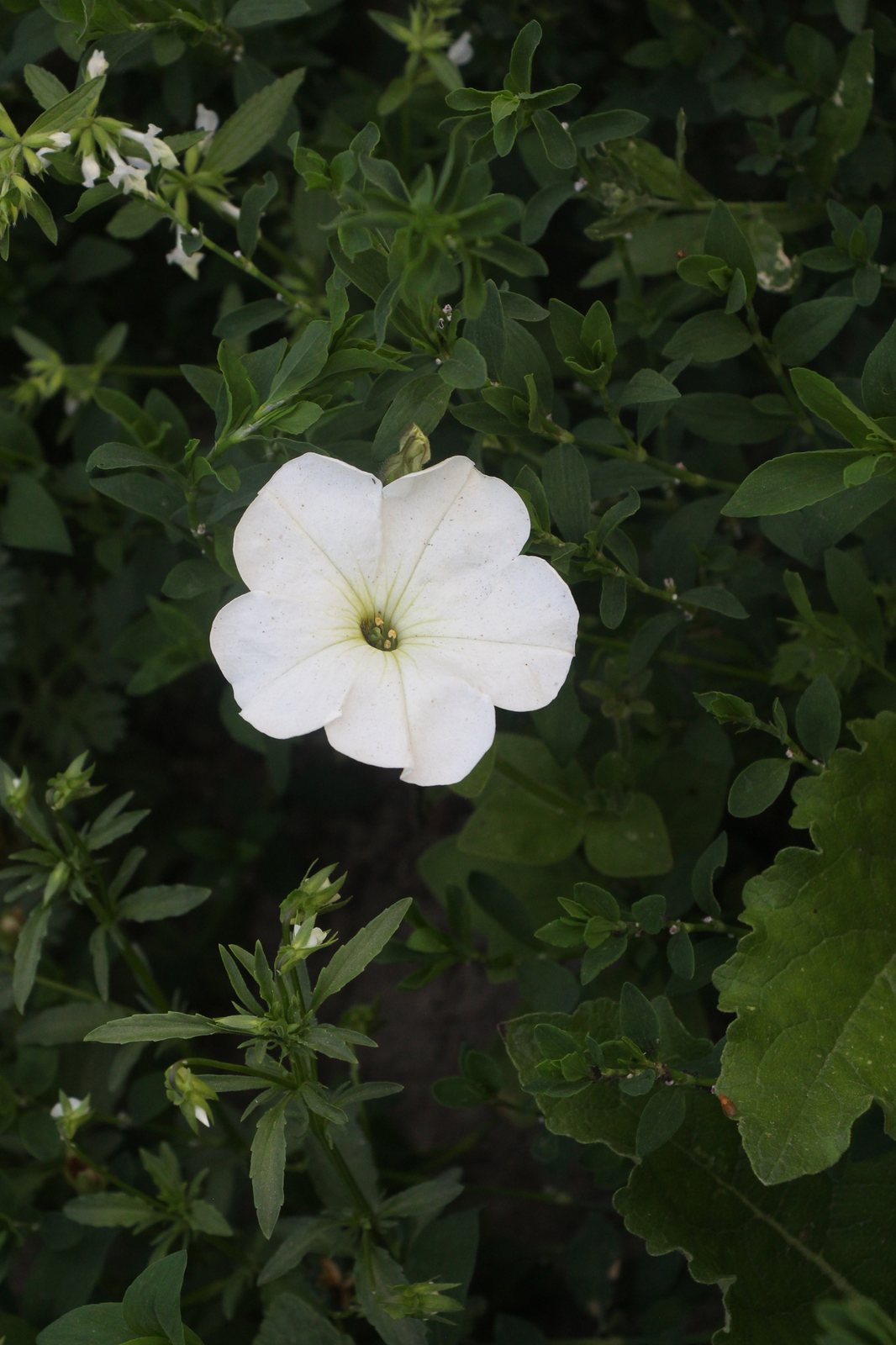
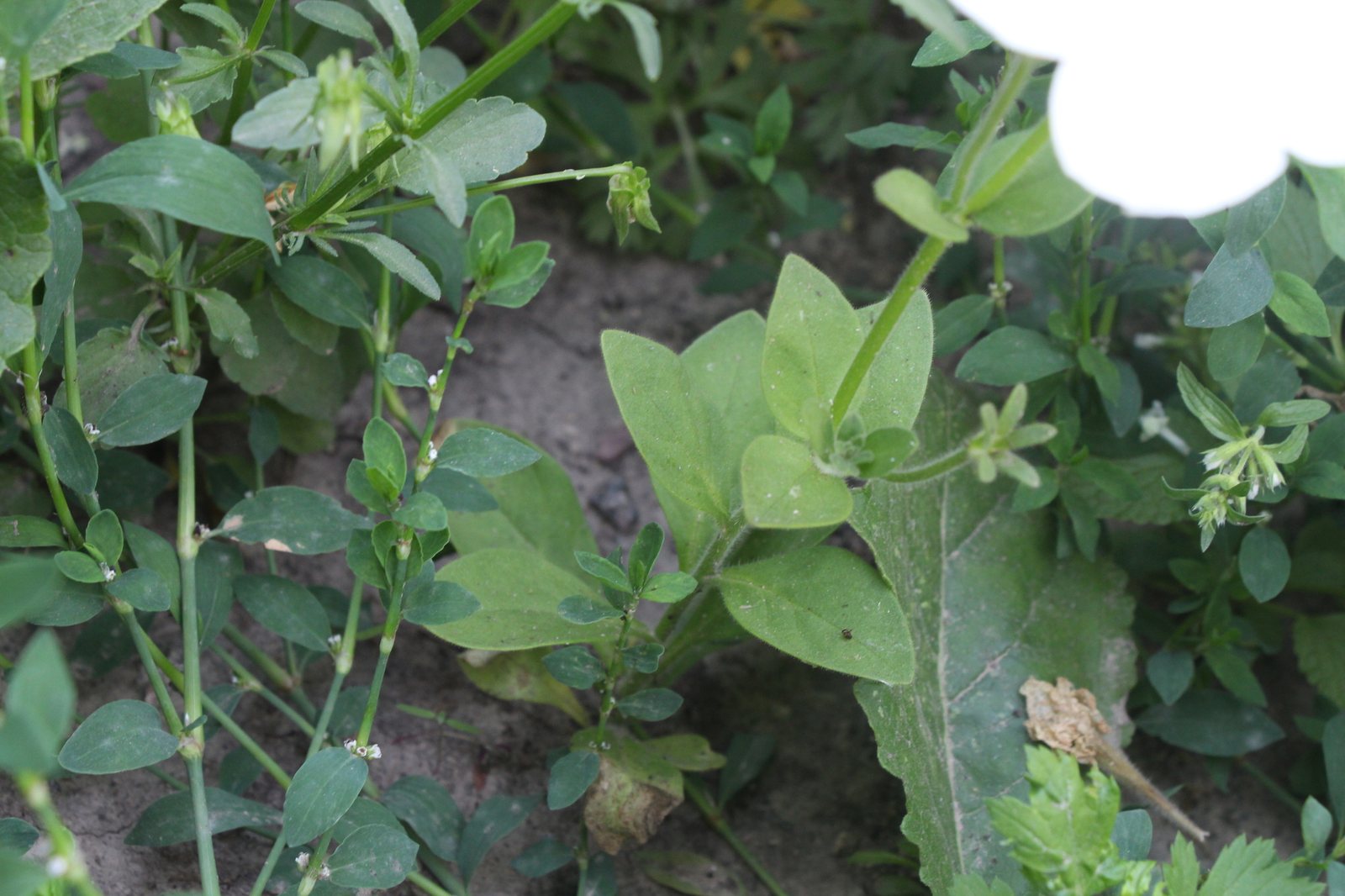
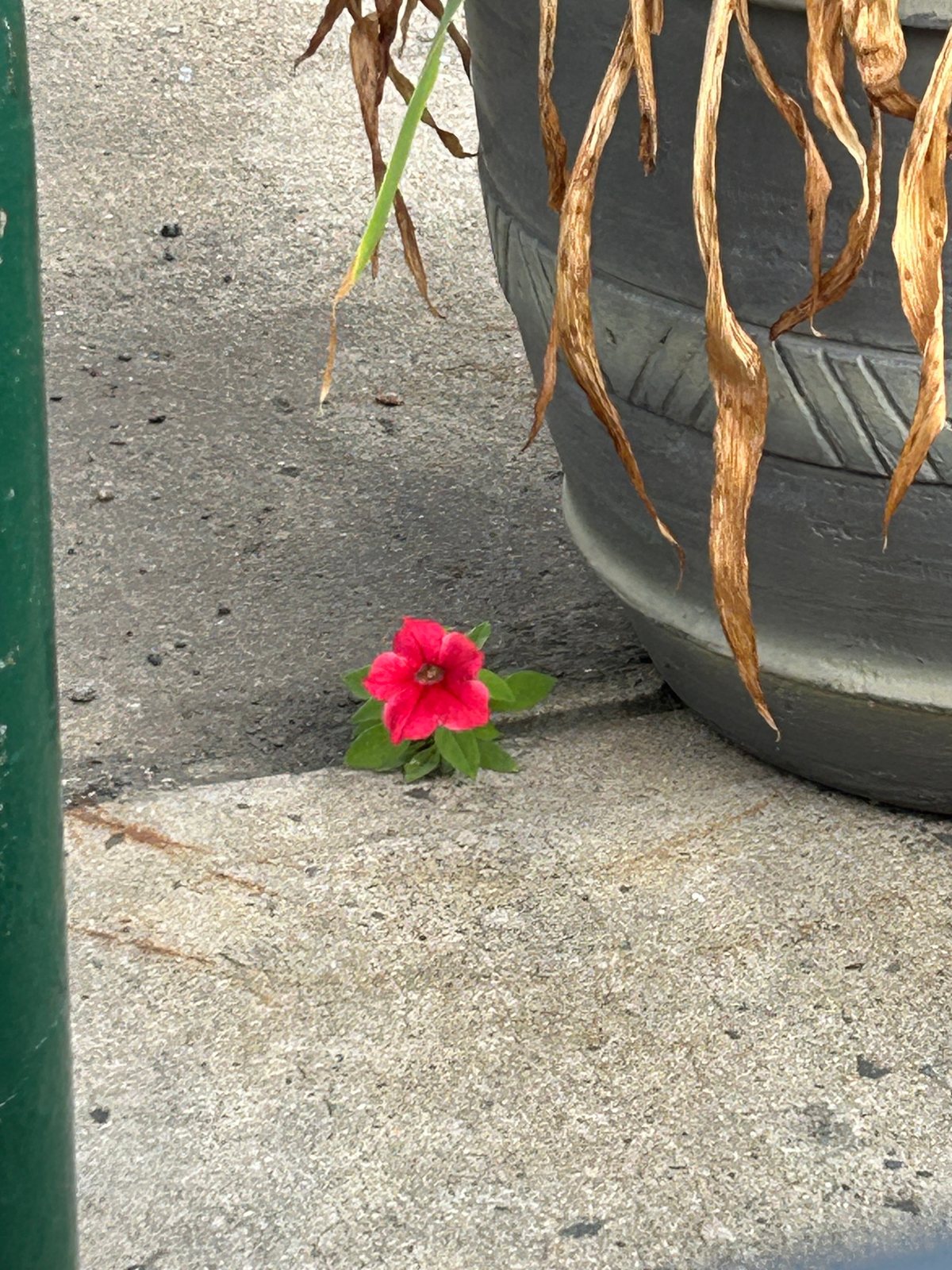
At a glance
- Sun
- Full sun, ideally at least 6 hours daily; light afternoon shade can help in very hot climates.
- Water
- Keep evenly moist but not waterlogged. Water thoroughly when the soil surface begins to dry; hanging baskets may need daily watering in hot, windy weather.
- Soil
- Well-drained, moderately fertile soil; use fresh, free-draining potting mix in containers.
- Height
- 0.8-1.3 ft (0.25-0.4 m)
- Spread
- 2-3 ft (0.6-0.9 m)
- Flowers
- Late spring to autumn, until frost; violet-purple trumpet-shaped flowers with variable white spots and blotches.
- Foliage
- Soft, slightly sticky, oval green leaves on branching, spreading stems; frost-tender.
- Growth
- Fast; reaches flowering size and fills containers within one growing season.
- Care needed
- Medium
The year at a glance
- Pollinators
- Heat tolerant
- Low allergen
| J | F | M | A | M | J | J | A | S | O | N | D | |
|---|---|---|---|---|---|---|---|---|---|---|---|---|
| Flowers | ||||||||||||
| Plant |
Northern hemisphere months. In Australia, shift them by six.
- Difficulty
- Moderate
- Toughness
- Fairly tough
Will it suit your garden?
Pick your zone, country, light and whether you have pets.
Full sun is 6 or more hours of direct sun a day, part shade 3 to 6 hours, shade under 3.
How it grows
Planting day
0.5 ft (0.15 m)
After 1 year
1.1 ft (0.33 m)
full size
Full size in one season.
From a typical nursery size, at an average rate for this kind of plant. A rule of thumb, not a forecast.
Good to know
- Cats and dogs
- Safe
- Growth rate
- Fast
Care
Jobs through the year
- WaterMay, Sep–Oct, every 7 days
- Water established ground plants when the surface begins drying; skip after rain and check new plants more often.
- WaterJun–Aug, every 4 days
- Check established ground plants and soak if drying; hanging baskets may need daily watering.
- FeedMay–Oct, every 14 days
- Feed while actively growing with flowering-plant fertilizer; containers may need weekly feeding and fertile beds need less.
- PruneMay–Jun
- Pinch long young shoots to encourage branching.
- PruneJul–Aug
- Shorten straggly stems by one-third, then water and feed; routine deadheading is usually unnecessary.
- ProtectJun–Sep, every 7 days
- Inspect buds for caterpillars and remove collapsed flowers or dead leaves before they decay.
- Plant outdoors after frost danger has passed, once nights are consistently mild.
- Water the potting mix rather than repeatedly wetting the flowers, and let excess water drain away.
- Feed container plants every 1-2 weeks with a flowering-plant fertiliser at the label rate.
- Check hanging baskets daily during hot or windy weather; do not leave pots standing in water.
- Space plants to allow airflow and remove dead leaves or collapsed flowers before they decay.
Pruning. Pinch long shoots in late spring to encourage branching. If plants become straggly in midsummer, shorten stems by about one-third, then water and feed to encourage fresh growth; routine deadheading is usually unnecessary.
Through the year
- Early spring
- Buy young plants and keep them in bright, frost-free conditions until outdoor planting is safe.
- Late spring
- Harden plants off gradually, then plant in sunny beds or containers after the last frost.
- Early summer
- Begin regular feeding and check container moisture frequently as roots fill the pots.
- Midsummer
- Trim leggy growth and check shoot tips and flowers for aphids and caterpillars.
- Autumn
- Continue watering and feeding while plants are actively flowering; remove plants once frost kills them.
In the garden
- Let stems spill over hanging baskets or tall pots where the spotted flowers can be seen close up.
- Combine with white sweet alyssum and silver-leaved plants for a purple, white and silver container.
- Use along the front of a sunny border to soften the edge with spreading summer colour.
- Repeat matching pots beside a patio or entrance for a coordinated seasonal display.
Garden styles it suits: Cottage garden, Modern courtyard, Urban city garden, Blues and silvers, Small-space and Romantic rose garden.
Plant it with: Sweet alyssum, Bacopa, Lobelia, Verbena, Dusty miller and Blue salvia.
Wildlife: Flowers may be visited by bees and moths, although this ornamental cultivar should not be relied on as a main wildlife food source.
Problems to watch for
- Aphids cluster on soft shoots: wash them off with water or use insecticidal soap labelled for ornamental plants, avoiding hot sunshine.
- Flower-feeding caterpillars, including tobacco budworm where present, leave holes and droppings: inspect buds and flowers and hand-pick larvae.
- Grey mould develops on damp flowers and dead foliage: remove affected material, improve airflow and avoid overhead watering late in the day.
- Yellowing, wilting or root rot can follow waterlogged soil: check drainage, empty saucers and allow the surface to begin drying before watering again.
Safety
Petunias are not known to be toxic to cats, dogs, horses or people. No part is recognised as poisonous, but the plant is not intended as food and eating it may cause mild stomach upset.
Easily confused with
Plain purple garden petunia (Petunia × atkinsiana)
Ordinary purple cultivars lack the irregular white spotting, although Night Sky can temporarily produce nearly solid-purple flowers; use the plant label as well as flower colour.
Million bells (Calibrachoa hybrids)
These have much smaller flowers and narrower leaves, usually forming a finer-textured trailing plant.
The name
The name Night Sky refers to the white spots scattered across purple flowers, resembling stars against a dark sky.
Propagation. Usually bought as young plants and propagated commercially by stem cuttings. Seed does not reliably reproduce the spotted cultivar. Check local plant breeders' rights or patent restrictions before taking cuttings.
Checked against open data
- Accepted botanical name
- Petunia atkinsiana
Sources: GBIF (CC BY 4.0). The care and design notes are LandscapeGPT's own.
See it in your own yard.
Upload a photo of your yard and see it redesigned with plants that suit your climate, each checked against your zone.