Perle von Nürnberg echeveria
Echeveria 'Perle von Nürnberg'. Family Crassulaceae. Succulent.
Also called Pearl of Nuremberg, Echeveria 'Perle von Nurnberg'.
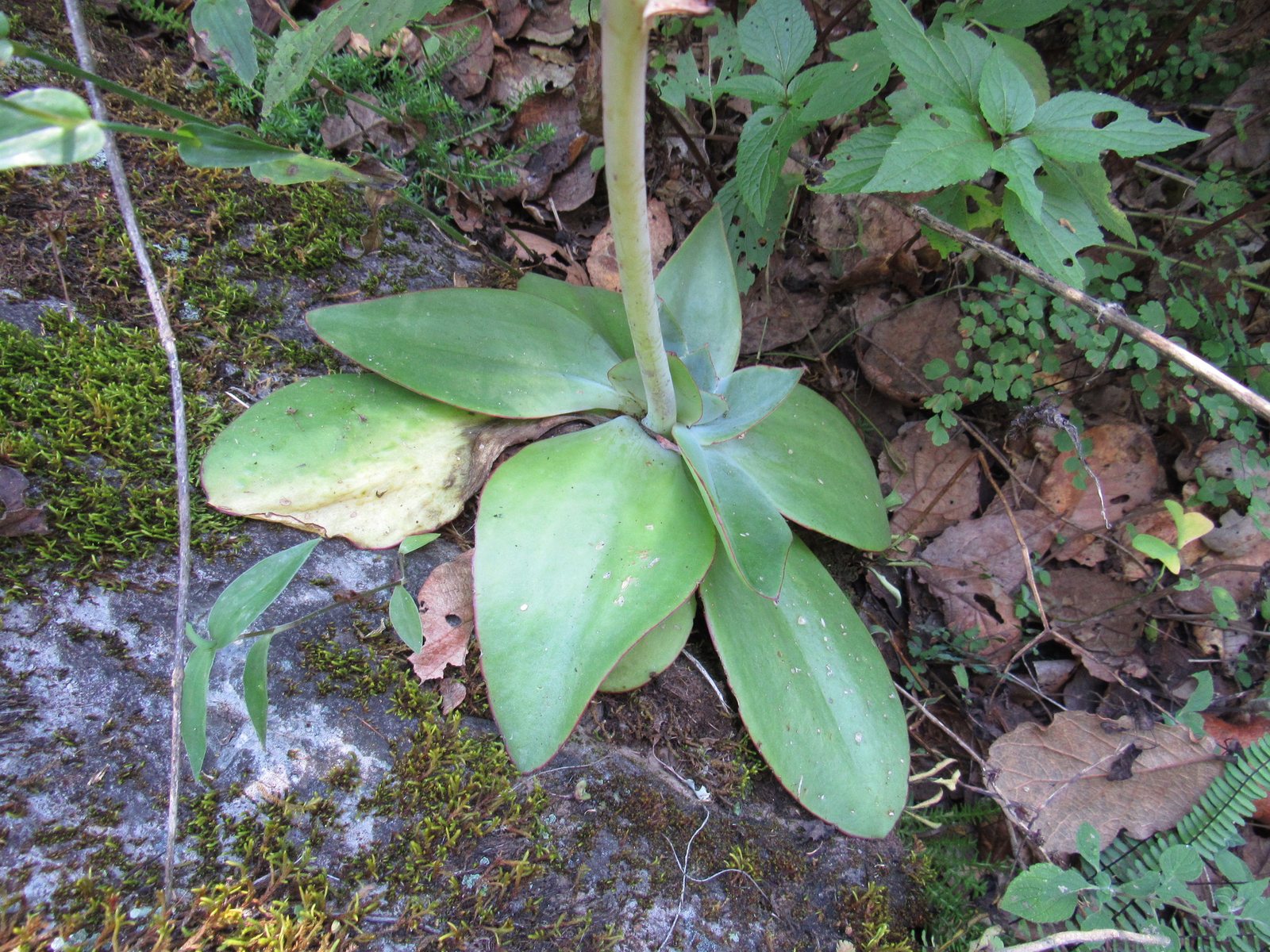
This evergreen succulent forms neat rosettes of powdery grey-lilac leaves flushed with pink, especially in strong light. Gardeners grow it for its colour and sculptural shape in pots and frost-free gravel gardens; in colder regions, keep it in a container that can come indoors for winter.
At a glance
- Sun
- Full sun to very bright light; give afternoon shade in hot inland climates and introduce indoor-grown plants to direct sun gradually.
- Water
- Water thoroughly, then let the potting mix dry completely before watering again. Water much less in winter, especially in cool conditions.
- Soil
- Sharply drained, gritty soil or cactus compost amended with pumice, grit or perlite; never leave the roots in persistently wet soil.
- Height
- 0.5-0.75 ft (0.15-0.23 m), excluding flower stems
- Spread
- 0.5-1 ft (0.15-0.3 m)
- Flowers
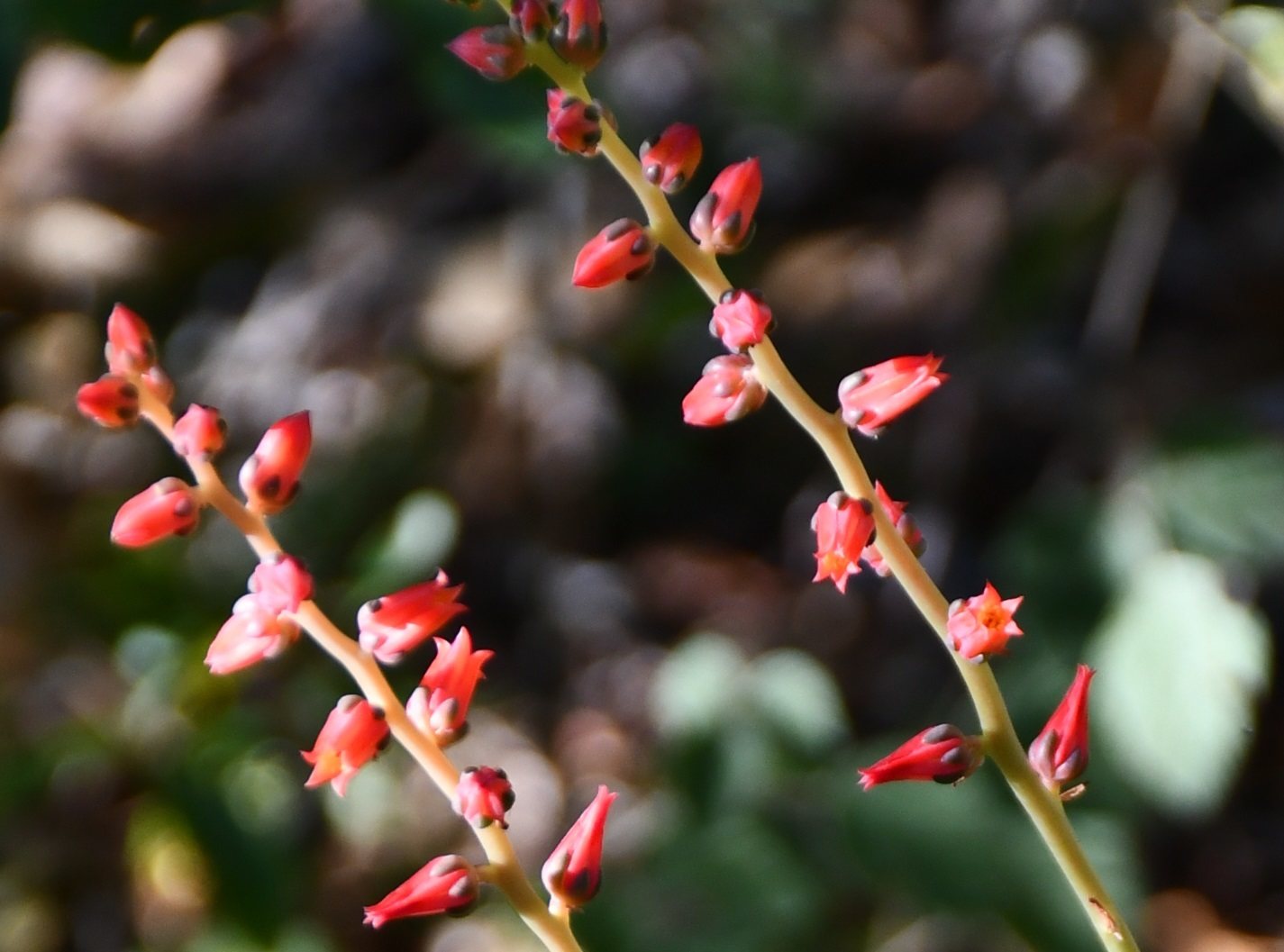
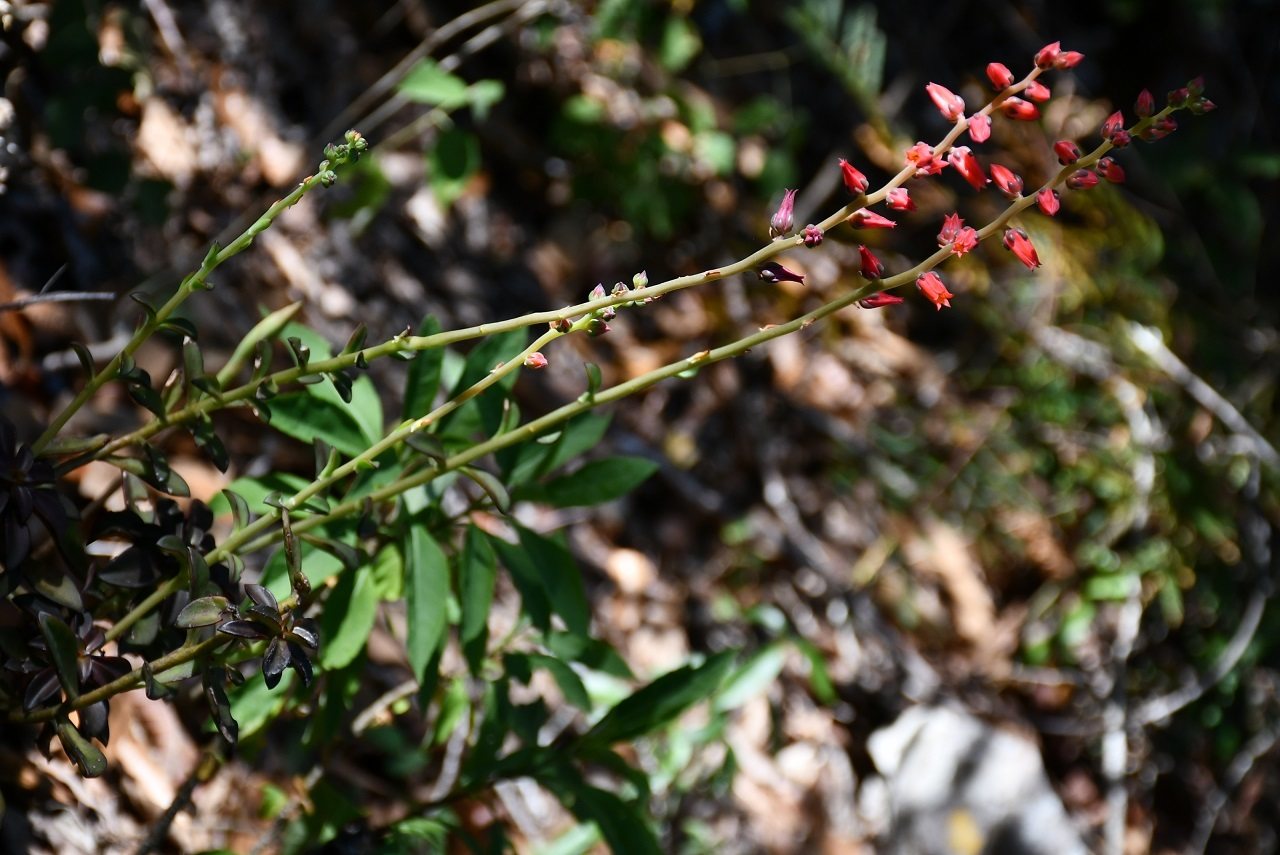
- Spring to summer; coral-pink flowers with yellow interiors on arching stems above the foliage.
- Foliage
- Evergreen. Fleshy, spoon-shaped leaves with pointed tips, arranged in rosettes; grey-lilac to pink-purple beneath a powdery white coating.
- Growth
- Slow to moderate
- Care needed
- Low
The year at a glance
- Pollinators
- Drought tolerant
- Low allergen
| J | F | M | A | M | J | J | A | S | O | N | D | |
|---|---|---|---|---|---|---|---|---|---|---|---|---|
| Flowers | ||||||||||||
| Plant |
Northern hemisphere months. In Australia, shift them by six.
- Difficulty
- Easy
- Toughness
- Fairly tough
Will it suit your garden?
Pick your zone, country, light and whether you have pets.
Full sun is 6 or more hours of direct sun a day, part shade 3 to 6 hours, shade under 3.
How it grows
Planting day
0.6 ft (0.19 m)
full size
About 8 years to full size.
From a typical nursery size, at an average rate for this kind of plant. A rule of thumb, not a forecast.
Good to know
- Cats and dogs
- Safe
- Growth rate
- Slow
Care
Jobs through the year
- WaterJun–Aug, every 14 days
- Soak established roots only once completely dry; check pots and new plants more often and keep rosettes dry.
- WaterApr–May, Sep, every 21 days
- Water the soil only after complete drying and empty container saucers.
- WaterJan–Mar, Oct–Dec, every 35 days
- Water sheltered pots sparingly only when dry; extend the interval in cool conditions.
- FeedApr, Jun
- Apply dilute cactus fertiliser once or twice during active growth.
- DeadheadMay–Sep
- Cut spent flower stems near their base without rubbing the powdery leaves.
- PruneApr
- Remove completely dry lower leaves; re-root a callused rosette cutting only if badly leggy.
- ProtectJan–Apr, Sep–Dec
- Keep in a bright, frost-free shelter through cold or persistently wet weather.
- ProtectMay–Jun
- After frost risk passes, acclimatise gradually to outdoor light; avoid scorching afternoon sun.
- Use a pot with drainage holes and empty any saucer after watering.
- Water the soil rather than the rosette, and let the mix dry fully between soakings.
- Feed once or twice during spring and summer with a dilute cactus fertiliser.
- Move under cover before frost; provide a bright, frost-free position through winter.
- Handle leaves sparingly so their protective powdery coating stays intact.
Pruning. Cut spent flower stems off near their base after flowering and gently remove completely dry lower leaves. If the plant becomes tall and bare, cut off the rosette in spring, let the cut dry and callus, then root it in gritty compost.
Through the year
- Spring
- Check roots and repot only if crowded, using a sharply drained succulent mix.
- Spring
- Resume more regular watering as growth starts and apply a dilute cactus fertiliser.
- Late spring
- After frost risk has passed, gradually acclimatise overwintered plants to outdoor light.
- Summer
- Check soil before watering and protect leaves from scorching afternoon sun during heatwaves.
- Autumn
- Bring containers under cover before cold nights and prolonged wet weather.
- Winter
- Keep in the brightest frost-free position available, water sparingly and inspect leaf bases for mealybugs.
In the garden
- Use as a single rosette in a small terracotta or concrete pot to show its symmetry.
- Combine with compact aloes and upright succulents in a container with matching drainage and watering needs.
- Repeat small groups among pale gravel and rocks in frost-free gardens for soft colour against hard surfaces.
- Place in raised troughs or sunny courtyard containers where the foliage can be viewed closely.
Garden styles it suits: Desert modern, Contemporary minimal, Modern courtyard, Dry gravel garden, Mediterranean and Small-space.
Plant it with: Zebra haworthia, Lace aloe, Jade plant, Blue chalksticks and Mexican snowball.
Wildlife: Flowers can attract bees and, where present, hummingbirds, but this small ornamental offers limited habitat value.
Problems to watch for
- Mealybugs hide between leaves and around roots; isolate affected plants, remove visible insects and use a treatment labelled for succulents if needed.
- Root or stem rot follows prolonged wetness; improve drainage, reduce watering and salvage healthy rosettes as cuttings if the base rots.
- Long, loose growth and faded colour indicate insufficient light; move to a brighter position gradually.
- Sunburn causes pale or brown scars after sudden exposure; acclimatise plants slowly and provide afternoon shade in extreme heat.
Safety
Not known to be toxic to cats, dogs, horses or people; no part is recognised as poisonous. It is not a food plant, and eating it may still cause mild stomach upset.
Easily confused with
Purple Pearl echeveria (Echeveria 'Purple Pearl')
Usually has deeper, more saturated purple foliage; colour overlaps considerably with Perle von Nürnberg depending on light and growing conditions.
Lola echeveria (Echeveria 'Lola')
Usually much paler, with pearly grey-lilac leaves that are more cupped and form a tighter, rosebud-like rosette.
Mexican snowball (Echeveria elegans)
Has predominantly pale blue-green leaves with rounder ends and commonly forms dense clusters, rather than the broad pink-purple rosettes of Perle von Nürnberg.
The name
Echeveria honours Mexican botanical artist Atanasio Echeverría y Godoy, while 'Perle von Nürnberg' means 'Pearl of Nuremberg' in German.
Propagation. Propagate from offsets, stem cuttings or intact leaves in spring or summer. Allow cut surfaces to dry and callus before placing on or in gritty compost; water lightly only as roots develop. Seed will not reliably reproduce this cultivar.
Checked against open data
- Accepted botanical name
- Echeveria
Sources: GBIF (CC BY 4.0). The care and design notes are LandscapeGPT's own.
See it in your own yard.
Upload a photo of your yard and see it redesigned with plants that suit your climate, each checked against your zone.