Pole bean 'Kentucky Wonder'
Phaseolus vulgaris 'Kentucky Wonder'. Family Fabaceae. Annual.
Also called Climbing bean 'Kentucky Wonder', 'Old Homestead' bean.
'Kentucky Wonder' is a vigorous climbing green bean grown as an annual for its long, slightly flattened pods. It produces over several weeks when picked regularly, making good use of vertical space, but needs warm soil and a sturdy support.
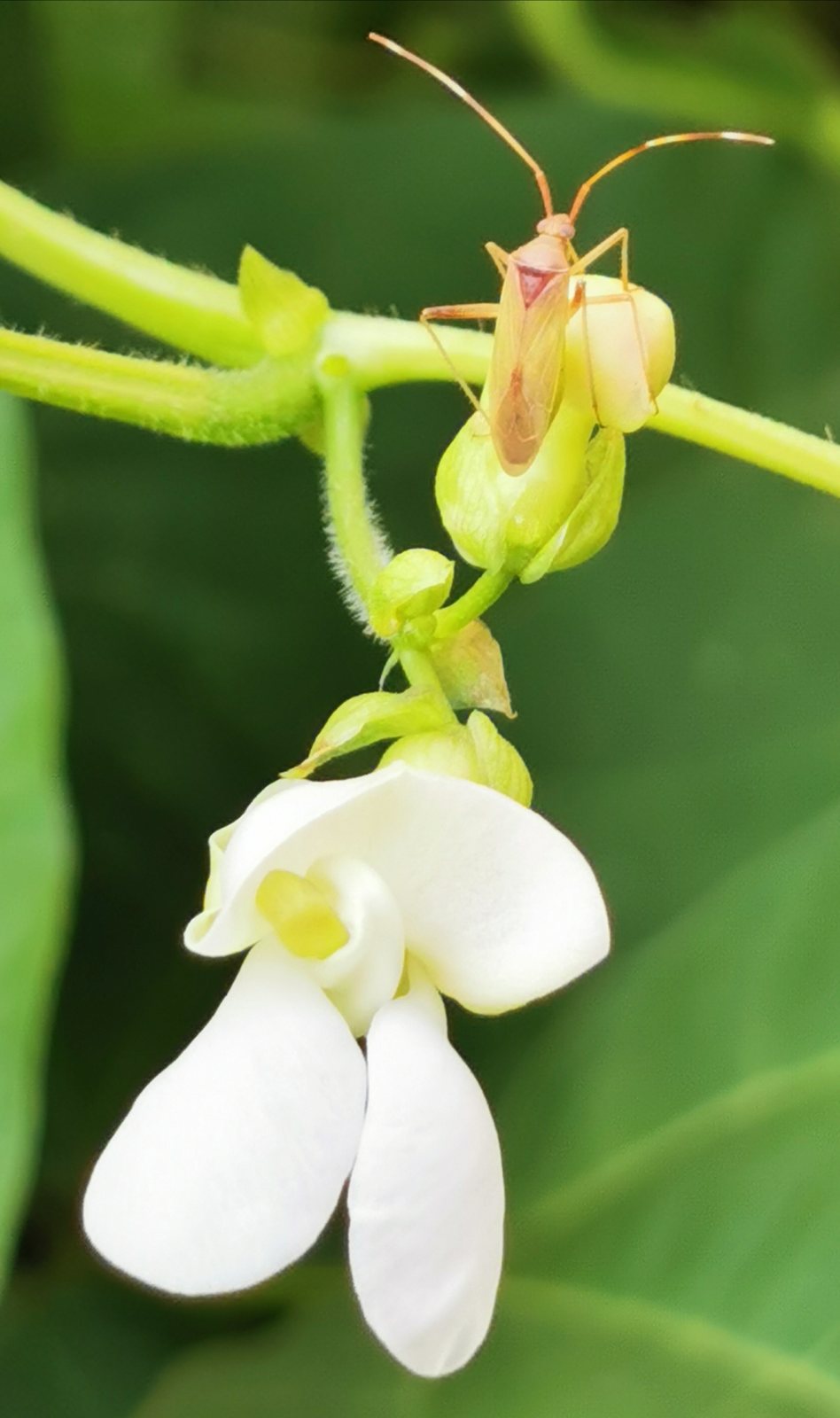
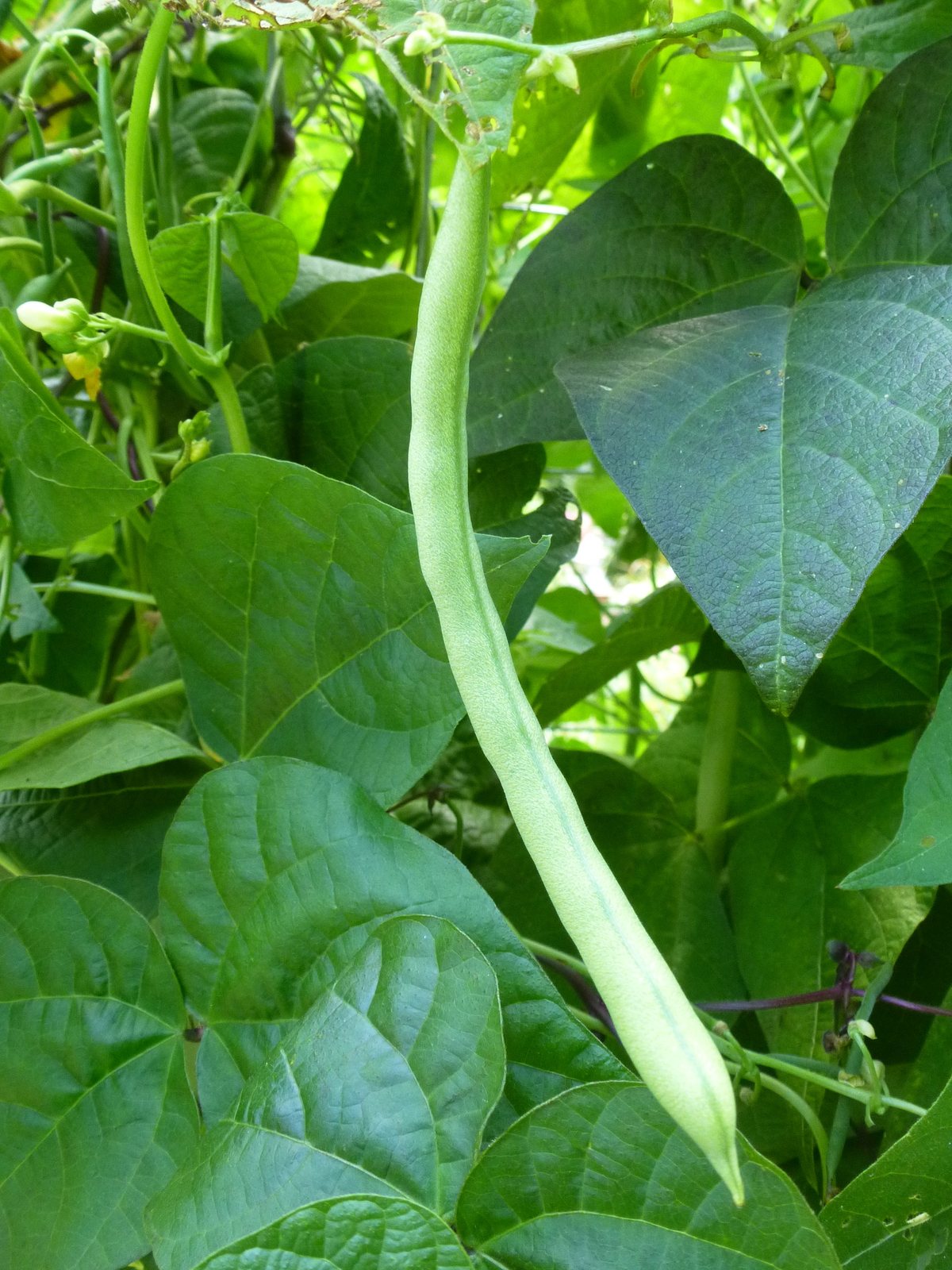
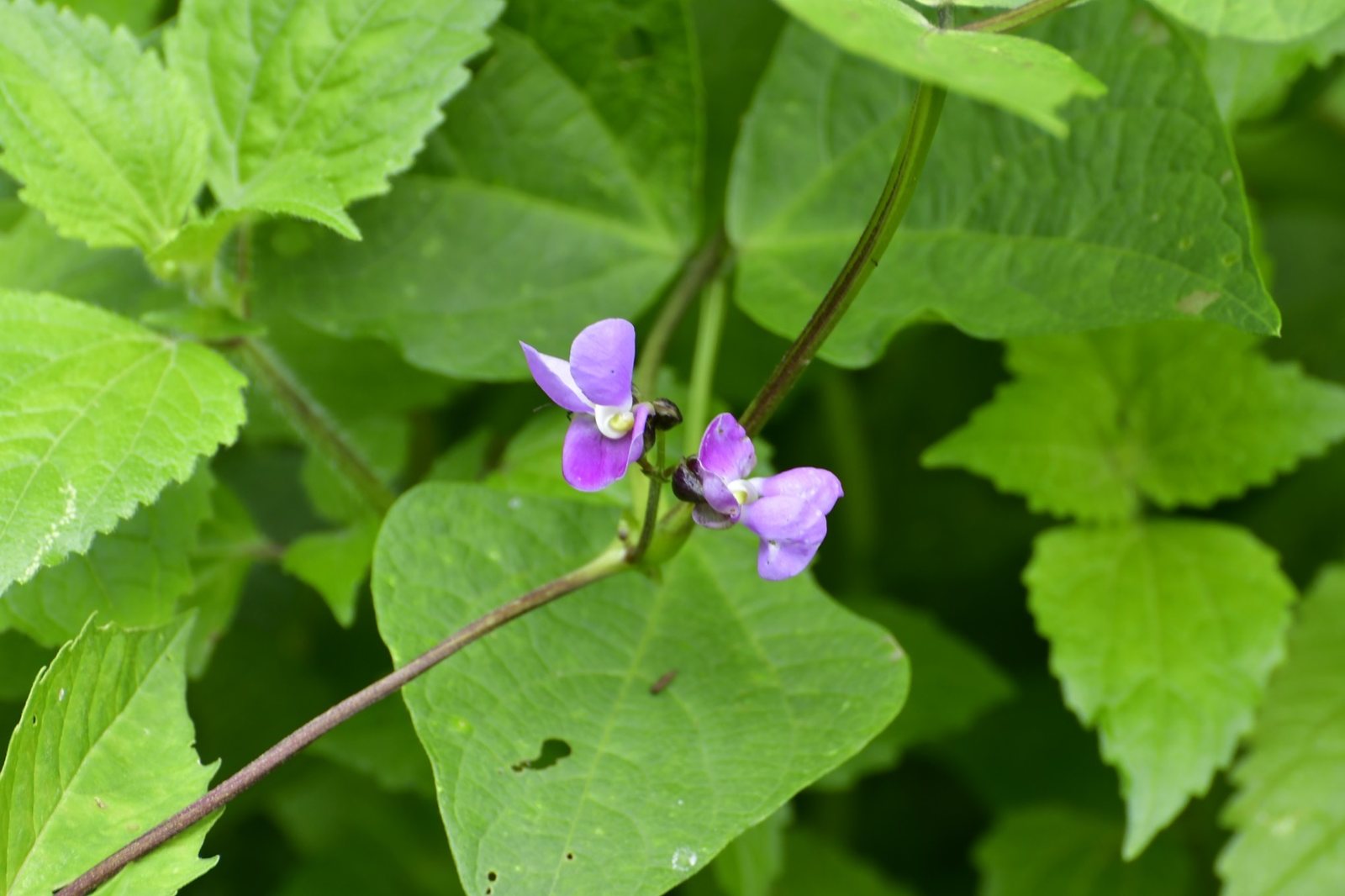
At a glance
- Sun
- Full sun, ideally at least 6-8 hours daily; light afternoon shade can help in very hot climates.
- Water
- Keep evenly moist, especially during flowering and pod development. Aim for about 1 in (2.5 cm) of water weekly, including rain, and more during hot, dry weather.
- Soil
- Fertile, well-drained soil with compost added before planting; slightly acidic to neutral, around pH 6.0-7.0.
- Height
- 6-10 ft (1.8-3 m)
- Spread
- 1-2 ft (0.3-0.6 m) per plant when supported
- Flowers
- Small white to pale lilac pea-shaped flowers in summer, continuing while plants grow and crop.
- Foliage
- Green leaves divided into three broad, pointed leaflets on twining stems.
- Growth
- Fast in warm weather
- Care needed
- Medium
The year at a glance
- Pollinators
- Low allergen
- Edible
| J | F | M | A | M | J | J | A | S | O | N | D | |
|---|---|---|---|---|---|---|---|---|---|---|---|---|
| Flowers | ||||||||||||
| Fruit | ||||||||||||
| Plant |
Northern hemisphere months. In Australia, shift them by six.
- Difficulty
- Moderate
- Toughness
- Needs looking after
Will it suit your garden?
Pick your zone, country, light and whether you have pets.
Full sun is 6 or more hours of direct sun a day, part shade 3 to 6 hours, shade under 3.
How it grows
Planting day
0.9 ft (0.29 m)
After 1 year
8 ft (2.4 m)
full size
Full size in one season.
From a typical nursery size, at an average rate for this kind of plant. A rule of thumb, not a forecast.
Good to know
- Cats and dogs
- Mildly toxic: may upset a stomach
- Growth rate
- Fast
Care
Jobs through the year
- FeedApr–May
- Incorporate compost before sowing; avoid heavy nitrogen feeding.
- ProtectMay–Jun
- Install sturdy climbing supports before sowing and protect emerging seedlings from slugs.
- WaterMay–Jun, Sep, every 7 days
- Supply about 2.5 cm weekly including rain, watering at soil level.
- WaterJul–Aug, every 3 days
- Keep soil evenly moist during flowering and pod growth; skip watering when rainfall suffices.
- MulchJun
- Mulch after the soil warms to conserve moisture and suppress weeds.
- HarvestJul–Oct
- Pick tender pods before seeds bulge; leave selected pods to dry only if dried beans are wanted.
- Install a strong trellis, poles or bean teepee before sowing.
- Sow after frost danger has passed and soil is at least 60°F (16°C), spacing seeds about 4-6 in (10-15 cm) apart.
- Water at soil level and avoid handling plants while leaves are wet.
- Mulch once the soil is warm to conserve moisture and suppress weeds.
- Add compost before planting; avoid heavy nitrogen feeding, which encourages leaves at the expense of pods.
- Guide young shoots onto their supports and pick pods frequently.
Pruning. Routine pruning is unnecessary. Pinch out growing tips if vines exceed their support, and remove badly diseased leaves without stripping healthy foliage.
Harvest
Begin picking roughly 65-75 days after sowing in warm conditions, taking green pods while tender, usually around 6-8 in (15-20 cm) long and before the seeds bulge. Hold the vine while snapping or cutting off each pod, and harvest every few days; older pods become stringy. For dried beans, leave selected pods until brown and papery, then shell and dry the seeds thoroughly before storage.
Through the year
- Early spring
- Choose a sunny site, add compost and prepare a sturdy climbing support.
- Late spring
- Direct-sow once frost danger has passed and the soil has warmed to at least 60°F (16°C).
- Early summer
- Guide young vines onto supports and mulch after the soil is warm.
- Summer
- Water consistently during flowering and pod formation; check leaf undersides for pests.
- Summer to early autumn
- Pick tender pods every few days to maintain production.
- Autumn
- Collect fully dry pods for seed if wanted, then remove spent vines before they become a source of disease.
In the garden
- Train over a bean teepee as a productive focal point in a vegetable garden.
- Grow along a sunny trellis at the back of raised beds to save ground space.
- Use on a sturdy arch between vegetable beds, keeping pods within easy reach.
- Combine with low-growing lettuce or radishes in a potager, allowing room to harvest the beans.
Garden styles it suits: Potager (kitchen garden), Cottage garden, Farmhouse, Edible landscape, Homestead and Small-space.
Plant it with: Lettuce, Radish, Carrot, Swiss chard, Nasturtium and Sweet alyssum.
Wildlife: Flowers may attract bees, although common beans usually self-pollinate. Slugs, snails, rabbits and deer may eat young growth.
Problems to watch for
- Slugs and snails can destroy emerging seedlings: check after dark, remove hiding places and use iron-phosphate bait according to its label if needed.
- Aphids cluster on soft shoots: dislodge with water and encourage predators; use insecticidal soap labelled for edible crops if infestations persist.
- Bean rust causes rusty pustules on leaves: improve spacing, water at the base and remove affected foliage; rotate the planting site.
- Flowers may drop without setting pods during extreme heat, drought or cold: maintain steady moisture and allow cropping to resume when temperatures moderate.
Safety
Raw or undercooked beans contain lectins that can cause nausea, vomiting and diarrhoea in people; mature seeds are the main concern. Raw beans can also cause digestive illness in cats and dogs, so keep them out of reach. Horse-specific toxicity information is limited; do not offer raw beans as feed. Cook pods before eating, and soak dried seeds and boil them thoroughly rather than relying on a slow cooker alone.
Easily confused with
Runner bean (Phaseolus coccineus)
Usually has larger flower clusters, often scarlet, and broader, rougher pods; white-flowered varieties also exist. It generally tolerates cooler summers better than common beans.
Bush bean 'Kentucky Wonder' (Phaseolus vulgaris 'Kentucky Wonder Bush')
Forms a compact, self-supporting plant rather than long twining vines. Check seed packets carefully because the similar name does not indicate the same growth habit.
Yardlong bean (Vigna unguiculata subsp. sesquipedalis)
Produces much longer, slender pods, commonly 12-30 in (30-75 cm), and needs more sustained heat.
The name
The species name vulgaris means 'common', while 'pole bean' describes its climbing habit and need for support.
Propagation. Grow from seed, preferably sown directly about 1-1.5 in (2.5-4 cm) deep in warm soil. To save seed, let healthy pods mature and dry on the vine, then shell and store the fully dry seeds in a cool, dry place; occasional crossing with nearby common beans is possible.
Checked against open data
- Accepted botanical name
- Phaseolus vulgaris
- In the US and Canada
- Introduced in the lower 48 states, Pacific Basin, Puerto Rico and US Virgin Islands.
- Native range
- Costa Rica, Guatemala, Honduras, Mexico Central, Mexico Gulf, Mexico Northeast, Mexico Northwest, Mexico Southeast, Mexico Southwest, Nicaragua, Panamá and Argentina Northwest.
- Measured
- Soil pH 6.5 to 7. Average height 60 cm.
Sources: GBIF (CC BY 4.0), USDA PLANTS and Trefle (CC BY 4.0). The care and design notes are LandscapeGPT's own.
See it in your own yard.
Upload a photo of your yard and see it redesigned with plants that suit your climate, each checked against your zone.