Red gooseberry 'Hinnonmaki Red'
Ribes uva-crispa 'Hinnonmaki Red'. Family Grossulariaceae. Shrub.
Also called Gooseberry 'Hinnomäki Red', Gooseberry 'Hinnomaki Red'.
A compact, thorny, deciduous fruit bush grown for red gooseberries with sweet flesh and tangy skins, suitable for eating fresh or cooking. This self-fertile Finnish selection has good resistance to American gooseberry mildew and crops best where winters are cold and summers are relatively cool.
At a glance
- Sun
- Full sun in cool climates; light afternoon shade where summers are hot.
- Water
- Keep evenly moist, especially during flowering and fruit swelling; avoid waterlogged soil.
- Soil
- Fertile, well-drained loam with plenty of organic matter; slightly acidic to neutral soil is ideal.
- Height
- 3-5 ft (0.9-1.5 m)
- Spread
- 3-5 ft (0.9-1.5 m)
- Flowers
- Small, inconspicuous greenish flowers, sometimes flushed pink, in spring.
- Foliage
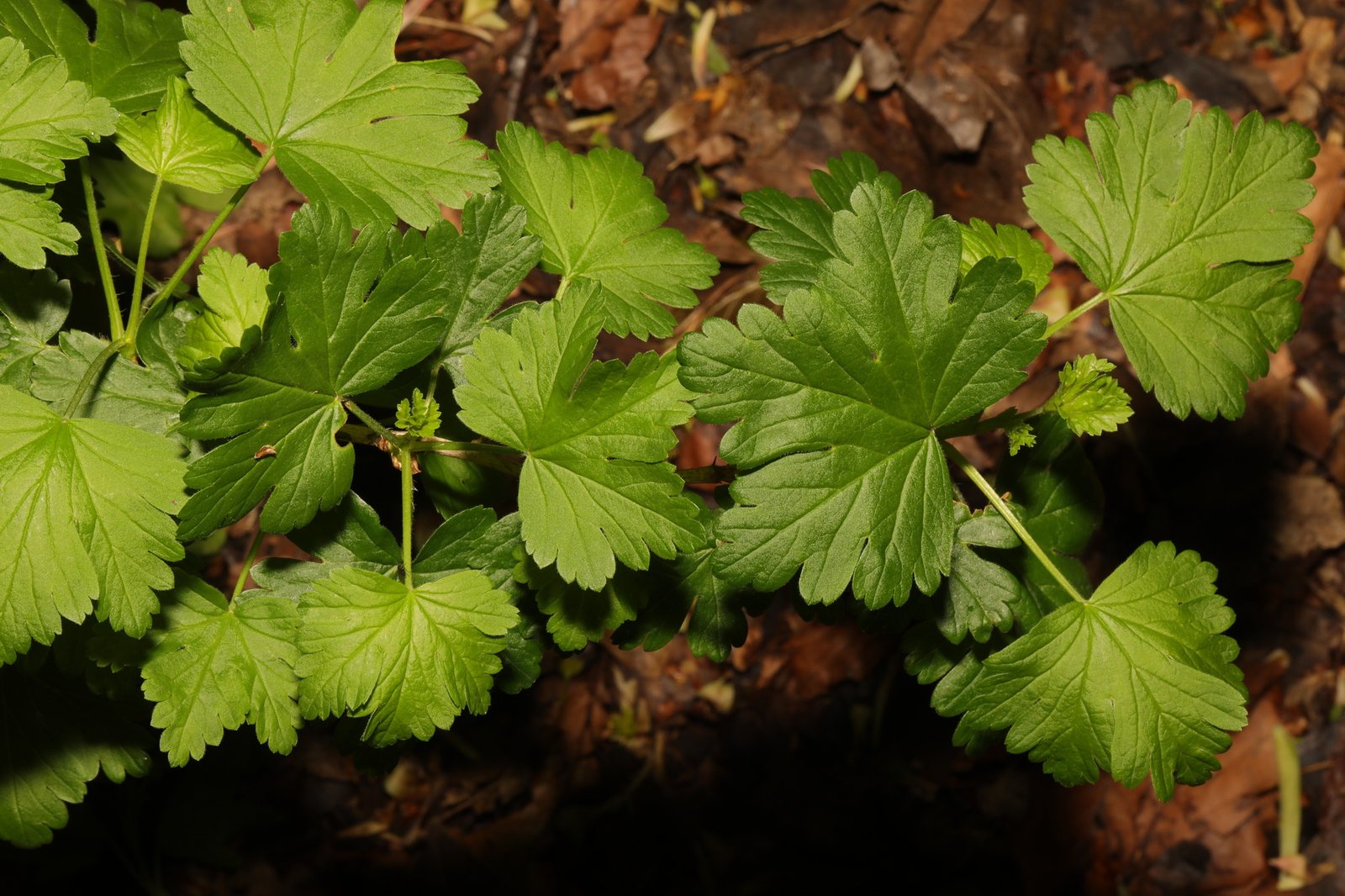
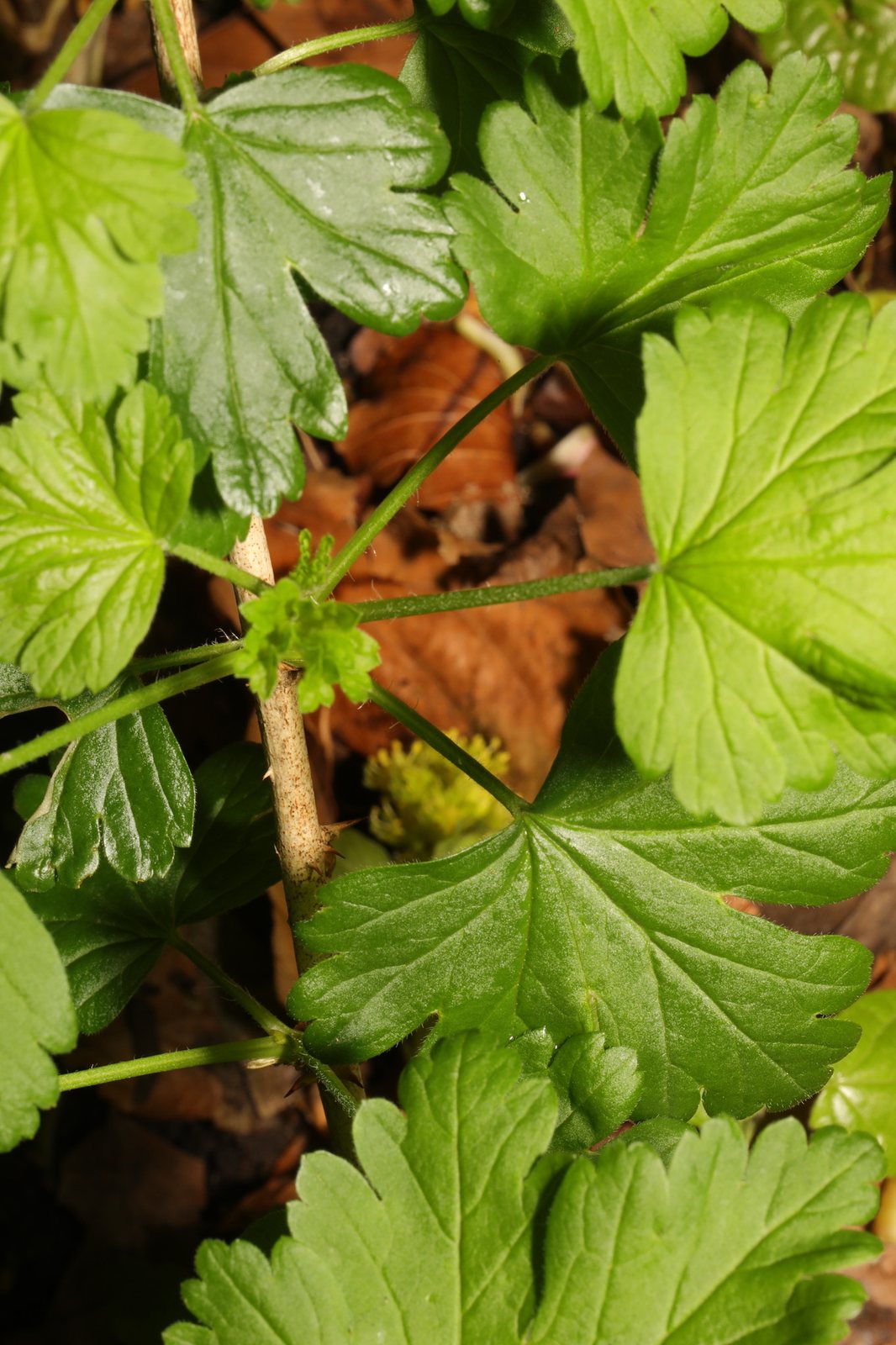
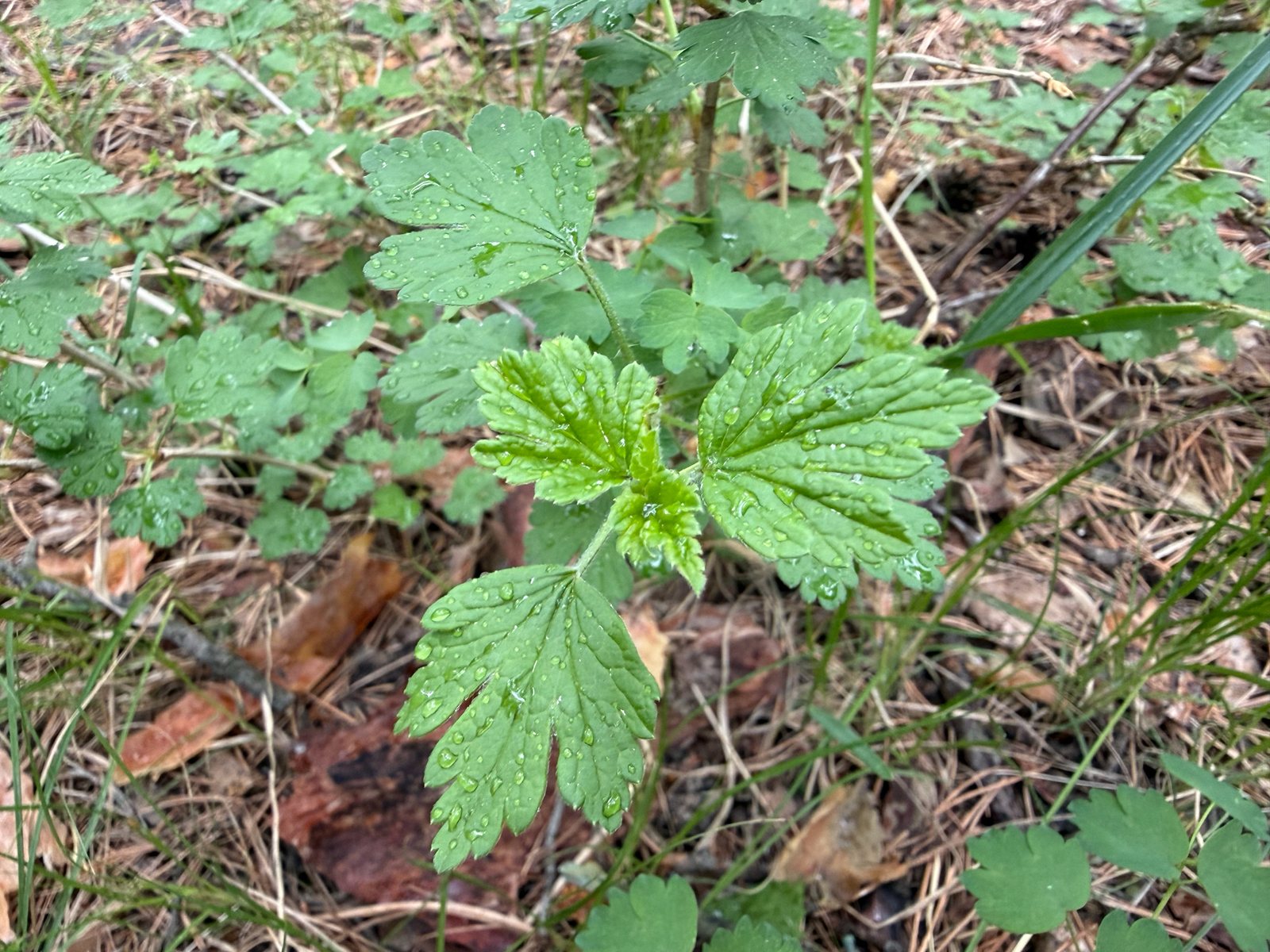
- Small, rounded, deeply lobed green leaves on prickly stems; leaves fall in autumn.
- Growth
- Moderate
- Care needed
- Medium
The year at a glance
- Pollinators
- Cold hardy
- Disease resistant
- Wildlife
- Low allergen
- Edible
| J | F | M | A | M | J | J | A | S | O | N | D | |
|---|---|---|---|---|---|---|---|---|---|---|---|---|
| Flowers | ||||||||||||
| Fruit | ||||||||||||
| Plant |
Northern hemisphere months. In Australia, shift them by six.
- Difficulty
- Easy
- Toughness
- Fairly tough
Will it suit your garden?
Pick your zone, country, light and whether you have pets.
Full sun is 6 or more hours of direct sun a day, part shade 3 to 6 hours, shade under 3.
How it grows
Planting day
1.6 ft (0.5 m)
After 1 year
2.1 ft (0.64 m)
After 2 years
2.6 ft (0.78 m)
After 3 years
3 ft (0.92 m)
After 5 years
4 ft (1.2 m)
full size
About 5 years to full size.
From a typical nursery size, at an average rate for this kind of plant. A rule of thumb, not a forecast.
Good to know
- Cats and dogs
- Safe
- Growth rate
- Moderate
Care
Jobs through the year
- WaterApr, Aug–Oct, every 14 days
- Water established bushes deeply in dry spells; young plants and containers need more frequent attention.
- WaterMay–Jul, every 7 days
- Water as needed after rainfall, keeping roots evenly moist while berries swell.
- FeedMar
- Apply compost and a modest balanced fruit feed; avoid excess nitrogen.
- MulchMar–Apr
- Apply 5-8 cm of compost or well-rotted organic matter, keeping stem bases clear.
- PruneJan–Feb
- Remove dead, crossing and trailing branches and thin older wood to maintain an open centre.
- PruneJul–Aug
- Shorten surplus side shoots to about five leaves, retaining framework and replacement shoots.
- ProtectJun–Jul
- Protect colouring fruit with supported, taut wildlife-safe netting and check daily.
- HarvestJun–Jul
- Pick firm berries for cooking or fully red, slightly yielding berries for eating fresh; avoid thorns.
- Water deeply during dry spells, particularly while fruit is swelling; container plants need more frequent checks.
- Apply compost and a modest dressing of balanced fruit fertiliser in early spring; avoid excessive nitrogen.
- Mulch with 2-3 in (5-8 cm) of compost or well-rotted organic matter, keeping it clear of the stem bases.
- Space bushes about 4-5 ft (1.2-1.5 m) apart for access and airflow.
- Use taut, wildlife-safe fruit netting as berries colour, checking it regularly for trapped animals.
- Before planting in the United States, check local Ribes restrictions related to white pine blister rust.
Pruning. In winter, remove dead, crossing and low trailing branches, then thin some of the oldest wood to maintain an open centre and a mix of young and mature stems. In summer, shorten nonessential side shoots to about five leaves without removing the main framework or replacement shoots.
Harvest
Pick in early to midsummer, depending on climate; firm, partly coloured berries suit cooking, while fully red berries that yield slightly to gentle pressure are ready for fresh eating. Pick carefully around the thorns, and expect the first worthwhile crop about 2-3 years after planting.
Through the year
- Autumn
- Plant dormant bushes once leaves have fallen, provided the soil is workable and not waterlogged.
- Winter
- Prune dormant bushes to open the centre and renew older branches; plant bare-root bushes during suitable weather.
- Early spring
- Feed lightly, replenish mulch and check emerging leaves for sawfly larvae.
- Late spring
- Keep soil moist as fruit sets and inspect leaf undersides for feeding larvae.
- Summer
- Protect colouring fruit from birds and harvest progressively as berries ripen.
- Late summer
- Shorten surplus side shoots and continue watering during dry weather.
In the garden
- Plant in a dedicated berry bed with currants, leaving room to reach thorny branches.
- Train as a cordon along wires in a small kitchen garden to simplify picking and pruning.
- Use in a mixed edible border with low herbs at the front, keeping the bush base accessible.
- Grow in a large container on a sunny, cool patio where watering can be monitored.
Garden styles it suits: Cottage garden, Potager (kitchen garden), Edible landscape, Homestead, Backyard orchard and English country.
Plant it with: Redcurrant, Blackcurrant, Chives, Calendula and Wild strawberry.
Wildlife: Spring flowers provide nectar and pollen for bees. Birds eat ripe fruit, and the dense, thorny branches provide some shelter.
Problems to watch for
- Gooseberry sawfly: larvae can strip leaves rapidly; inspect from spring onward and hand-pick larvae, checking leaf undersides.
- American gooseberry mildew: resistance is good but not complete; keep the centre open, avoid excess nitrogen and remove infected shoot tips.
- Bird damage: protect ripening berries with securely supported, taut wildlife-safe netting.
- White pine blister rust: gooseberries can host this disease; follow local planting restrictions and seek local advice before planting near susceptible white pines.
Safety
Not known to be toxic to people, cats, dogs or horses; the ripe berries are edible. The sharp thorns can puncture skin, and eating large quantities of fruit may cause digestive upset.
Easily confused with
Redcurrant (Ribes rubrum)
Redcurrants have thornless stems and long hanging strings of smaller berries; gooseberries bear larger fruits singly or in small groups.
Blackcurrant (Ribes nigrum)
Blackcurrants have thornless stems, strongly aromatic leaves when rubbed and clusters of black berries.
Jostaberry (Ribes × nidigrolaria)
Jostaberries are usually larger, more vigorous, thornless bushes with dark purple-black fruit rather than red gooseberries.
The name
The botanical epithet uva-crispa means 'curled grape', while 'Hinnonmaki Red' refers to the cultivar's Finnish origin and red fruit.
Propagation. Take hardwood cuttings after leaf fall or layer a low branch into soil and detach it once well rooted. Seed-grown plants will not reliably retain this cultivar's fruit quality.
Checked against open data
- Accepted botanical name
- Ribes uva-crispa
- In the US and Canada
- Introduced in Canada and the lower 48 states.
- Native range
- Albania, Algeria, Austria, Belgium, Bulgaria, Czechoslovakia, France, Germany, Greece, Hungary, Iran and Italy.
- Measured
- Soil pH 5.5 to 6.5. Average height 100 cm.
Sources: GBIF (CC BY 4.0), USDA PLANTS and Trefle (CC BY 4.0). The care and design notes are LandscapeGPT's own.
See it in your own yard.
Upload a photo of your yard and see it redesigned with plants that suit your climate, each checked against your zone.