Spicebush
Lindera benzoin. Family Lauraceae. Shrub.
Also called Northern spicebush, Wild allspice, Benjamin bush.
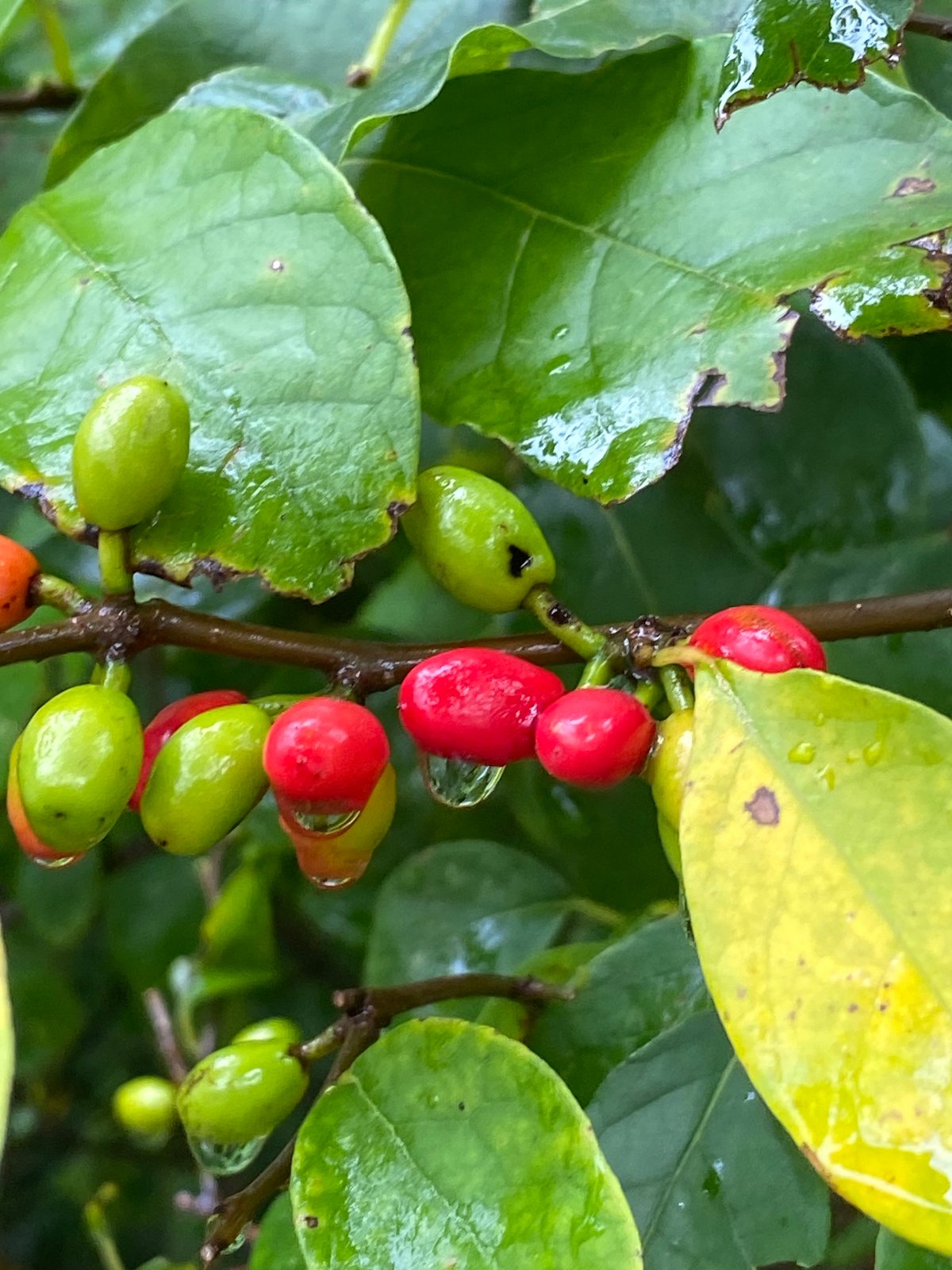
Spicebush is a deciduous shrub native to eastern North America, grown for its early yellow flowers, aromatic leaves and clear yellow autumn colour. Female plants produce glossy red fruits when a male plant is nearby; its loose, rounded shape suits woodland edges and informal gardens.
At a glance
- Sun
- Partial shade is ideal; tolerates full sun with consistently moist soil and deeper shade with fewer flowers and fruits.
- Water
- Keep evenly moist, especially during establishment; established plants tolerate brief dry spells but struggle in prolonged drought.
- Soil
- Moist, humus-rich, well-drained soil; prefers slightly acidic conditions but tolerates neutral and mildly alkaline soils.
- Height
- 6-12 ft (1.8-3.7 m)
- Spread
- 6-12 ft (1.8-3.7 m)
- Flowers
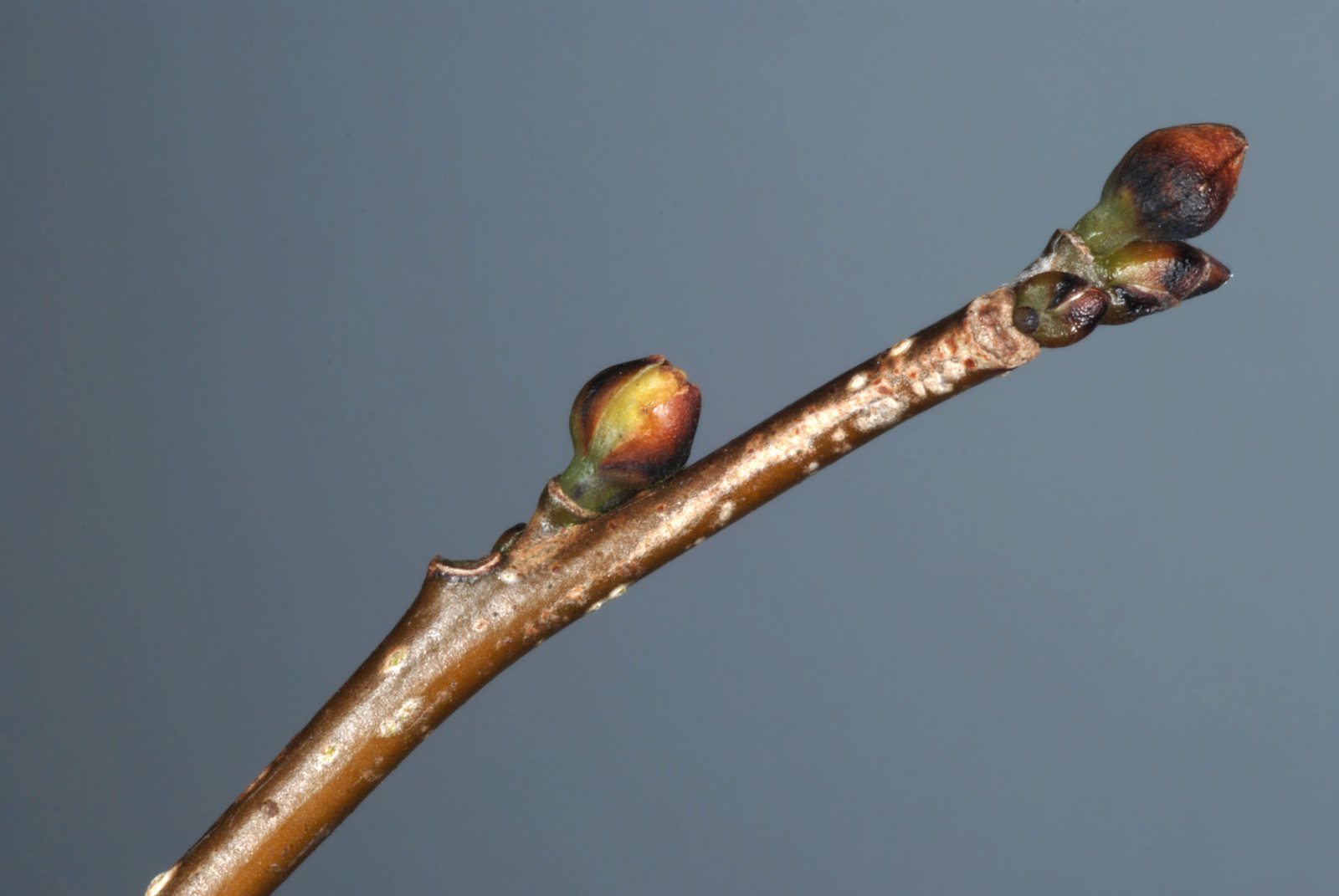
- Early spring, before the leaves open; small yellow flowers clustered along bare stems.
- Foliage
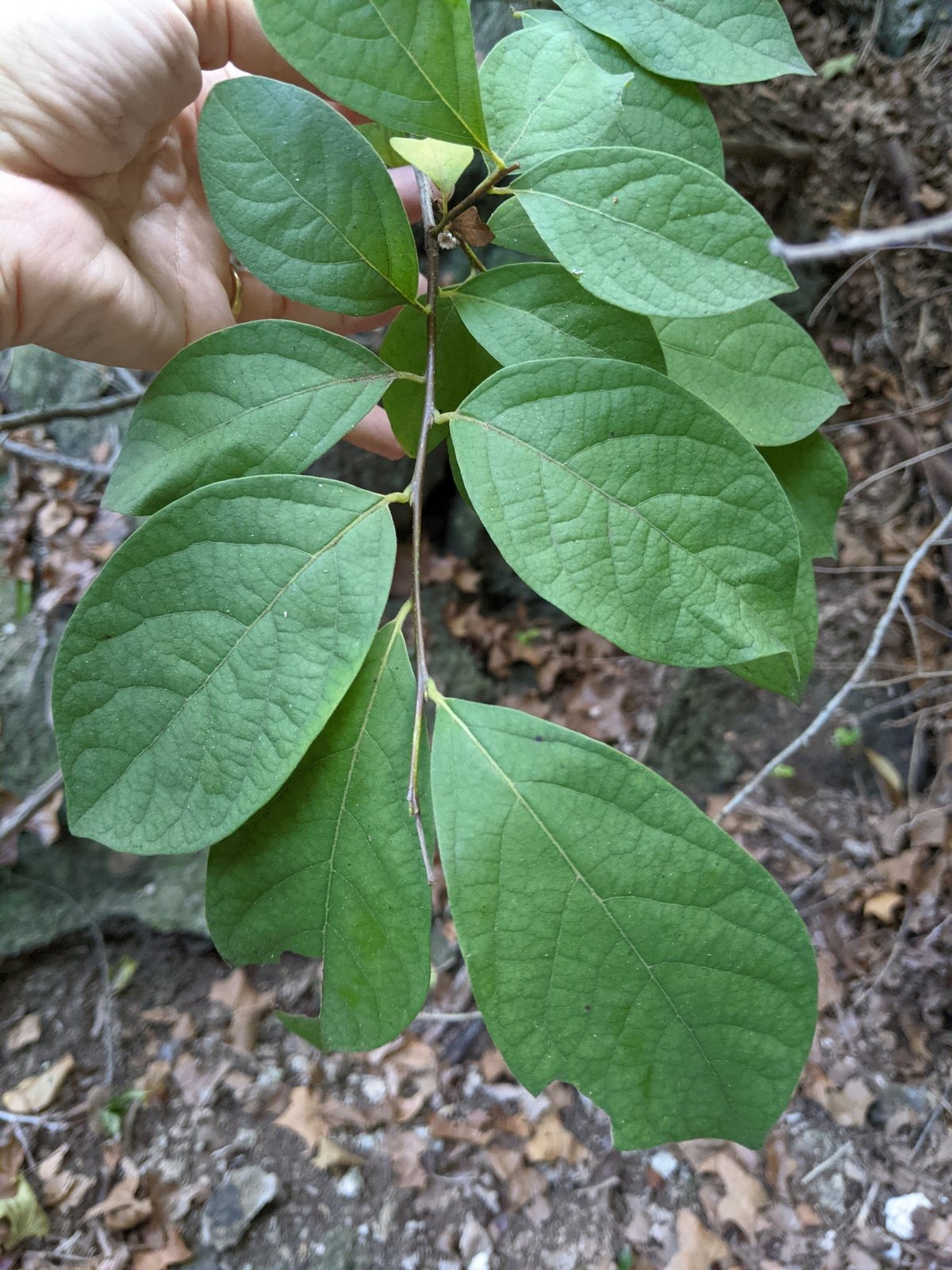
- Alternate, oval, light to medium green leaves with a spicy scent when crushed; yellow in autumn.
- Growth
- Moderate
- Care needed
- Low
The year at a glance
- Pollinators
- Cold hardy
- Heat tolerant
- Wildlife
- Fragrant
| J | F | M | A | M | J | J | A | S | O | N | D | |
|---|---|---|---|---|---|---|---|---|---|---|---|---|
| Flowers | ||||||||||||
| Fruit | ||||||||||||
| Plant |
Northern hemisphere months. In Australia, shift them by six.
- Difficulty
- Easy
- Toughness
- Fairly tough
Will it suit your garden?
Pick your zone, country, light and whether you have pets.
Full sun is 6 or more hours of direct sun a day, part shade 3 to 6 hours, shade under 3.
How it grows
Planting day
1.6 ft (0.5 m)
After 1 year
3 ft (0.95 m)
After 2 years
5 ft (1.4 m)
After 3 years
6 ft (1.8 m)
After 5 years
9 ft (2.8 m)
full size
About 5 years to full size.
From a typical nursery size, at an average rate for this kind of plant. A rule of thumb, not a forecast.
Good to know
- Cats and dogs
- Safe
- Native to
- the US and Canada
- Growth rate
- Moderate
Care
Jobs through the year
- WaterApr–May, Sep–Oct, every 14 days
- Water established shrubs deeply in dry spells; keep young plants consistently moist for their first two seasons.
- WaterJun–Aug, every 7 days
- Water during prolonged dry weather, especially in sunny positions; skip when rainfall keeps soil moist.
- MulchMar–Apr
- Apply 5–8 cm of leaf mould or composted bark, clear of stems; add compost on poor soil.
- PruneApr–May
- After flowering, remove damaged or crossing branches; thin older stems sparingly to retain fruit.
- Water deeply during dry spells for the first two growing seasons.
- Apply 2-3 in (5-8 cm) of leaf mould or composted bark, keeping it clear of the stems.
- Top-dress with compost in spring; routine fertiliser is usually unnecessary.
- For fruit, plant a confirmed male near one or more females; unsexed seedlings do not guarantee both sexes.
- Choose the planting position carefully, as established shrubs can be difficult to transplant.
Pruning. Prune lightly just after flowering, removing dead, damaged or crossing branches. Avoid shearing; if an older shrub needs thinning, remove a few of its oldest stems at ground level, accepting some loss of fruit.
Through the year
- Early spring
- Refresh mulch and top-dress poor soil with compost.
- Spring
- Check flowering plants for male and female flowers if fruit production matters.
- Late spring
- After flowering, remove damaged wood and lightly thin crowded stems if needed.
- Summer
- Water during extended dry weather and check for leaf scorch.
- Late summer
- Leave ripening red fruits for birds, or collect some for immediate sowing.
- Autumn
- Plant while the soil is moist and retain fallen leaves beneath the shrub as mulch.
In the garden
- Group beneath high-canopied deciduous trees for early flowers and yellow autumn foliage.
- Use along a moist woodland path where the scented leaves can be appreciated.
- Combine with ferns, sedges and spring woodland flowers in a layered shade border.
- Include in an informal native shrub hedge or wildlife planting in eastern North America.
Garden styles it suits: Woodland, Wildlife garden, Sensory garden, Autumn colour, Rewilded and Low-maintenance.
Plant it with: Virginia bluebells, Wild ginger, Christmas fern, Foamflower, Pennsylvania sedge and Oakleaf hydrangea.
Wildlife: In its native North American range, it is a host plant for spicebush swallowtail caterpillars and sometimes other butterflies. Early flowers provide food for small pollinating insects, and birds eat the fruits.
Problems to watch for
- Few or no fruits: female plants need a nearby male flowering at the same time; deep shade also reduces fruiting.
- Brown leaf edges or premature leaf drop: water deeply during drought and maintain mulch, especially in sunny positions.
- Poor growth or root decline in stagnant soil: improve drainage or move a young plant to a moist but freely draining site.
- Chewed leaves from swallowtail caterpillars in North America: usually tolerate the damage; avoid spraying these butterfly larvae.
Safety
Not known to be toxic to people, cats, dogs or horses. Leaves, twigs and fruits have traditional culinary uses, but animal safety data are limited; do not treat the shrub as livestock feed or allow pets to eat large quantities.
Easily confused with
Sassafras (Sassafras albidum)
Also aromatic, but usually develops into a tree and commonly carries a mixture of unlobed, mitten-shaped and three-lobed leaves; spicebush leaves are unlobed.
Carolina allspice (Calycanthus floridus)
Has opposite rather than alternate leaves and large, dark reddish-brown flowers in late spring or summer, rather than tiny yellow flowers before leaf-out.
The name
Spicebush refers to the spicy scent released by its leaves, twigs and fruits when crushed.
Propagation. Sow freshly collected, cleaned seed outdoors in autumn and do not let it dry out. Germination can be slow and may take two spring seasons. Softwood cuttings in early summer are possible but can be difficult to root.
Checked against open data
- Accepted botanical name
- Lindera benzoin
- In the US and Canada
- Native in Canada and the lower 48 states.
- Native range
- Alabama, Arkansas, Connecticut, Delaware, District of Columbia, Florida, Georgia, Illinois, Indiana, Kansas, Kentucky and Louisiana.
- Measured
- Soil pH 4.5 to 6. Average height 345 cm.
Sources: GBIF (CC BY 4.0), USDA PLANTS and Trefle (CC BY 4.0). The care and design notes are LandscapeGPT's own.
See it in your own yard.
Upload a photo of your yard and see it redesigned with plants that suit your climate, each checked against your zone.