Spineless yucca
Yucca gigantea. Family Asparagaceae. Tree.
Also called Giant yucca, Soft-tip yucca, Yucca elephantipes.
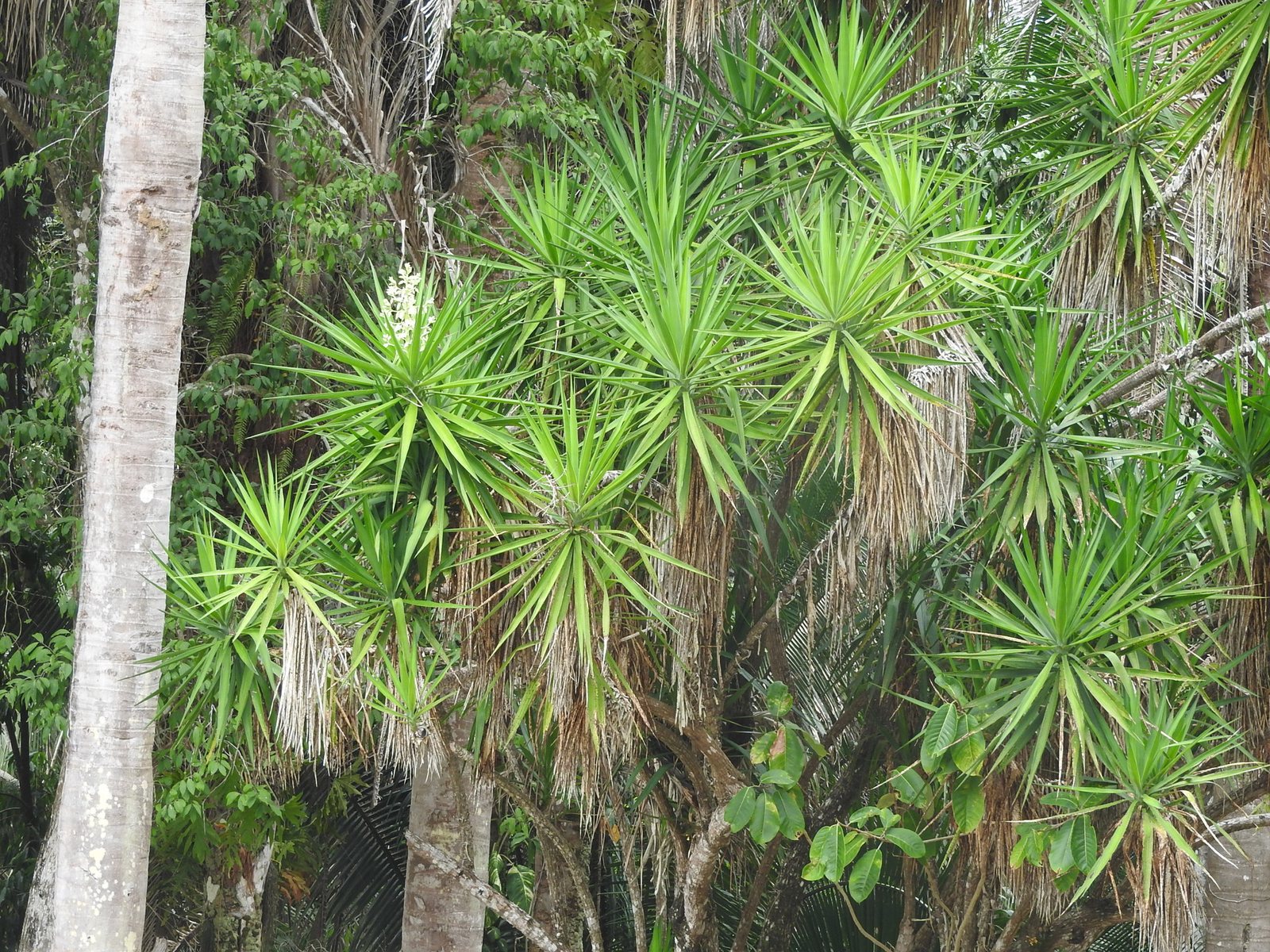
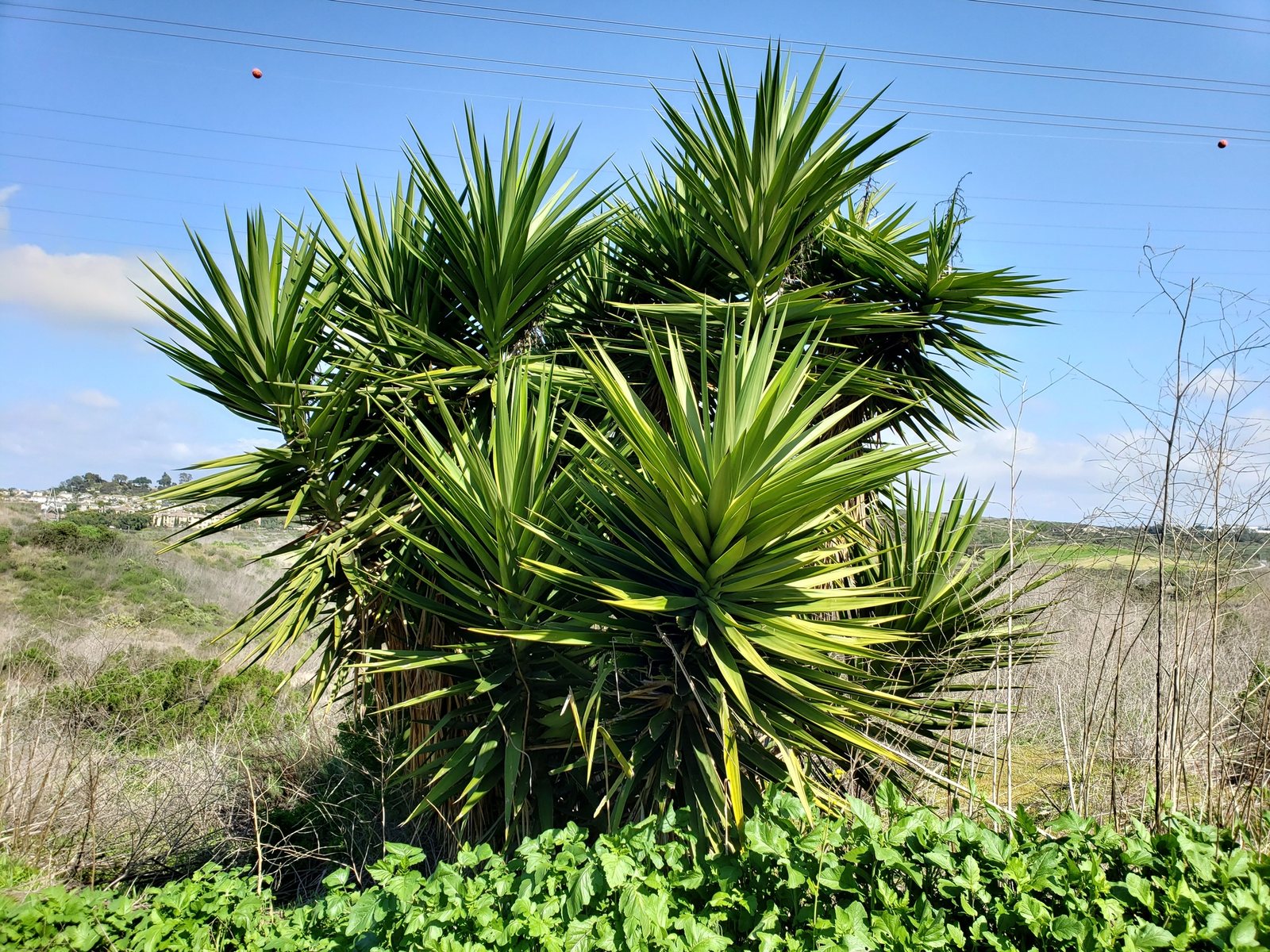
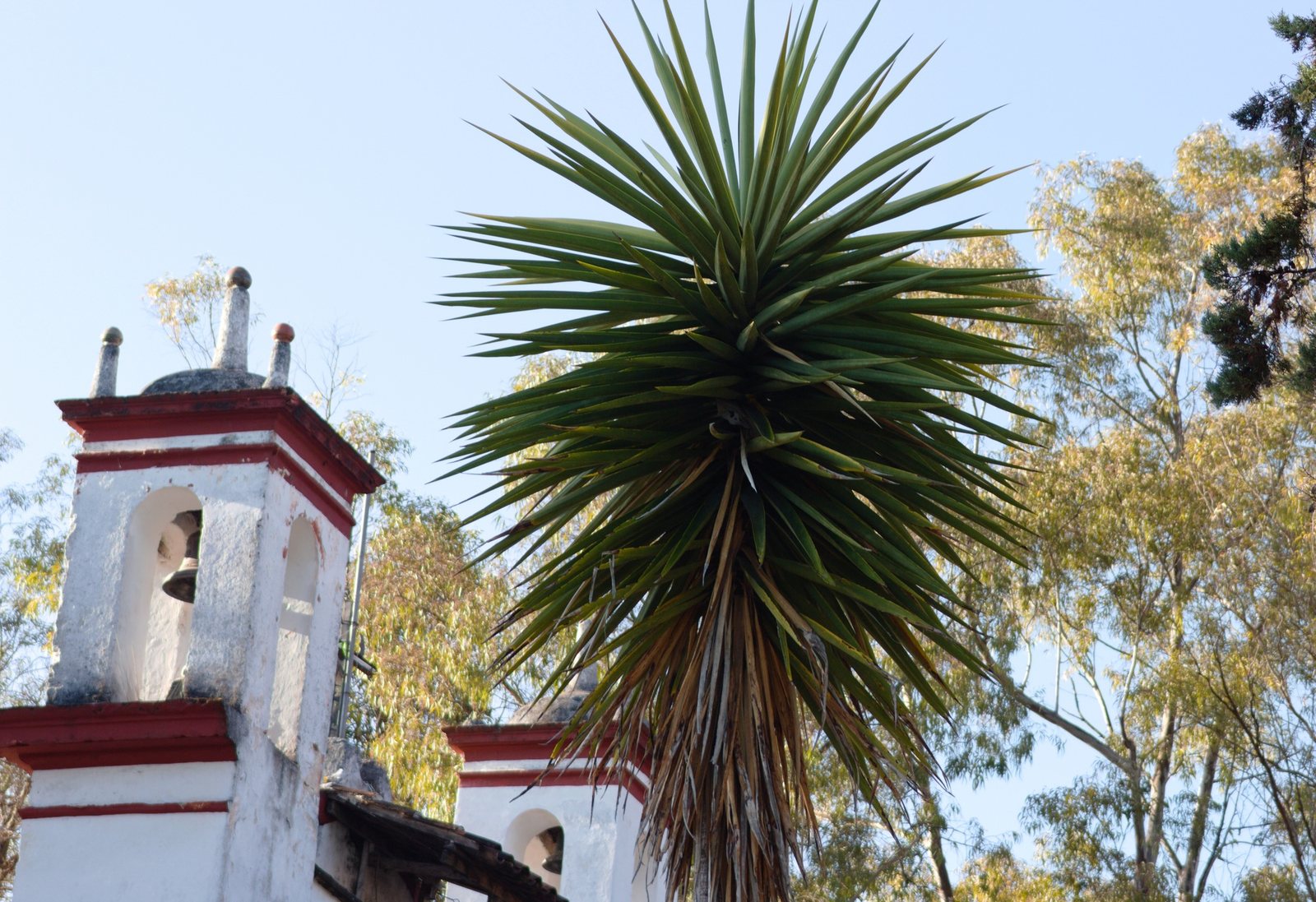
Spineless yucca is an evergreen, branching tree with thick trunks and rosettes of long green leaves. Gardeners grow it for its bold outline and drought tolerance in warm gardens, or in containers that can be brought indoors for winter. Its leaves lack the fierce terminal spine of many yuccas, but their tips and edges can still scratch.
At a glance
- Sun
- Full sun to partial shade outdoors; bright light indoors. Acclimatise indoor plants gradually before moving them into direct summer sun.
- Water
- Water young plants regularly while they establish, allowing the soil surface to dry between waterings. Established plants tolerate drought; container plants need watering once the upper few inches of compost have dried. Keep much drier in winter.
- Soil
- Freely draining sandy, gravelly or loamy soil. Avoid waterlogged clay and use a free-draining potting mix in containers.
- Height
- 15-30 ft (4.6-9.1 m) outdoors; usually 4-8 ft (1.2-2.4 m) in containers
- Spread
- 8-15 ft (2.4-4.6 m) outdoors; usually 2-4 ft (0.6-1.2 m) in containers
- Flowers
- Mature outdoor plants may produce upright clusters of creamy-white, bell-shaped flowers in summer or early autumn. Flowering is uncommon indoors.
- Foliage
- Evergreen. Long, strap-shaped green leaves form dense rosettes at the ends of branches; older leaves droop before drying against the trunk.
- Growth
- Moderate in warm conditions; slow in cool climates or restricted containers.
- Care needed
- Low
The year at a glance
- Drought tolerant
- Heat tolerant
- Low allergen
| J | F | M | A | M | J | J | A | S | O | N | D | |
|---|---|---|---|---|---|---|---|---|---|---|---|---|
| Flowers | ||||||||||||
| Plant |
Northern hemisphere months. In Australia, shift them by six.
- Difficulty
- Moderate
- Toughness
- Fairly tough
Will it suit your garden?
Pick your zone, country, light and whether you have pets.
Full sun is 6 or more hours of direct sun a day, part shade 3 to 6 hours, shade under 3.
How it grows
Planting day
7 ft (2 m)
After 1 year
7 ft (2.2 m)
After 2 years
8 ft (2.4 m)
After 3 years
8 ft (2.6 m)
After 5 years
10 ft (2.9 m)
About 26 years to full size.
From a typical nursery size, at an average rate for this kind of plant. A rule of thumb, not a forecast.
Good to know
- Cats and dogs
- Toxic
- Growth rate
- Slow
Care
Jobs through the year
- WaterApr–May, Sep, every 21 days
- Water established plants only when soil is dry; young plants and pots need more frequent checks.
- WaterJun–Aug, every 14 days
- Water deeply only after the root zone dries; check containers more often.
- WaterJan–Mar, Oct–Dec, every 35 days
- Under frost-free cover, water sparingly only when the compost is dry.
- FeedMay–Jul, every 30 days
- Feed container plants lightly with diluted balanced fertilizer; skip established garden plants.
- PruneApr–Jun
- Remove dead lower leaves; shorten overgrown stems only during warm active growth.
- DeadheadAug–Oct
- Cut any spent flower stalks close to their bases.
- ProtectJan–May, Sep–Dec
- Not reliably hardy in zones 6–7; overwinter in a bright, frost-free place and return outdoors after frost.
- Plant where water drains away quickly, with the trunk base at its original soil level.
- Water deeply during establishment, then allow the soil to dry between waterings.
- Feed container plants lightly with a balanced liquid fertiliser during spring and summer; established garden plants rarely need feeding.
- Use pots with drainage holes and empty saucers after watering.
- Move containers under cover before frost; keep them bright, cool and relatively dry through winter.
Pruning. In spring or early summer, remove dead lower leaves and cut spent flower stalks near their base. To reduce height, cut a trunk or branch to the desired level during warm growing weather; healthy plants usually produce new shoots below the cut.
Through the year
- Spring
- Check drainage, remove dead leaves and repot container plants only if roots have filled the pot.
- Late spring
- Move overwintered containers outdoors after frost risk has passed, gradually increasing their sun exposure.
- Early summer
- Shorten overgrown stems if needed and use healthy cut sections for propagation.
- Summer
- Check container moisture regularly and feed lightly while plants are actively growing.
- Autumn
- Stop feeding and bring tender container plants under cover before frost.
- Winter
- Water sparingly and check sheltered plants for scale insects and mealybugs.
In the garden
- Use as a branching focal point in a sunny, frost-free courtyard, leaving room for its mature canopy.
- Grow in a large, stable container to frame an entrance without crowding the walking route.
- Combine with agaves and low succulents in a gravel bed for contrasting leaf shapes.
- Plant with palms and bird of paradise for an evergreen, tropical-looking border.
Garden styles it suits: Architectural minimal, Contemporary minimal, Modern Mediterranean, Modern tropical, Dry gravel garden and Desert / xeriscape.
Plant it with: Foxtail agave, Aloe, Blue chalksticks, Bird of paradise, Dwarf bottlebrush and Lomandra.
Wildlife: Flowers can provide food for visiting insects, but successful pollination of yuccas normally depends on specialist yucca moths. Seed production is therefore uncommon where the appropriate pollinator is absent.
Problems to watch for
- Root or stem rot: soft trunks, yellowing leaves and sour-smelling compost usually indicate prolonged wetness. Reduce watering, improve drainage and take healthy stem cuttings if the base is rotting.
- Scale insects and mealybugs: inspect leaf bases and stems, remove small infestations by hand and use a labelled horticultural oil or insecticidal soap if needed.
- Frost damage: leaves may blacken or collapse after freezing. Move pots into shelter and wait until spring growth starts before cutting back damaged tissue.
- Leaf scorch: pale or brown patches can follow a sudden move from indoors into strong sun. Introduce direct sunlight gradually.
Safety
Toxic to cats, dogs and horses if eaten because it contains saponins. Chewed leaves and other plant parts can cause vomiting, diarrhoea and drooling; horses may develop more serious illness. Raw plant material can also cause stomach upset in people, and sap may irritate skin. Keep it away from pets that chew plants; leaf tips and edges can cause physical injury.
Easily confused with
Spanish bayonet (Yucca aloifolia)
Has much stiffer, narrower leaves ending in a hard, sharp spine; spineless yucca has broader, more flexible leaves without that rigid terminal spine.
Curve-leaf yucca (Yucca gloriosa var. tristis)
Usually forms a shorter, clumping shrub with arching leaves that retain sharp terminal spines, rather than a large tree with thick branching trunks.
Corn plant (Dracaena fragrans)
Has softer, broader leaves with smoother edges, often with a yellow or pale central stripe; its cane stems lack the swollen, rough base typical of older spineless yuccas.
The name
The species name gigantea means giant, referring to its large size, while spineless describes its lack of the hard terminal leaf spine found on many other yuccas.
Propagation. Take stem sections or detach rooted basal offsets in spring or summer. Allow cut surfaces to dry briefly, then place them in a freely draining propagation mix and keep warm and only lightly moist until rooted.
Checked against open data
- Accepted botanical name
- Yucca gigantea
- Native range
- Belize, Costa Rica, Guatemala, Honduras, Mexico Central, Mexico Gulf, Mexico Southeast, Mexico Southwest, Nicaragua and Panamá.
Sources: GBIF (CC BY 4.0) and Trefle (CC BY 4.0). The care and design notes are LandscapeGPT's own.
See it in your own yard.
Upload a photo of your yard and see it redesigned with plants that suit your climate, each checked against your zone.