Split-beard bluestem
Andropogon ternarius. Family Poaceae. Ornamental grass.
Also called Splitbeard bluestem, Silver bluestem.
Split-beard bluestem is a warm-season, clump-forming grass native to the eastern and southern United States. Gardeners grow it for its airy, silvery seed heads and coppery autumn foliage, which provide interest well into winter. It performs best in sunny, relatively dry gardens with warm summers.
At a glance
- Sun
- Full sun; shade weakens growth and encourages flopping.
- Water
- Water regularly while establishing; established plants tolerate drought and usually need water only during prolonged dry spells.
- Soil
- Well-drained sandy, gravelly or loamy soil; tolerates poor, acidic ground. Avoid persistently wet soil and heavy feeding.
- Height
- 2-4 ft (0.6-1.2 m)
- Spread
- 1-2 ft (0.3-0.6 m)
- Flowers
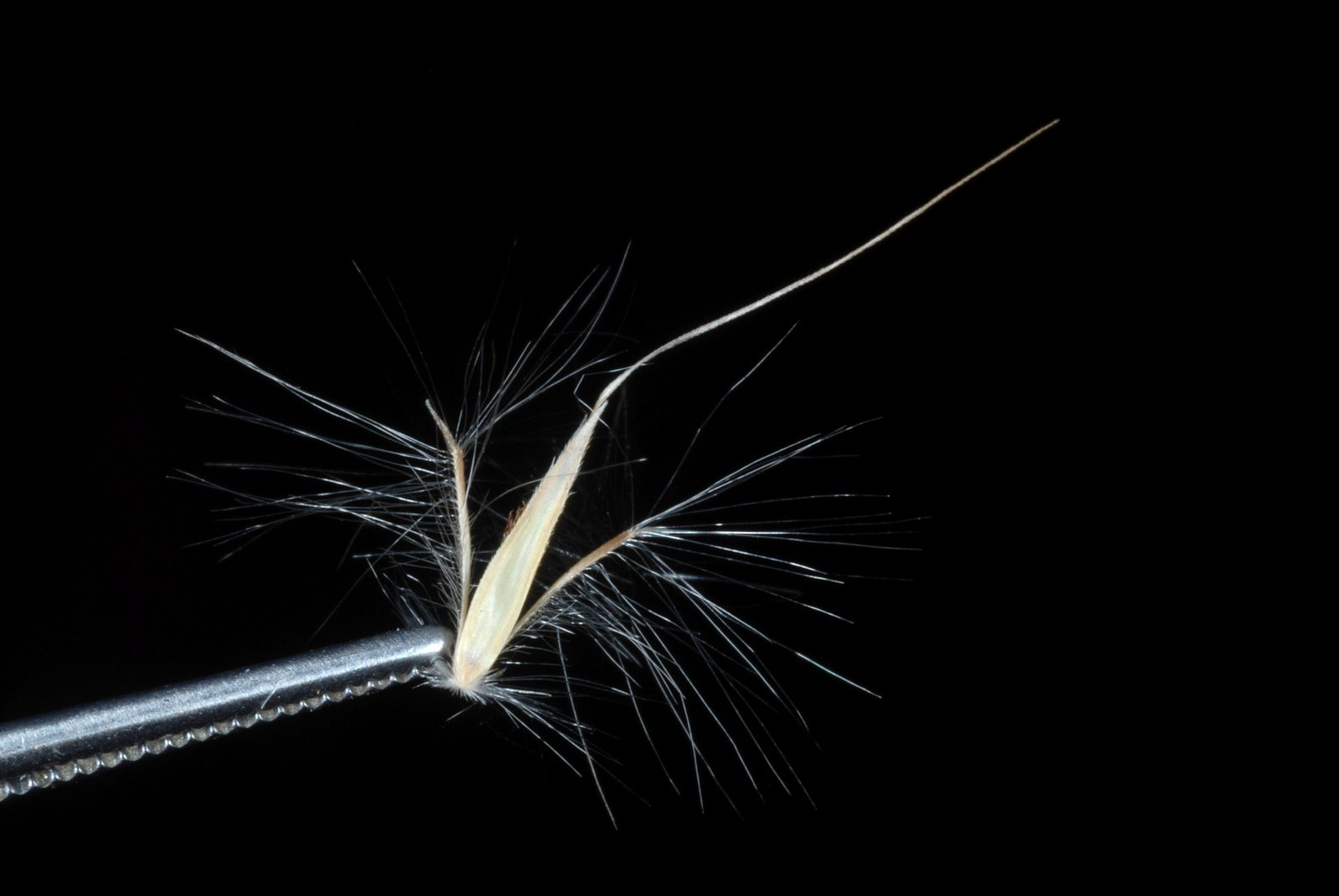
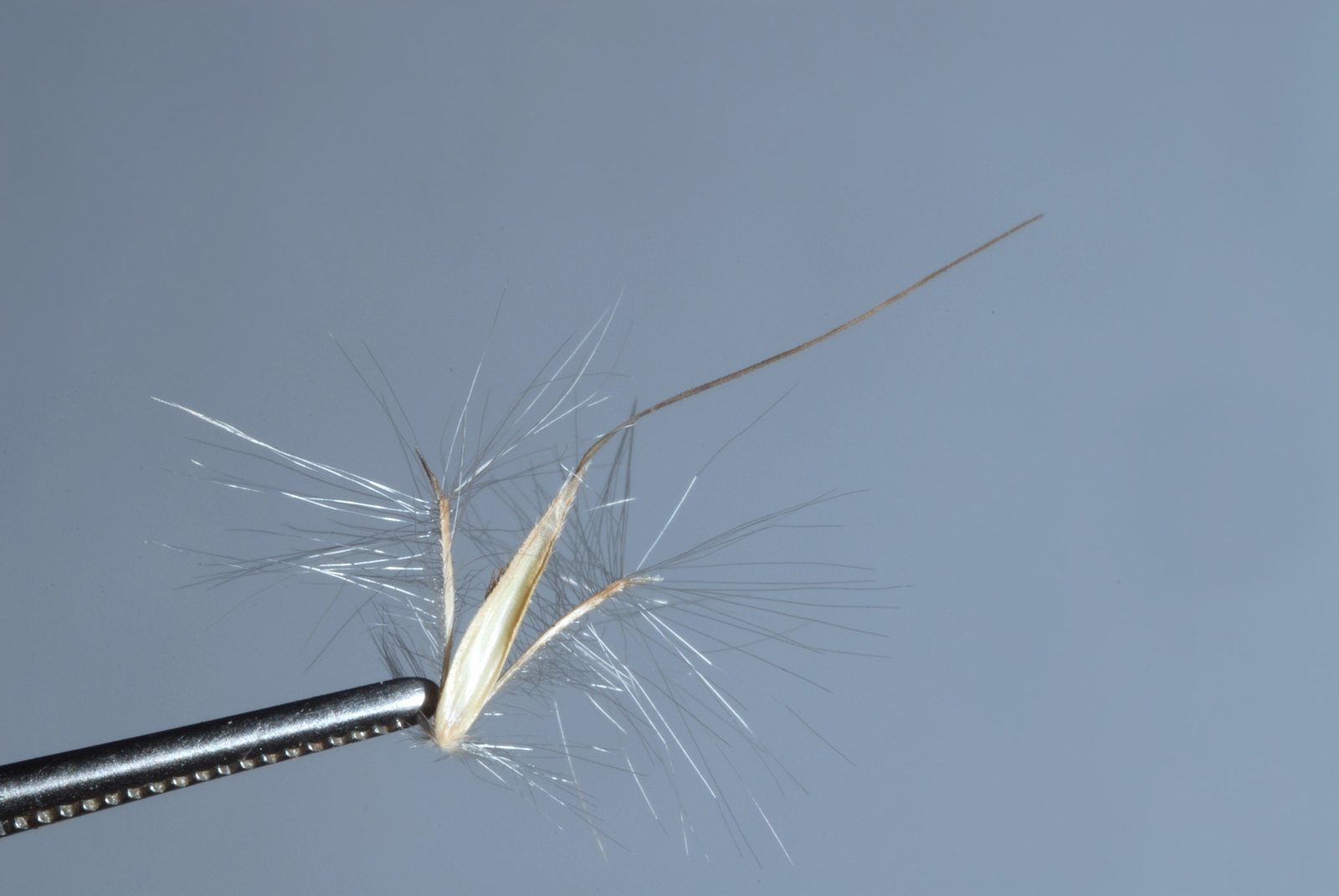
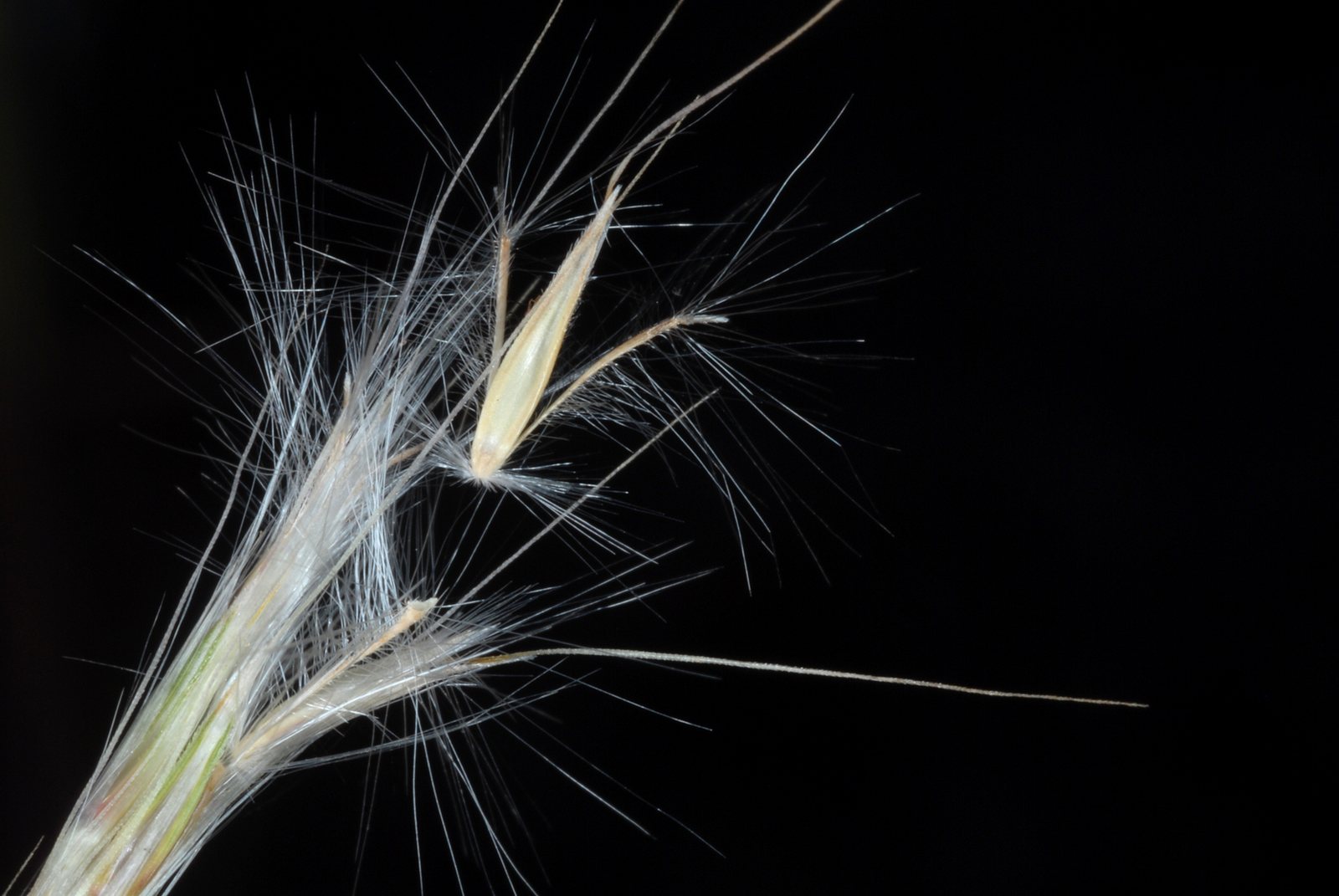
- Late summer to autumn; small, inconspicuous flowers develop into paired seed branches covered in conspicuous silvery-white hairs.
- Foliage
- Narrow green to blue-green leaves turn copper, reddish bronze or orange-brown in autumn, then straw-coloured in winter.
- Growth
- Moderate; starts growing late in spring as the soil warms.
- Care needed
- Low
The year at a glance
- Deer resistant
- Drought tolerant
- Heat tolerant
- Wildlife
| J | F | M | A | M | J | J | A | S | O | N | D | |
|---|---|---|---|---|---|---|---|---|---|---|---|---|
| Flowers | ||||||||||||
| Fruit | ||||||||||||
| Plant |
Northern hemisphere months. In Australia, shift them by six.
- Difficulty
- Easy
- Toughness
- Very tough
Will it suit your garden?
Pick your zone, country, light and whether you have pets.
Full sun is 6 or more hours of direct sun a day, part shade 3 to 6 hours, shade under 3.
How it grows
Planting day
1.1 ft (0.35 m)
After 1 year
1.9 ft (0.57 m)
After 2 years
2.6 ft (0.79 m)
After 3 years
3 ft (0.9 m)
full size
About 3 years to full size.
From a typical nursery size, at an average rate for this kind of plant. A rule of thumb, not a forecast.
Good to know
- Cats and dogs
- Safe
- Native to
- the US
- Growth rate
- Moderate
Care
Jobs through the year
- WaterApr–May, Sep–Oct, every 21 days
- Water established clumps only during extended drought; water first-year plants whenever the root zone dries.
- WaterJun–Aug, every 14 days
- Water established clumps deeply only during prolonged drought; keep the crown from staying wet.
- PruneFeb–Mar
- Cut old stems to 10-15 cm before new shoots lengthen; retain stems through winter.
- DivideApr–May
- Divide only crowded or declining clumps once new growth appears.
- ProtectJan–Feb, Nov–Dec
- Clear wet leaf mats from crowns and prevent winter waterlogging.
- Water newly planted clumps whenever the root zone begins to dry during their first growing season.
- Once established, water only during extended drought; avoid keeping the crown wet.
- Do not routinely fertilise; rich conditions produce weak, floppy stems.
- Keep mulch thin and away from the crown, especially in wet-winter climates.
- Divide crowded or declining clumps in spring once new growth appears.
Pruning. Leave the dry stems standing through winter for structure and wildlife cover. In late winter or early spring, cut them back to 4-6 in (10-15 cm) before new shoots lengthen.
Through the year
- Late winter
- Cut down old stems before new growth starts.
- Spring
- Plant or divide once the soil is warming and shoots begin to appear.
- Late spring
- Weed around emerging clumps and check that mulch is clear of the crowns.
- Summer
- Water first-year plants during dry weather; leave established clumps unfed.
- Autumn
- Enjoy the silvery seed heads; collect ripe seed or remove heads if seedlings are unwanted.
- Winter
- Retain standing stems and keep fallen leaves from forming a wet mat over the crown.
In the garden
- Plant in drifts through a sunny meadow-style border with asters and coneflowers.
- Place where low autumn sunlight can shine through the silvery seed heads.
- Use in a lean, well-drained gravel garden with drought-tolerant perennials.
- Repeat small groups along an informal path for autumn colour and winter structure.
Garden styles it suits: Native meadow, New perennial (prairie), Wildlife garden, Dry gravel garden, Autumn colour and Winter interest.
Plant it with: Butterfly weed, Purple coneflower, Aromatic aster, Rough blazing star, Wild quinine and Little bluestem.
Wildlife: Provides seed for small birds and cover for insects and other small animals. Like other native bluestems, it can support grass-feeding caterpillars; its wind-pollinated flowers are not a nectar source.
Problems to watch for
- Flopping stems: move to full sun, stop feeding and reduce unnecessary watering.
- Crown rot in wet ground: improve drainage or replant on a raised, freely draining site.
- Poor growth in cool summers: choose a warm, open position; flowering may remain sparse in cool maritime gardens.
- Unwanted seedlings: remove seed heads before they shed and pull young seedlings while small.
Safety
Not known to be toxic to people, cats, dogs or horses. No part is recognised as poisonous, although coarse leaves and dry seed material can cause minor physical irritation if chewed.
Easily confused with
Little bluestem (Schizachyrium scoparium)
Little bluestem generally carries single slender seed branches along its stems, rather than the conspicuously paired, silky branches of split-beard bluestem.
Broomsedge (Andropogon virginicus)
Broomsedge has a denser, broomlike outline, with its small seed clusters partly enclosed by conspicuous leaflike sheaths; split-beard bluestem displays more exposed, airy pairs of silvery seed branches.
Big bluestem (Andropogon gerardii)
Big bluestem is usually much taller and has thicker seed branches arranged in a turkey-foot shape, commonly with three or more branches, rather than delicate, silvery pairs.
The name
The common name refers to the paired seed branches whose long white hairs resemble a beard split into two.
Propagation. Grow from seed sown shallowly in spring after the soil warms, or divide established clumps in spring as growth begins. Seedlings may vary in foliage colour and habit.
Checked against open data
- Accepted botanical name
- Andropogon ternarius
- In the US and Canada
- Native in the lower 48 states.
Sources: GBIF (CC BY 4.0) and USDA PLANTS. The care and design notes are LandscapeGPT's own.
See it in your own yard.
Upload a photo of your yard and see it redesigned with plants that suit your climate, each checked against your zone.