Summer snapdragon
Angelonia angustifolia. Family Plantaginaceae. Annual.
Also called Angelonia, Narrow-leaved angelonia.
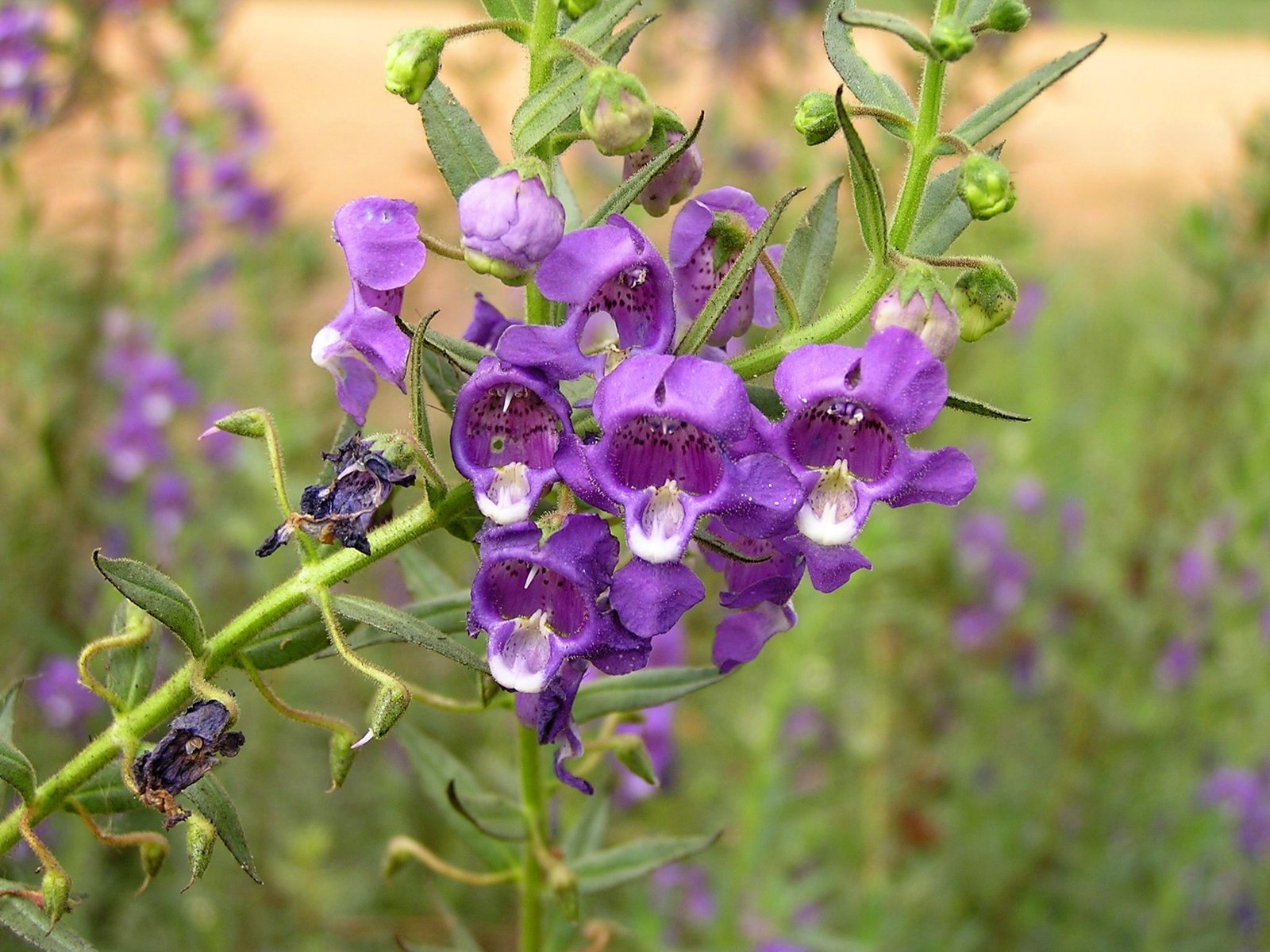
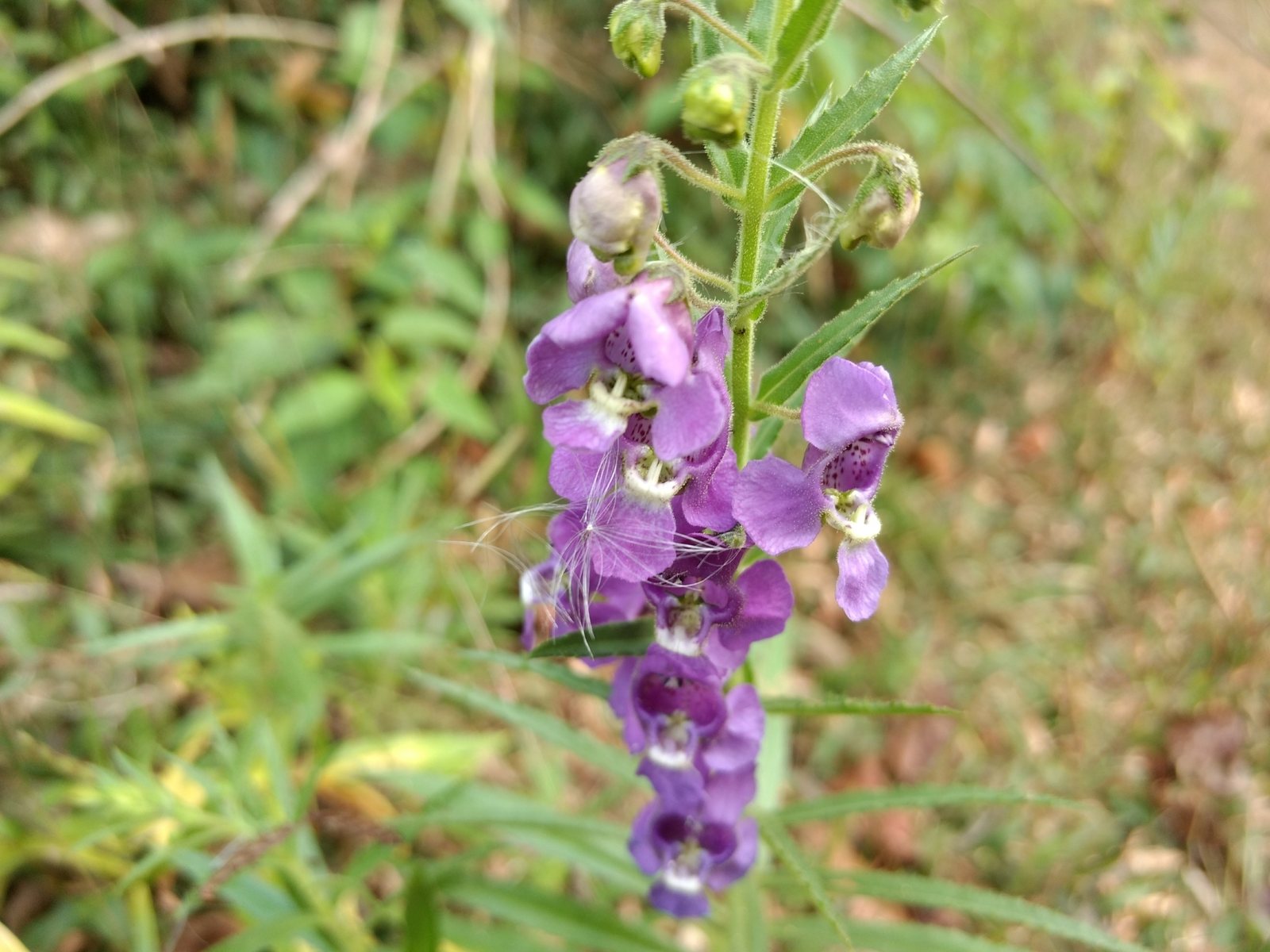
Summer snapdragon is a frost-tender perennial usually grown as an annual for its upright spikes of small, snapdragon-like flowers. It flowers through summer heat in sunny borders and containers, although cool summers can limit its performance. It can persist year-round in warm, frost-free gardens.
At a glance
- Sun
- Full sun, ideally at least 6 hours daily; light afternoon shade is acceptable in very hot climates.
- Water
- Water regularly while establishing, then when the upper soil dries. Established plants tolerate brief dry spells, but flower better with steady moisture; containers need more frequent watering.
- Soil
- Well-drained soil of average fertility; avoid heavy, waterlogged ground. Use free-draining potting compost in containers.
- Height
- 1-3 ft (0.3-0.9 m)
- Spread
- 1-1.5 ft (0.3-0.45 m)
- Flowers
- Late spring or early summer to autumn frost; purple, violet, pink, white or bicoloured flowers, depending on the selection.
- Foliage
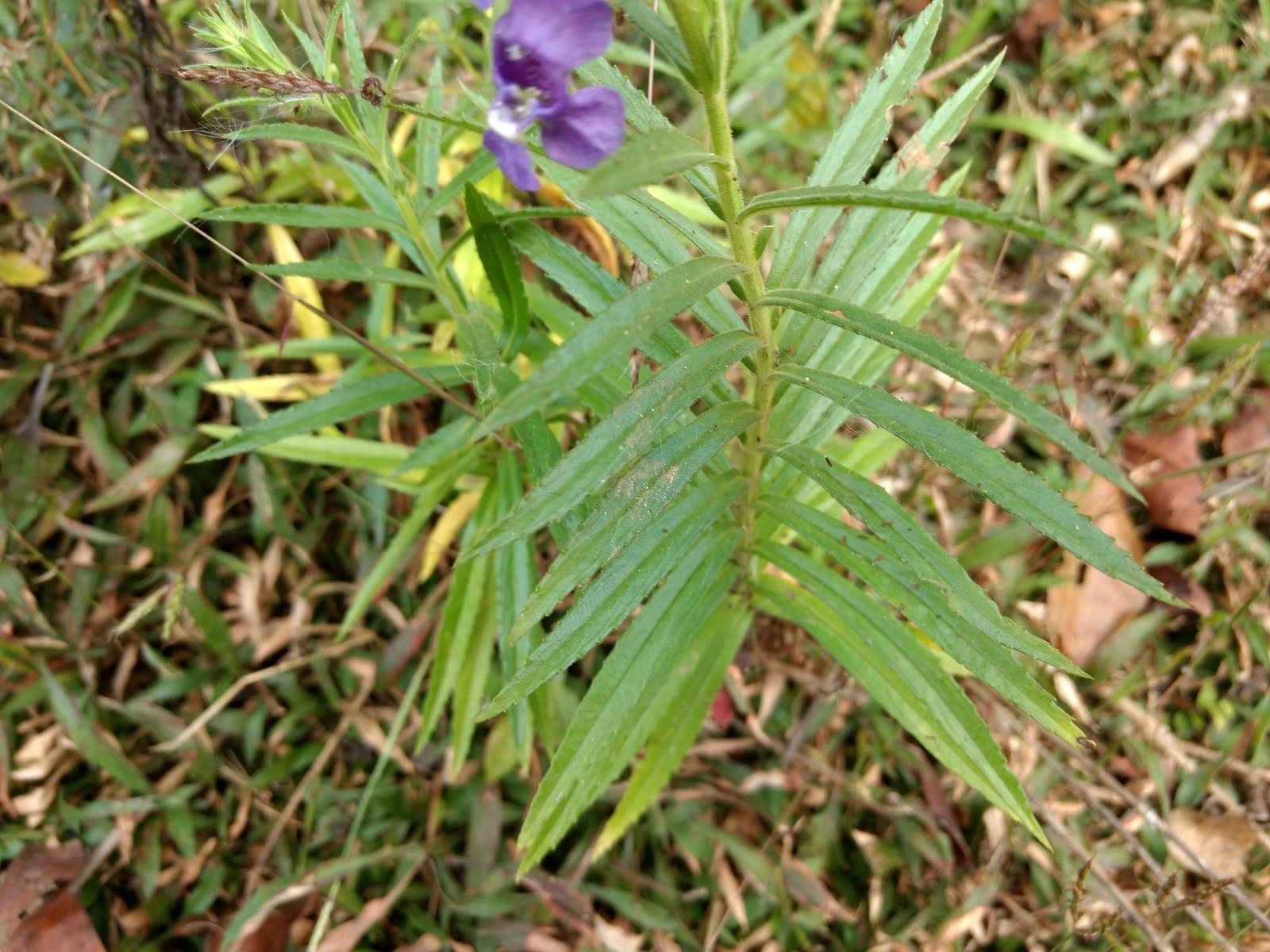
- Evergreen. Narrow, pointed green leaves, usually in opposite pairs, with a slightly toothed edge and an aromatic scent when crushed.
- Growth
- Fast in warm weather.
- Care needed
- Low
The year at a glance
- Pollinators
- Deer resistant
- Drought tolerant
- Heat tolerant
- Low allergen
| J | F | M | A | M | J | J | A | S | O | N | D | |
|---|---|---|---|---|---|---|---|---|---|---|---|---|
| Flowers | ||||||||||||
| Plant |
Northern hemisphere months. In Australia, shift them by six.
- Difficulty
- Easy
- Toughness
- Fairly tough
Will it suit your garden?
Pick your zone, country, light and whether you have pets.
Full sun is 6 or more hours of direct sun a day, part shade 3 to 6 hours, shade under 3.
How it grows
Planting day
0.5 ft (0.15 m)
After 1 year
2 ft (0.6 m)
full size
Full size in one season.
From a typical nursery size, at an average rate for this kind of plant. A rule of thumb, not a forecast.
Good to know
- Cats and dogs
- Safe
- Growth rate
- Fast
Care
Jobs through the year
- WaterMay, Sep–Oct, every 14 days
- Water established plants when upper soil dries; new plants need more frequent watering.
- WaterJun–Aug, every 7 days
- Water established plants during dry weather for steady flowering; check containers more frequently.
- FeedMay–Jun
- Apply balanced slow-release fertilizer once at planting, following the label rate.
- MulchMay–Jun
- After planting, apply a light mulch without covering stem bases.
- PruneJul–Aug
- If plants become lanky or flowering slows, shorten stems by one-third and water.
- ProtectMay–Jun
- Harden off plants and wait for frost-free weather, warm soil and consistently mild nights.
- ProtectSep–Oct
- If retaining a selection, move rooted cuttings into bright, frost-free shelter before frost.
- Plant out only after frost risk has passed and the soil has warmed.
- Space plants about 1-1.5 ft (0.3-0.45 m) apart, allowing for the mature size of your selection.
- Water at soil level and let the surface dry slightly between waterings; never leave pots standing in water.
- Apply a balanced, slow-release fertiliser at planting according to the label; avoid heavy feeding that encourages soft growth.
- Add a light mulch to conserve moisture, keeping it clear of the stems.
Pruning. Deadheading is usually unnecessary. If plants become lanky or flowering slows in midsummer, shorten the stems by about one-third, then water to encourage fresh growth.
Through the year
- Late winter
- If growing a seed-raised selection, sow indoors in warmth about 8-10 weeks before your last expected frost; press seeds onto the surface without burying them.
- Spring
- Gradually acclimatise young plants to outdoor conditions, then plant after frost risk has passed and nights are consistently mild.
- Early summer
- Check soil moisture regularly while roots establish, especially in pots.
- Midsummer
- Trim lanky plants by one-third and check leaf undersides for pests.
- Late summer
- Take cuttings of healthy, non-flowering shoots if you want to keep a particular selection.
- Autumn
- Remove frost-killed plants, or move rooted cuttings into a bright, frost-free place before cold weather arrives.
In the garden
- Plant repeated groups through sunny borders for upright flower spikes among rounded or mounding plants.
- Use compact selections in patio pots with trailing verbena or sweet potato vine.
- Edge paths and small beds with lower-growing selections for a long summer display.
- Mix purple or white selections with ornamental grasses for contrasting flower and foliage shapes.
Garden styles it suits: Cottage garden, Modern, Modern courtyard, Southern, Tropical and Small-space.
Plant it with: Lantana, Pentas, Zinnia, Verbena, Sweet potato vine and Mealycup sage.
Wildlife: Flowers attract bees, especially bumblebees. Its value to local pollinators varies with climate and which insects are present.
Problems to watch for
- Root rot in wet soil: improve drainage, reduce watering and discard badly affected plants.
- Aphids on young shoots: rinse them off with water; use insecticidal soap if infestations persist, following the label.
- Spider mites in hot, dry conditions: look for fine webbing and stippled leaves, rinse leaf undersides and avoid letting plants become severely drought-stressed.
- Sparse flowering or weak growth in shade or cool weather: move containers into full sun and delay outdoor planting until conditions are warm.
Safety
Not known to be toxic to cats, dogs, horses or people. Species-specific information, particularly for horses, is limited; no plant part is established as poisonous, but it is not an edible plant and eating it may cause stomach upset.
Easily confused with
Snapdragon (Antirrhinum majus)
Snapdragons have larger flowers with a closed, hinged mouth that opens when gently squeezed. Angelonia flowers are smaller and open-faced, and the plant performs better in summer heat.
Purple toadflax (Linaria purpurea)
Purple toadflax has much narrower, often grey-green leaves and flowers with a conspicuous long spur behind them. Angelonia has broader green leaves and lacks that long spur.
The name
The common name refers to its snapdragon-like flowers and summer flowering season, while angustifolia means narrow-leaved.
Propagation. Sow seed from seed-raised selections indoors in warm conditions, keeping it on the surface because light aids germination. Take softwood cuttings in spring or summer to preserve a named selection; many hybrids do not come true from seed. Some cultivars are protected against unauthorised propagation.
Checked against open data
- Accepted botanical name
- Angelonia angustifolia
- In the US and Canada
- Introduced in the lower 48 states and Pacific Basin.
- Native range
- Colombia, Costa Rica, Cuba, Dominican Republic, El Salvador, Haiti, Honduras, Jamaica, Leeward Is., Mexico Central, Mexico Gulf and Mexico Northeast.
Sources: GBIF (CC BY 4.0), USDA PLANTS and Trefle (CC BY 4.0). The care and design notes are LandscapeGPT's own.
See it in your own yard.
Upload a photo of your yard and see it redesigned with plants that suit your climate, each checked against your zone.