Swamp white oak
Quercus bicolor. Family Fagaceae. Tree.
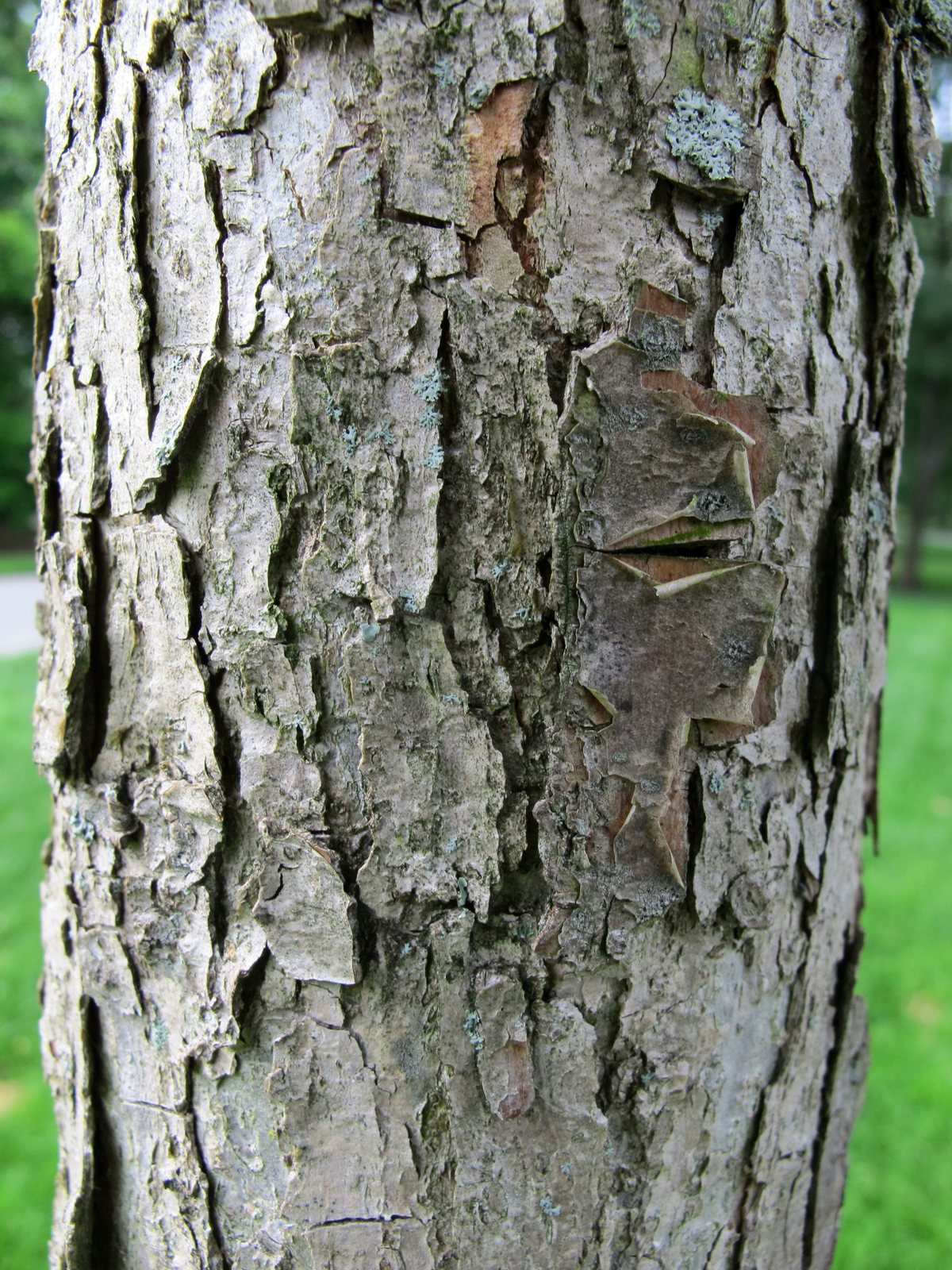
Swamp white oak is a large deciduous tree native to eastern and central North America, grown for its broad crown, rugged bark and leaves with pale undersides. It is a useful shade and wildlife tree for spacious gardens, especially on moist ground, and tolerates some drought once established.
At a glance
- Sun
- Full sun; tolerates light shade but develops a better crown in an open position.
- Water
- Moderate to high; prefers consistently moist ground and tolerates seasonal flooding. Established trees withstand occasional dry periods, but prolonged drought can cause stress.
- Soil
- Deep, acidic to neutral soil, including clay and ground with imperfect drainage. Avoid strongly alkaline soil and permanently submerged sites.
- Height
- 50-60 ft (15-18 m), occasionally taller
- Spread
- 50-60 ft (15-18 m)
- Flowers
- Spring, as leaves emerge; yellow-green male catkins and tiny, inconspicuous female flowers.
- Foliage
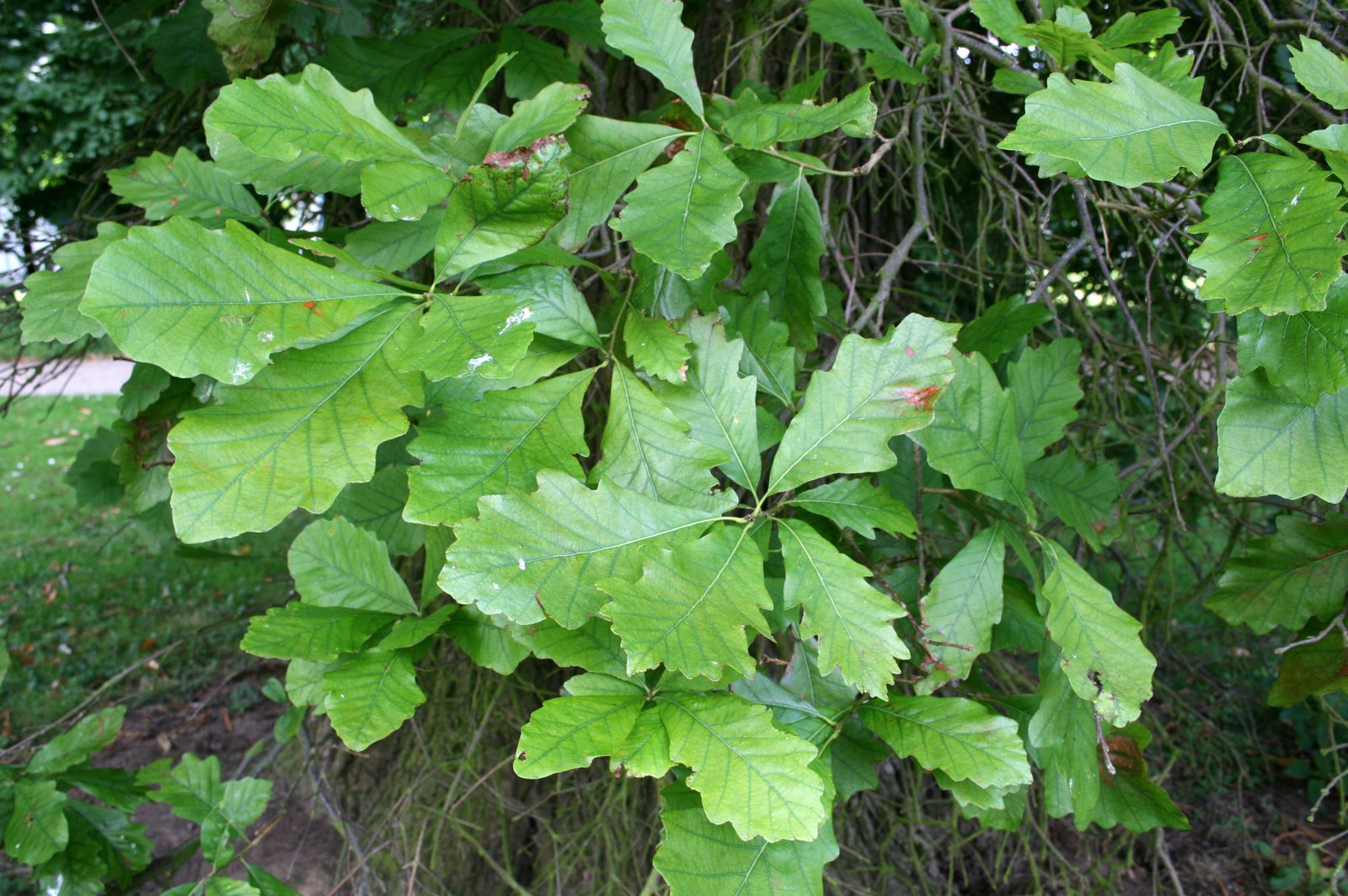
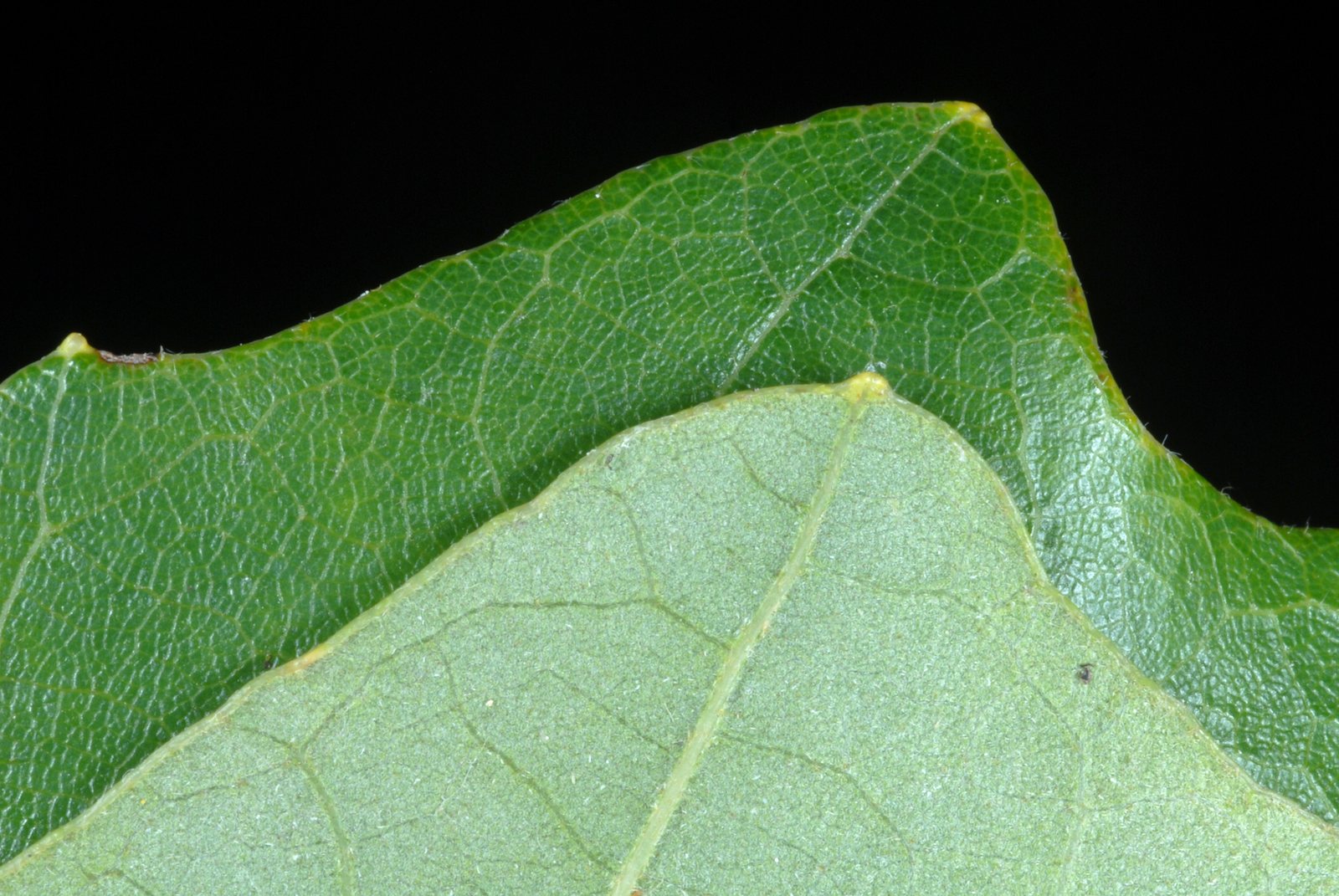
- Broad leaves with shallow, rounded lobes or coarse teeth; dark green above and whitish with fine hairs beneath. Autumn colour is usually yellow to brown, occasionally reddish.
- Growth
- Moderate, sometimes faster when young on moist, fertile ground.
- Care needed
- Low
The year at a glance
- Cold hardy
- Wildlife
| J | F | M | A | M | J | J | A | S | O | N | D | |
|---|---|---|---|---|---|---|---|---|---|---|---|---|
| Flowers | ||||||||||||
| Fruit | ||||||||||||
| Plant |
Northern hemisphere months. In Australia, shift them by six.
- Difficulty
- Easy
- Toughness
- Very tough
Will it suit your garden?
Pick your zone, country, light and whether you have pets.
Full sun is 6 or more hours of direct sun a day, part shade 3 to 6 hours, shade under 3.
How it grows
Planting day
7 ft (2 m)
After 1 year
10 ft (2.9 m)
After 2 years
13 ft (3.8 m)
After 3 years
15 ft (4.7 m)
After 5 years
21 ft (6.5 m)
About 16 years to full size.
From a typical nursery size, at an average rate for this kind of plant. A rule of thumb, not a forecast.
Good to know
- Cats and dogs
- Toxic
- Native to
- the US and Canada
- Growth rate
- Fast
Care
Jobs through the year
- WaterApr–May, Sep–Oct, every 14 days
- Water established trees only if soil becomes dry; young trees need consistent moisture.
- WaterJun–Aug, every 10 days
- Deep-water during prolonged drought; water more often for the first two or three years.
- MulchApr–May
- Maintain 5–8 cm of organic mulch, keeping the root flare and trunk clear.
- PruneJan–Feb
- Lightly train young trees while dormant; follow local oak-wilt restrictions.
- ProtectMar, Oct
- Keep vehicles, digging and added soil away from the root area.
- Plant where the mature crown and roots have room, well away from buildings and overhead wires.
- Set the root flare at soil level; do not bury the trunk or plant into a permanently water-filled hole.
- Water deeply during dry spells for the first two or three growing seasons.
- Maintain a mulch layer 2-3 in (5-8 cm) deep over the root area, keeping it clear of the trunk.
- Avoid routine feeding; investigate soil conditions before treating pale leaves.
- Protect the root area from vehicles, soil compaction and changes in ground level.
Pruning. Prune young trees in winter dormancy to establish one main leader and well-spaced branches; avoid unnecessary cuts on mature trees. Where oak wilt occurs, follow local restrictions and avoid pruning during the growing season, especially spring and early summer.
Through the year
- Winter
- Inspect branch structure and carry out light formative pruning while dormant, following local oak-wilt guidance.
- Early spring
- Plant while dormant if the ground is workable and not waterlogged; check the root flare before backfilling.
- Late spring
- Refresh mulch and check new foliage for persistent yellowing between green veins.
- Summer
- Water young trees deeply during dry weather and inspect for dieback or unusual wilting.
- Autumn
- Collect ripe acorns promptly if you want to propagate; do not let them dry out.
- Late autumn
- Retain fallen leaves beneath the crown where practical, but clear acorns from paths where they create a slipping hazard.
In the garden
- Use as a long-lived specimen shade tree in a large lawn, allowing space for its spreading crown.
- Plant along the upper edge of a pond or in a seasonally wet swale, rather than in permanent standing water.
- Combine with moisture-tolerant native shrubs and sedges to create a layered woodland edge.
- Use in a spacious rain garden or naturalistic landscape where acorns and fallen leaves can remain.
Garden styles it suits: Woodland, Wildlife garden, Grand estate, New England, Low-maintenance and Autumn colour.
Plant it with: Winterberry, Buttonbush, Virginia sweetspire, Pennsylvania sedge, Tussock sedge and Cinnamon fern.
Wildlife: Acorns feed squirrels, jays, deer and other wildlife. Leaves support many moth and butterfly caterpillars in its native range, while the mature crown and cavities provide shelter and nesting sites for birds.
Problems to watch for
- Iron chlorosis on alkaline soil: leaves turn yellow between green veins. Test the soil and seek advice on suitable treatment; choosing a different tree is often better than repeatedly treating an unsuitable site.
- Anthracnose: cool, wet springs can bring brown leaf blotches and some leaf drop. Maintain tree vigour and remove fallen affected leaves where practical; established trees seldom need fungicide.
- Oak wilt in affected parts of North America: sudden wilting or branch death needs prompt assessment by a qualified arborist. Avoid pruning during local high-risk periods and do not move infected firewood.
- Scale insects: heavy infestations can cause sticky deposits and twig decline. Encourage natural predators and have significant infestations identified before choosing a correctly timed treatment.
Safety
Acorns, buds and leaves contain tannins and can poison horses and other grazing animals, especially when eaten in quantity; kidney damage can be fatal. Dogs can develop digestive upset or more serious poisoning after eating acorns, which also present a choking or blockage risk. Cats should not be allowed to eat the plant, although poisoning is less commonly reported. Raw acorns are not suitable for people to eat without proper processing to remove tannins.
Easily confused with
White oak (Quercus alba)
White oak usually has more deeply cut, rounded leaf lobes and lacks the strongly whitish, felted leaf undersides and conspicuously long acorn stalks of swamp white oak.
Swamp chestnut oak (Quercus michauxii)
Swamp chestnut oak generally has larger leaves with numerous regular rounded teeth and larger acorns on short stalks; swamp white oak often bears paired acorns on long stalks.
English oak (Quercus robur)
English oak also has long-stalked acorns, but its leaves usually have tiny ear-like lobes at the base and lack the densely whitish undersides of swamp white oak.
The name
Quercus is the Latin name for oak, bicolor refers to the contrasting upper and lower leaf surfaces, and 'swamp white oak' describes its pale leaf undersides and preference for moist lowland ground.
Propagation. Grow from ripe acorns collected in autumn. Sow promptly in deep pots or a protected nursery bed, keeping them moist and shielding them from rodents; acorns may begin rooting soon after they fall. Move young plants before their developing roots become crowded.
Checked against open data
- Accepted botanical name
- Quercus bicolor
- In the US and Canada
- Native in Canada and the lower 48 states.
- Native range
- Alabama, Connecticut, Delaware, Illinois, Indiana, Iowa, Kansas, Kentucky, Maine, Maryland, Masachusettes and Michigan.
- Measured
- Soil pH 4.3 to 6.5. Average height 2100 cm.
Sources: GBIF (CC BY 4.0), USDA PLANTS and Trefle (CC BY 4.0). The care and design notes are LandscapeGPT's own.
See it in your own yard.
Upload a photo of your yard and see it redesigned with plants that suit your climate, each checked against your zone.