Triostar stromanthe
Stromanthe sanguinea 'Triostar'. Family Marantaceae. Perennial.
Also called Stromanthe Triostar, Tricolor stromanthe, Stromanthe thalia 'Triostar'.
Triostar is a clump-forming tropical perennial grown for its cream, green and pink leaves with burgundy undersides. It makes a colourful planting in warm, shaded gardens, but in most of the United States, Canada, the United Kingdom and cooler parts of Australia it needs to live indoors or spend only the warmest months outside.
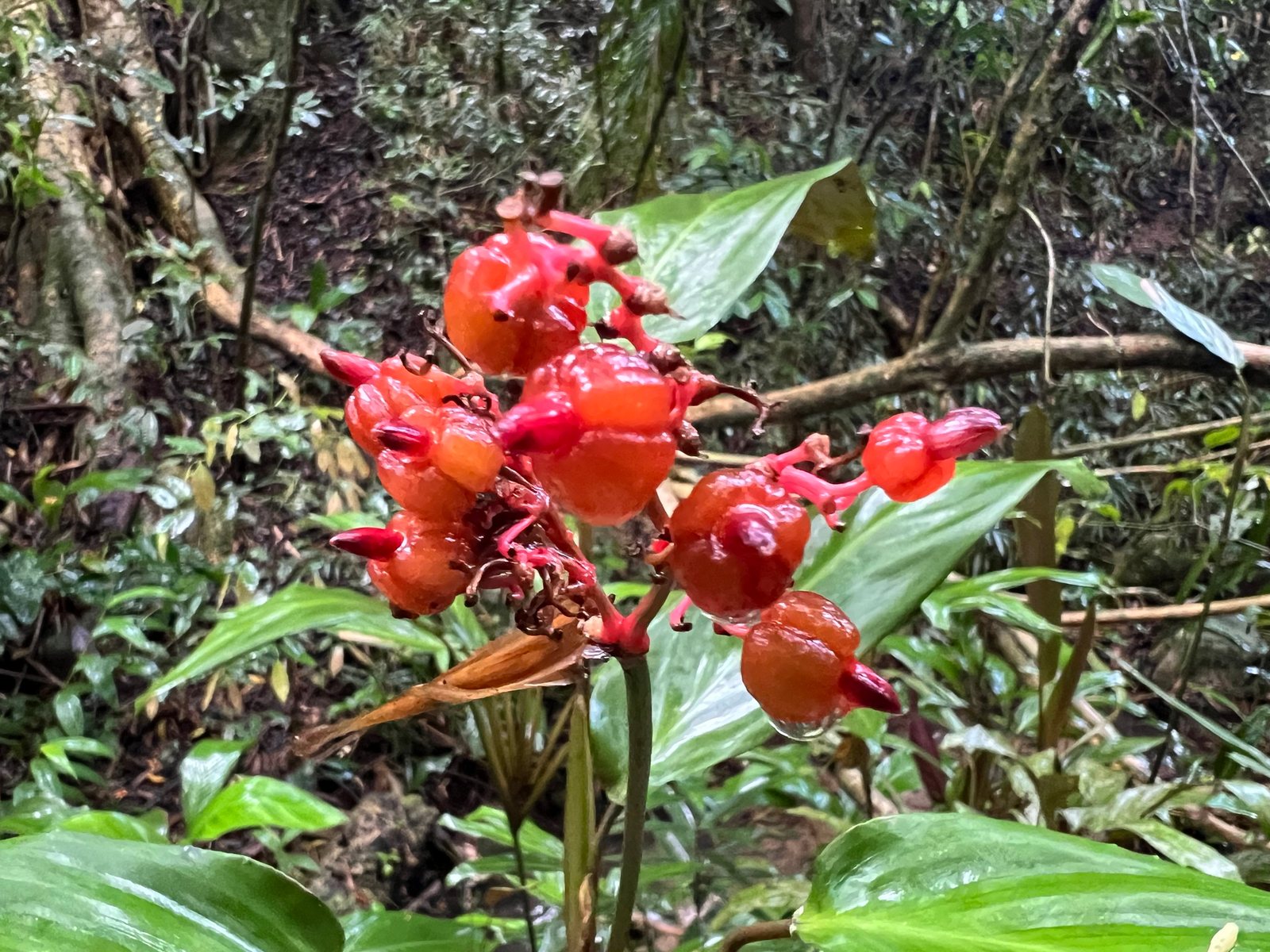
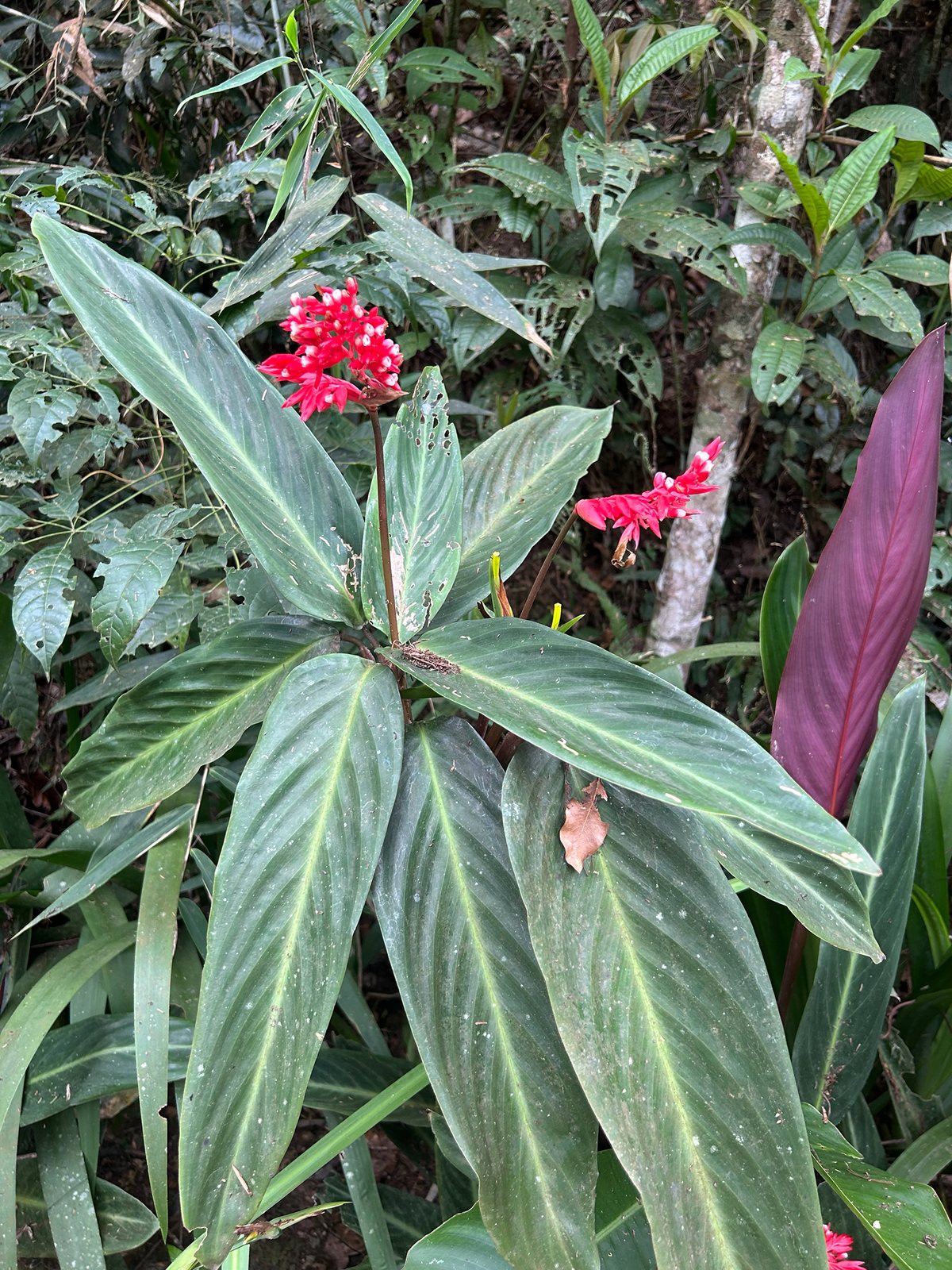
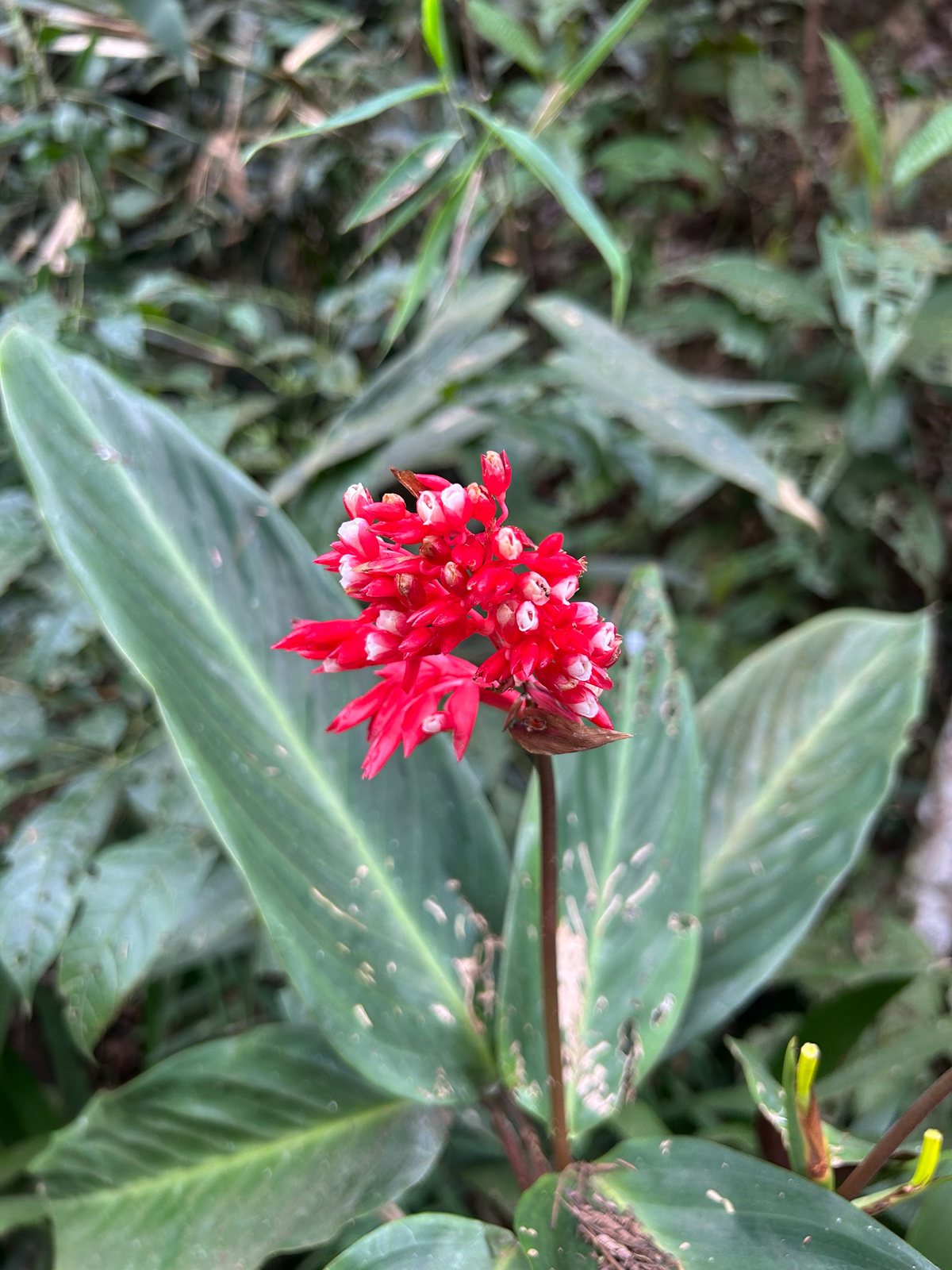
At a glance
- Sun
- Bright, filtered light or partial shade; protect from strong midday and afternoon sun.
- Water
- Keep evenly moist but not waterlogged. Water when the top 0.5-1 in (1-2.5 cm) of potting mix feels dry, and reduce watering during slow winter growth.
- Soil
- Humus-rich, well-drained soil, preferably slightly acidic; in containers, use a moisture-retentive houseplant mix with added perlite or fine bark.
- Height
- 2-3 ft (0.6-0.9 m)
- Spread
- 1-2 ft (0.3-0.6 m)
- Foliage
- Evergreen. Long, pointed leaves irregularly patterned with green, cream and pink, with burgundy-red undersides. Leaves change position through the day and often stand more upright at night.
- Growth
- Moderate in warm, humid conditions; slow in cool rooms or weak light.
- Care needed
- High
The year at a glance
- Low allergen
| J | F | M | A | M | J | J | A | S | O | N | D | |
|---|---|---|---|---|---|---|---|---|---|---|---|---|
| Plant |
Northern hemisphere months. In Australia, shift them by six.
- Difficulty
- Hard
- Toughness
- Needs looking after
Will it suit your garden?
Pick your zone, country, light and whether you have pets.
Full sun is 6 or more hours of direct sun a day, part shade 3 to 6 hours, shade under 3.
How it grows
Planting day
1 ft (0.3 m)
After 1 year
1.4 ft (0.42 m)
After 2 years
1.7 ft (0.53 m)
After 3 years
2.1 ft (0.65 m)
After 5 years
2.5 ft (0.75 m)
full size
About 4 years to full size.
From a typical nursery size, at an average rate for this kind of plant. A rule of thumb, not a forecast.
Good to know
- Cats and dogs
- Safe
- Growth rate
- Slow
Care
Jobs through the year
- WaterApr–May, Sep–Oct, every 7 days
- Check moisture; water when the top 1–2.5 cm dries, using rainwater or filtered water if needed.
- WaterJun–Aug, every 4 days
- Keep roots evenly moist, not waterlogged; locally grow in a pot and check more often in heat.
- WaterJan–Mar, Nov–Dec, every 10 days
- Check indoor pots and water as the upper mix dries; never allow complete drying.
- FeedApr–Aug, every 30 days
- Feed at half the labelled strength while actively producing leaves.
- DivideApr–May
- Divide only crowded, strongly growing clumps when repotting.
- PruneJan–Dec
- Remove dead or badly damaged leaves at their base as needed.
- ProtectJan–Jun, Sep–Dec
- Keep indoors until nights reliably exceed 16°C; maintain humidity above 50% and avoid draughts.
- ProtectJun–Aug
- Place outdoor pots in sheltered filtered shade, protected from strong sun.
- Use a pot with drainage holes and empty the saucer after watering.
- Use rainwater or filtered water if hard tap water causes brown leaf tips.
- Keep humidity high, preferably above 50%, and avoid heating vents, air-conditioning outlets and cold draughts.
- Feed monthly at half the labelled strength during active spring and summer growth; stop during winter if growth slows.
- Keep temperatures preferably above 60°F (16°C), and bring outdoor pots inside before nights become cool.
Pruning. Remove yellow, damaged or dead leaves at their base with clean scissors whenever needed. Trim brown tips along the leaf's outline, leaving a narrow dry edge rather than cutting into healthy tissue.
Through the year
- Spring
- Repot if roots fill the container; divide a crowded clump only when it is growing strongly.
- Late spring
- Move pots outdoors only once nights remain reliably warm, introducing them gradually to sheltered shade.
- Summer
- Check moisture frequently and feed monthly while new leaves are developing.
- Summer
- Inspect leaf undersides for spider mites and thrips, especially during hot, dry weather.
- Early autumn
- Bring seasonal outdoor pots indoors before nights fall below about 60°F (16°C); check for pests first.
- Winter
- Provide bright indirect light, keep away from draughts and water less often without letting the root ball dry out.
In the garden
- Use as a foliage accent beneath taller tropical plants in frost-free, sheltered gardens.
- Group containers on a shaded patio, pairing its patterned leaves with plain green ferns.
- Place beside dark-leaved begonias for contrast in colour and leaf shape.
- Use as an indoor focal plant near a bright window screened from direct sun.
Garden styles it suits: Tropical, Modern tropical, Modern courtyard, Urban city garden, Balinese and Small-space.
Plant it with: Bird's nest fern, Boston fern, Cast-iron plant, Peace lily and Rex begonia.
Wildlife: Offers little food for wildlife when grown indoors or as a seasonal patio plant. Dense outdoor clumps can provide shelter for small invertebrates.
Problems to watch for
- Brown tips and curled leaves: check for dry roots, low humidity, mineral-heavy water or excess fertiliser; correct the cause and flush accumulated salts from the potting mix.
- Scorched or bleached patches: move out of direct sun, especially during the afternoon.
- Spider mites or thrips: isolate the plant, rinse foliage and treat with an appropriately labelled insecticidal soap, testing a small area first and repeating as directed.
- Yellowing leaves with persistently wet soil: check drainage and roots; remove rotten roots and repot into fresh, airy mix if necessary.
Safety
Not known to be toxic to cats, dogs or people, and no poisonous parts are recognised. Horse-specific information is limited, so do not offer it as feed; eating ornamental foliage may still cause stomach upset.
Easily confused with
Tricolor never-never plant (Ctenanthe oppenheimiana 'Tricolor')
Usually has more regular, feather-like green and cream markings along the veins, rather than Triostar's irregular blocks and streaks of cream, pink and green.
White Fusion calathea (Goeppertia lietzei 'White Fusion')
Has smaller, wavier leaves with fine white-and-green marbling and pale purple undersides; Triostar has longer, straighter leaves and stronger pink colouring.
The name
The epithet sanguinea means blood-red, referring to the reddish colouring of the plant, especially its leaf undersides.
Propagation. Divide established clumps in spring or early summer, keeping several shoots and a healthy portion of roots on each division. Pot separately and keep warm, humid and shaded while they establish; single leaves will not produce new plants.
Checked against open data
- Accepted botanical name
- Stromanthe thalia Stromanthe sanguinea 'Triostar' is an older name for Stromanthe thalia.
- Native range
- Brazil Northeast, Brazil South and Brazil Southeast.
Sources: GBIF (CC BY 4.0) and Trefle (CC BY 4.0). The care and design notes are LandscapeGPT's own.
See it in your own yard.
Upload a photo of your yard and see it redesigned with plants that suit your climate, each checked against your zone.