Tropical hibiscus
Hibiscus rosa-sinensis. Family Malvaceae. Shrub.
Also called Chinese hibiscus, China rose, Shoeblack plant.
Tropical hibiscus is a frost-tender evergreen shrub grown for its large, showy flowers and glossy leaves. It flowers for months in warm weather; in colder regions, grow it in a container that you can bring into a bright, frost-free room for winter.
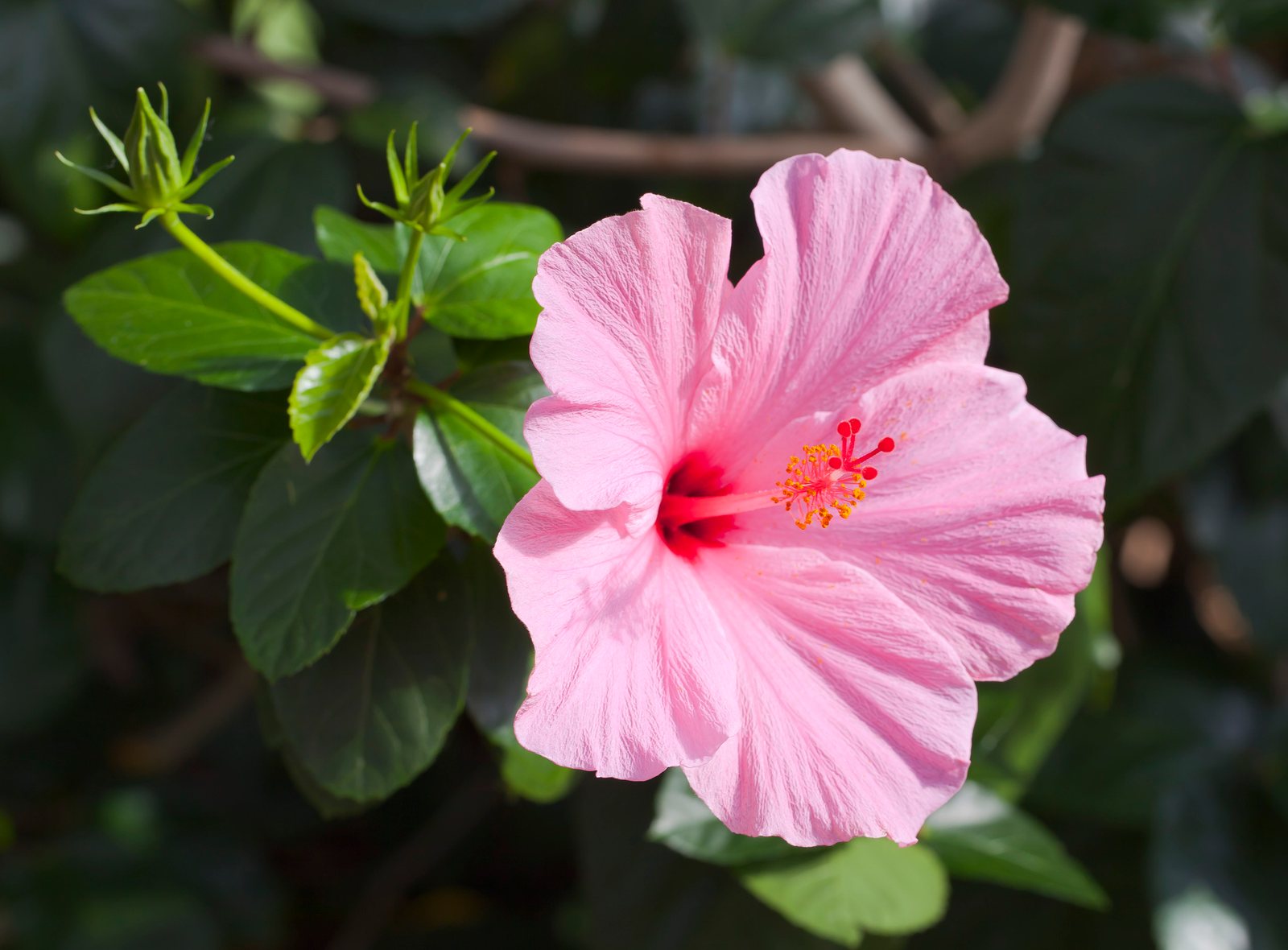
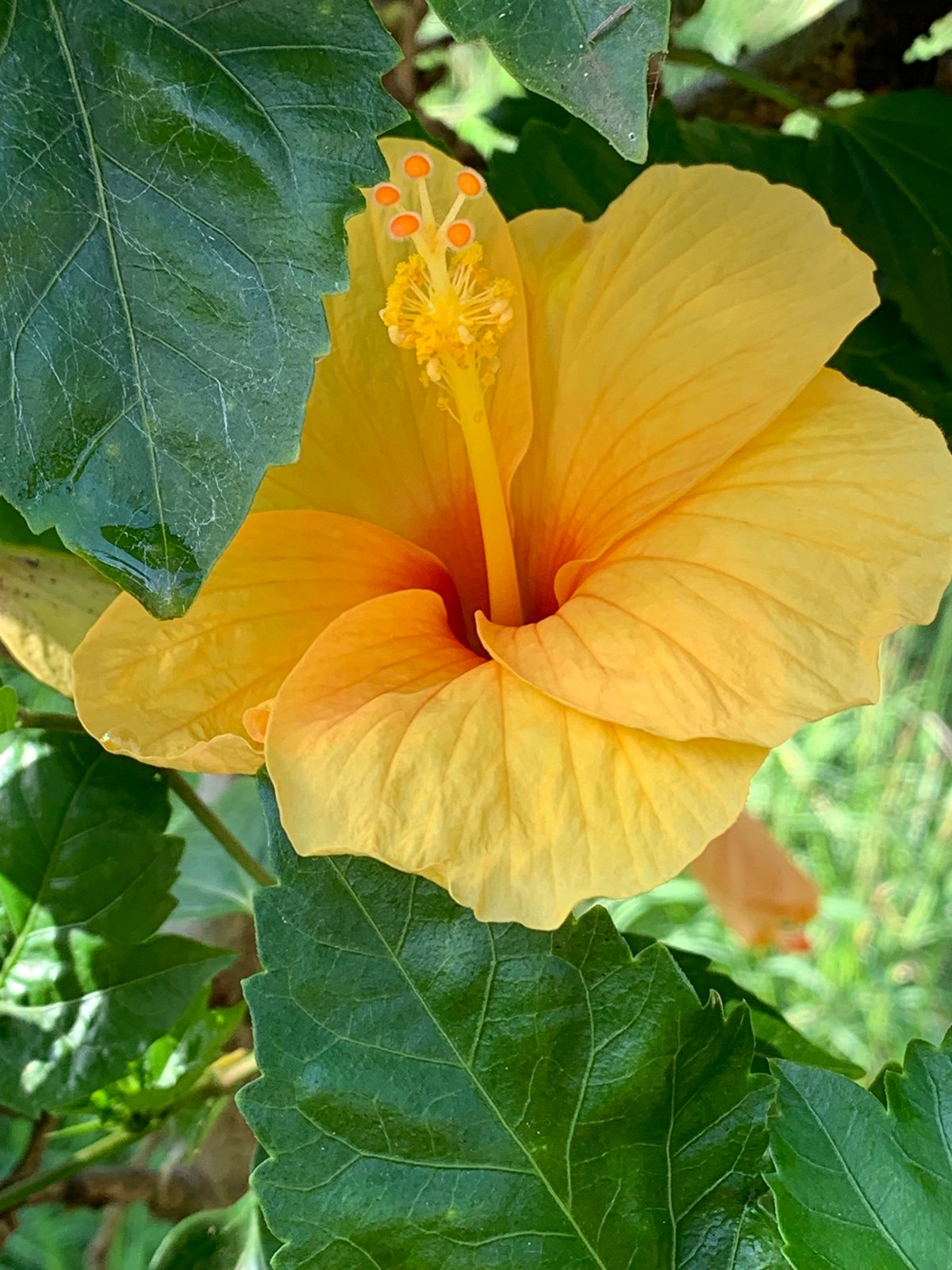
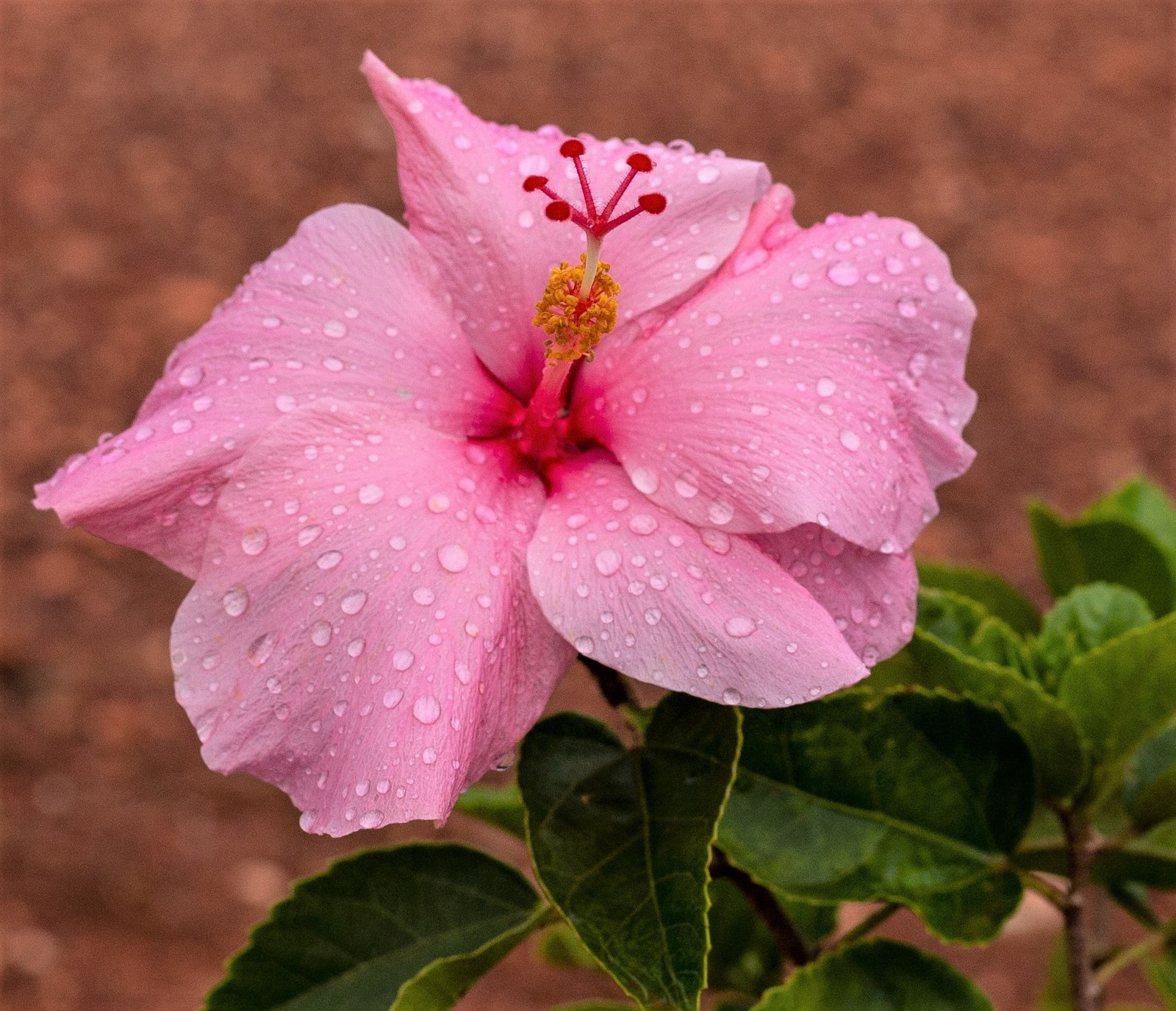
At a glance
- Sun
- Full sun to partial shade; aim for at least 6 hours of sun for good flowering, with afternoon shade in very hot, dry climates.
- Water
- Keep the root zone evenly moist during active growth, but never waterlogged. Water less in winter, allowing the surface to dry slightly between waterings.
- Soil
- Fertile, moisture-retentive but well-drained soil, preferably slightly acidic. Use a free-draining container compost in pots.
- Height
- 6-15 ft (1.8-4.6 m) outdoors in warm climates; usually smaller in containers
- Spread
- 4-10 ft (1.2-3 m)
- Flowers
- Spring to autumn, potentially year-round in frost-free tropical conditions; red, pink, orange, yellow, white or bicoloured flowers, depending on cultivar. Individual flowers usually last only a day or two.
- Foliage
- Evergreen. Glossy, dark green, oval leaves with toothed edges; some cultivars have variegated foliage.
- Growth
- Fast in warm conditions with adequate water and nutrients.
- Care needed
- Medium
The year at a glance
- Pollinators
- Heat tolerant
- Low allergen
| J | F | M | A | M | J | J | A | S | O | N | D | |
|---|---|---|---|---|---|---|---|---|---|---|---|---|
| Flowers | ||||||||||||
| Plant |
Northern hemisphere months. In Australia, shift them by six.
- Difficulty
- Moderate
- Toughness
- Needs looking after
Will it suit your garden?
Pick your zone, country, light and whether you have pets.
Full sun is 6 or more hours of direct sun a day, part shade 3 to 6 hours, shade under 3.
How it grows
Planting day
1.6 ft (0.5 m)
After 1 year
4 ft (1.3 m)
After 2 years
7 ft (2.2 m)
After 3 years
10 ft (3 m)
After 5 years
10 ft (3.2 m)
full size
About 3 years to full size.
From a typical nursery size, at an average rate for this kind of plant. A rule of thumb, not a forecast.
Good to know
- Cats and dogs
- Safe
- Growth rate
- Fast
Care
Jobs through the year
- WaterMar–May, Sep–Oct, every 3 days
- In its necessary container, water when the surface starts drying; keep active roots evenly moist, not saturated.
- WaterJun–Aug
- Check outdoor pots daily and water thoroughly when the surface begins to dry.
- WaterJan–Feb, Nov–Dec, every 7 days
- Check overwintering pots weekly; water sparingly once the surface dries slightly and never leave standing water.
- FeedApr–Sep, every 14 days
- Use flowering-shrub fertilizer at its labelled rate and interval; avoid excessive phosphorus.
- PruneFeb–Mar
- Remove dead or crossing branches and shorten leggy shoots above leaf nodes before strong growth.
- ProtectJan–May, Sep–Dec
- Keep in bright indoor shelter when nights fall below 10°C; acclimatise outdoors only after nights become consistently warm.
- Check container moisture daily during hot weather and water thoroughly when the surface begins to dry.
- Feed during active growth with a balanced flowering-shrub fertiliser at the label rate; avoid excessive phosphorus.
- Mulch outdoor plants to conserve moisture, keeping mulch clear of the main stems.
- Move container plants indoors before nights regularly fall below 50°F (10°C); provide strong light and keep away from heating vents.
- Acclimatise overwintered plants gradually to outdoor sun once nights are consistently warm and frost risk has passed.
Pruning. Prune in late winter or early spring before strong new growth, removing dead or crossing branches and shortening long shoots just above a leaf node. Flowers form on new growth, so repeated clipping during the growing season reduces flowering.
Through the year
- Late winter
- Prune to shape and inspect indoor plants for mites, aphids and whitefly.
- Spring
- Repot crowded container plants and resume feeding as active growth starts.
- Late spring
- In cooler climates, move pots outdoors gradually once frost risk has passed and nights remain warm.
- Summer
- Water consistently, feed according to the product label and check leaf undersides for pests.
- Late summer
- Take semi-ripe cuttings from healthy, non-flowering shoots.
- Autumn
- Bring pots under cover before cold nights; inspect for pests before moving them indoors.
- Winter
- Keep plants bright and frost-free, water sparingly and suspend feeding if growth has stopped.
In the garden
- Use a large container as a flowering focal point on a sunny patio or sheltered terrace.
- Plant a loose flowering hedge or screen in frost-free gardens.
- Combine with cannas, cordylines and bird of paradise for contrasting leaf shapes in tropical borders.
- Place near seating or entrances where the short-lived flowers can be seen close up.
Garden styles it suits: Tropical, Modern tropical, Luxury resort, Modern courtyard, Caribbean and Hawaiian.
Plant it with: Canna, Coleus, Bird of paradise, Cordyline, Pentas and Ixora.
Wildlife: Single, open flowers provide nectar for butterflies and, where present, hummingbirds. Double flowers are generally less accessible to visiting wildlife.
Problems to watch for
- Aphids and whitefly: inspect shoot tips and leaf undersides; wash off small infestations or apply insecticidal soap according to the label, avoiding hot sun.
- Spider mites: look for fine webbing and stippled leaves, especially indoors; rinse leaf undersides regularly and use a labelled treatment if needed.
- Bud drop: sudden temperature changes, dry roots or waterlogging can cause unopened buds to fall; keep moisture and growing conditions steady.
- Yellow leaves and root rot: check drainage and avoid leaving pots standing in water; remove badly rotted roots and repot into fresh, free-draining compost if necessary.
Safety
Hibiscus rosa-sinensis is not known to be toxic to cats, dogs, horses or people. No part is recognised as seriously poisonous, although eating substantial amounts of leaves or flowers may cause stomach upset; plants treated with pesticides should not be eaten.
Easily confused with
Rose of Sharon (Hibiscus syriacus)
A cold-hardy, deciduous shrub with usually smaller flowers and duller, often three-lobed leaves; tropical hibiscus has glossier foliage and needs frost-free conditions.
Swamp rose mallow (Hibiscus moscheutos)
A hardy herbaceous perennial that dies back to the ground in winter, often with very large flowers and softer, broader leaves; tropical hibiscus retains woody stems and evergreen foliage in suitable warmth.
Turk's cap (Malvaviscus arboreus)
Its petals remain wrapped into a narrow, turban-like flower with a projecting staminal column, rather than opening into the broad flower typical of tropical hibiscus.
The name
Hibiscus comes from an ancient Greek name for a mallow-like plant, while rosa-sinensis means 'rose of China'.
Propagation. Take softwood or semi-ripe stem cuttings in spring or summer, remove the lower leaves and root in a moist, free-draining medium with warmth and high humidity. Seed-grown plants may not resemble the parent cultivar.
Checked against open data
- Accepted botanical name
- Hibiscus rosa-sinensis
- In the US and Canada
- Introduced in the lower 48 states, Pacific Basin, Puerto Rico and US Virgin Islands.
Sources: GBIF (CC BY 4.0) and USDA PLANTS. The care and design notes are LandscapeGPT's own.
See it in your own yard.
Upload a photo of your yard and see it redesigned with plants that suit your climate, each checked against your zone.