Wild service tree
Sorbus torminalis. Family Rosaceae. Tree.
Also called Chequer tree, Checker tree.
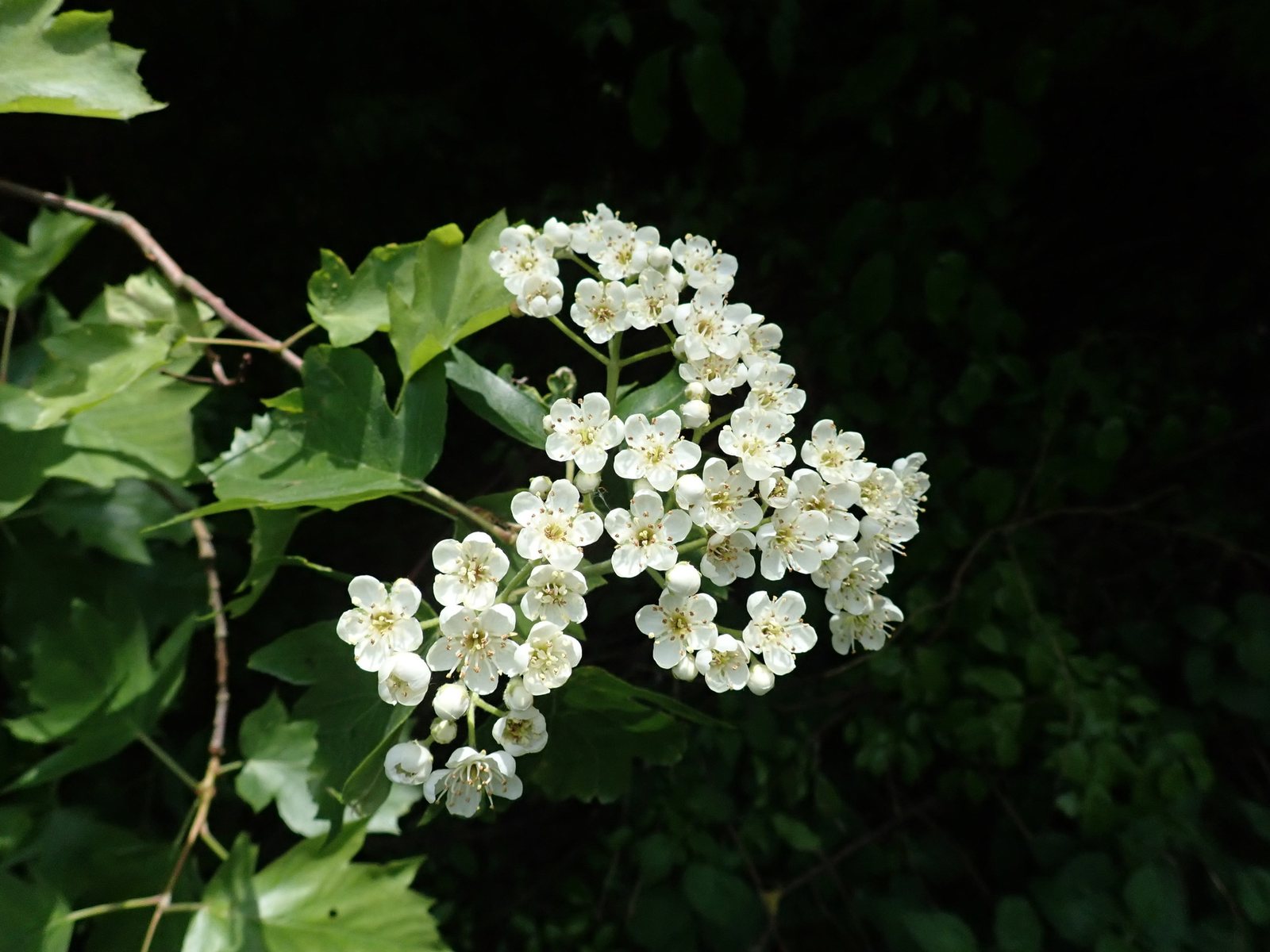
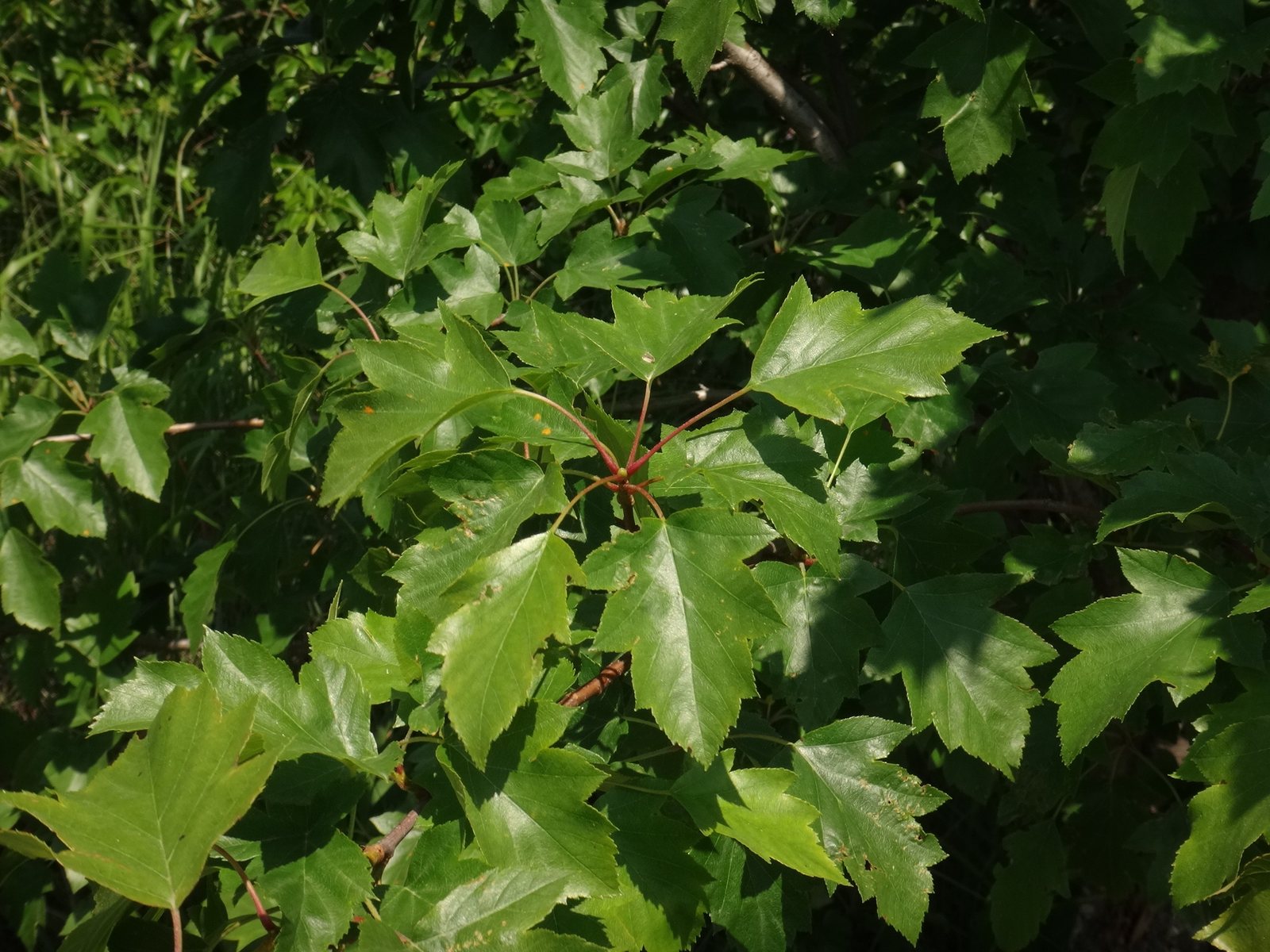
A deciduous European tree grown for its lobed leaves, white spring flowers and rich orange-red autumn colour. Its small brown fruits feed birds and are edible when softened, but its eventual size makes it better suited to large gardens and parkland than small plots.
At a glance
- Sun
- Full sun or partial shade; flowering and autumn colour are usually best in sun.
- Water
- Water regularly while establishing; established trees tolerate moderate drought.
- Soil
- Deep, well-drained loam or clay, including chalky and limestone soils; tolerates mildly acidic to alkaline conditions. Avoid permanently wet ground.
- Height
- 50-80 ft (15-24 m)
- Spread
- 30-50 ft (9-15 m)
- Flowers
- Late spring to early summer; small creamy-white flowers in flattened clusters.
- Foliage
- Glossy green, sharply lobed leaves turn yellow, orange, russet or red in autumn.
- Growth
- Slow to moderate, often slow during establishment.
- Care needed
- Low
The year at a glance
- Pollinators
- Drought tolerant
- Wildlife
- Low allergen
| J | F | M | A | M | J | J | A | S | O | N | D | |
|---|---|---|---|---|---|---|---|---|---|---|---|---|
| Flowers | ||||||||||||
| Fruit | ||||||||||||
| Plant |
Northern hemisphere months. In Australia, shift them by six.
- Difficulty
- Easy
- Toughness
- Very tough
Will it suit your garden?
Pick your zone, country, light and whether you have pets.
Full sun is 6 or more hours of direct sun a day, part shade 3 to 6 hours, shade under 3.
How it grows
Planting day
8 ft (2.3 m)
After 1 year
10 ft (3 m)
After 2 years
12 ft (3.7 m)
After 3 years
14 ft (4.3 m)
After 5 years
19 ft (5.6 m)
About 26 years to full size.
From a typical nursery size, at an average rate for this kind of plant. A rule of thumb, not a forecast.
Good to know
- Cats and dogs
- Toxic
- Growth rate
- Slow
Care
Jobs through the year
- WaterApr–May, Sep, every 21 days
- Water established trees only in prolonged drought; water young trees more often for two to three years.
- WaterJun–Aug, every 14 days
- Deep-soak established trees only during prolonged drought; young trees may need weekly watering.
- PruneFeb–Mar
- Remove dead, damaged or crossing branches and lightly train young trees; avoid heavy pruning.
- PruneJun–Aug
- Remove unwanted root suckers close to their point of origin.
- MulchMar–Apr
- Renew a 5–8 cm organic mulch over the root area, keeping it clear of the trunk.
- ProtectMar, Sep
- Check young-tree stakes and ties; remove support once roots anchor the tree.
- Plant during the dormant season when the ground is workable, allowing room for the mature crown.
- Water deeply during dry spells for the first two or three growing seasons.
- Apply a 2-3 in (5-8 cm) organic mulch over the root area, keeping it clear of the trunk.
- Stake only if the rootball moves in wind; check ties regularly and remove the stake once roots anchor the tree.
- Avoid routine feeding on reasonably fertile soil.
- Remove unwanted root suckers close to their point of origin.
Pruning. Prune lightly in late winter while dormant, removing dead, damaged or crossing branches. Train young trees to a sound framework and avoid topping or heavy pruning of mature trees.
Harvest
Pick brown fruits in autumn when they detach readily, then allow firm fruits to soften, or blet, in a cool place until the flesh is soft and no longer strongly astringent. Eat only the softened flesh and discard the seeds; a substantial first crop may take around 10-20 years from planting a young tree, with considerable variation.
Through the year
- Winter
- Plant dormant trees when the soil is neither frozen nor waterlogged.
- Late winter
- Remove damaged or crossing branches and check the young tree's framework.
- Spring
- Renew mulch and inspect stakes and ties.
- Summer
- Water young trees deeply during dry weather and remove unwanted suckers.
- Autumn
- Collect fruit for bletting if wanted, leaving some for birds.
- Late autumn
- Collect fallen leaves for leaf mould; discard badly diseased material.
In the garden
- Use as a specimen in a large lawn where its broad crown and autumn colour have room to develop.
- Plant at a woodland edge with hazel, hawthorn and spring bulbs.
- Include in a broad mixed hedgerow as an occasional full-sized tree.
- Use in parkland or a large wildlife garden for flowers, fruit and long-term canopy.
Garden styles it suits: Woodland, Wildlife garden, Native hedgerow, Grand estate, English country and Autumn colour.
Plant it with: Hazel, Hawthorn, Field maple, Dog rose, Common bluebell and Wood anemone.
Wildlife: Flowers attract bees and other insects; birds eat the autumn fruits. In its native range, the foliage also supports moth larvae and other insects.
Problems to watch for
- Fire blight can blacken shoots and leave them looking scorched: seek local advice, prune affected growth well below symptoms in dry weather and disinfect tools.
- Leaf spots may develop in damp seasons: collect badly affected fallen leaves and avoid wetting the canopy when watering.
- Aphids can curl young leaves: tolerate light infestations and encourage ladybirds and other predators; use a water jet on accessible shoots if needed.
- Poor establishment often follows drought, waterlogging or planting too deeply: keep the root flare at soil level, improve site drainage and water the rootball thoroughly.
Safety
Softened ripe fruit flesh is edible to people. Do not eat the seeds or leaves, which may contain cyanogenic compounds. Poisoning in cats, dogs and horses is not well documented for this species; prevent substantial ingestion of seeds or foliage, particularly cut or wilted material, because cyanogenic poisoning can be serious.
Easily confused with
Field maple (Acer campestre)
Field maple has opposite leaves and buds, with paired winged seeds. Wild service tree has alternate leaves and small brown fleshy fruits.
Common whitebeam (Sorbus aria)
Whitebeam has oval, usually unlobed leaves with conspicuously white, felted undersides and red fruits; wild service tree has sharply lobed leaves and brown fruits.
Service tree (Sorbus domestica)
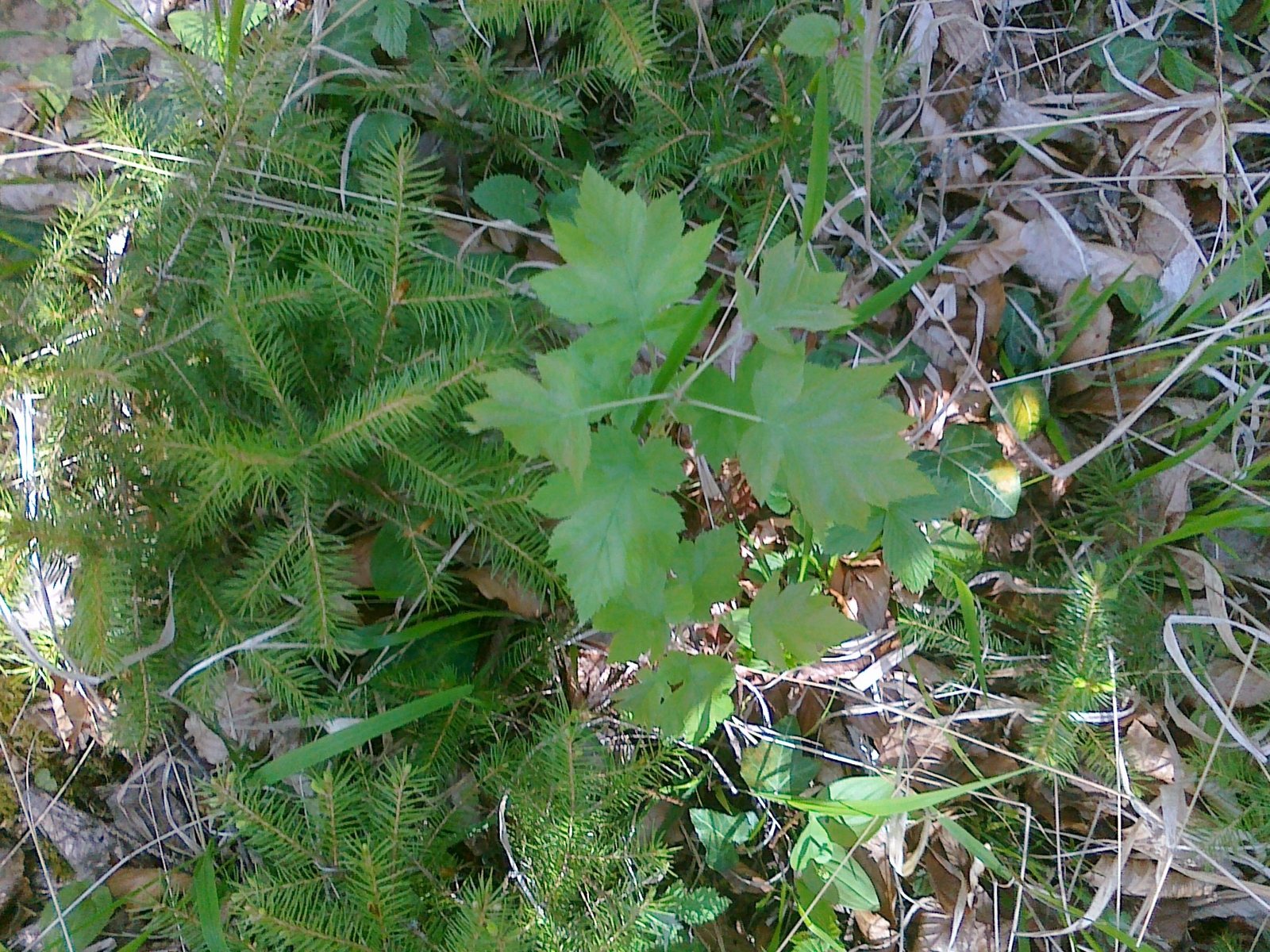
Service tree has pinnate leaves made up of separate leaflets and larger pear- or apple-shaped fruits; wild service tree has single, lobed leaves.
The name
The Latin epithet torminalis refers to colic, reflecting the fruit's historical use for intestinal complaints.
Propagation. Grow from cleaned fresh seed sown outdoors in autumn; germination can be slow and irregular, sometimes taking two winters. Root suckers with their own roots can be separated during dormancy.
Checked against open data
- Accepted botanical name
- Torminalis glaberrima Sorbus torminalis is an older name for Torminalis glaberrima.
Sources: GBIF (CC BY 4.0). The care and design notes are LandscapeGPT's own.
See it in your own yard.
Upload a photo of your yard and see it redesigned with plants that suit your climate, each checked against your zone.