Field maple
Acer campestre. Family Sapindaceae. Tree.
Also called Hedge maple, Common maple.
Field maple is a deciduous tree native to Europe and western Asia, grown for its rounded crown, small lobed leaves and yellow autumn colour. It tolerates clipping, exposed sites and chalky soil, making it useful as either a shade tree or a substantial hedge.
At a glance
- Sun
- Full sun or partial shade; develops a denser crown and better autumn colour in sun.
- Water
- Water regularly while establishing. Established trees tolerate moderate drought, but prolonged dry conditions can scorch leaves.
- Soil
- Well-drained clay, loam, chalk or sandy soil; prefers moderately fertile ground. Tolerates alkaline soil and some compaction, but not persistent waterlogging.
- Height
- 30-50 ft (9-15 m)
- Spread
- 25-40 ft (7.5-12 m)
- Flowers
- Small yellow-green flower clusters in spring, opening with the leaves.
- Foliage
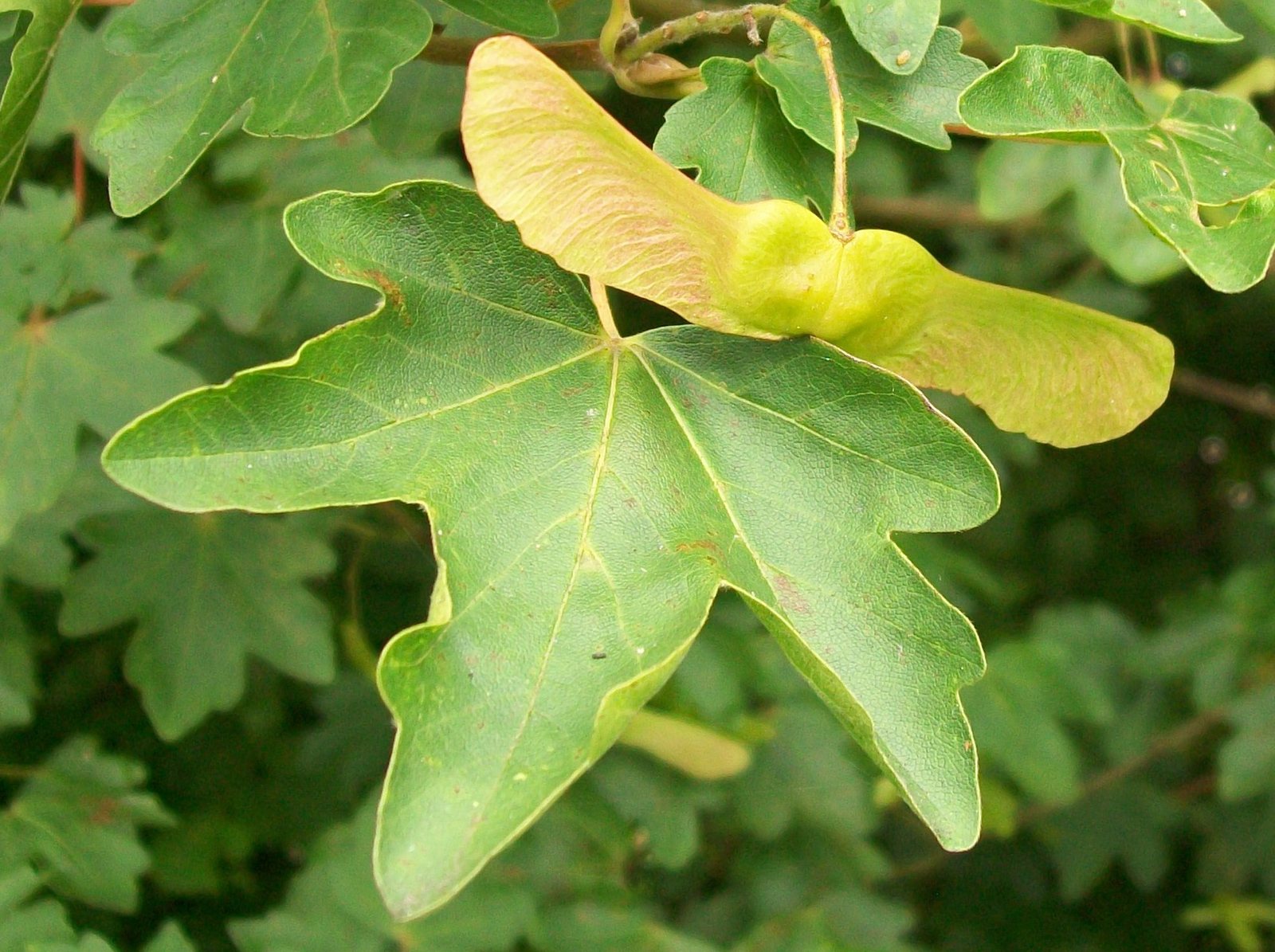
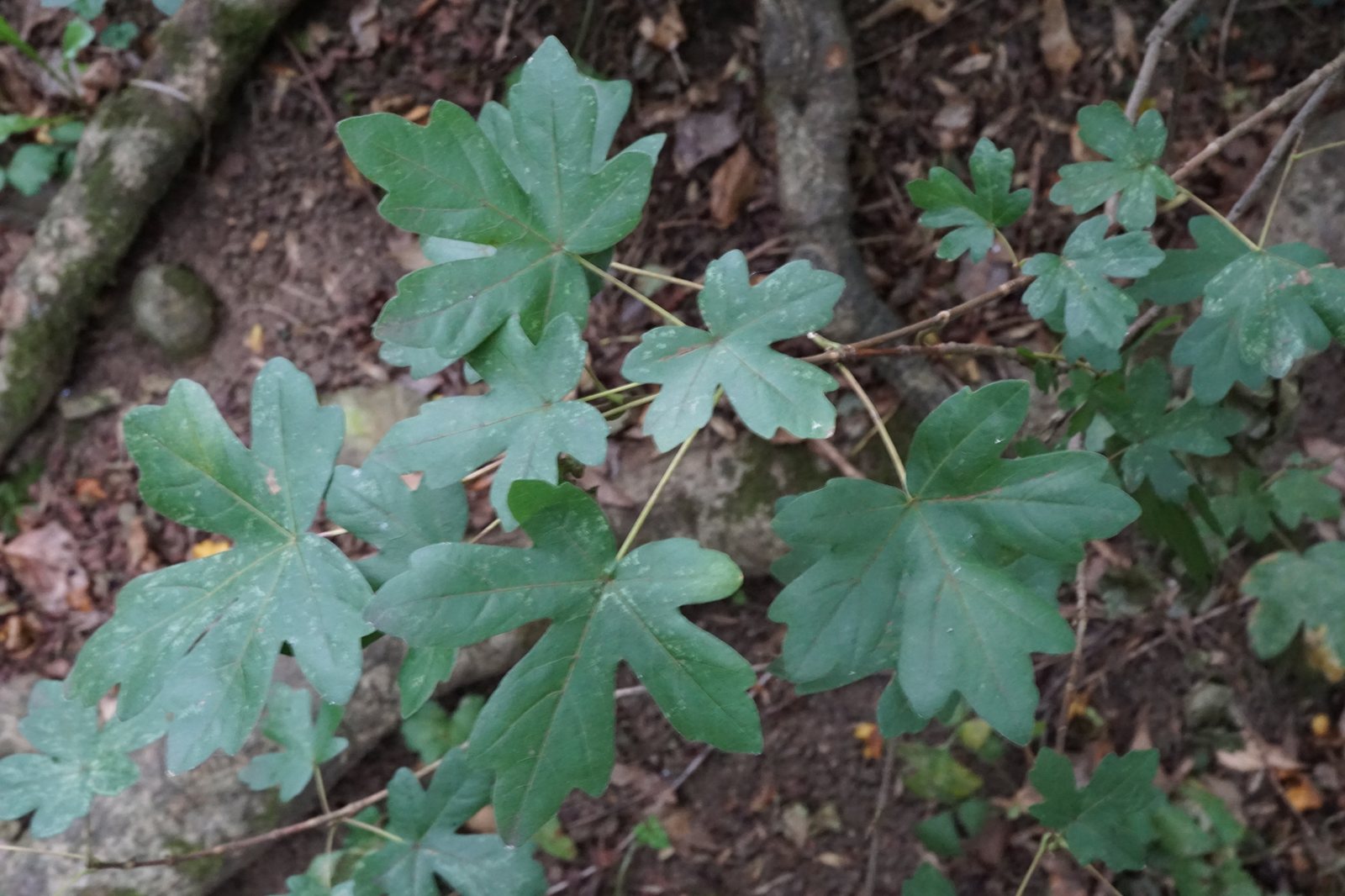
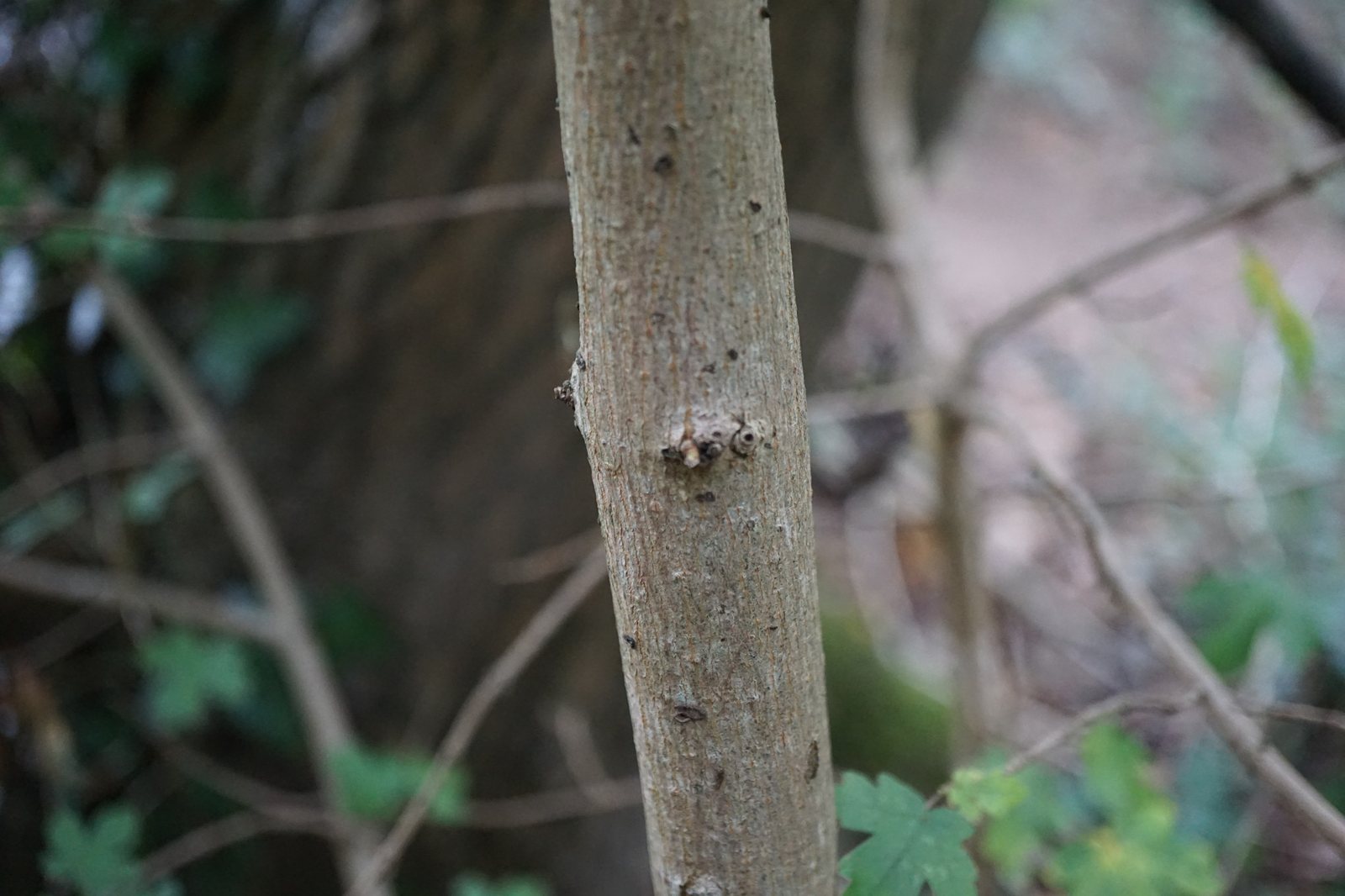
- Opposite, dark green leaves with three to five blunt lobes, turning yellow in autumn. Broken leaf stalks release milky sap; young branches sometimes develop corky ridges.
- Growth
- Moderate
- Care needed
- Low
The year at a glance
- Pollinators
- Drought tolerant
- Wildlife
| J | F | M | A | M | J | J | A | S | O | N | D | |
|---|---|---|---|---|---|---|---|---|---|---|---|---|
| Flowers | ||||||||||||
| Fruit | ||||||||||||
| Plant |
Northern hemisphere months. In Australia, shift them by six.
- Difficulty
- Easy
- Toughness
- Very tough
Will it suit your garden?
Pick your zone, country, light and whether you have pets.
Full sun is 6 or more hours of direct sun a day, part shade 3 to 6 hours, shade under 3.
How it grows
Planting day
7 ft (2 m)
After 1 year
8 ft (2.5 m)
After 2 years
10 ft (3 m)
After 3 years
11 ft (3.5 m)
After 5 years
15 ft (4.5 m)
About 20 years to full size.
From a typical nursery size, at an average rate for this kind of plant. A rule of thumb, not a forecast.
Good to know
- Cats and dogs
- Safe
- Native to
- the UK
- Invasive in
- the US
- In the garden
- Spreads vigorously: plan to contain it.
- Growth rate
- Moderate
Care
Jobs through the year
- WaterApr–May, Sep–Oct, every 21 days
- For established trees in the ground, water deeply only during extended dry spells; young trees need more frequent watering.
- WaterJun–Aug, every 14 days
- Deep-water established trees during prolonged dry weather; skip when rainfall keeps the root zone moist.
- MulchMar–Apr
- Refresh organic mulch to 5–8 cm deep, leaving the trunk and root flare clear.
- PruneAug–Sep
- Remove crossing or damaged branches lightly; check for active nests before cutting hedges.
- Plant with the root flare at soil level, allowing space for the mature crown.
- Water deeply during dry spells for the first two growing seasons; avoid keeping the root zone constantly wet.
- Spread organic mulch 2-3 in (5-8 cm) deep over the root area, keeping it clear of the trunk.
- Do not feed routinely; apply fertiliser only if poor growth or a soil test indicates a deficiency.
- Stake only if the root ball moves in wind, and remove the support once the roots hold it securely.
- Pull unwanted seedlings while small, especially near woodland or natural areas.
Pruning. Prune established trees lightly in late summer to early autumn, removing crossing branches and preserving a balanced framework; avoid heavy spring pruning because cuts can bleed sap. Clip hedges in summer after checking for active bird nests.
Through the year
- Autumn
- Plant while the soil is workable and moist; in very cold climates, plant in spring instead.
- Late winter
- Check stakes and ties for rubbing or constriction, and remove unnecessary supports.
- Spring
- Renew mulch without piling it against the trunk, and remove unwanted seedlings.
- Summer
- Water young trees deeply during dry weather and clip hedges after checking for nesting birds.
- Late summer
- Carry out light corrective pruning on established trees if needed.
- Late autumn
- Gather fallen leaves for leaf mould; dispose of heavily diseased foliage rather than leaving it beneath the tree.
In the garden
- Grow as an informal shade tree in a medium or large lawn, allowing room for its broad crown.
- Clip into a dense boundary hedge for a formal garden or rural property.
- Combine with hawthorn and hazel in a mixed hedgerow for shelter and wildlife habitat.
- Underplant the open edge of its canopy with spring bulbs and shade-tolerant perennials for seasonal interest.
Garden styles it suits: English country, Traditional, Woodland, Wildlife garden, Native hedgerow and Autumn colour.
Plant it with: Common hawthorn, Common hazel, English bluebell, Wood anemone, Hardy cyclamen and Male fern.
Wildlife: Spring flowers provide pollen and nectar for insects. Leaves support caterpillars and other insects, while dense hedges and mature crowns provide shelter and nesting sites for birds.
Problems to watch for
- Aphids can cause curled leaves and sticky honeydew: tolerate light infestations, encourage natural predators and rinse reachable foliage with water if necessary.
- Powdery mildew may coat leaves in dry summers: avoid drought stress and improve airflow; established trees rarely need treatment.
- Verticillium wilt can cause sudden branch dieback: seek a diagnosis, remove dead branches and avoid planting another susceptible tree in affected soil.
- Leaf scorch and poor establishment usually follow drought, waterlogging or deep planting: check soil moisture and drainage, and ensure the root flare is not buried.
Safety
Field maple is not known to be toxic to cats, dogs, horses or people. This does not make its leaves, seeds or bark suitable food; do not confuse it with sycamore maple or red maple, which present serious poisoning risks to horses.
Where it spreads. Has escaped cultivation and can spread into woodland edges in parts of the northeastern and midwestern United States. Check local invasive-plant guidance before planting near natural areas.
Easily confused with
Norway maple (Acer platanoides)
Has larger leaves with sharply pointed lobes and teeth. Field maple leaves are smaller, with rounded, blunt lobes; both species can release milky sap from broken leaf stalks.
Sycamore maple (Acer pseudoplatanus)
Has larger, coarsely toothed leaves and hanging flower clusters. Field maple has smaller, blunt-lobed leaves and compact, upright flower clusters.
Montpellier maple (Acer monspessulanum)
Usually has three distinct, smooth-edged leaf lobes and leathery foliage. Field maple usually has five lobes, with the lower pair sometimes small, and softer leaves.
The name
The Latin species name campestre means 'of the fields', reflecting its association with open countryside and field boundaries.
Propagation. Grow the species from seed sown outdoors in autumn; germination can be slow and may require more than one winter. Named cultivars are generally propagated by budding or grafting to preserve their characteristics.
Checked against open data
- Accepted botanical name
- Acer campestre
- In the US and Canada
- Introduced in Canada and the lower 48 states.
- Native range
- Albania, Austria, Belarus, Belgium, Bulgaria, Corse, Czechoslovakia, Denmark, France, Germany, Great Britain and Greece.
- Measured
- Soil pH 7 to 7.5. Average height 1425 cm.
Sources: GBIF (CC BY 4.0), USDA PLANTS and Trefle (CC BY 4.0). The care and design notes are LandscapeGPT's own.
See it in your own yard.
Upload a photo of your yard and see it redesigned with plants that suit your climate, each checked against your zone.