
A native plant that suits your garden is about the most reliable thing you can plant: it already knows your winters, your summers and your rainfall, and local bees, butterflies and birds know it. But "native" alone isn't enough. A plant native to coastal California will sulk in a Minnesota winter, and a woodland native will scorch in a full-sun bed. Here's how to choose natives that will actually thrive where you live.
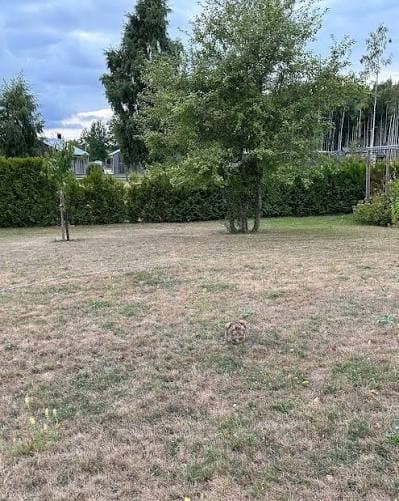
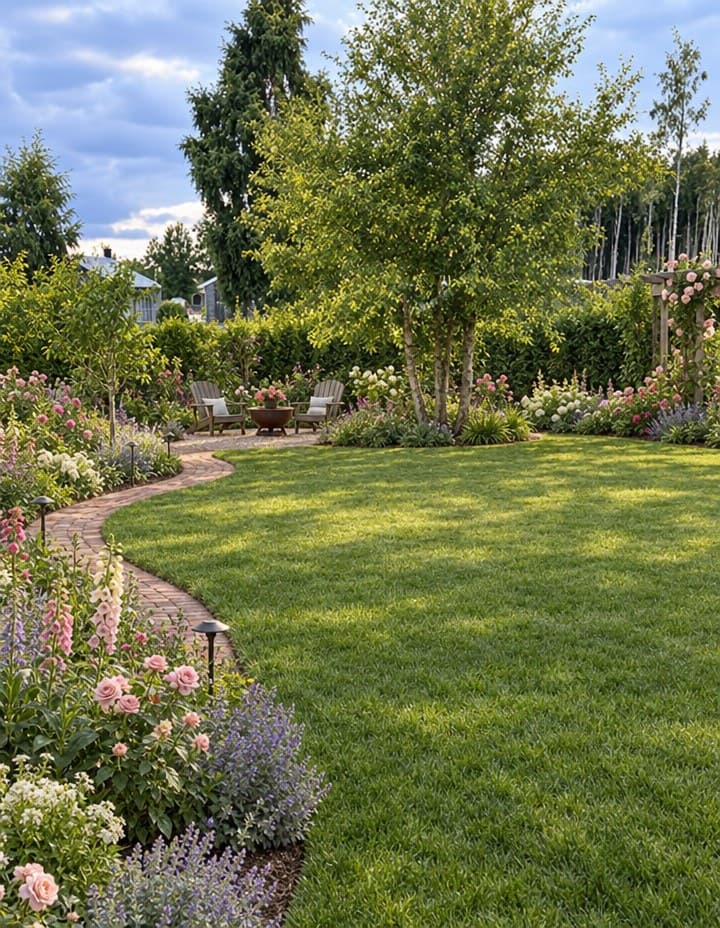
Start with your hardiness zone
Your USDA hardiness zone is the average coldest winter night where you live, in 10°F steps. Zone 5 gets down to -20 to -10°F; zone 8 only to 10 to 20°F. Every plant has a range of zones it survives, and the first filter is simple: your zone has to sit inside that range, ideally not at its edge.
You can browse garden plants by zone in our plant guide by zone, where each plant lists its range, sun, water and mature size. If you're near the edge of a plant's range, give it a sheltered spot or choose something else.
Then match light and soil
Zone tells you a plant will survive winter. Light and soil decide whether it thrives:
- Full sun means six or more hours of direct sun. Prairie and meadow natives love it.
- Part shade is three to six hours, often morning sun. Woodland-edge plants do best.
- Shade is under three hours, under trees or on the north side of a house.
Soil matters as much. Many prairie natives prefer lean, well-drained soil and flop in rich, wet ground. Woodland natives want soil with plenty of organic matter.
Proven natives by region
These are widely grown, dependable natives for each region. Click through for each plant's full guide.
Northeast and Midwest (zones 3-7)
- Purple coneflower: summer flowers, seed heads for finches, drought-tolerant once established.
- Little bluestem: a compact grass that turns copper in autumn.
- New England aster: late-season purple flowers when pollinators need them most.
- Black-eyed Susan: long gold flowering from midsummer into fall.
- Serviceberry: a small tree with white spring flowers, summer berries and orange fall color.
- Prairie dropseed: a fine-textured grass that makes a soft edge along paths.
The South (zones 7-9)
- Pink muhly grass: clouds of pink in autumn, tough in heat and drought.
- Butterfly weed: orange flowers and a host plant for monarch caterpillars.
- Bee balm: red flowers for hummingbirds; give it air to avoid mildew.
The West and California (zones 8-10)
- California lilac: masses of blue spring flowers, very drought-tolerant once settled.
- Manzanita: sculptural red bark and winter flowers; needs sharp drainage.
- Desert willow: a small, airy tree for hot, dry gardens.
- Oregon grape: evergreen, yellow spring flowers and blue berries, good in part shade in the Northwest.
The UK
- Foxglove: tall spires for part shade (toxic if eaten, so site it with care around children and pets).
- Yarrow: flat flower heads for pollinators in sunny, dry spots.
- Hawthorn: a hedge or small tree with spring blossom and autumn berries for birds.
Australia
- Kangaroo paw: striking flowers for sun and free-draining soil.
- Lomandra: a tough, grassy evergreen for borders and banks.
Design with natives so it looks intentional
A common worry is that native gardens look messy. They don't have to:
- Plant in drifts, five to fifteen of one plant together, rather than one of everything.
- Give it edges. A mown strip, a gravel path or a steel edge makes a meadow look deliberate.
- Layer by height: shrubs and tall grasses at the back, mid-height flowers in the middle, low plants at the front.
- Plan for every season. Mix spring flowers, summer flowers, autumn color and grasses that stand through winter.
See natives in your own yard
In LandscapeGPT's Redesign, set "Your garden" to your town or ZIP and choose Native plants. The design is drawn with real native plants that survive your zone, and they're listed with the result so you can take the list to a nursery. The plant list under each design checks every plant against your zone.