Angelita daisy
Tetraneuris acaulis. Family Asteraceae. Perennial.
Also called Stemless four-nerve daisy, Stemless hymenoxys.
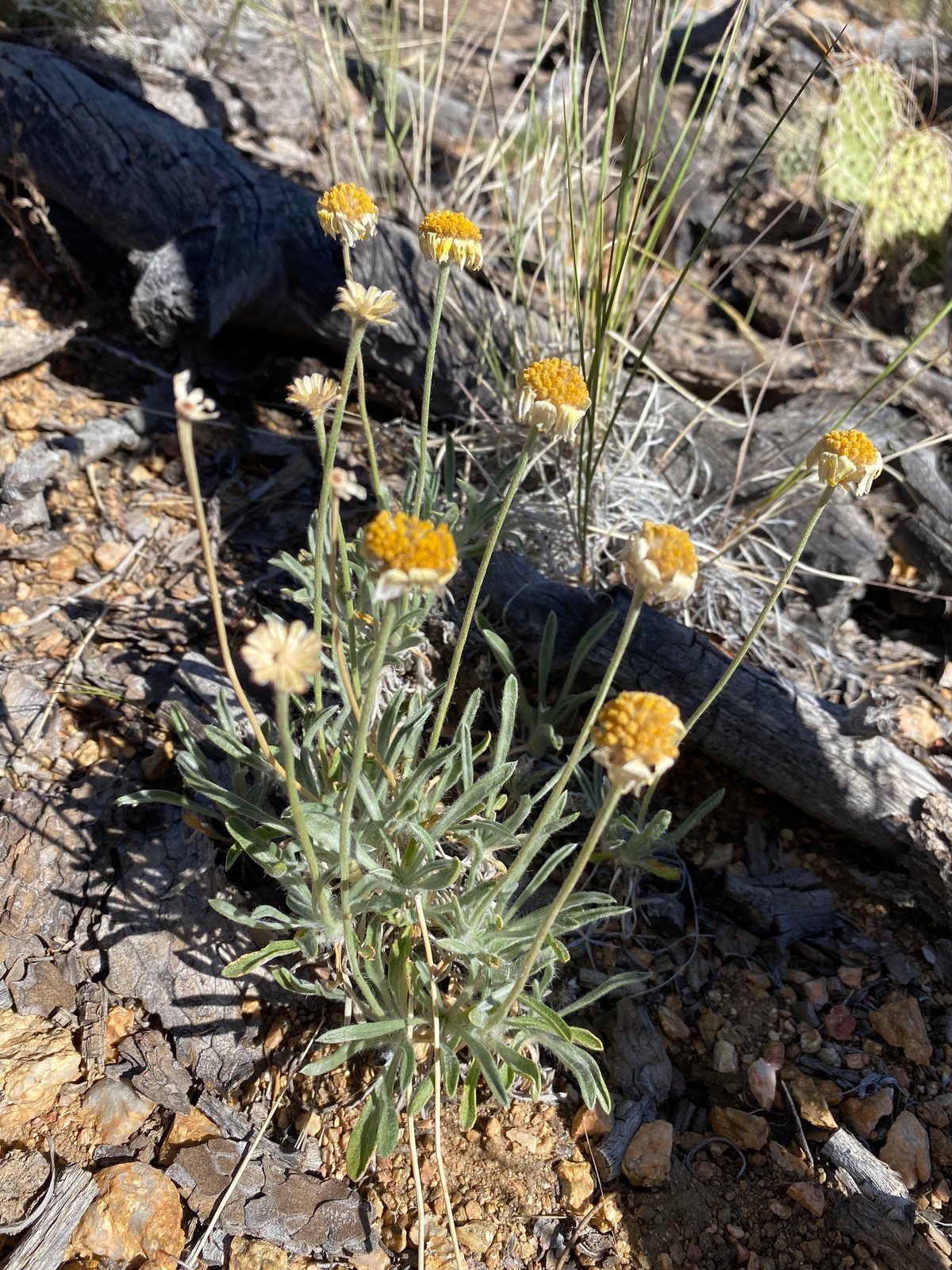
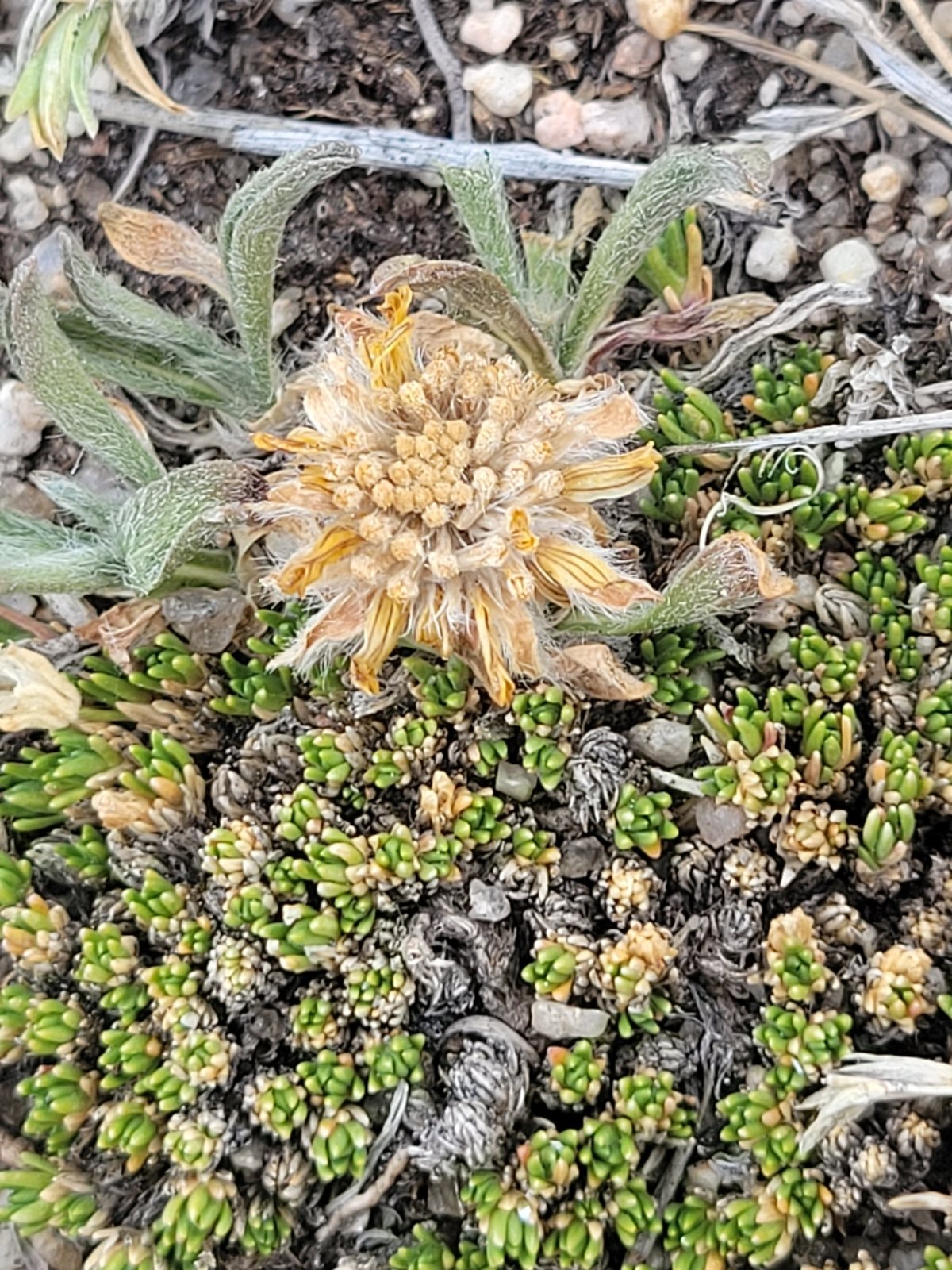
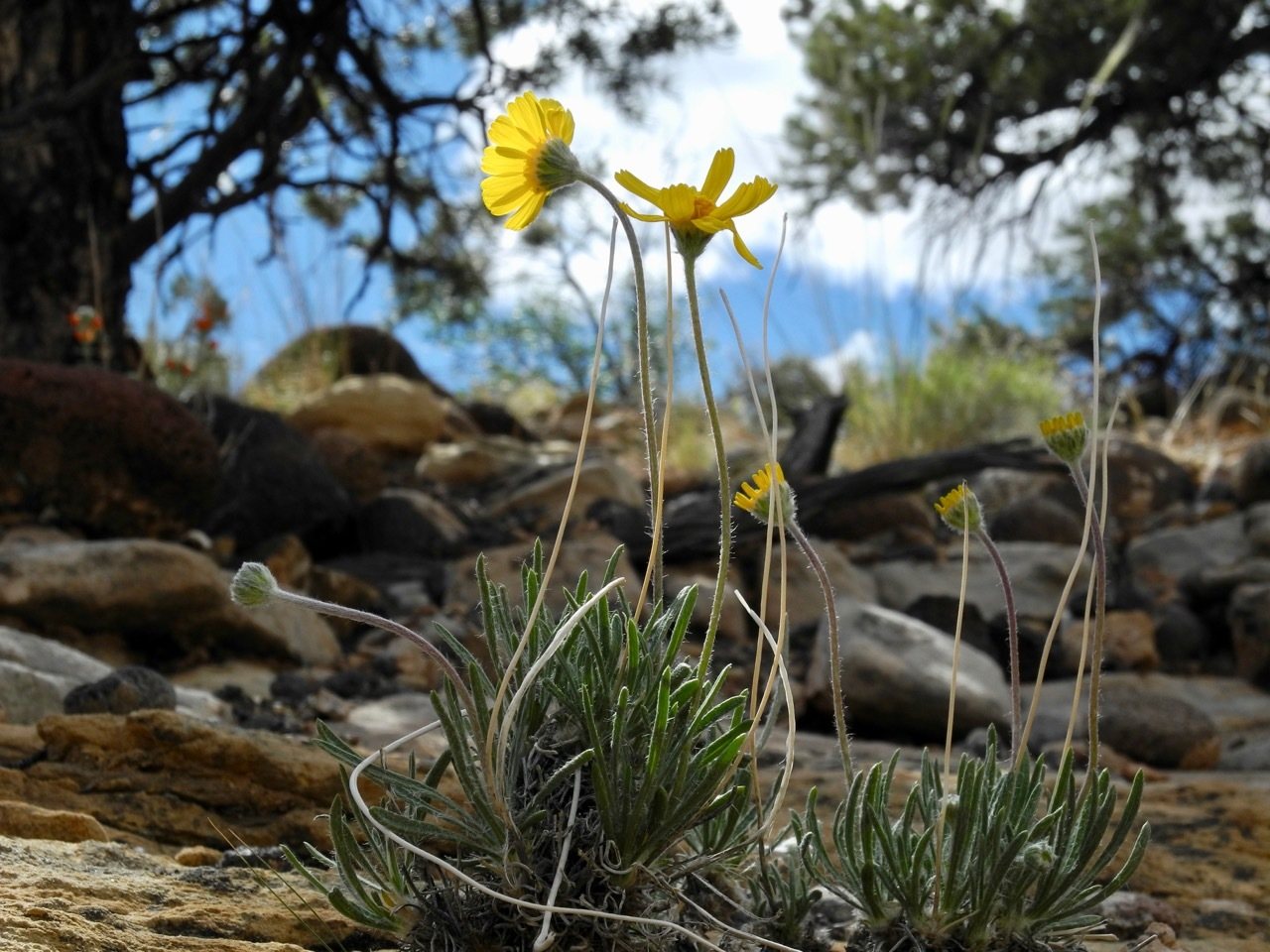
Tetraneuris acaulis is a compact perennial native to western and central North America, with yellow daisies held above low clumps of narrow leaves. Grow it in sunny rock gardens, gravel beds and dry borders where drainage is excellent. The name Angelita daisy is also commonly used for the related Tetraneuris scaposa, so check the botanical name when buying.
At a glance
- Sun
- Full sun; flowering and compact growth are best with at least six hours of direct sunlight.
- Water
- Low once established. Water new plants regularly while they root, then water deeply only during prolonged dry spells; avoid persistently damp soil.
- Soil
- Lean, sharply drained sandy, gravelly or rocky soil. Tolerates neutral to alkaline conditions; heavy clay and winter wet are poor conditions.
- Height
- 0.5-1 ft (0.15-0.3 m), including flower stems
- Spread
- 0.5-1 ft (0.15-0.3 m)
- Flowers
- Yellow daisies with yellow centres, mainly in late spring and summer; occasional later flowers in favourable conditions.
- Foliage
- Narrow green to grey-green leaves, often hairy, clustered at ground level; evergreen in mild climates and partly or fully dormant in colder winters.
- Growth
- Slow to moderate; forms a compact clump.
- Care needed
- Low
The year at a glance
- Pollinators
- Drought tolerant
- Cold hardy
- Low allergen
| J | F | M | A | M | J | J | A | S | O | N | D | |
|---|---|---|---|---|---|---|---|---|---|---|---|---|
| Flowers | ||||||||||||
| Fruit | ||||||||||||
| Plant |
Northern hemisphere months. In Australia, shift them by six.
- Difficulty
- Easy
- Toughness
- Very tough
Will it suit your garden?
Pick your zone, country, light and whether you have pets.
Full sun is 6 or more hours of direct sun a day, part shade 3 to 6 hours, shade under 3.
How it grows
Planting day
0.7 ft (0.22 m)
full size
About 4 years to full size.
From a typical nursery size, at an average rate for this kind of plant. A rule of thumb, not a forecast.
Good to know
- Cats and dogs
- Safe
- Native to
- the US and Canada
- Growth rate
- Slow
Care
Jobs through the year
- WaterApr–May, Sep, every 28 days
- Water established plants only in extended drought; newly planted clumps need more frequent checks.
- WaterJun–Aug, every 21 days
- Soak established plants only during prolonged dry spells, allowing soil to dry between waterings.
- PruneMar
- Remove dead foliage carefully without cutting into the living crown.
- DeadheadMay–Sep, every 14 days
- Snip faded flower stems to basal foliage; leave some late heads if seed is wanted.
- MulchApr
- Use a thin gravel mulch and keep bark, compost and soil away from the crown.
- ProtectJan–Feb, Oct–Dec
- Remove leaves covering the crown and keep drainage clear to prevent winter rot.
- Plant with the crown at soil level in a sunny site with sharp drainage.
- Water during establishment, allowing the soil surface to dry between waterings.
- Once established, water only during extended drought rather than on a lawn-watering schedule.
- Avoid routine feeding; rich soil and excess fertiliser encourage loose growth.
- Use a thin gravel mulch around the plant, keeping compost and bark mulch away from the crown.
Pruning. Snip spent flower stems back to the basal foliage to keep plants tidy and encourage further flowering. In early spring, remove dead leaves without cutting into the living crown.
Through the year
- Early spring
- Remove dead foliage and check that the crown has not become buried or waterlogged.
- Spring
- Plant nursery-grown plants after the soil becomes workable; water them in thoroughly.
- Late spring
- Check establishing plants for dry root balls and water deeply when needed.
- Summer
- Remove spent flower stems if you want a tidier display; avoid frequent light watering.
- Autumn
- Leave a few seed heads if you want seed, and remove fallen leaves that collect over the crown.
- Winter
- Keep drainage channels clear and avoid watering dormant outdoor plants unless conditions are unusually dry.
In the garden
- Plant along the front of a dry border for low foliage and small yellow flowers.
- Tuck into sunny rock gardens and raised gravel beds where water drains quickly.
- Repeat small groups among drought-tolerant grasses for a naturalistic prairie effect.
- Combine with low penstemons and creeping thyme for contrasting flower colours and textures.
Garden styles it suits: Dry gravel garden, Desert / xeriscape, Mountain lodge, Alpine rock garden, Pollinator garden and Low-maintenance.
Plant it with: Blue grama, Prairie smoke, Creeping thyme, Pineleaf penstemon and Purple prairie clover.
Wildlife: The flowers provide pollen and nectar for bees and other small pollinating insects.
Problems to watch for
- Crown and root rot in wet soil: improve drainage or move the plant to a raised gravel bed; do not keep watering a declining, soggy plant.
- Sparse flowering or floppy growth in shade: move to full sun and stop unnecessary feeding.
- Slugs and snails may damage fresh growth in damp gardens: remove hiding places and use wildlife-conscious controls if needed.
Safety
It is not known to be toxic to people, cats, dogs or horses, but species-specific safety information is limited. No particular toxic part or severity is established; treat it as an ornamental rather than an edible plant and discourage pets from eating it.
Easily confused with
Angelita daisy (Tetraneuris scaposa)
Often sold under the same common name. It typically has greener, narrower leaves and a longer flowering season in warm climates; T. acaulis often has hairier, greyer foliage.
Richardson's rubberweed (Hymenoxys richardsonii)
Has divided leaves and branching, leafy flowering stems, rather than the simple basal leaves and mostly leafless, single-flowered stalks of Tetraneuris acaulis.
The name
Tetraneuris refers to the four nerves in the ray florets, while acaulis means stemless, referring to the plant's low basal foliage rather than its visible flower stalks.
Propagation. Grow from seed sown in a gritty, well-drained mix. Seed from some populations benefits from a period of cold, moist conditions before spring germination; follow the supplier's guidance. Divide established, multi-crowned clumps carefully in spring, retaining roots on each piece.
Checked against open data
- Accepted botanical name
- Tetraneuris acaulis
- In the US and Canada
- Native in Canada and the lower 48 states.
- Native range
- Alberta, Arizona, California, Colorado, Idaho, Kansas, Montana, Nebraska, Nevada, New Mexico, North Dakota and Oklahoma.
- Measured
- Average height 5 cm.
Sources: GBIF (CC BY 4.0), USDA PLANTS and Trefle (CC BY 4.0). The care and design notes are LandscapeGPT's own.
See it in your own yard.
Upload a photo of your yard and see it redesigned with plants that suit your climate, each checked against your zone.