Big sagebrush
Artemisia tridentata. Family Asteraceae. Shrub.
Also called Great Basin sagebrush, Common sagebrush.
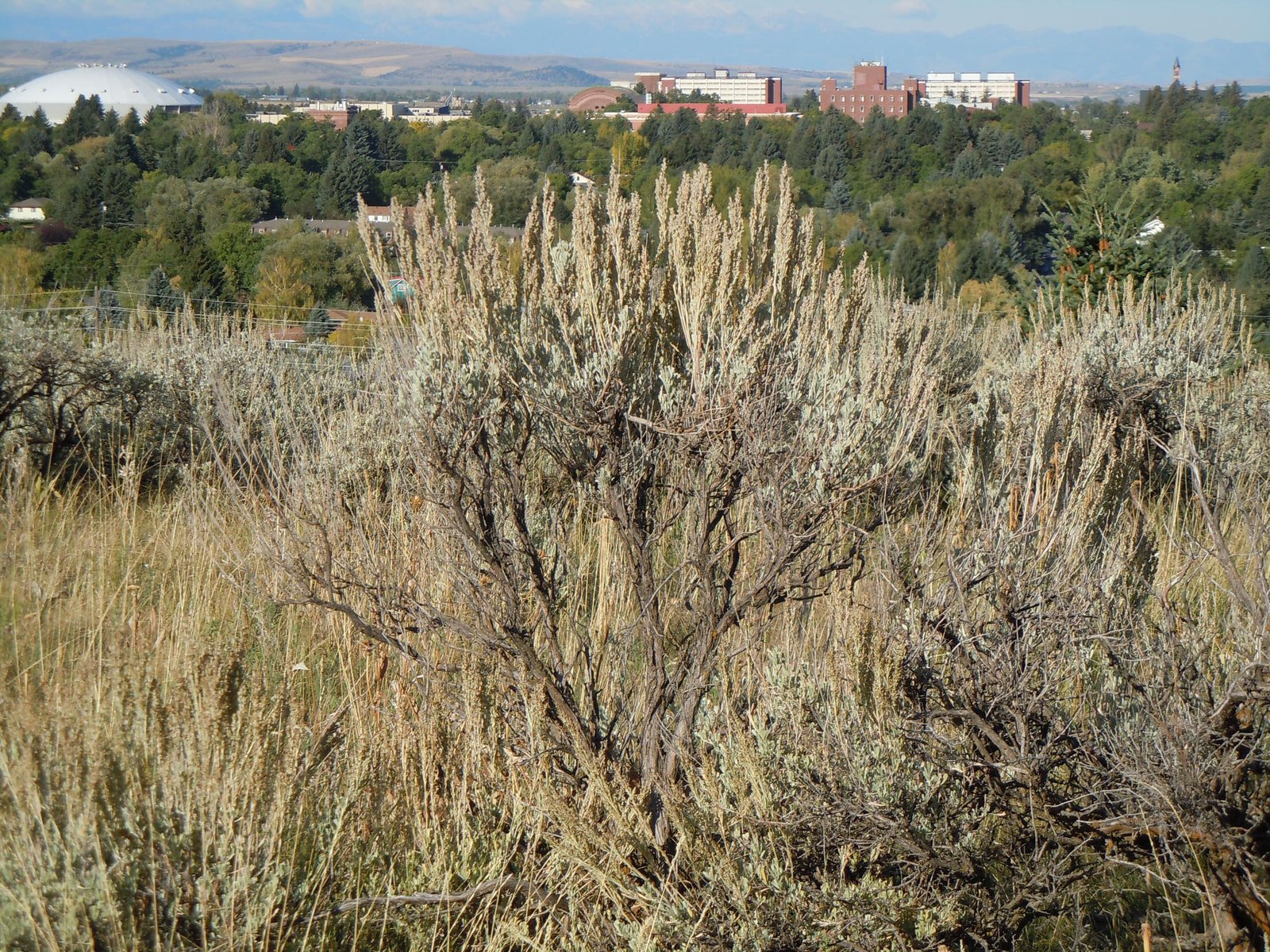
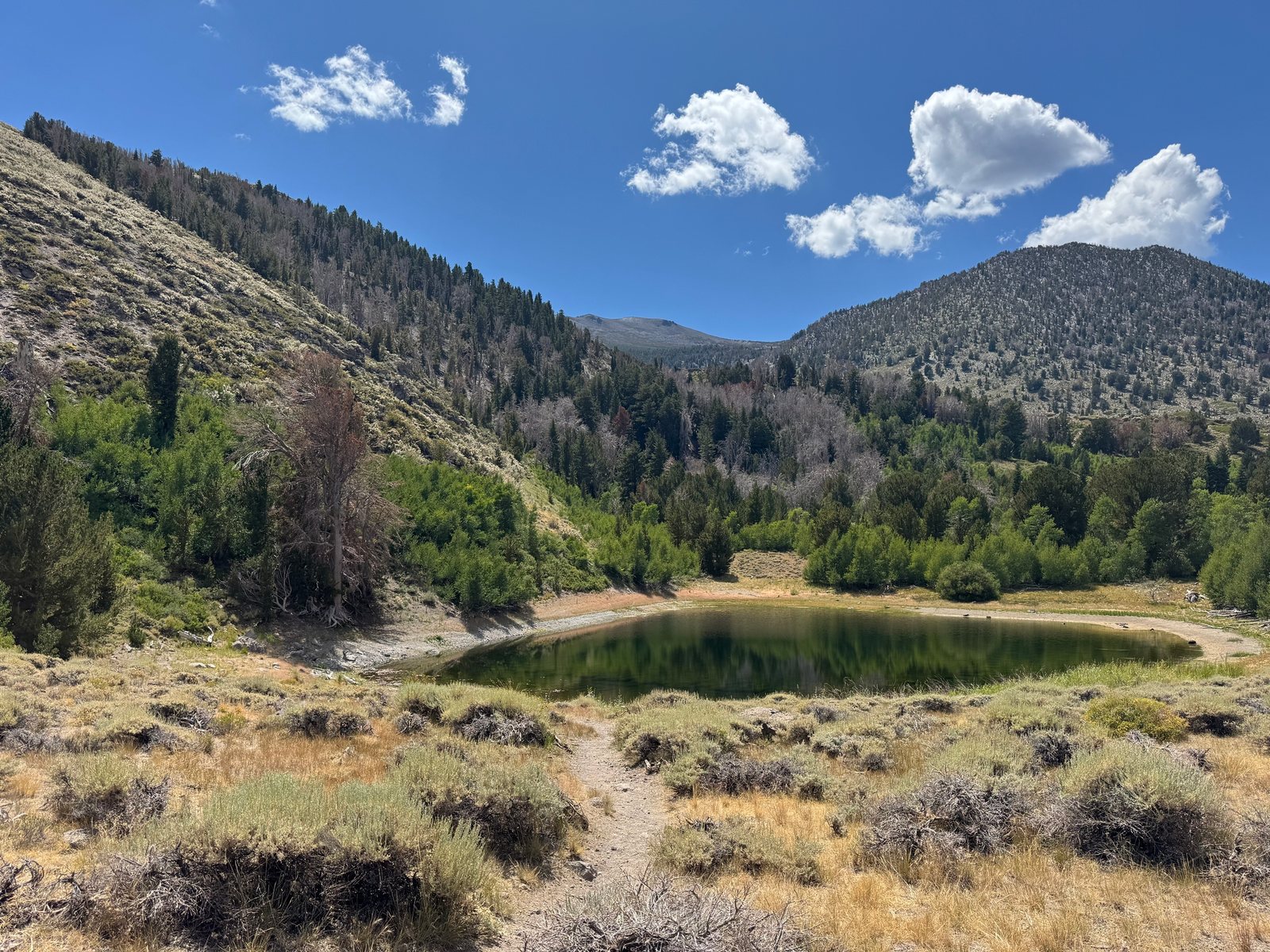
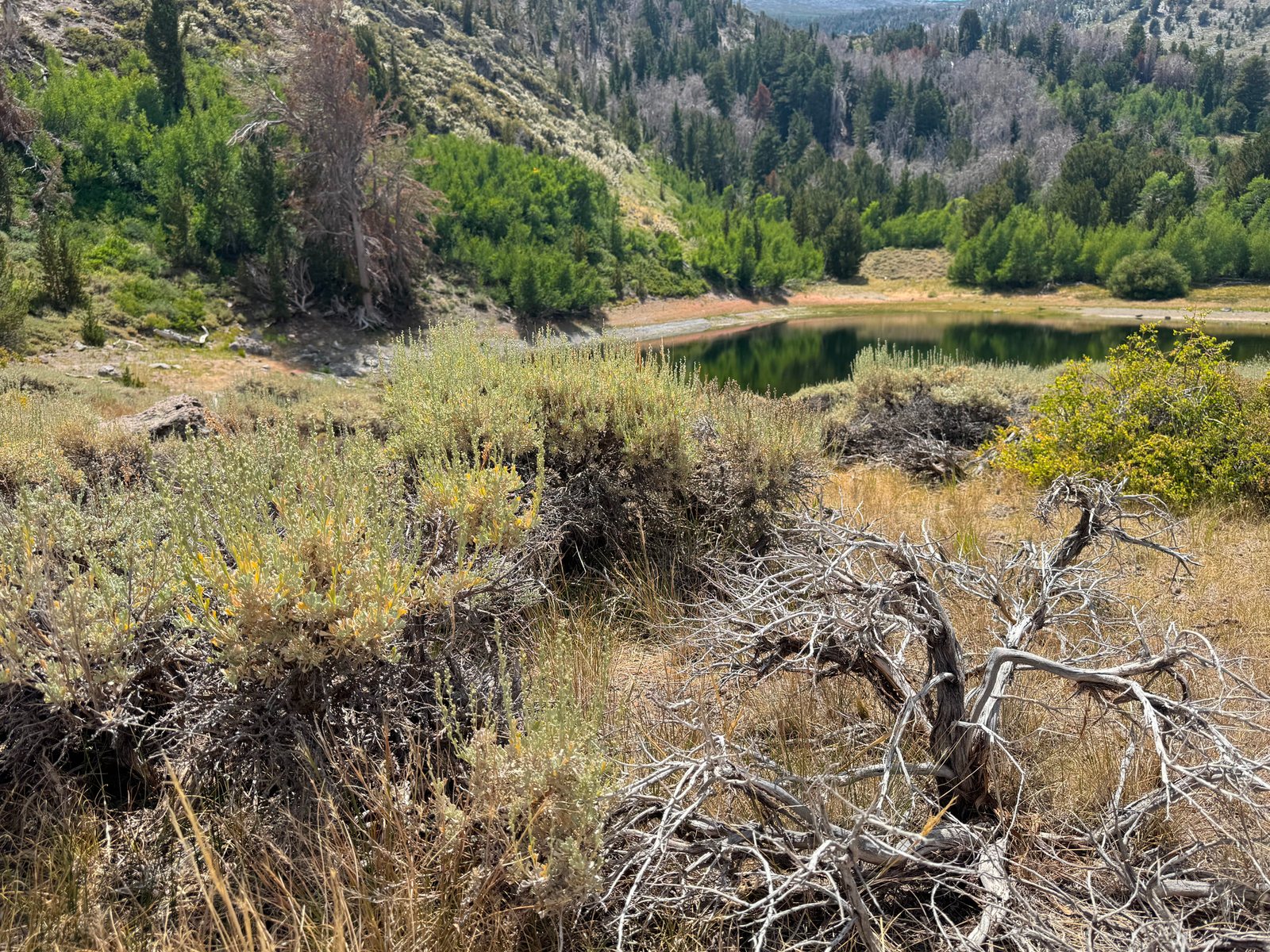
Big sagebrush is an aromatic, silver-grey evergreen shrub native to dry parts of western North America. Gardeners grow it for its finely textured foliage, irregular woody framework and tolerance of drought. It needs open sun and excellent drainage, and is much less reliable in humid climates or wet-winter gardens.
At a glance
- Sun
- Full sun.
- Water
- Low once established; water young plants during prolonged dry spells, then reduce irrigation substantially.
- Soil
- Well-drained sandy, gravelly or rocky soil; tolerates lean and alkaline ground. Avoid waterlogged soil and heavy clay unless drainage is improved.
- Height
- 3-10 ft (0.9-3 m), depending on subspecies and growing conditions
- Spread
- 3-8 ft (0.9-2.4 m)
- Flowers
- Late summer to autumn; small, inconspicuous yellowish flower heads on upright sprays.
- Foliage
- Evergreen. Small, silver-grey, strongly aromatic leaves, usually with three blunt teeth at the tip. Retains foliage through winter but sheds some leaves during summer drought.
- Growth
- Slow to moderate; faster in deeper soil with some available moisture.
- Care needed
- Low
The year at a glance
- Drought tolerant
- Cold hardy
- Heat tolerant
- Wildlife
- Fragrant
| J | F | M | A | M | J | J | A | S | O | N | D | |
|---|---|---|---|---|---|---|---|---|---|---|---|---|
| Flowers | ||||||||||||
| Fruit | ||||||||||||
| Plant |
Northern hemisphere months. In Australia, shift them by six.
- Difficulty
- Moderate
- Toughness
- Very tough
Will it suit your garden?
Pick your zone, country, light and whether you have pets.
Full sun is 6 or more hours of direct sun a day, part shade 3 to 6 hours, shade under 3.
How it grows
Planting day
1.6 ft (0.5 m)
After 1 year
2.6 ft (0.79 m)
After 2 years
4 ft (1.1 m)
After 3 years
4 ft (1.4 m)
After 5 years
6 ft (2 m)
full size
About 5 years to full size.
From a typical nursery size, at an average rate for this kind of plant. A rule of thumb, not a forecast.
Good to know
- Cats and dogs
- Toxic
- Native to
- the US and Canada
- Growth rate
- Moderate
Care
Jobs through the year
- WaterApr–May, Sep, every 28 days
- Check established plants; water only in exceptional drought, and check young plants more often.
- WaterJun–Aug, every 21 days
- Water established plants only during prolonged drought when the root zone is dry; avoid routine irrigation.
- PruneMar
- Remove dead branches and lightly shorten leafy shoots; never cut hard into bare old wood.
- MulchApr
- Use a thin gravel mulch if needed, leaving the stem base uncovered.
- ProtectOct–Nov
- Clear debris from the crown and ensure winter rain drains freely from the root zone.
- Plant in full sun with enough space for its mature width.
- Water deeply during establishment, allowing the soil to dry between waterings.
- Once established, avoid routine lawn-style irrigation and persistently damp soil.
- Do not routinely fertilize; rich feeding encourages soft, sprawling growth.
- Use a thin gravel mulch if needed, keeping the stem base uncovered.
Pruning. In early spring, remove dead or damaged branches and lightly shorten leafy shoots if shaping is needed. Avoid cutting hard into bare old wood, which may not regrow.
Through the year
- Late winter
- Check that winter rain is draining away from the root zone and stem base.
- Early spring
- Remove dead branches and lightly shape plants without cutting into bare old wood.
- Spring
- Plant container-grown shrubs after the soil becomes workable; water thoroughly and keep the crown at soil level.
- Summer
- Check new plants during dry spells and water deeply only when the root zone has dried.
- Autumn
- Leave flower and seed sprays for wildlife, or collect ripe seed when it rubs free from the dried heads.
- Late autumn
- Sow fresh seed in outdoor pots or a cold frame, pressing it onto the surface rather than burying it deeply.
In the garden
- Use as a silver-grey structural shrub in a sunny gravel garden, leaving room for its irregular outline.
- Combine with blue grama and penstemons in a dry western North American native planting.
- Place against dark stone or timber where the pale foliage provides contrast throughout the year.
- Plant in loose groups on a freely drained slope rather than as a tightly clipped hedge.
Garden styles it suits: Desert / xeriscape, Dry gravel garden, Southwestern, Desert modern, Wildlife garden and Winter interest.
Plant it with: Blue grama, Indian ricegrass, Prairie Junegrass, Rubber rabbitbrush, Firecracker penstemon and Sulphur buckwheat.
Wildlife: In its native range, provides important food and shelter for sage-grouse, other birds and mammals, including specialist sagebrush feeders. It is wind-pollinated rather than a significant nectar plant.
Problems to watch for
- Root rot and decline in wet soil: improve drainage or move the plant to a raised, freely drained site; reduce irrigation.
- Sparse, floppy growth in shade or rich soil: provide full sun and stop routine feeding.
- Aphids on young growth: tolerate small colonies or wash them off with water while avoiding prolonged soaking of the root zone.
- Failure to recover after severe pruning: preserve leafy growth and replace plants that remain bare rather than repeatedly cutting them back.
Safety
Not a culinary sage. Leaves and flowering shoots contain aromatic oils and other compounds that can be harmful if eaten in quantity; concentrated oils should not be swallowed. Excessive consumption can poison horses. Information on poisoning in cats and dogs is limited, so prevent substantial ingestion and seek veterinary advice if symptoms occur; normal garden contact is not generally considered a serious hazard.
Easily confused with
Rubber rabbitbrush (Ericameria nauseosa)
Has narrow, unlobed leaves and conspicuous clusters of golden-yellow flowers; big sagebrush usually has three-toothed leaves and much less showy flowers.
White sage (Salvia apiana)
Has larger, broader leaves arranged in opposite pairs and tall stems of white flowers; big sagebrush has small, alternate leaves and tiny yellowish flower heads.
Silver wormwood (Artemisia ludoviciana)
Usually forms spreading herbaceous colonies that die back in winter, rather than the persistent, branching woody framework of big sagebrush.
The name
The epithet tridentata means three-toothed, referring to the three blunt teeth usually found at the leaf tip.
Propagation. Grow from fresh seed surface-sown in autumn or late winter; germination varies with seed source, and a period of moist cold can help some seed lots. Young shoot cuttings may root, but success is variable.
Checked against open data
- Accepted botanical name
- Artemisia tridentata
- In the US and Canada
- Native in Canada and the lower 48 states.
- Native range
- Alberta, Arizona, British Columbia, California, Colorado, Idaho, Mexico Northwest, Montana, Nebraska, Nevada, New Mexico and North Dakota.
- Measured
- Soil pH 6 to 8.2. Average height 51 cm.
Sources: GBIF (CC BY 4.0), USDA PLANTS and Trefle (CC BY 4.0). The care and design notes are LandscapeGPT's own.
See it in your own yard.
Upload a photo of your yard and see it redesigned with plants that suit your climate, each checked against your zone.