Carrot 'Scarlet Nantes'
Daucus carota 'Scarlet Nantes'. Family Apiaceae. Annual.
Also called 'Scarlet Nantes' carrot, Nantes-type carrot.
'Scarlet Nantes' is an open-pollinated carrot grown for its sweet, orange, cylindrical roots with blunt tips and relatively small cores. Botanically a biennial, it is grown as an annual and harvested before flowering, for eating fresh, cooking or storing.
At a glance
- Sun
- Full sun; tolerates light partial shade, but roots develop more slowly.
- Water
- Keep the seedbed consistently moist until seedlings emerge, then water deeply enough to keep the developing root zone evenly moist without waterlogging.
- Soil
- Loose, well-drained sandy loam, ideally pH 6.0-7.0. Remove stones and loosen soil at least 1 ft (0.3 m) deep; avoid compacted ground and fresh manure.
- Height
- 1-1.5 ft (0.3-0.45 m) in the harvest year
- Spread
- 0.5-0.75 ft (0.15-0.23 m) of foliage; plants can be spaced more closely in rows
- Flowers
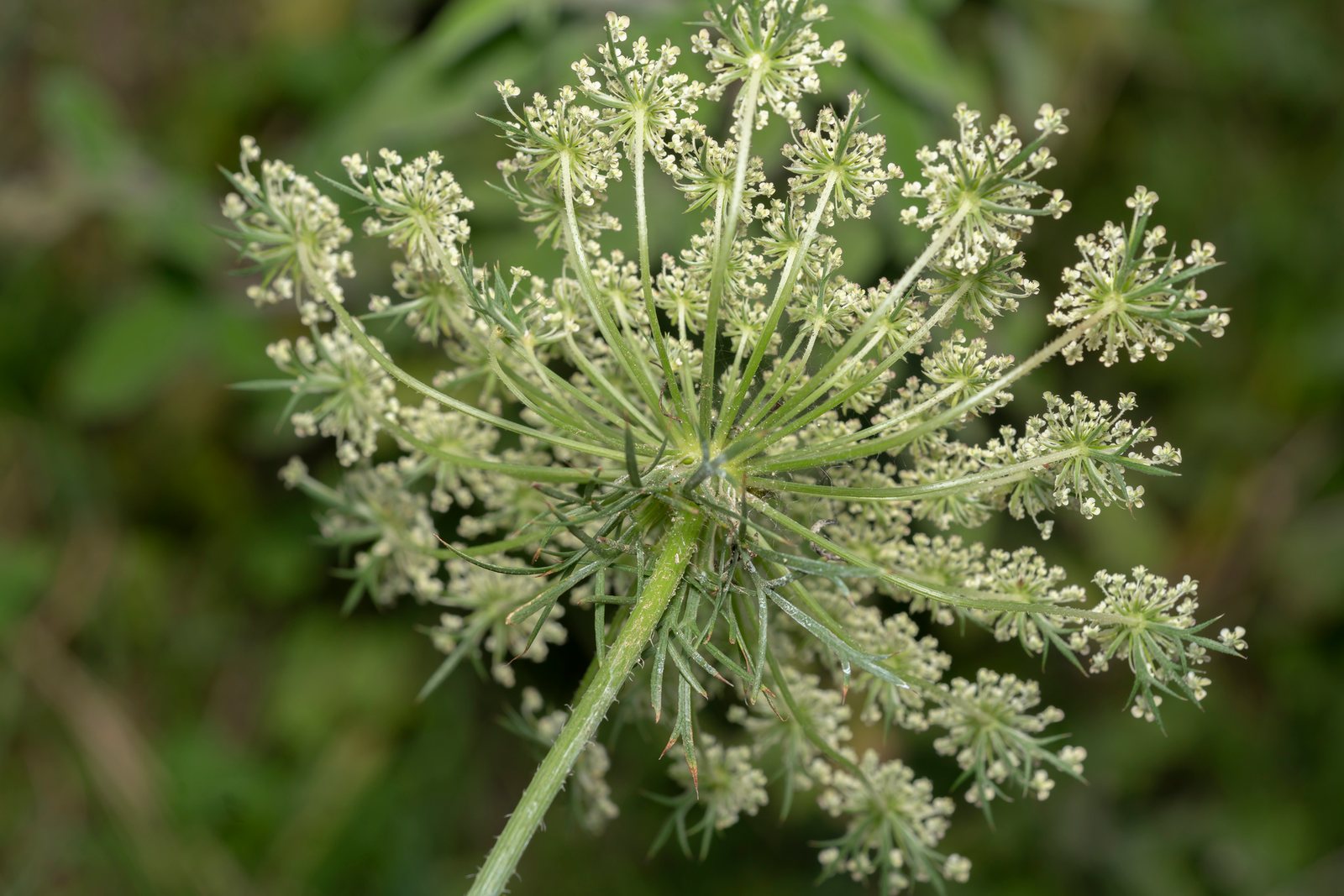
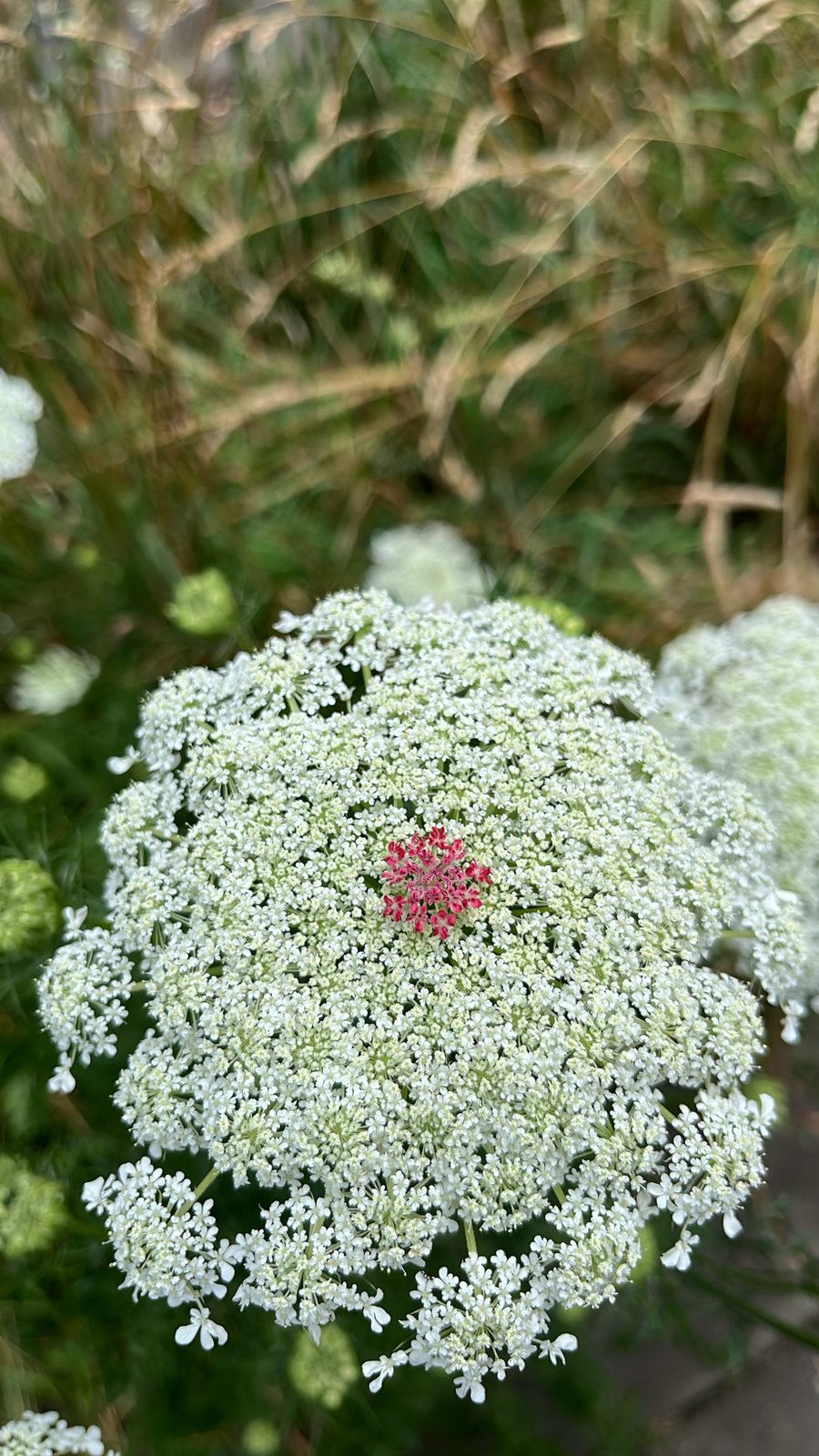
- Normally harvested before flowering; plants kept into their second year produce white flower umbels in late spring or summer.
- Foliage
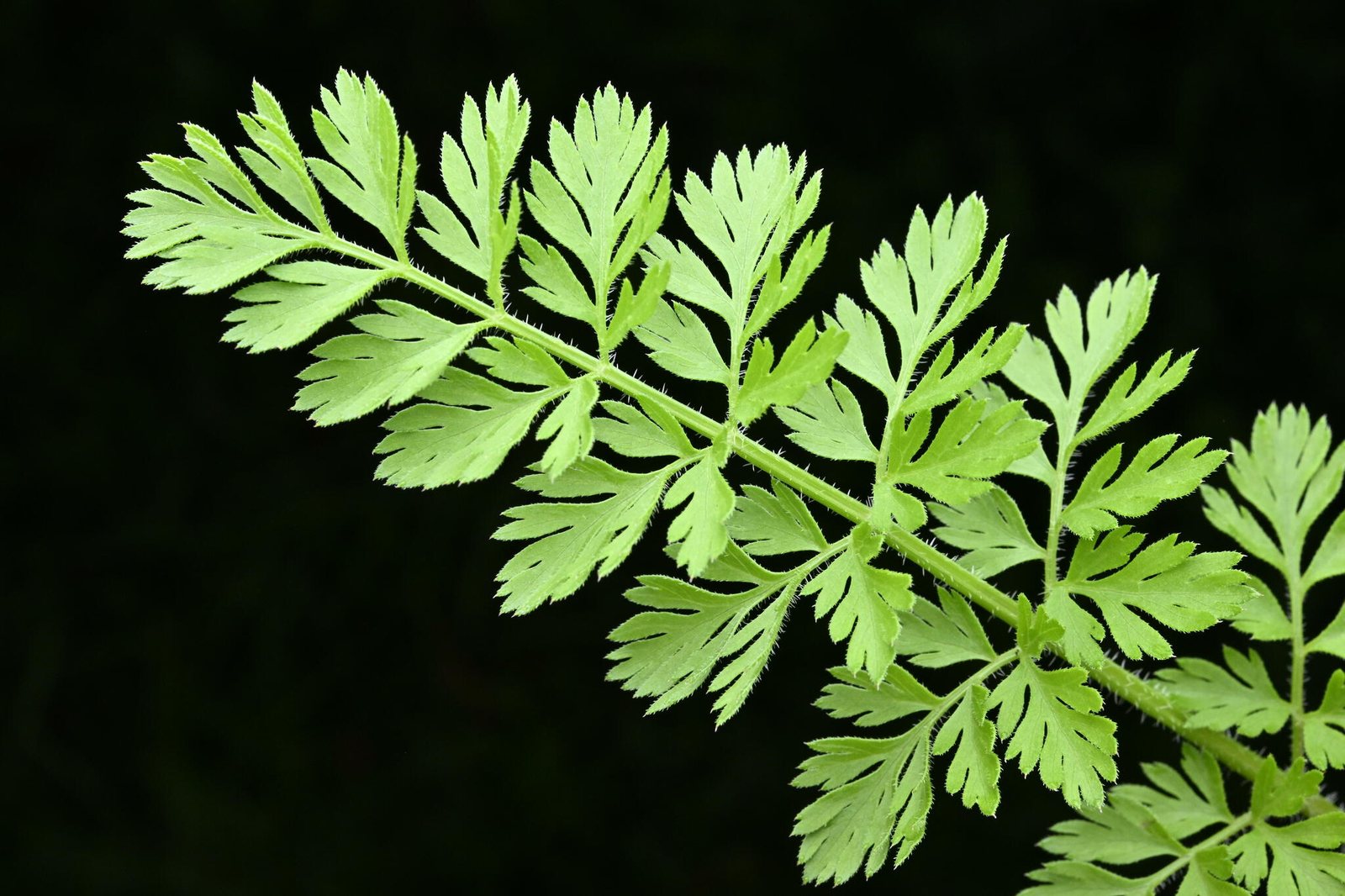
- Finely divided, feathery green leaves arising from the root crown.
- Growth
- Moderate; usually ready about 65-75 days after sowing, longer in cool conditions.
- Care needed
- Medium
The year at a glance
- Low allergen
- Edible
| J | F | M | A | M | J | J | A | S | O | N | D | |
|---|---|---|---|---|---|---|---|---|---|---|---|---|
| Fruit | ||||||||||||
| Plant |
Northern hemisphere months. In Australia, shift them by six.
- Difficulty
- Moderate
- Toughness
- Fairly tough
Will it suit your garden?
Pick your zone, country, light and whether you have pets.
Full sun is 6 or more hours of direct sun a day, part shade 3 to 6 hours, shade under 3.
How it grows
Planting day
0.5 ft (0.15 m)
After 1 year
1.2 ft (0.38 m)
full size
Full size in one season.
From a typical nursery size, at an average rate for this kind of plant. A rule of thumb, not a forecast.
Good to know
- Cats and dogs
- Safe
- Native to
- the UK
- Growth rate
- Moderate
Care
Jobs through the year
- WaterMar–May, Sep–Oct, every 7 days
- Water established crops if rain is insufficient; keep germinating seedbeds continuously moist.
- WaterJun–Aug, every 7 days
- Water deeply to maintain even moisture, allowing for rain; avoid drought followed by soaking.
- FeedMar–Apr
- Use a modest balanced fertilizer only on poor soil; avoid fresh manure and excess nitrogen.
- MulchMay–Aug
- Cover exposed root shoulders with a little soil to prevent greening.
- ProtectMar–Oct
- Keep insect mesh sealed over crops where carrot fly occurs.
- HarvestJun–Nov, every 7 days
- Lift roots when shoulders reach about 2–2.5 cm across, before soil freezes hard.
- ProtectNov–Dec
- In mild areas, insulate roots left in well-drained soil with straw before frost.
- Sow directly where plants will grow, about 0.25 in (6 mm) deep; avoid transplanting.
- Keep the soil surface moist during germination, which can take 1-3 weeks or longer in cold soil.
- Thin seedlings to 2-3 in (5-8 cm) apart, snipping unwanted plants at soil level where practical.
- Use modest amounts of balanced fertilizer only if needed; excess nitrogen encourages foliage rather than good roots.
- Weed gently and cover exposed root shoulders with a little soil to prevent greening.
- Use insect mesh where carrot fly is a problem, and rotate the crop to fresh ground each year.
Pruning. No routine pruning is needed. After harvest, cut foliage back to about 0.5 in (1 cm) above the crown before storing the roots.
Harvest
Lift roots when their shoulders are about 0.75-1 in (2-2.5 cm) across, usually 65-75 days after sowing; mature roots are commonly 6-7 in (15-18 cm) long, but smaller carrots can be eaten earlier. Loosen the soil with a garden fork before pulling, especially in heavier ground, and harvest before the soil freezes hard.
Through the year
- Early spring
- Prepare a deep, stone-free seedbed once the ground is workable; avoid working wet soil.
- Spring
- Direct-sow when soil has warmed to about 45°F (7°C) or above, keeping the seedbed moist.
- Late spring
- Thin seedlings, weed carefully and install insect mesh if carrot fly occurs locally.
- Summer
- Water evenly and harvest the earliest roots; make further sowings where conditions remain cool enough.
- Late summer
- Sow an autumn crop if enough growing time remains; in mild, hot-summer climates, begin sowing as temperatures ease.
- Autumn
- Lift mature roots for storage before hard ground freezes, or protect roots left in well-drained soil where winters are mild.
In the garden
- Plant in straight rows or blocks in a potager for a fine-textured contrast with broad-leaved vegetables.
- Use in raised beds with deep, loose soil for accessible harvesting.
- Grow in containers at least 1 ft (0.3 m) deep on sunny patios.
- Sow beside quick-growing radishes or lettuce, harvesting those crops before they crowd the carrots.
Garden styles it suits: Potager (kitchen garden), Cottage garden, Edible landscape, Homestead, Family-friendly and Small-space.
Plant it with: Lettuce, Radish, Onion, Leek, Chives and Peas.
Wildlife: Foliage may feed swallowtail butterfly caterpillars where these occur. Plants allowed to flower attract hoverflies, small bees and parasitic wasps, but the roots become unsuitable for normal eating.
Problems to watch for
- Carrot fly: larvae tunnel through roots. Cover the crop with well-sealed insect mesh from sowing and rotate to ground that did not recently grow carrots.
- Poor germination: dry surface soil, crusting or old seed can cause patchy rows. Use fresh seed and keep the surface gently moist until emergence.
- Forked or misshapen roots: stones, compaction, fresh manure or transplant damage interfere with growth. Direct-sow into deep, loose, stone-free soil.
- Split roots: sudden heavy watering after drought can cause cracking. Maintain even moisture and lift mature roots promptly.
Safety
Cultivated carrot roots and foliage are not known to be toxic to people, cats, dogs or horses. Raw roots can be a choking hazard if given in unsuitable pieces; foliage and sap may occasionally irritate sensitive skin.
Easily confused with
Wild carrot or Queen Anne's lace (Daucus carota)
The wild form usually develops a thin, pale, woody root rather than a thick orange storage root. Its foliage and flowers can closely resemble cultivated carrot.
Poison hemlock (Conium maculatum)
Mature plants usually have smooth, hollow stems with purple blotches and grow much taller than a first-year carrot crop. It is deadly poisonous;
Parsnip (Pastinaca sativa)
Parsnip has broader, coarsely toothed leaflets, a cream-coloured root and yellow flowers in its second year. Its sap can cause severe skin burns after sunlight exposure.
The name
The cultivar name refers to its orange-red root colour and to Nantes, the French city associated with this cylindrical, blunt-ended carrot type.
Propagation. Propagate by direct-sown seed. To save seed, selected roots must survive into a second growing season; flowering carrots readily cross with other carrot varieties and nearby wild carrot, so seed may not remain true to type without isolation.
Checked against open data
- Accepted botanical name
- Daucus carota
- In the US and Canada
- Introduced in Canada, the lower 48 states, Pacific Basin, Puerto Rico and St. Pierre and Miquelon.
- Native range
- Afghanistan, Albania, Algeria, Austria, Azores, Baleares, Baltic States, Belarus, Belgium, Bulgaria, Canary Is. and Cape Verde.
- Measured
- Soil pH 6.5 to 7. Average height 45 cm.
Sources: GBIF (CC BY 4.0), USDA PLANTS and Trefle (CC BY 4.0). The care and design notes are LandscapeGPT's own.
See it in your own yard.
Upload a photo of your yard and see it redesigned with plants that suit your climate, each checked against your zone.