Common juniper
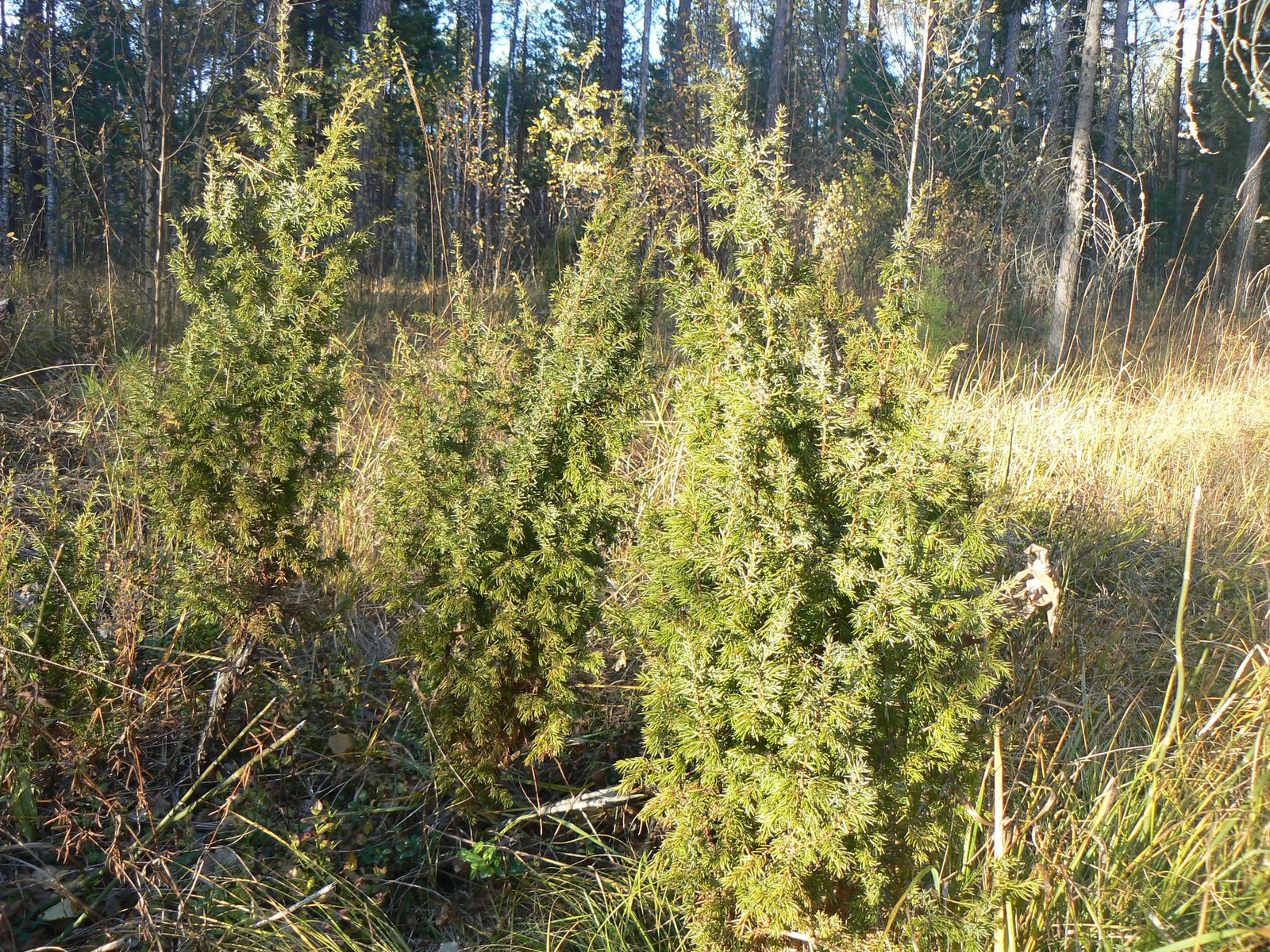
Juniperus communis. Family Cupressaceae. Shrub.
Also called Juniper.
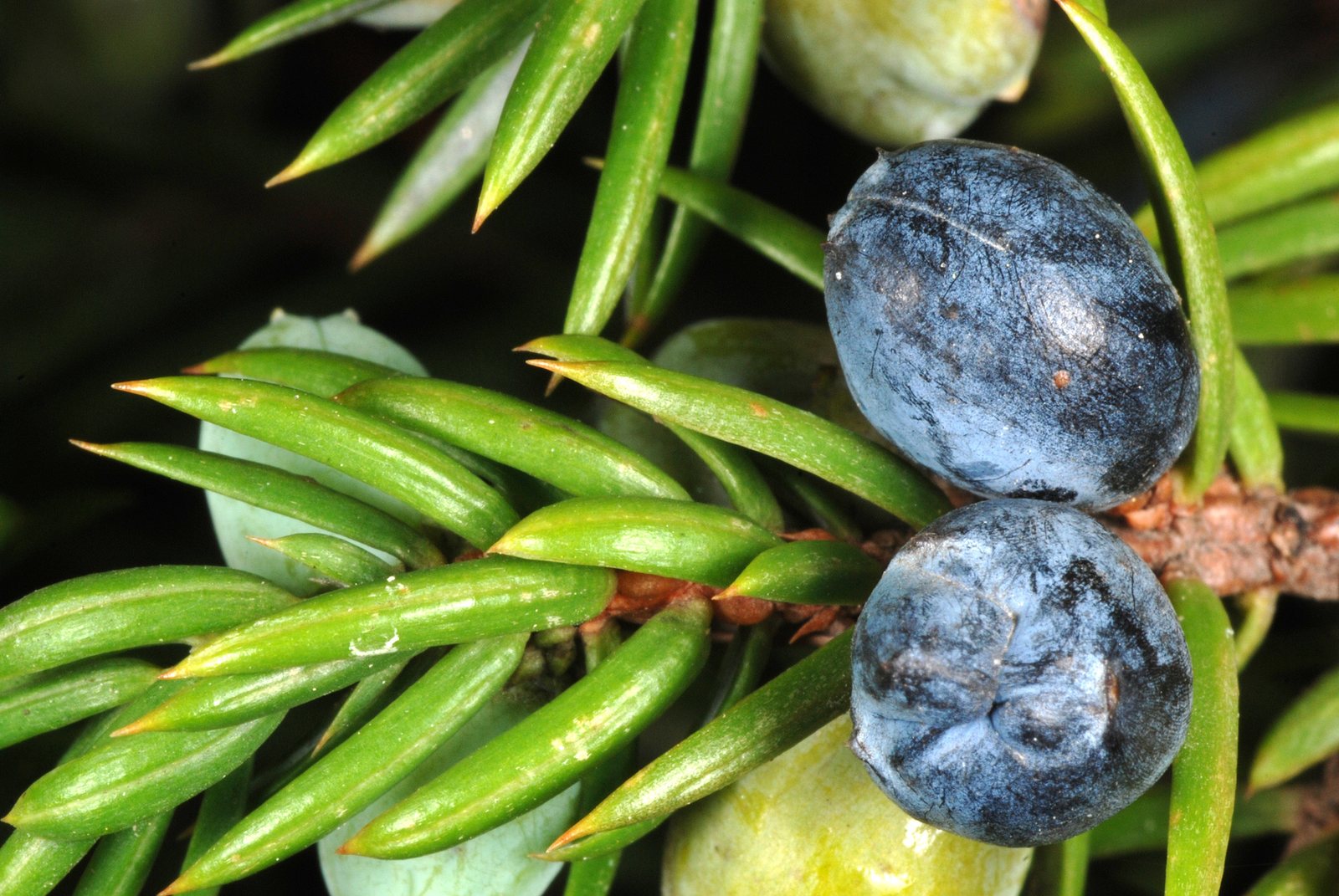
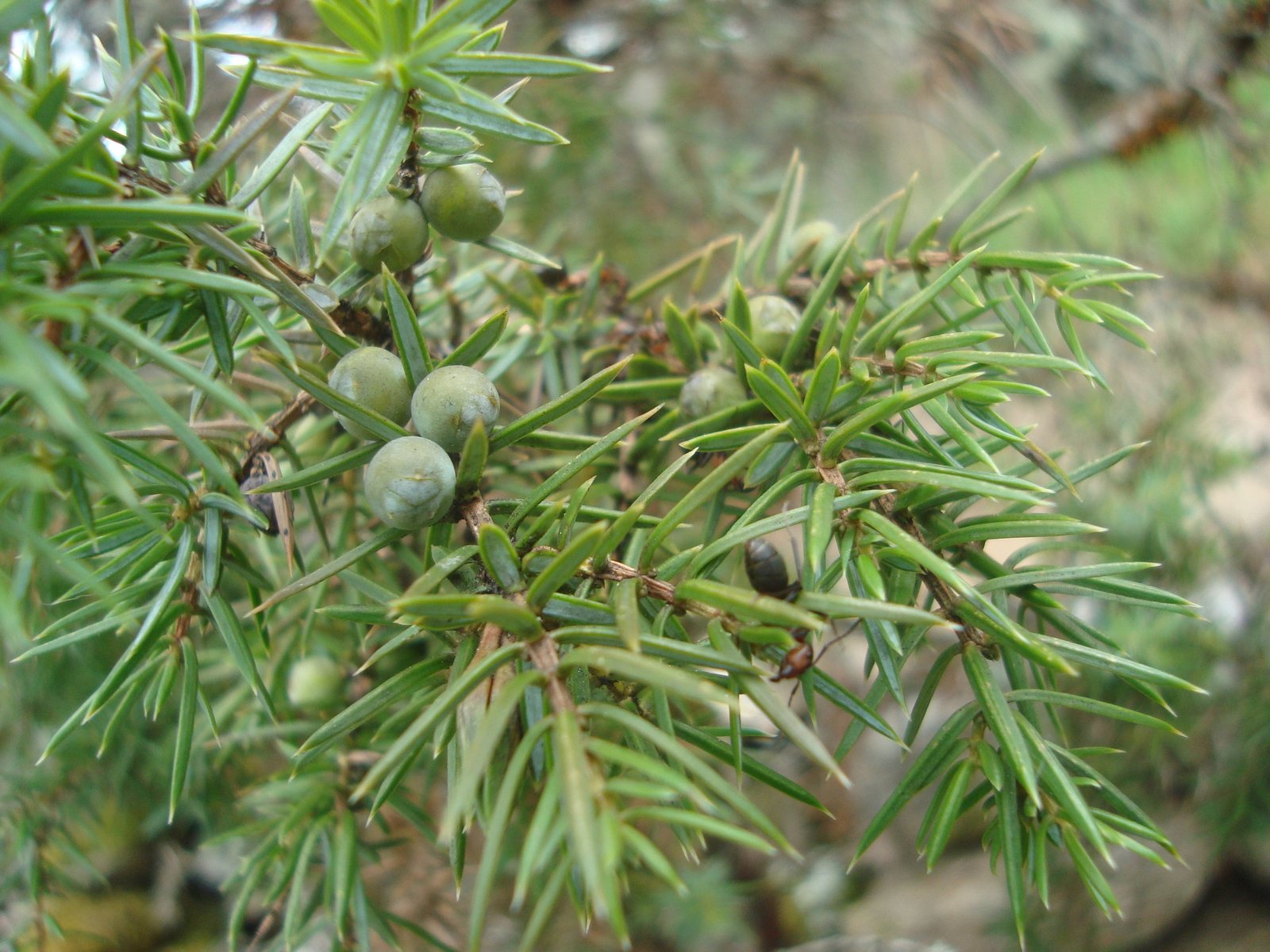
Common juniper is a slow-growing evergreen shrub or small tree with prickly needles and blue-black, berry-like cones on female plants. Gardeners grow it for year-round structure, wildlife shelter and tolerance of cold, exposed sites; choose a named form if you need a predictable shape and size. It performs best in cool climates and struggles in hot, humid conditions.
At a glance
- Sun
- Full sun; tolerates light shade but becomes less dense.
- Water
- Water regularly while establishing; drought-tolerant once established in open ground. Avoid persistently wet roots.
- Soil
- Well-drained sandy, gravelly or rocky soil, including poor soils; tolerates acidic to alkaline conditions. Unsuitable for waterlogged ground.
- Height
- Usually 3-15 ft (0.9-4.6 m); tree forms can reach 30 ft (9 m) or more.
- Spread
- Usually 3-10 ft (0.9-3 m), depending on form; spreading plants can grow wider.
- Flowers
- Inconspicuous yellowish male pollen cones and tiny green female cones in spring; blue-black female cones take two or sometimes three years to ripen.
- Foliage
- Evergreen. Short, stiff, sharply pointed green to blue-green needles in whorls of three, each with a broad pale stripe on its upper surface.
- Growth
- Slow; growth and eventual size vary considerably between forms.
- Care needed
- Low
The year at a glance
- Deer resistant
- Drought tolerant
- Cold hardy
- Wildlife
| J | F | M | A | M | J | J | A | S | O | N | D | |
|---|---|---|---|---|---|---|---|---|---|---|---|---|
| Flowers | ||||||||||||
| Fruit | ||||||||||||
| Plant |
Northern hemisphere months. In Australia, shift them by six.
- Difficulty
- Easy
- Toughness
- Very tough
Will it suit your garden?
Pick your zone, country, light and whether you have pets.
Full sun is 6 or more hours of direct sun a day, part shade 3 to 6 hours, shade under 3.
How it grows
Planting day
1.6 ft (0.5 m)
After 1 year
2.6 ft (0.78 m)
After 2 years
3 ft (1.1 m)
After 3 years
4 ft (1.3 m)
After 5 years
6 ft (1.9 m)
About 8 years to full size.
From a typical nursery size, at an average rate for this kind of plant. A rule of thumb, not a forecast.
Good to know
- Cats and dogs
- Mildly toxic: may upset a stomach
- Native to
- the US, Canada and the UK
- Growth rate
- Slow
Care
Jobs through the year
- WaterApr–May, Sep–Oct, every 21 days
- Water established shrubs only if the root zone is dry; young plants need more frequent soaking.
- WaterJun–Aug, every 14 days
- Water deeply only during prolonged drought; let soil dry between soakings.
- MulchMar–Apr
- Maintain a thin gravel mulch, keeping the trunk and lower branches clear.
- PruneMay–Jun
- Remove dead shoots in dry weather; shape lightly without cutting into bare wood.
- ProtectJan–Feb, Nov–Dec
- Keep road salt away and gently remove loose heavy snow without disturbing frozen branches.
- Plant with the root flare at soil level in freely draining ground; avoid low spots where water collects.
- Water deeply during dry spells through the first one or two growing seasons, allowing the soil surface to dry between waterings.
- Use a thin gravel mulch or keep organic mulch clear of the trunk and lower branches.
- Do not feed routinely; rich soil and heavy feeding are unnecessary.
- Allow enough room for the chosen form so it does not need repeated size reduction.
Pruning. Remove dead, damaged or diseased branches in dry weather. If shaping is necessary, lightly shorten leafy shoots in late spring or early summer; do not cut into bare old wood, which rarely regrows.
Through the year
- Spring
- Plant when the ground is workable and not waterlogged; water thoroughly after planting.
- Late spring
- Check for dead tips and lightly trim misplaced leafy shoots if needed.
- Summer
- Water newly planted shrubs during dry spells, checking soil moisture before watering again.
- Late summer
- Inspect inner foliage for webbing, mites or spreading brown patches; investigate before treating.
- Autumn
- Plant in mild regions while the soil remains warm; in very cold regions, favour spring planting.
- Winter
- Gently brush loose, heavy snow from upright plants before branches splay; do not knock frozen branches.
In the garden
- Use upright forms as evergreen accents among ornamental grasses and sun-loving perennials.
- Plant low-growing forms on sunny banks or beside rocks to give year-round cover without a formal clipped outline.
- Combine with heathers and dwarf conifers in cool-climate gravel or rock gardens.
- Use locally native plants in open wildlife plantings, allowing room for their naturally irregular growth.
Garden styles it suits: Dry gravel garden, Wildlife garden, Low-maintenance, Winter interest, Mountain lodge and Alpine rock garden.
Plant it with: Heather, Bearberry, Creeping thyme, Blue fescue, Pasqueflower and Dwarf mountain pine.
Wildlife: Dense branches shelter birds, and ripe cones feed birds and some small mammals. Plants are usually either male or female; female plants generally need a male nearby for good cone production. Wind-pollinated flowers offer little value to nectar-feeding insects.
Problems to watch for
- Root rot and general decline in wet soil: improve drainage before planting or move the plant to a better-drained site; watering less will not correct a permanently waterlogged position.
- Juniper tip blights: prune affected shoots back to healthy growth in dry weather, remove debris and avoid overhead watering.
- Spider mites in hot, dry conditions: check stippled or bronzed needles for mites, rinse foliage with water and use a labelled treatment only if damage continues.
- Winter browning from drying winds, frozen soil or road salt: water before the ground freezes if autumn is dry, keep de-icing salt away and shelter young plants on exposed sites.
Safety
Ripe cones are used in small culinary quantities, but this does not make all parts safe to eat. Foliage, excessive quantities of cones and especially concentrated juniper oil can be harmful to people; avoid medicinal use during pregnancy. Ingestion can cause stomach upset in cats and dogs. Toxicity specifically to horses is poorly documented, so prevent browsing. Prickly foliage and sap can irritate skin.
Easily confused with
Eastern red cedar (Juniperus virginiana)
Mature foliage is mainly tiny, overlapping scales, although young or vigorous shoots can be prickly. Common juniper retains distinct needles in whorls of three.
Prickly juniper (Juniperus oxycedrus)
Its needles have two pale bands separated by a green line on the upper surface, rather than common juniper's single broad pale band; ripe cones are usually reddish-brown rather than blue-black.
Creeping juniper (Juniperus horizontalis)
It forms low, spreading mats with predominantly scale-like adult foliage. Low-growing common juniper still has conspicuous sharp needles in whorls of three.
The name
Juniperus is the Latin name for juniper, and communis means common or widespread.
Propagation. Take semi-ripe cuttings with a small heel in late summer, using a free-draining medium; rooting can be slow. Seed usually needs prolonged warm and cold treatment and may take more than a year to germinate. Seedlings will not reliably retain a named cultivar's shape or colour.
Checked against open data
- Accepted botanical name
- Juniperus communis
- In the US and Canada
- Native in Alaska, Canada, Greenland, the lower 48 states and St. Pierre and Miquelon.
- Native range
- Afghanistan, Alabama, Alaska, Albania, Algeria, Altay, Amur, Arizona, Austria, Baltic States, Belarus and Belgium.
- Measured
- Average height 81 cm.
Sources: GBIF (CC BY 4.0), USDA PLANTS and Trefle (CC BY 4.0). The care and design notes are LandscapeGPT's own.
See it in your own yard.
Upload a photo of your yard and see it redesigned with plants that suit your climate, each checked against your zone.