Pasqueflower
Pulsatilla nuttalliana. Family Ranunculaceae. Perennial.
Also called Prairie crocus, American pasqueflower, Eastern pasqueflower.
This small, long-lived perennial of North American prairies and open hillsides produces silky, violet flowers very early in spring, followed by feathery seed heads. Grow it where you can see it close up, in an open, well-drained spot; it dislikes waterlogged soil and hot, humid conditions. It is sometimes classified within Pulsatilla patens.
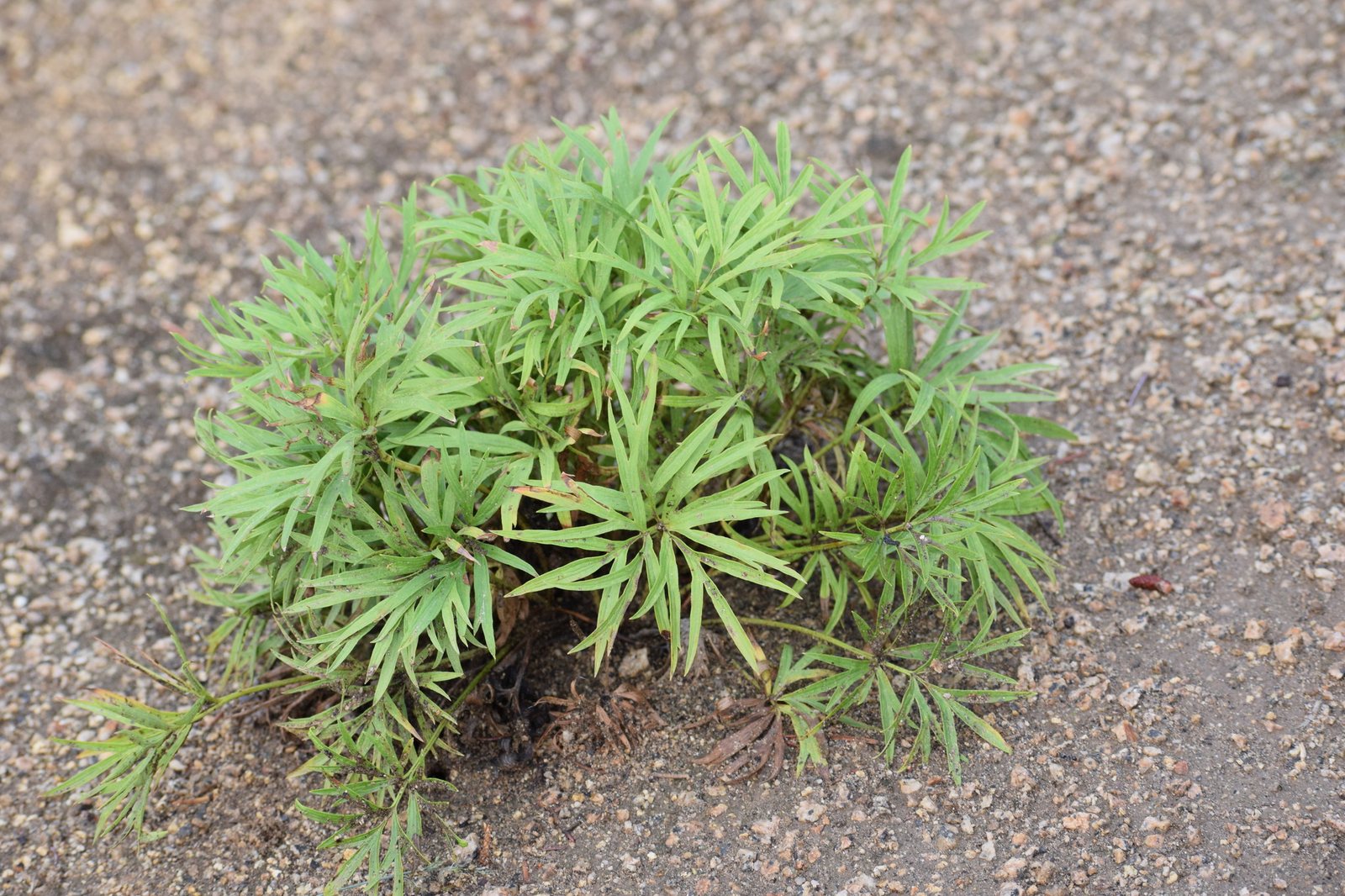
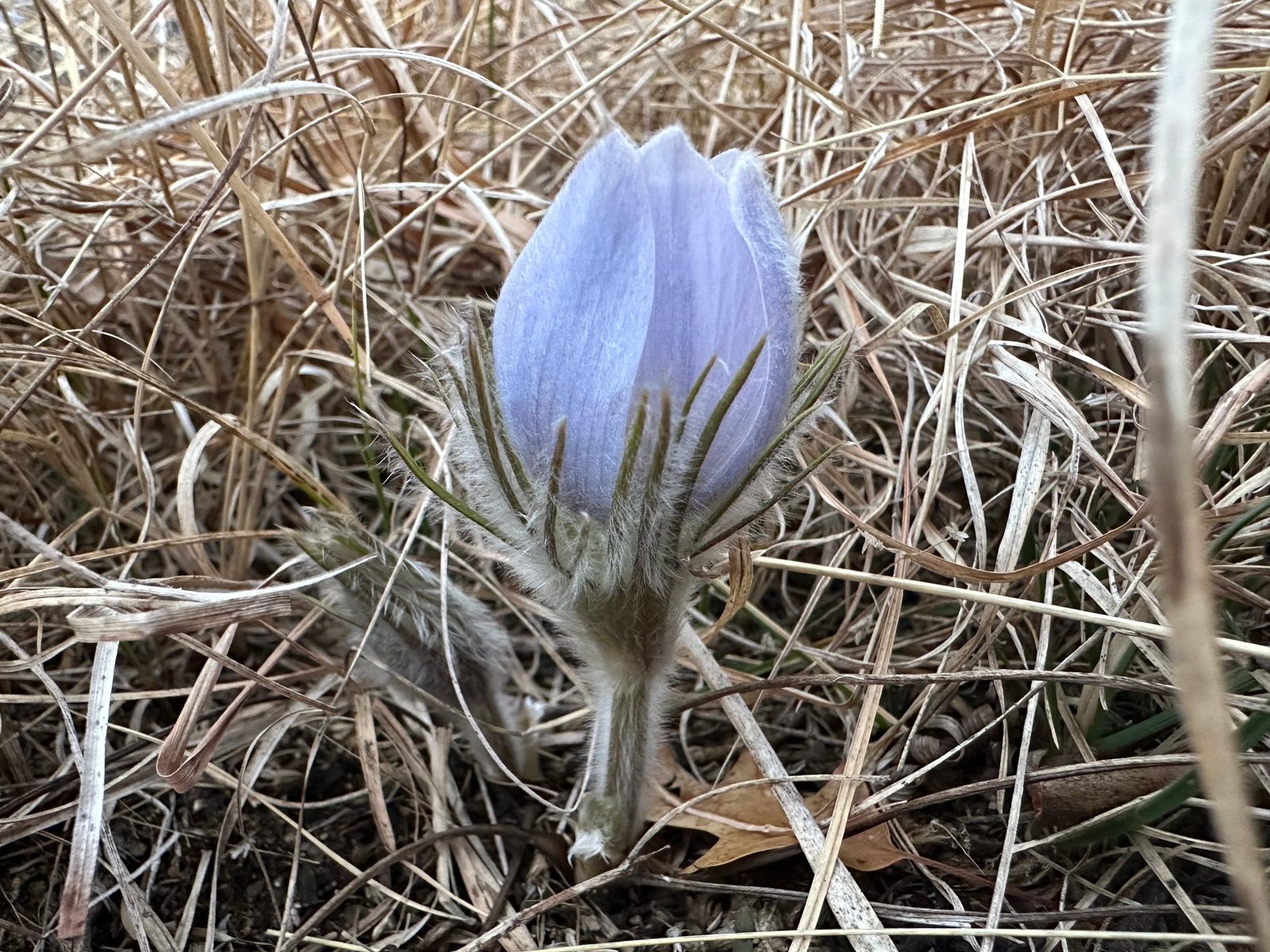
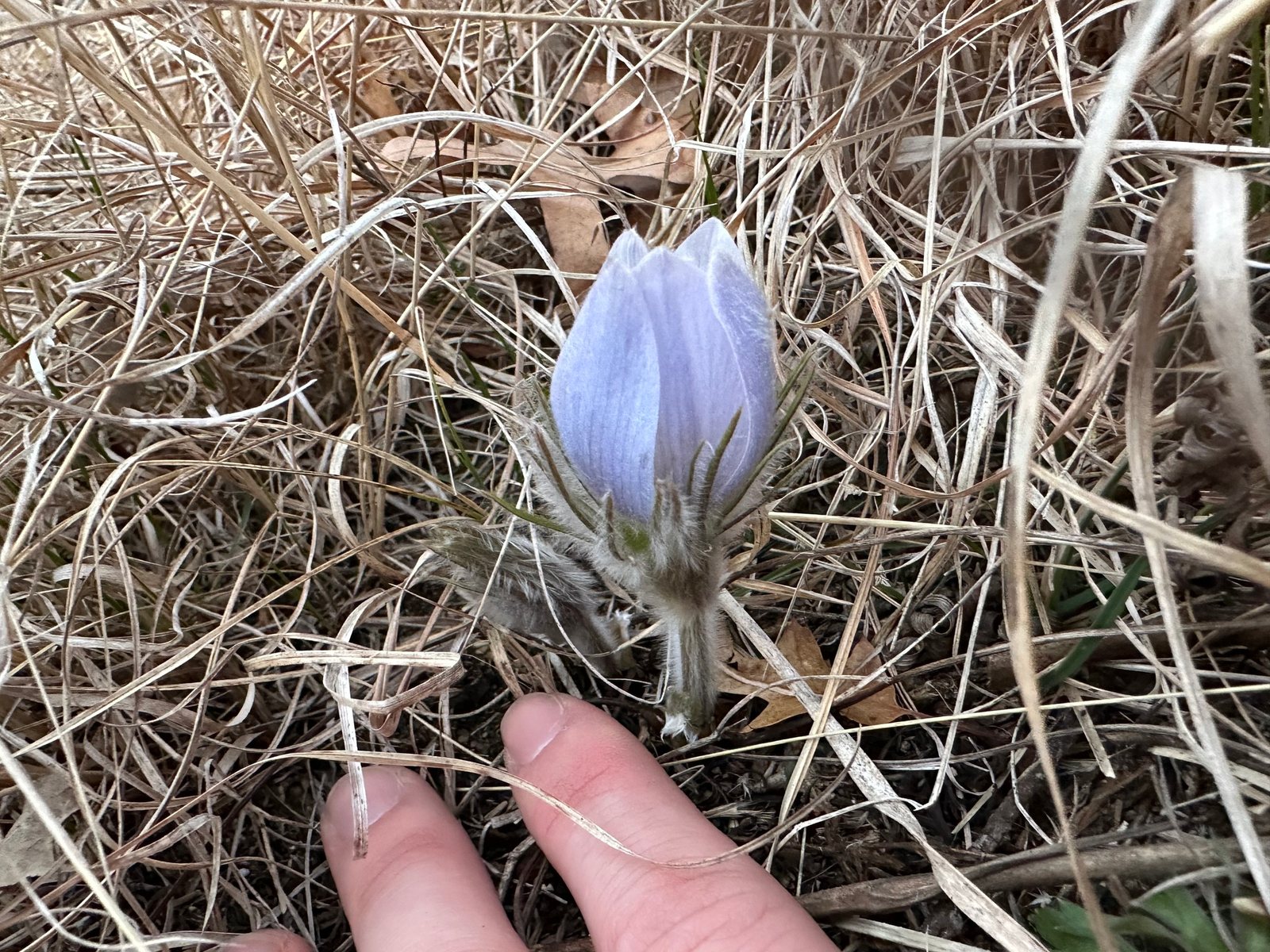
At a glance
- Sun
- Full sun; light afternoon shade can help at the warmer end of its range.
- Water
- Moderate moisture during establishment and spring growth; drought-tolerant once established, but avoid prolonged severe drying in young plants.
- Soil
- Well-drained sandy, gravelly or loamy soil; neutral to alkaline conditions suit it well. Avoid heavy, wet soil, especially in winter.
- Height
- 0.5-1 ft (0.15-0.3 m) in flower; seed stems may reach 1.5 ft (0.45 m)
- Spread
- 0.5-1 ft (0.15-0.3 m)
- Flowers
- Early to mid-spring, sometimes as snow retreats; pale lavender to violet flowers with yellow stamens, occasionally white.
- Foliage
- Silky-haired, deeply divided green leaves emerge around or after flowering and form a low clump.
- Growth
- Slow; young plants can take several years to form a substantial clump.
- Care needed
- Low
The year at a glance
- Pollinators
- Deer resistant
- Drought tolerant
- Cold hardy
- Low allergen
| J | F | M | A | M | J | J | A | S | O | N | D | |
|---|---|---|---|---|---|---|---|---|---|---|---|---|
| Flowers | ||||||||||||
| Fruit | ||||||||||||
| Plant |
Northern hemisphere months. In Australia, shift them by six.
- Difficulty
- Moderate
- Toughness
- Fairly tough
Will it suit your garden?
Pick your zone, country, light and whether you have pets.
Full sun is 6 or more hours of direct sun a day, part shade 3 to 6 hours, shade under 3.
How it grows
Planting day
0.7 ft (0.22 m)
full size
About 5 years to full size.
From a typical nursery size, at an average rate for this kind of plant. A rule of thumb, not a forecast.
Good to know
- Cats and dogs
- Toxic
- Native to
- the US and Canada
- Growth rate
- Slow
Care
Jobs through the year
- WaterMar–May, every 14 days
- Check established plants and water if spring soil is dry; water young plants more often.
- WaterJun–Sep, every 14 days
- Water established plants only during severe drought; give young plants extra water during dry spells.
- MulchMar–Apr
- Use a thin gravel mulch and keep the crown free of wet organic material.
- PruneFeb–Mar
- Remove dead foliage carefully before growth starts, avoiding emerging buds.
- ProtectMar–May
- Inspect buds and young shoots for slugs and hand-pick pests.
- ProtectOct–Nov
- Clear fallen leaves from the crown and ensure winter rain drains freely.
- Plant in a permanent position with the crown at soil level; established plants resent root disturbance.
- Water young plants during dry spells, allowing the soil surface to dry between waterings.
- Keep the crown free of wet leaves and heavy organic mulch; a thin gravel mulch suits it.
- Avoid rich feeding; use only a light spring top-dressing of compost on very poor soil.
- Do not divide routinely, as its deep root system is easily damaged.
Pruning. Leave the feathery seed heads for display or seed collection. Remove dead foliage in late winter before new growth appears, taking care not to damage emerging buds.
Through the year
- Late winter
- Remove dead foliage and clear damp debris from the crown before buds emerge.
- Early spring
- Check young shoots and flowers for slug damage; hand-pick slugs or use suitable barriers.
- Spring
- Plant nursery-grown young plants with minimal root disturbance and water them in.
- Late spring
- Collect seed when the feathery heads loosen and sow promptly in deep pots.
- Summer
- Water establishing plants during prolonged dry weather; avoid keeping established crowns constantly wet.
- Autumn
- Clear fallen leaves from around the crown and check that winter rain can drain away.
In the garden
- Place near the front of a sunny rock garden so the early flowers and silky hairs can be seen closely.
- Plant small groups among low prairie grasses for an early-season display before the grasses grow tall.
- Use beside a gravel path with prairie smoke and pussytoes for contrasting flowers and seed heads.
- Grow on a sunny, well-drained bank where taller neighbouring plants will not shade or crowd it.
Garden styles it suits: Native meadow, Midwest prairie, Dry gravel garden, Alpine rock garden, Pollinator garden and Wildflower.
Plant it with: Prairie smoke, Pussytoes, Blue grama, Prairie dropseed and Prairie violet.
Wildlife: Early flowers provide pollen for bees, including bumblebees. Its open, sunny habitat suits prairie pollinator plantings, but it needs space away from vigorous neighbours.
Problems to watch for
- Crown or root rot in wet soil: improve drainage or replant young stock on a raised, gravelly site; avoid winter-wet ground.
- Slugs and snails eating buds or young growth: remove hiding places and hand-pick, especially during damp spring weather.
- Decline in hot, humid summers: provide excellent drainage and some afternoon shade; choose another plant where these conditions persist.
- Failure after transplanting or division: start with young container-grown plants and leave established clumps undisturbed.
Safety
Toxic to people, cats, dogs and horses if eaten, especially when fresh. All parts contain compounds that release irritating protoanemonin when damaged; ingestion can cause mouth irritation, vomiting, diarrhoea and potentially serious poisoning. Sap can irritate or blister skin, so wear gloves when handling damaged plants and keep it away from children and grazing animals.
Easily confused with
European pasqueflower (Pulsatilla vulgaris)
Usually has more finely cut, pinnately divided leaves that develop with the flowers; P. nuttalliana has more distinctly hand-like leaf divisions and often flowers before its basal leaves expand.
Western pasqueflower (Pulsatilla occidentalis)
Has white, usually nodding flowers and is a plant of western North American mountain meadows; P. nuttalliana normally has lavender-violet, more upright flowers.
Cutleaf anemone (Anemone multifida)
Generally flowers later, with smaller cream, white or reddish flowers held above developed foliage, rather than the large, early violet cups of P. nuttalliana.
The name
Pasqueflower refers to flowering around Easter, while nuttalliana honours the botanist Thomas Nuttall.
Propagation. Seed is the best method. Sow freshly collected seed promptly in deep pots of free-draining seed compost and keep lightly moist; germination may be uneven, and stored seed can benefit from a period of moist chilling. Grow seedlings on with minimal root disturbance; flowering commonly takes several years.
Checked against open data
- Accepted botanical name
- Pulsatilla nuttalliana
- In the US and Canada
- Native in Alaska, Canada and the lower 48 states.
- Native range
- Alaska, Alberta, British Columbia, Colorado, Idaho, Illinois, Iowa, Manitoba, Minnesota, Montana, Nebraska and New Mexico.
Sources: GBIF (CC BY 4.0), USDA PLANTS and Trefle (CC BY 4.0). The care and design notes are LandscapeGPT's own.
See it in your own yard.
Upload a photo of your yard and see it redesigned with plants that suit your climate, each checked against your zone.