Gambel oak
Quercus gambelii. Family Fagaceae. Tree.
Also called Gambel's oak, Rocky Mountain white oak, Utah white oak.
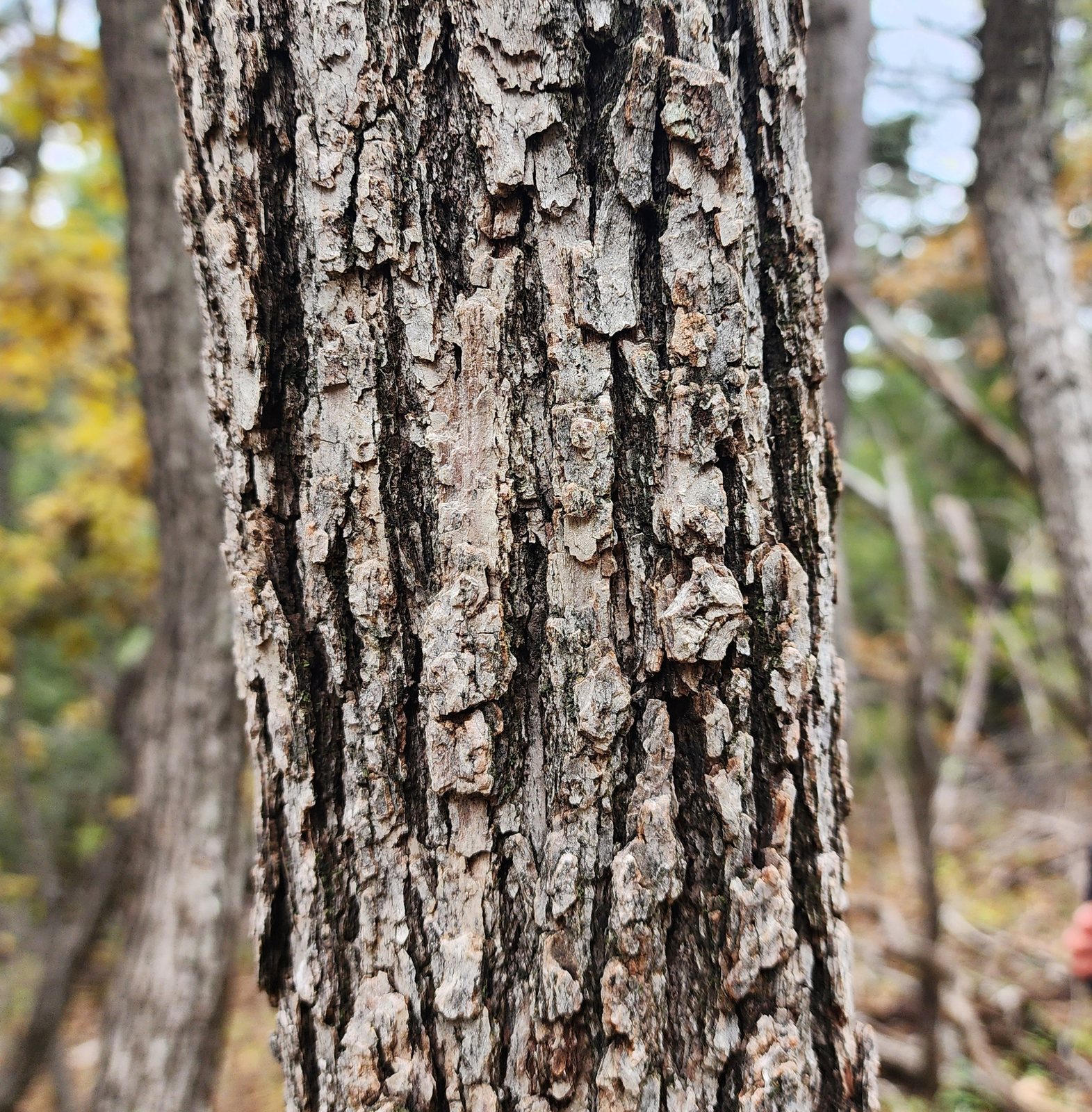
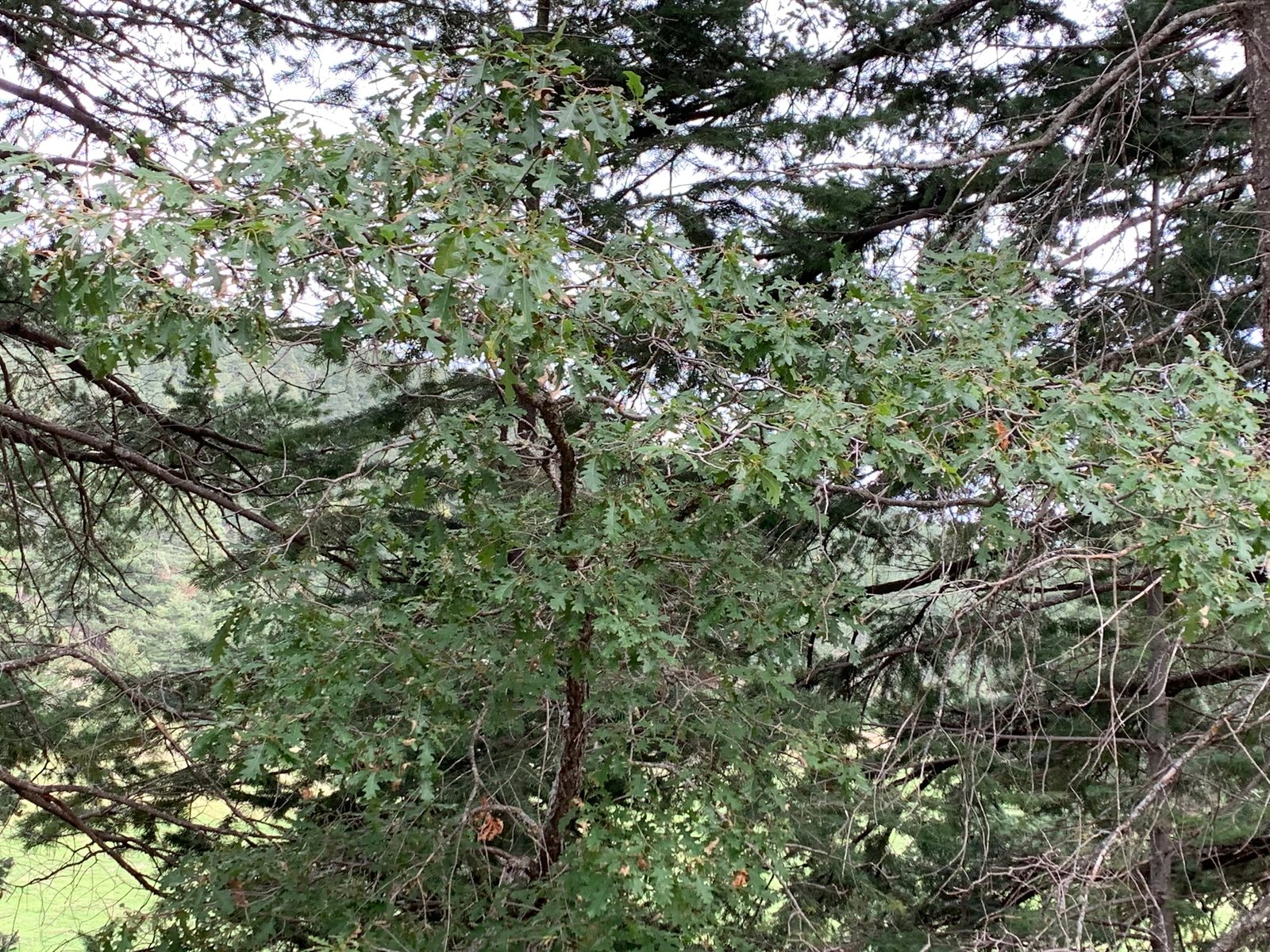
Gambel oak is a deciduous small tree or large, thicket-forming shrub native to the southwestern United States and northern Mexico. Gardeners grow it for its rounded, lobed leaves, autumn colour and value to wildlife, especially in dry, naturalistic gardens. It suits sites where its root suckers have room to spread.
At a glance
- Sun
- Full sun to light shade; the densest growth develops in sun.
- Water
- Water regularly while establishing; drought-tolerant once rooted. Established plants generally need supplemental water only during prolonged drought.
- Soil
- Well-drained sandy, gravelly or loamy soil, including limestone-derived soils. Tolerates moderately acidic to alkaline conditions but dislikes waterlogged ground.
- Height
- 15-30 ft (4.6-9.1 m), occasionally taller on favourable sites
- Spread
- 15-25 ft (4.6-7.6 m) per crown; suckering colonies can become much wider
- Flowers
- Spring, as leaves emerge; yellow-green male catkins and tiny, inconspicuous female flowers.
- Foliage
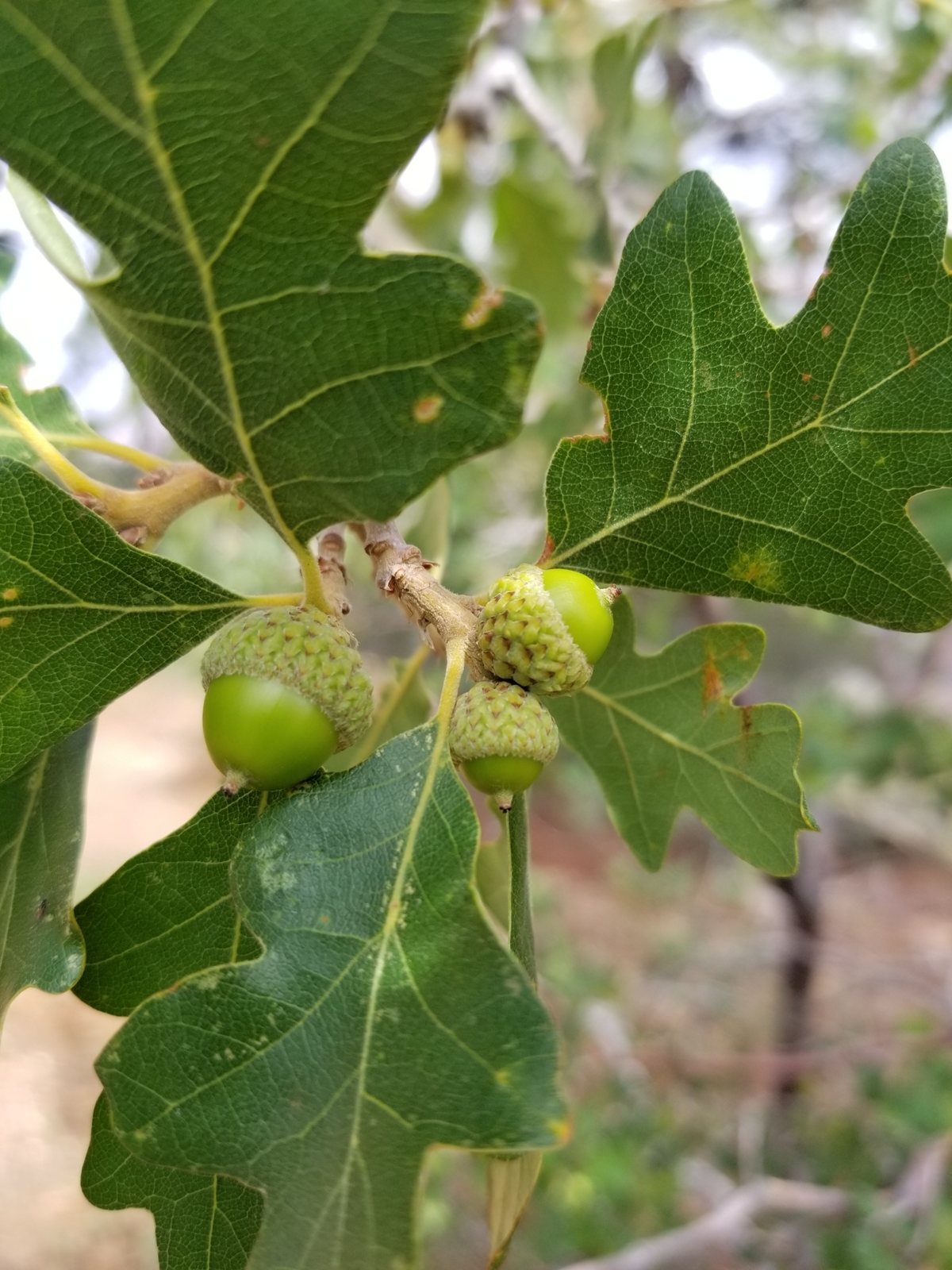
- Rounded leaves with deep, blunt lobes; dark green above and paler, often hairy beneath. Autumn colour ranges from yellow to orange and rusty brown; some dead leaves remain through winter.
- Growth
- Slow to moderate
- Care needed
- Low
The year at a glance
- Drought tolerant
- Cold hardy
- Wildlife
| J | F | M | A | M | J | J | A | S | O | N | D | |
|---|---|---|---|---|---|---|---|---|---|---|---|---|
| Flowers | ||||||||||||
| Fruit | ||||||||||||
| Plant |
Northern hemisphere months. In Australia, shift them by six.
- Difficulty
- Easy
- Toughness
- Very tough
Will it suit your garden?
Pick your zone, country, light and whether you have pets.
Full sun is 6 or more hours of direct sun a day, part shade 3 to 6 hours, shade under 3.
How it grows
Planting day
7 ft (2 m)
After 1 year
7 ft (2.2 m)
After 2 years
8 ft (2.4 m)
After 3 years
8 ft (2.6 m)
After 5 years
10 ft (2.9 m)
About 26 years to full size.
From a typical nursery size, at an average rate for this kind of plant. A rule of thumb, not a forecast.
Good to know
- Cats and dogs
- Toxic
- Native to
- the US
- In the garden
- Spreads vigorously: plan to contain it.
- Growth rate
- Slow
Care
Jobs through the year
- WaterApr–May, Sep–Oct, every 28 days
- Water established trees only in prolonged drought; young trees need regular deep watering for two seasons.
- WaterJun–Aug, every 21 days
- Deep-water established trees only during prolonged drought; avoid frequent lawn-style irrigation.
- MulchMay
- Maintain 5–8 cm of organic mulch over the root zone without touching the trunk.
- PruneFeb
- Remove damaged or crossing branches and lightly shape while dormant; avoid large cuts.
- PruneMay–Aug, every 30 days
- Remove unwanted suckers at their origin while small, or leave them to form a colony.
- Plant young, container-grown trees in well-drained ground; established oaks are difficult to transplant.
- Water deeply through the first two growing seasons, allowing the soil surface to dry between waterings.
- Spread a 2-3 in (5-8 cm) layer of mulch over the root area, keeping it clear of the trunk.
- Avoid routine fertiliser and frequent lawn irrigation around established trees.
- Remove unwanted root suckers while small, or allow space for a natural colony.
Pruning. Prune in the dormant season, removing dead, damaged or crossing branches and selecting a main stem if you want a tree rather than a thicket. Avoid heavy crown reduction and unnecessary large cuts.
Through the year
- Late winter
- Prune damaged or crossing branches and make any light structural cuts.
- Spring
- Plant young trees where winters are severe, and begin deep watering as growth starts.
- Late spring
- Refresh mulch and remove unwanted suckers before they become woody.
- Summer
- Check soil moisture around young trees; water deeply rather than giving frequent light sprinkles.
- Autumn
- Leave some fallen leaves beneath the canopy for wildlife, keeping paths and the trunk base clear.
- Early autumn
- Collect ripe, fallen acorns and sow promptly if you want to propagate it.
In the garden
- Use as a small shade tree in a dry garden, allowing room for its broad crown.
- Plant in informal groups with native grasses for an open woodland effect.
- Allow suckering growth to form a wildlife thicket along a spacious boundary.
- Combine with drought-tolerant shrubs and perennials on well-drained slopes.
Garden styles it suits: Southwestern, Mountain lodge, Woodland, Wildlife garden, Desert / xeriscape and Rewilded.
Plant it with: Little bluestem, Blue grama, Sideoats grama, Mountain mahogany, Serviceberry and Firecracker penstemon.
Wildlife: Acorns feed squirrels, jays, wild turkeys and other wildlife. The foliage supports many moth and butterfly caterpillars, while dense colonies provide cover and nesting sites. Deer browse young growth.
Problems to watch for
- Root rot and decline in wet soil: improve drainage before planting and keep established trees away from frequently irrigated lawns.
- Powdery mildew: improve airflow and avoid overhead watering; light infections usually need no treatment.
- Leaf and twig galls: usually cosmetic and best left alone; have persistent twig dieback assessed before removing affected growth.
- Unwanted suckering: cut shoots at their point of origin while small; do not apply systemic herbicide to suckers connected to a tree you want to keep.
Safety
Leaves, buds and acorns contain tannins and can poison horses and other livestock, sometimes causing fatal kidney damage when enough is eaten. Dogs and cats can also become ill after eating them; acorns present an additional choking or intestinal-blockage risk. Raw acorns and substantial amounts of foliage are unsafe for people to eat; traditional acorn preparation requires thorough tannin removal.
Where it spreads. Spreads vigorously by root suckers and can form extensive colonies within its native range in the southwestern United States and northern Mexico. This is native thicket formation rather than evidence of introduced invasiveness; allow space or manage suckers.
Easily confused with
Bur oak (Quercus macrocarpa)
Bur oak has conspicuously fringed acorn cups and often much larger leaves with a narrowed middle section; Gambel oak has smaller acorns with unfringed, scaly cups.
Arizona white oak (Quercus arizonica)
Arizona white oak usually retains leathery, shallowly toothed or nearly entire leaves through winter. Gambel oak is deciduous and normally has deeply rounded leaf lobes; hybrids can blur these differences.
The name
The species name gambelii honours William Gambel, the American naturalist who collected plants in the western United States.
Propagation. Sow fresh, ripe acorns promptly in deep pots protected from rodents; they lose viability if allowed to dry and may begin rooting soon after falling. Seed-grown plants vary, and acorns collected near other compatible oaks may produce hybrids.
Checked against open data
- Accepted botanical name
- Quercus gambelii
- In the US and Canada
- Native in the lower 48 states.
- Native range
- Arizona, Colorado, Mexico Northeast, Mexico Northwest, Nevada, New Mexico, Oklahoma, Texas, Utah and Wyoming.
- Measured
- Average height 1300 cm.
Sources: GBIF (CC BY 4.0), USDA PLANTS and Trefle (CC BY 4.0). The care and design notes are LandscapeGPT's own.
See it in your own yard.
Upload a photo of your yard and see it redesigned with plants that suit your climate, each checked against your zone.