Macadamia
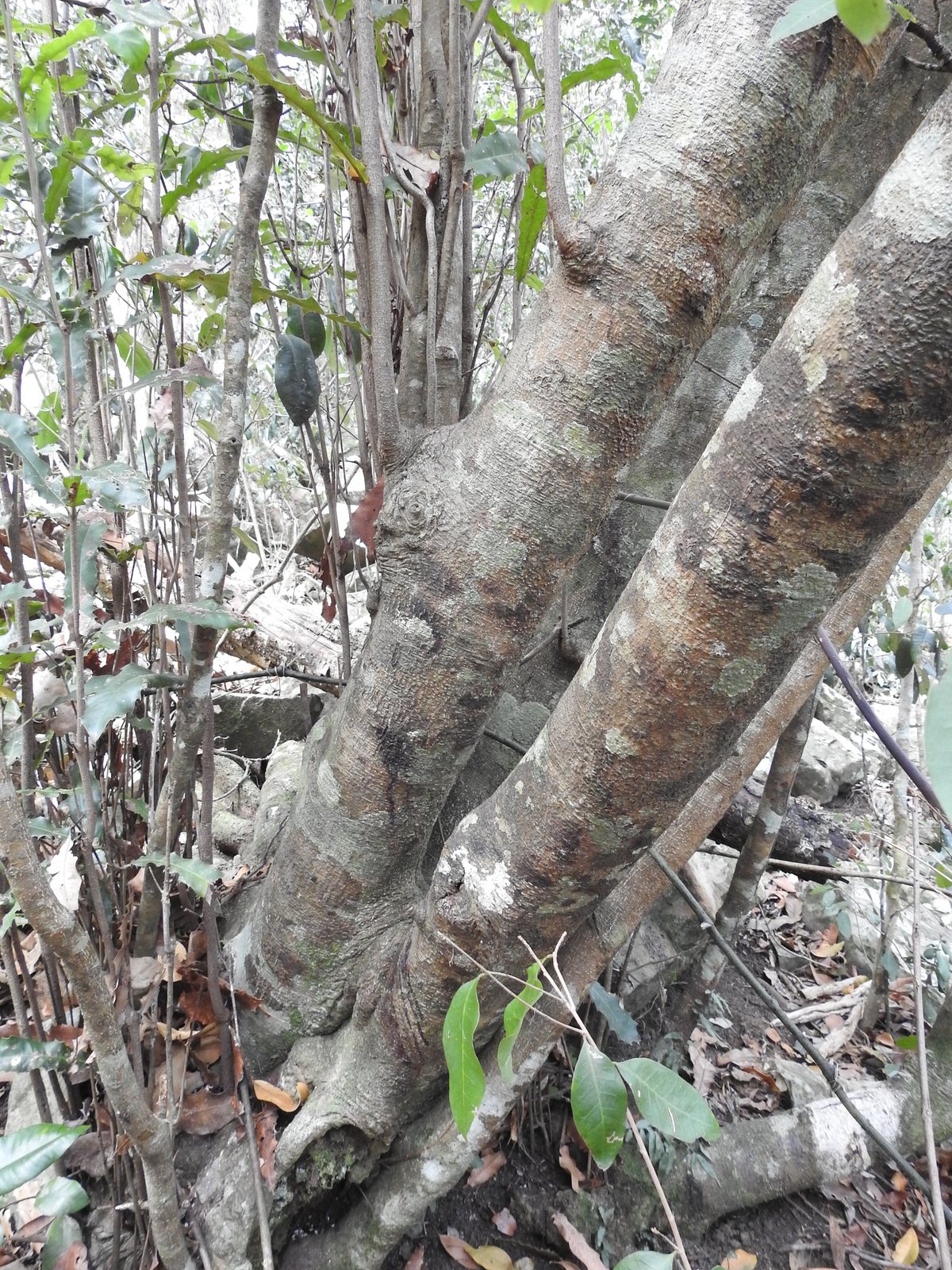
Macadamia integrifolia. Family Proteaceae. Tree.
Also called Smooth-shell macadamia, Queensland nut, Australian nut.
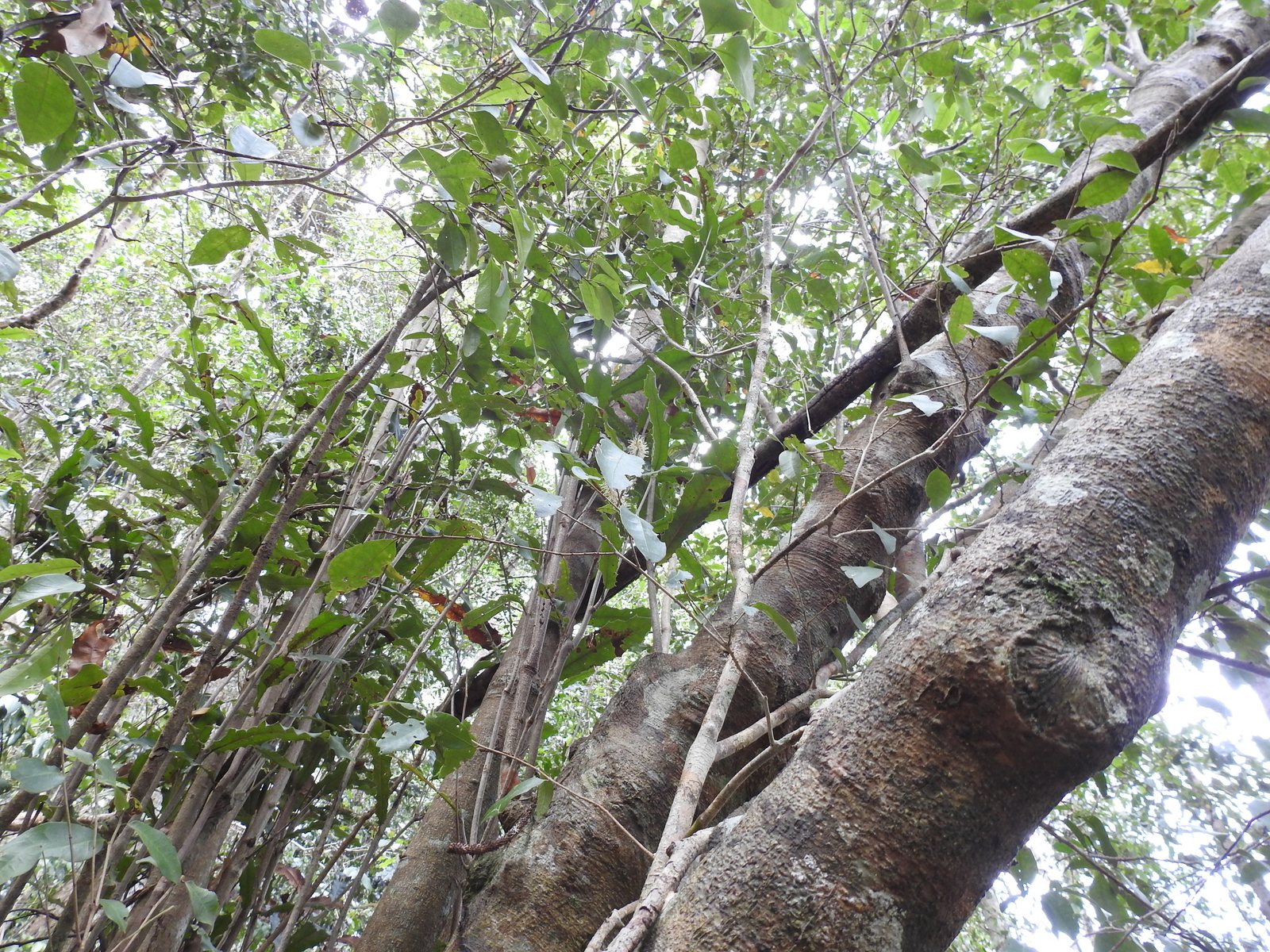
Macadamia is an evergreen tree from the subtropical rainforests of eastern Australia, grown for its edible nuts, glossy foliage and hanging sprays of cream flowers. It needs a warm, sheltered garden with little frost and enough room for a broad crown; most gardens in the United Kingdom and Canada are too cold for reliable outdoor cultivation.
At a glance
- Sun
- Full sun for good nut production; tolerates light shade but crops less heavily.
- Water
- Keep the root zone evenly moist but never waterlogged, especially during flowering and nut development. Established trees tolerate brief dry spells, but drought reduces the crop.
- Soil
- Deep, well-drained, slightly acidic soil, ideally pH 5.0-6.5. Avoid compacted ground, standing water and strongly alkaline soil.
- Height
- 30-50 ft (9-15 m)
- Spread
- 20-40 ft (6-12 m)
- Flowers
- Late winter to spring; long, hanging clusters of small cream-white flowers.
- Foliage
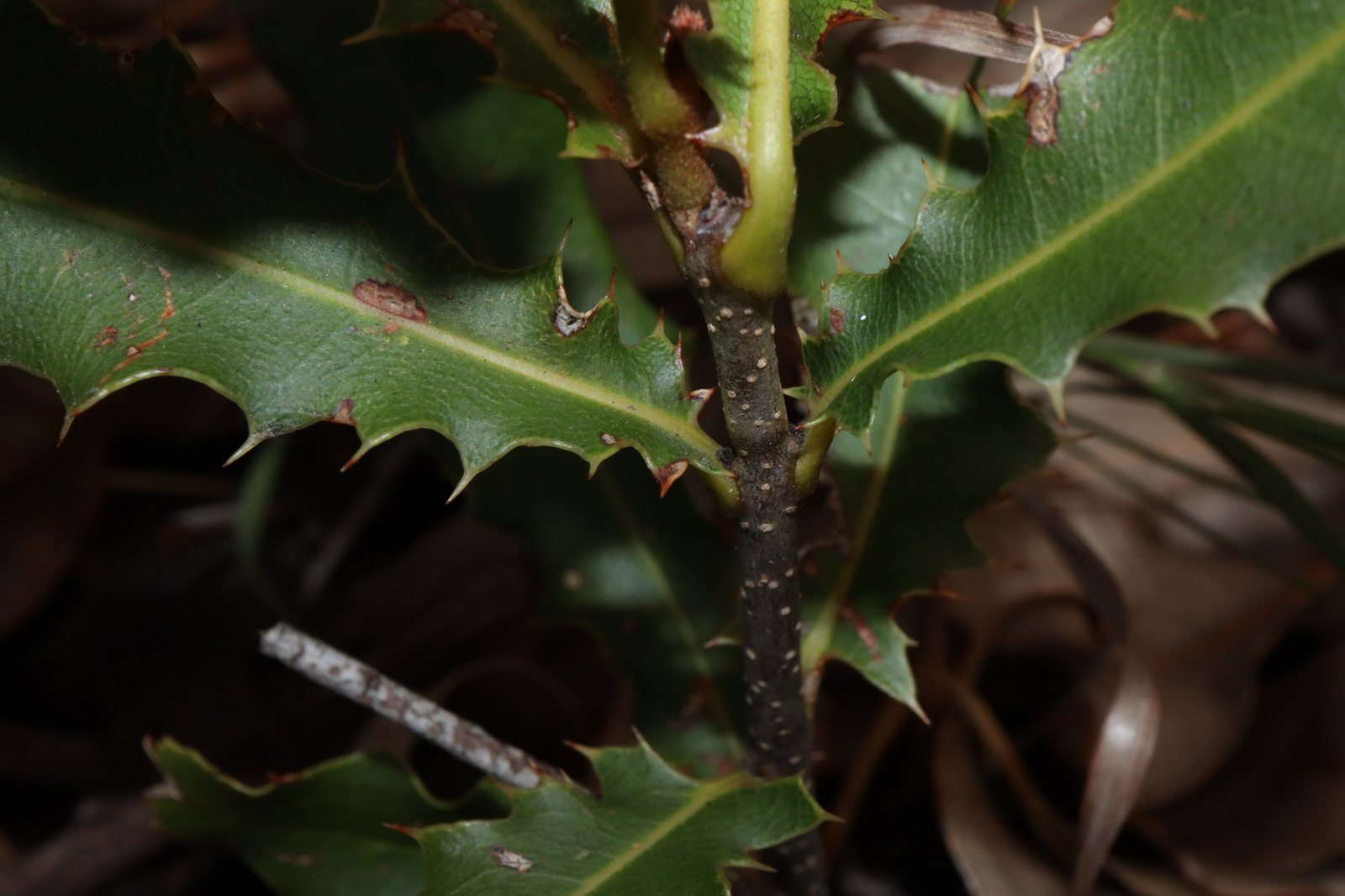
- Evergreen. Glossy, leathery, dark green leaves, usually in whorls of three. Mature leaves usually have smooth or sparsely toothed edges; young leaves can be more sharply toothed.
- Growth
- Moderate in warm, moist conditions; slow in cool climates.
- Care needed
- Medium
The year at a glance
- Pollinators
- Heat tolerant
- Wildlife
- Fragrant
- Edible
| J | F | M | A | M | J | J | A | S | O | N | D | |
|---|---|---|---|---|---|---|---|---|---|---|---|---|
| Flowers | ||||||||||||
| Fruit | ||||||||||||
| Plant |
Northern hemisphere months. In Australia, shift them by six.
- Difficulty
- Hard
- Toughness
- Needs looking after
Will it suit your garden?
Pick your zone, country, light and whether you have pets.
Full sun is 6 or more hours of direct sun a day, part shade 3 to 6 hours, shade under 3.
How it grows
Planting day
7 ft (2 m)
After 1 year
8 ft (2.4 m)
After 2 years
9 ft (2.8 m)
After 3 years
10 ft (3.2 m)
After 5 years
13 ft (3.9 m)
About 26 years to full size.
From a typical nursery size, at an average rate for this kind of plant. A rule of thumb, not a forecast.
Good to know
- Cats and dogs
- Toxic
- Native to
- Australia
- Growth rate
- Slow
Care
Jobs through the year
- ProtectJan–Apr, Oct–Dec
- Zone 6–7 winters are lethal outdoors; grow in a movable container and overwinter in a bright frost-free greenhouse.
- ProtectMay
- Acclimatize container trees outdoors after frost risk passes; permanent outdoor planting is unsuitable here.
- WaterApr–May, Sep–Oct, every 7 days
- For container culture here, check moisture and water when the surface begins drying; never leave roots standing in water.
- WaterJun–Aug, every 2 days
- Check container moisture frequently in summer and water thoroughly as needed, especially during nut development.
- WaterJan–Mar, Nov–Dec, every 14 days
- Check overwintering containers and water sparingly as needed; do not let the root ball dry out completely.
- MulchMay
- Refresh a shallow organic mulch layer, keeping it clear of the trunk.
- FeedApr–May
- Apply a light low-phosphorus feed suitable for Australian native plants.
- HarvestJan–Feb, Aug–Dec
- If nuts mature under protection, collect naturally fallen nuts, remove husks promptly and dry thoroughly.
- PruneMar–Apr
- After harvest, lightly remove damaged or crossing branches; train young trees without heavy topping.
- Plant in a sunny position sheltered from strong winds, leaving room for the mature crown.
- Water deeply during dry weather, particularly while young and from flowering through nut filling.
- Spread organic mulch over the root zone, keeping it clear of the trunk.
- Feed lightly with a low-phosphorus fertilizer suitable for Australian native plants; avoid heavy applications of manure or high-phosphorus feeds.
- Protect young trees from frost with horticultural fleece or frost cloth, and avoid frost pockets.
- Choose a grafted tree of a locally suitable named cultivar for earlier, more predictable cropping; a compatible second cultivar can improve yields.
Pruning. Train young trees to a strong framework with well-spaced branches, removing narrow forks and damaged growth. After harvest, prune established trees lightly to remove dead or crossing branches and control size; avoid heavy topping.
Harvest
Collect mature nuts after they fall naturally, usually from late summer through winter depending on climate and cultivar; gather them frequently rather than picking green nuts from the tree. Remove the outer husks promptly, dry the nuts thoroughly in a warm, airy place, then use a macadamia nutcracker to open the hard shells. Grafted trees commonly give a worthwhile crop about 4-7 years after planting;
Through the year
- Late winter
- Protect young trees during cold spells and check that winter rain drains freely.
- Spring
- Plant after frost risk has passed, refresh mulch and apply a light low-phosphorus feed.
- Spring
- Keep soil moist during flowering and avoid insecticide sprays while bees are visiting.
- Summer
- Water deeply through dry periods and check developing nuts for insect damage.
- Late summer to winter
- Collect fallen nuts regularly, remove husks promptly and dry the nuts before storage.
- After harvest
- Remove damaged or crossing branches and lightly thin crowded growth if necessary.
In the garden
- Use as a productive evergreen canopy tree in a spacious edible garden.
- Plant as a specimen in a sheltered lawn, allowing space beneath it for nut collection.
- Combine with subtropical foliage plants around the outer canopy for a layered garden.
- Include in a frost-free food forest, keeping its trunk and harvest area accessible.
Garden styles it suits: Australian native, Food forest, Backyard orchard, Edible landscape, Tropical and Homestead.
Plant it with: Pineapple, Ginger, Turmeric and Lemongrass.
Wildlife: Flowers provide nectar and pollen for bees and other insects. Nuts attract rodents and, in Australia, cockatoos, which can remove much of the crop.
Problems to watch for
- Root rot in wet soil: improve drainage before planting, keep mulch away from the trunk and avoid frequent shallow watering.
- Yellow leaves on alkaline soil: check soil pH and drainage; use chelated iron if iron deficiency is confirmed rather than adding more general fertilizer.
- Nut borers in susceptible regions: collect damaged and fallen nuts promptly, remove old husks and seek local advice on correctly timed controls.
- Poor nut set or premature nut drop: maintain moisture during flowering and nut filling, protect flowers from frost and consider a compatible second cultivar.
Safety
Macadamia nuts are toxic to dogs and can cause weakness, vomiting, tremors and overheating; contact a veterinarian promptly after ingestion. The edible kernels are not known to be toxic to people, though they can cause serious nut allergies. Toxicity in cats and horses is not well established, so do not feed them nuts or husks. Shells can cause choking or digestive blockage if swallowed.
Easily confused with
Rough-shell macadamia (Macadamia tetraphylla)
Usually has leaves in whorls of four with more strongly toothed margins, pinkish flowers and rougher nut shells. Commercial hybrids can have intermediate features.
Gympie nut (Macadamia ternifolia)
Generally has smaller leaves and much smaller, bitter nuts. Its nuts contain cyanogenic compounds and are not edible; do not identify edible macadamias by leaf shape alone.
The name
Macadamia honours the Scottish-born Australian physician and politician John Macadam, while integrifolia means entire-leaved, referring to the usually smooth margins of mature leaves.
Propagation. Fresh seed germinates in warm conditions, but seedlings vary in nut quality and take many years to crop. Grafting onto seedling rootstocks is the usual way to preserve a cultivar; buying a grafted nursery tree is the most practical option for a home garden.
Checked against open data
- Accepted botanical name
- Macadamia integrifolia
- In the US and Canada
- Introduced in Puerto Rico.
- Native range
- New South Wales and Queensland.
Sources: GBIF (CC BY 4.0), USDA PLANTS and Trefle (CC BY 4.0). The care and design notes are LandscapeGPT's own.
See it in your own yard.
Upload a photo of your yard and see it redesigned with plants that suit your climate, each checked against your zone.