Madagascar periwinkle
Catharanthus roseus. Family Apocynaceae. Annual.
Also called Annual vinca, Rosy periwinkle, Cape periwinkle.
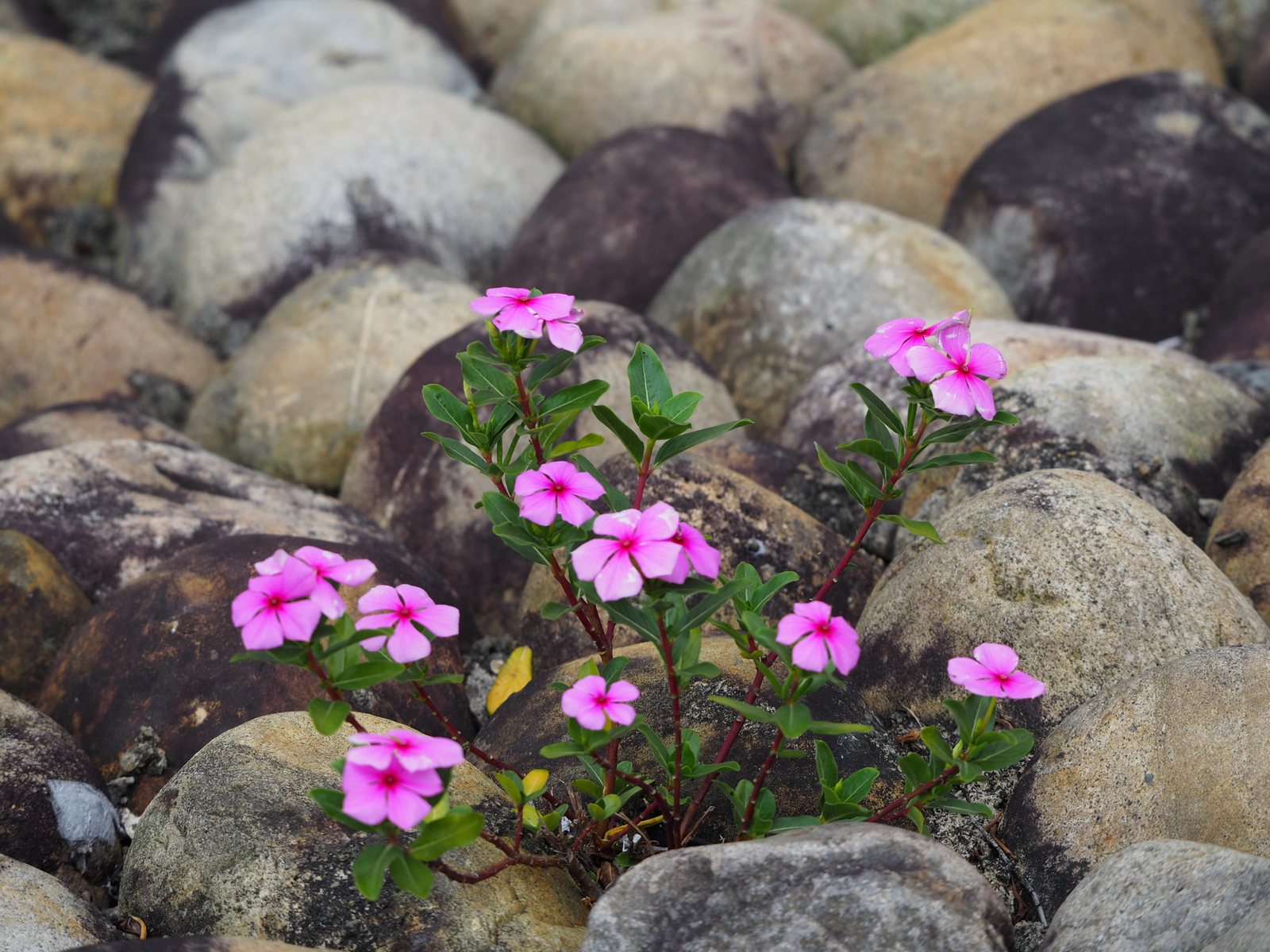
Madagascar periwinkle is a frost-tender evergreen perennial grown as an annual in colder climates. Gardeners grow it for its glossy leaves and flat, five-petalled flowers, which keep coming through summer heat. It needs warm soil and good drainage, and often struggles in cool, wet conditions.
At a glance
- Sun
- Full sun to light partial shade; afternoon shade can help in very hot inland gardens.
- Water
- Water regularly while establishing, then let the soil surface dry between waterings. Established plants tolerate short dry spells; containers need more frequent checks.
- Soil
- Well-drained sandy or loamy soil; tolerates relatively poor soil but dislikes waterlogged ground.
- Height
- 1-3 ft (0.3-0.9 m); compact bedding varieties are usually shorter.
- Spread
- 1-2 ft (0.3-0.6 m)
- Flowers
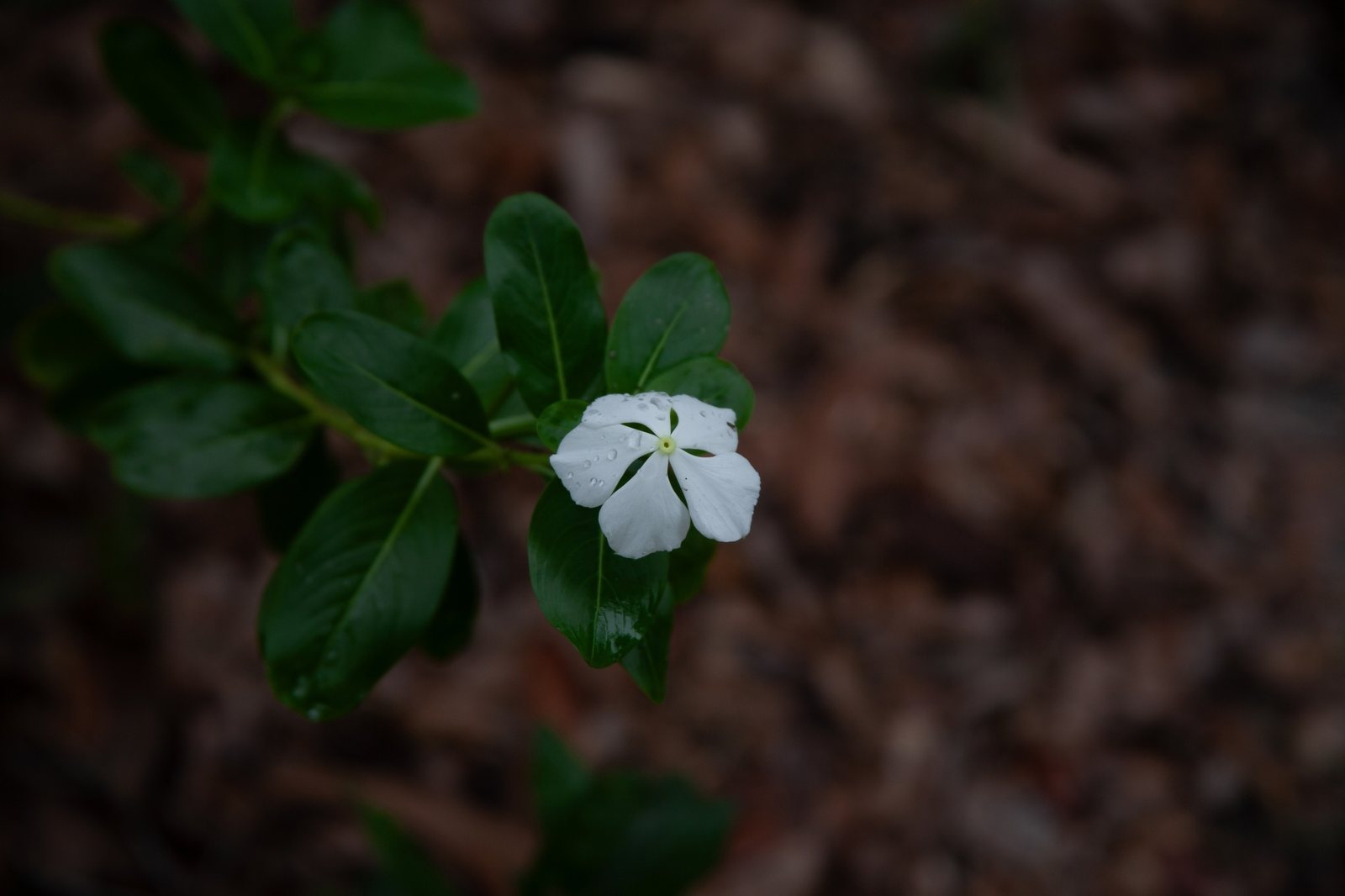
- Late spring or early summer until frost; potentially year-round in frost-free tropical climates. Flowers are white, pink, rose, red or purple, often with a contrasting eye.
- Foliage
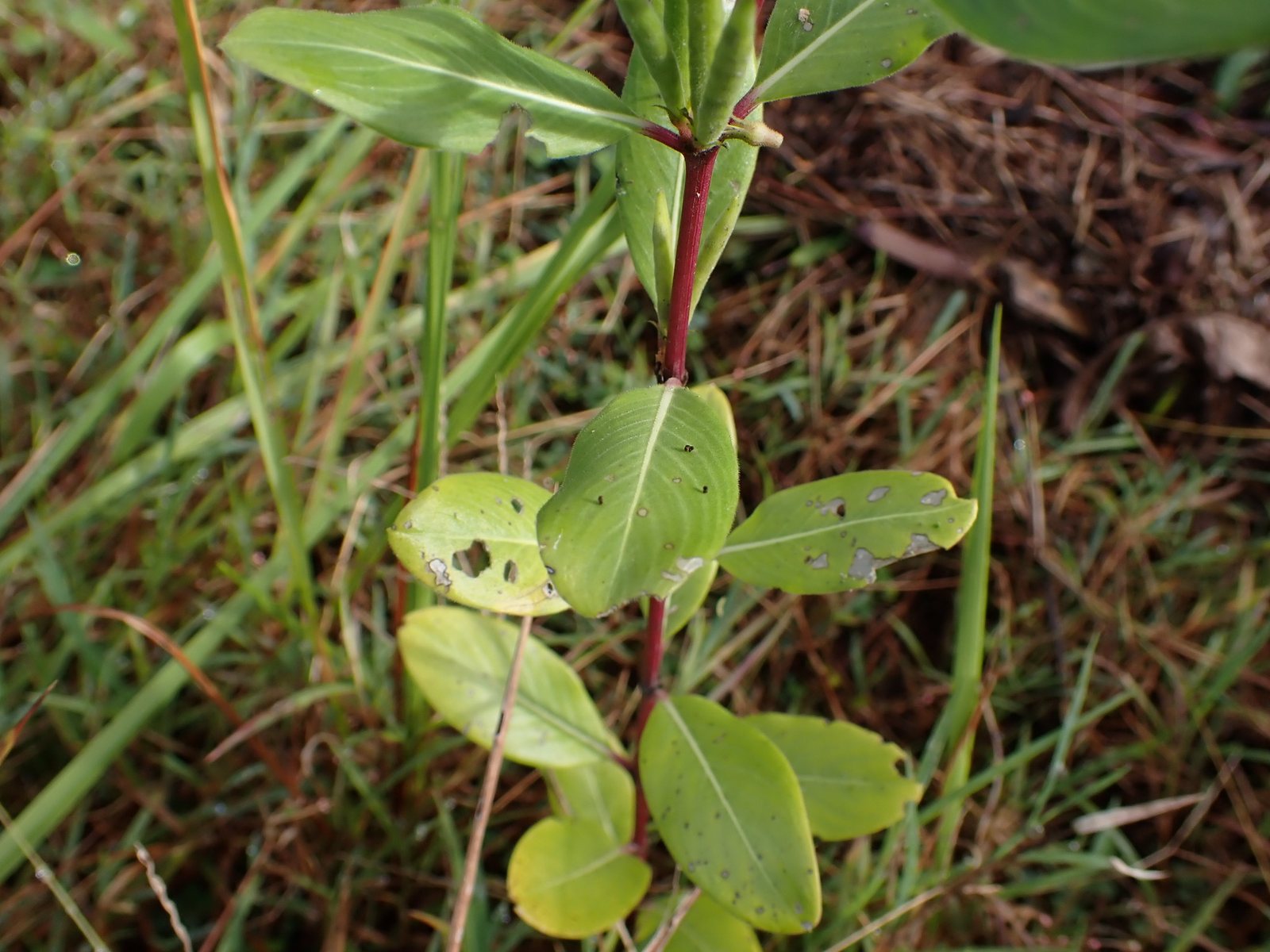
- Evergreen. Paired, glossy, oval, dark green leaves with a conspicuous pale midrib.
- Growth
- Fast in warm weather; slow in cool conditions.
- Care needed
- Low
The year at a glance
- Pollinators
- Deer resistant
- Drought tolerant
- Heat tolerant
- Low allergen
| J | F | M | A | M | J | J | A | S | O | N | D | |
|---|---|---|---|---|---|---|---|---|---|---|---|---|
| Flowers | ||||||||||||
| Plant |
Northern hemisphere months. In Australia, shift them by six.
- Difficulty
- Easy
- Toughness
- Fairly tough
Will it suit your garden?
Pick your zone, country, light and whether you have pets.
Full sun is 6 or more hours of direct sun a day, part shade 3 to 6 hours, shade under 3.
How it grows
Planting day
0.5 ft (0.15 m)
After 1 year
2 ft (0.6 m)
full size
Full size in one season.
From a typical nursery size, at an average rate for this kind of plant. A rule of thumb, not a forecast.
Good to know
- Cats and dogs
- Toxic
- Invasive in
- Australia
- In the garden
- Spreads vigorously: plan to contain it.
- Growth rate
- Moderate
Care
Jobs through the year
- WaterMay–Jun, Sep, every 7 days
- Water established bedding only when the surface dries; new plants need closer checks.
- WaterJul–Aug, every 5 days
- Water at soil level if dry, allowing the surface to dry between soakings.
- WaterOct, every 14 days
- Water surviving plants only if dry; avoid wet soil in cool weather.
- ProtectMay–Jun
- Delay planting until frost risk has passed and soil is reliably warm.
- Plant out only after frost risk has passed and the soil has warmed; do not rush planting during a cool spring.
- Water at soil level and allow the surface to dry before watering again.
- Use pots with drainage holes and a free-draining potting mix; empty standing water from saucers.
- Feed container plants lightly with a balanced fertiliser according to its label; avoid heavy feeding in garden beds.
- Keep mulch away from the stems and leave space between plants for air circulation.
Pruning. Pinch young shoots if plants need more branching, though many compact varieties branch freely without help. In frost-free gardens, lightly trim leggy growth in spring; routine deadheading is unnecessary.
Through the year
- Late winter
- For an early start, sow seed indoors in warmth, roughly 10-12 weeks before your expected planting-out date.
- Spring
- Prepare freely draining beds or containers, but wait for reliably warm weather before planting.
- Late spring
- Harden off indoor-grown seedlings gradually and plant after frost risk has passed.
- Summer
- Check containers frequently, water when the surface dries, and feed lightly.
- Autumn
- Remove frost-killed plants and pull unwanted seedlings before they establish.
- Winter
- If keeping plants under cover, provide bright light, frost-free warmth and sparing water.
In the garden
- Plant compact varieties in repeated groups along sunny paths for a low band of summer colour.
- Use in patio pots with angelonia and ornamental grasses for upright accents above rounded flowering plants.
- Combine with pentas and lantana in warm-climate borders for a long flowering season.
- Use trailing varieties at the edges of raised planters or hanging baskets where their stems can spill over.
Garden styles it suits: Tropical, Modern tropical, Modern courtyard, Luxury resort, Low-maintenance and Small-space.
Plant it with: Angelonia, Pentas, Lantana, Moss rose and Mealycup sage.
Wildlife: Flowers can attract butterflies and other nectar-feeding insects. It is not a substitute for locally native host plants needed by caterpillars.
Problems to watch for
- Phytophthora blight: sudden wilting, dark stem lesions and collapse are favoured by wet conditions. Remove affected plants, improve drainage and avoid overhead irrigation.
- Root rot: yellowing and wilting despite moist soil often follow overwatering. Let soil dry between waterings and replace persistently wet potting mix.
- Cool-weather decline: plants may yellow, stall or rot when planted too early. Wait for warm soil and protect plants from cold nights.
- Aphids or spider mites: inspect distorted shoots or stippled leaves, especially under cover. Rinse off small infestations and use insecticidal soap labelled for the pest if needed.
Safety
All parts contain toxic alkaloids and are poisonous if eaten by people, cats, dogs or horses. Ingestion can cause vomiting, diarrhoea and potentially serious systemic poisoning. Keep plants away from grazing animals and seek medical or veterinary advice promptly after suspected ingestion.
Where it spreads. Can self-seed readily in frost-free climates and is an environmental weed in parts of northern Australia, including Queensland and the Northern Territory. It is also naturalised in Hawaii and southern Florida. Avoid planting near bushland or other natural areas where it escapes, and remove unwanted seedlings.
Easily confused with
Lesser periwinkle (Vinca minor)
Forms a low, creeping mat with stems that root along the ground, usually bearing blue-purple flowers in spring. Madagascar periwinkle is generally upright and flowers most strongly in warm weather.
Greater periwinkle (Vinca major)
Has long, sprawling, rooting stems and broader leaves with fine hairs along their margins. Madagascar periwinkle has smooth leaf margins and a conspicuous pale midrib.
Busy Lizzie (Impatiens walleriana)
Has fleshy stems, toothed leaves and flowers with a rear spur. Madagascar periwinkle has smooth-edged, paired leaves and a narrow central flower tube without a spur.
The name
Catharanthus comes from Greek words meaning 'pure flower', roseus means 'rose-coloured', and Madagascar periwinkle refers to its native island and resemblance to true periwinkles.
Propagation. Grow from seed sown under cover at about 21-26°C (70-79°F), covering lightly to exclude light during germination. Softwood cuttings also root in warmth. Seedlings from named varieties may differ from the parent.
Checked against open data
- Accepted botanical name
- Catharanthus roseus
- In the US and Canada
- Introduced in Hawaii, the lower 48 states, Navassa Island, Pacific Basin, Puerto Rico and US Virgin Islands.
- Native range
- Madagascar.
Sources: GBIF (CC BY 4.0), USDA PLANTS and Trefle (CC BY 4.0). The care and design notes are LandscapeGPT's own.
See it in your own yard.
Upload a photo of your yard and see it redesigned with plants that suit your climate, each checked against your zone.