Purple loosestrife
Lythrum salicaria. Family Lythraceae. Perennial.
Also called Spiked loosestrife, Purple lythrum.
Purple loosestrife is a tall, clump-forming wetland perennial grown for its upright spikes of purple-pink summer flowers. It suits damp gardens within its native range, including Britain, but is a serious invasive wetland plant across much of North America and should not be planted there.
At a glance
- Sun
- Full sun is best; tolerates light partial shade with fewer flowers.
- Water
- Needs consistently moist to wet ground; tolerates waterlogged soil and shallow standing water. Poorly suited to dry borders.
- Soil
- Moisture-retentive loam or clay, including boggy soil; tolerates a broad range of soil pH.
- Height
- 3-5 ft (0.9-1.5 m)
- Spread
- 1-2 ft (0.3-0.6 m) per clump; seedlings can spread far beyond this.
- Flowers
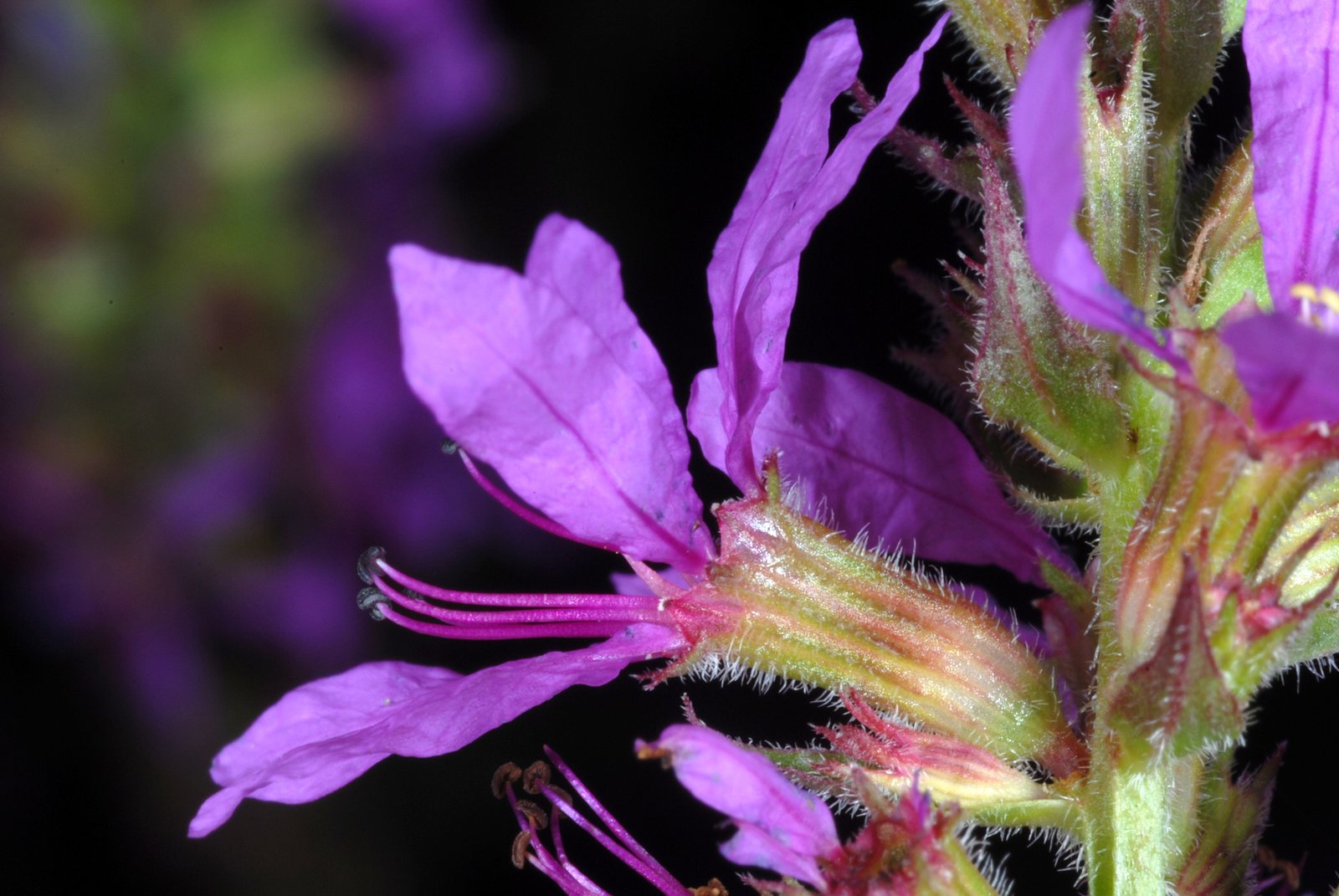
- Summer to early autumn; dense spikes of purple-pink to magenta flowers.
- Foliage
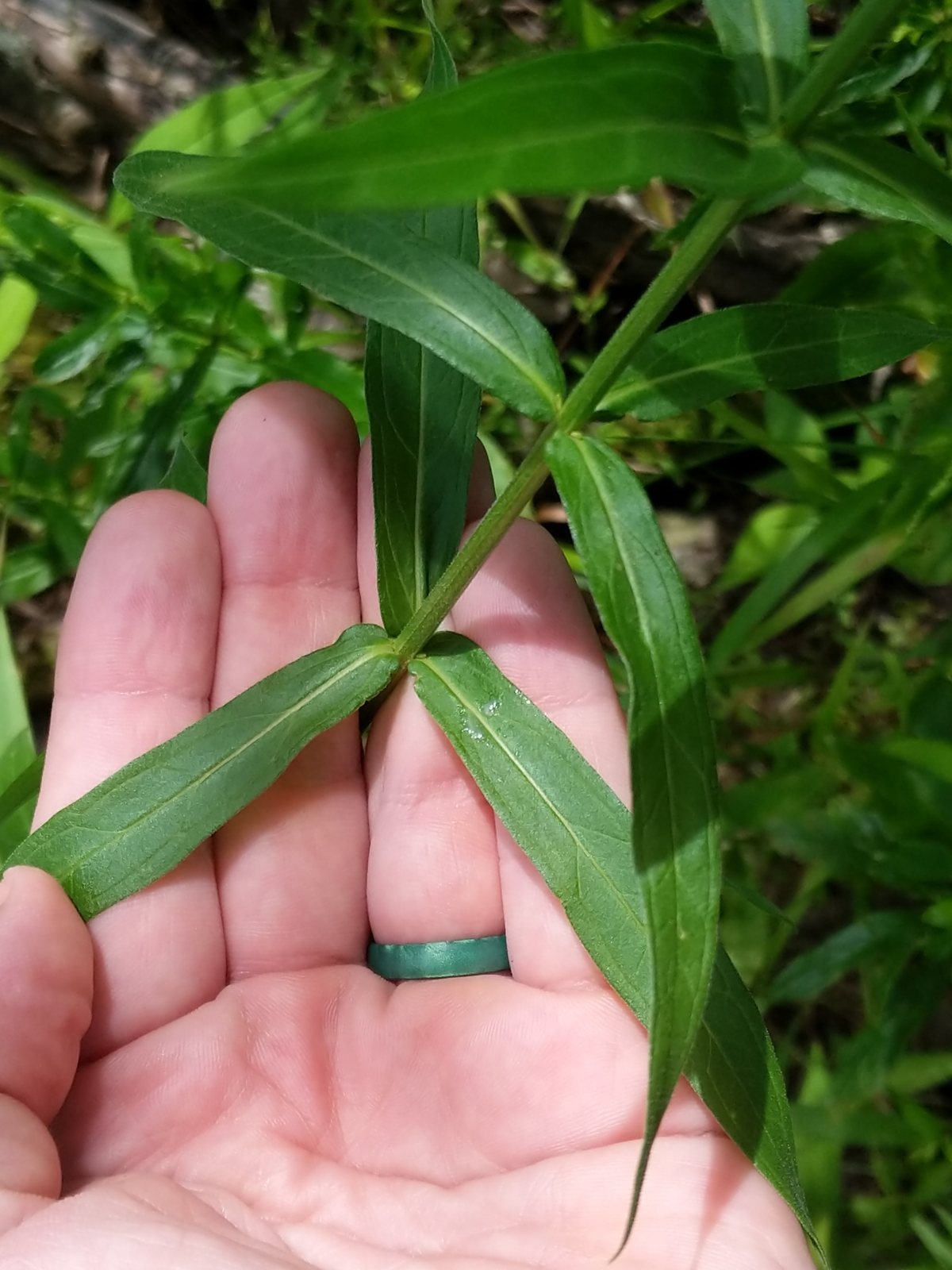
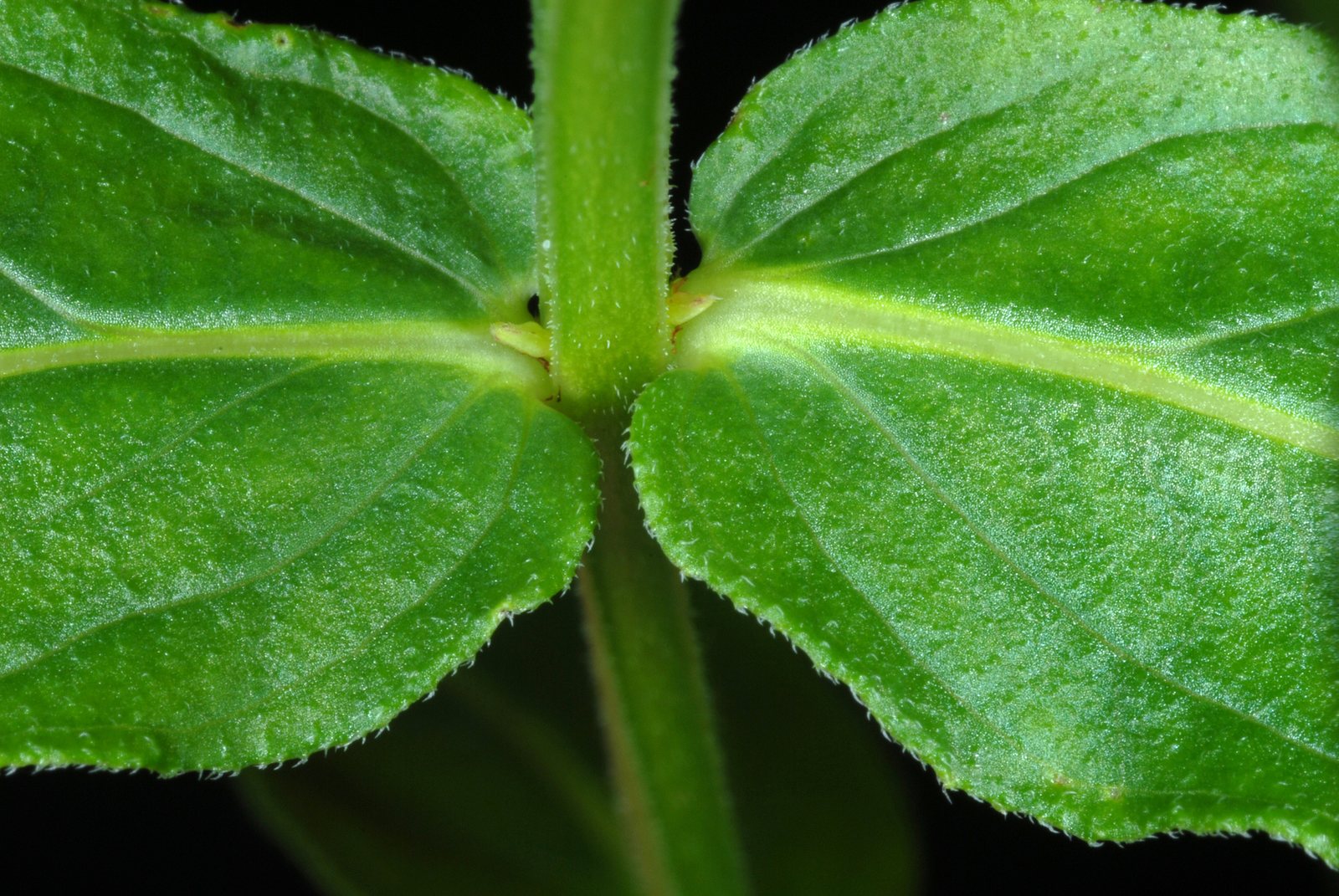
- Narrow, pointed green leaves, usually opposite or in whorls, on upright, often square stems; dies back in winter.
- Growth
- Fast
- Care needed
- Medium
The year at a glance
- Pollinators
- Cold hardy
- Heat tolerant
- Low allergen
| J | F | M | A | M | J | J | A | S | O | N | D | |
|---|---|---|---|---|---|---|---|---|---|---|---|---|
| Flowers | ||||||||||||
| Fruit | ||||||||||||
| Plant |
Northern hemisphere months. In Australia, shift them by six.
- Difficulty
- Moderate
- Toughness
- Fairly tough
Will it suit your garden?
Pick your zone, country, light and whether you have pets.
Full sun is 6 or more hours of direct sun a day, part shade 3 to 6 hours, shade under 3.
How it grows
Planting day
1 ft (0.3 m)
After 1 year
2.5 ft (0.76 m)
After 2 years
4 ft (1.2 m)
full size
About 2 years to full size.
From a typical nursery size, at an average rate for this kind of plant. A rule of thumb, not a forecast.
Good to know
- Cats and dogs
- Safe
- Native to
- the UK and Australia
- Invasive in
- the US and Canada
- In the garden
- Spreads vigorously: plan to contain it.
- Growth rate
- Fast
Care
Jobs through the year
- ProtectMar–May
- Check restrictions before planting or moving; do not plant in the United States or Canada.
- WaterMar–May, Sep–Oct, every 7 days
- For established plants, water if rainfall or groundwater fails to keep soil consistently moist; check young plants more often.
- WaterJun–Aug, every 3 days
- In drying weather, water established plants before soil dries; omit watering where ground remains wet.
- MulchMar–Apr
- On poor soil only, add a thin compost layer clear of emerging shoots.
- DivideMar–Apr
- Divide congested clumps only where cultivation and movement are appropriate and legal.
- DeadheadJul–Sep, every 7 days
- Remove fading spikes before capsules mature; bag any seed-bearing material.
- PruneFeb–Mar
- Cut remaining dead stems to ground level and remove unwanted seedlings.
- Check local restrictions before obtaining plants; do not plant it in the United States or Canada.
- Where appropriate and legal, plant in reliably damp ground and water during dry spells before the soil dries out.
- Avoid routine feeding; rich soil can produce tall, floppy growth.
- Apply a thin layer of compost in spring if the soil is poor, keeping it clear of emerging shoots.
- Remove unwanted seedlings promptly and deadhead before seed capsules mature.
- Divide congested clumps in spring only where growing and moving the plant is appropriate and legal.
Pruning. Cut flower spikes off as they fade, before seed capsules mature. Cut dead stems close to ground level in late autumn or early spring; bag seed-bearing material rather than putting it in home compost.
Through the year
- Early spring
- Cut back any remaining dead stems and check surrounding ground for unwanted seedlings.
- Spring
- Within its native range, and where legal, plant or divide clumps in damp ground.
- Late spring
- Check soil moisture and add discreet support if shoots lean in rich soil or shade.
- Summer
- Water during prolonged dry weather and inspect leaves for feeding damage.
- Late summer
- Remove fading flower spikes before seeds develop; repeat as later spikes finish.
- Autumn
- Remove any seed-bearing stems carefully and inspect pond margins or nearby ditches for escapes.
In the garden
- Within its native range, use beside a garden pond for upright summer colour above low marginal plants.
- Plant in a damp cottage border with meadowsweet and moisture-loving grasses.
- Use small groups in a managed wet meadow to provide vertical accents among softer foliage.
- Combine with other locally native wetland flowers in a damp wildlife garden; do not use it for North American habitat planting.
Garden styles it suits: Cottage garden, Wildflower, Wildlife garden, Pollinator garden, Bog garden and New perennial (prairie).
Plant it with: Meadowsweet, Ragged robin, Marsh marigold, Water avens and Tufted hair grass.
Wildlife: Flowers provide nectar and pollen for bees and other insects. In North America, dense stands displace native wetland vegetation and alter wildlife habitat; its value to visiting insects does not outweigh that damage.
Problems to watch for
- Prolific self-seeding: remove spent spikes before seed develops and pull seedlings while small; deadheading does not make planting acceptable in invasive regions.
- Wilting or scorched leaves in dry soil: water deeply and, where cultivation is appropriate, move to reliably moist ground.
- Flopping stems in shade or overfed soil: provide more sun, stop high-nitrogen feeding and use discreet supports if needed.
- Leaf holes or stripped foliage from loosestrife leaf beetles: tolerate damage where possible; in North America these beetles may be deliberate biological controls and should not be sprayed.
Safety
Not known to be toxic to people, cats, dogs or horses. No particular part is established as a serious poisoning hazard, but it is not a food plant and should not be deliberately eaten or fed to animals.
Where it spreads. A serious invasive wetland plant across much of the United States and southern Canada, including the Great Lakes, northeastern states, Midwest and Pacific Northwest. Sale, planting or transport is restricted in many jurisdictions. It is also invasive in New Zealand. It is native to Britain and parts of Australia, so its status is not the same worldwide; check local rules and provenance.
Easily confused with
Rosebay willowherb / fireweed (Chamaenerion angustifolium)
Has alternate leaves and larger, four-petalled pink flowers, followed by long seed pods releasing silky fluff; purple loosestrife usually has opposite or whorled leaves and flowers with six petals.
Garden loosestrife (Lysimachia vulgaris)
Has yellow, five-petalled flowers in branched clusters rather than dense purple-pink spikes; despite its common name, it belongs to a different plant family.
European wand loosestrife (Lythrum virgatum)
Usually has smoother, less hairy stems and leaves that narrow towards the base, rather than the broader, rounded or slightly clasping leaf bases of purple loosestrife. Hybrids can be difficult to distinguish.
The name
Lythrum comes from the Greek word for blood, referring to the flowers' colour, while salicaria means willow-like, describing the narrow leaves.
Propagation. Where native and legal to grow, divide established clumps in spring. Seed germinates readily, but deliberate seed propagation is best avoided because escape is difficult to control. In invasive regions, do not propagate or share plants; follow local guidance for removal and disposal of roots and seed-bearing material.
Checked against open data
- Accepted botanical name
- Lythrum salicaria
- In the US and Canada
- Introduced in Canada, the lower 48 states and St. Pierre and Miquelon.
- Native range
- Afghanistan, Albania, Algeria, Altay, Amur, Austria, Baltic States, Belarus, Belgium, Bulgaria, Central European Rus and China North-Central.
- Measured
- Soil pH 6.5 to 7. Average height 85 cm.
Sources: GBIF (CC BY 4.0), USDA PLANTS and Trefle (CC BY 4.0). The care and design notes are LandscapeGPT's own.
See it in your own yard.
Upload a photo of your yard and see it redesigned with plants that suit your climate, each checked against your zone.