Purple Wave petunia
Petunia × atkinsiana 'Purple Wave'. Family Solanaceae. Annual.
Also called Wave Purple petunia, Spreading petunia.
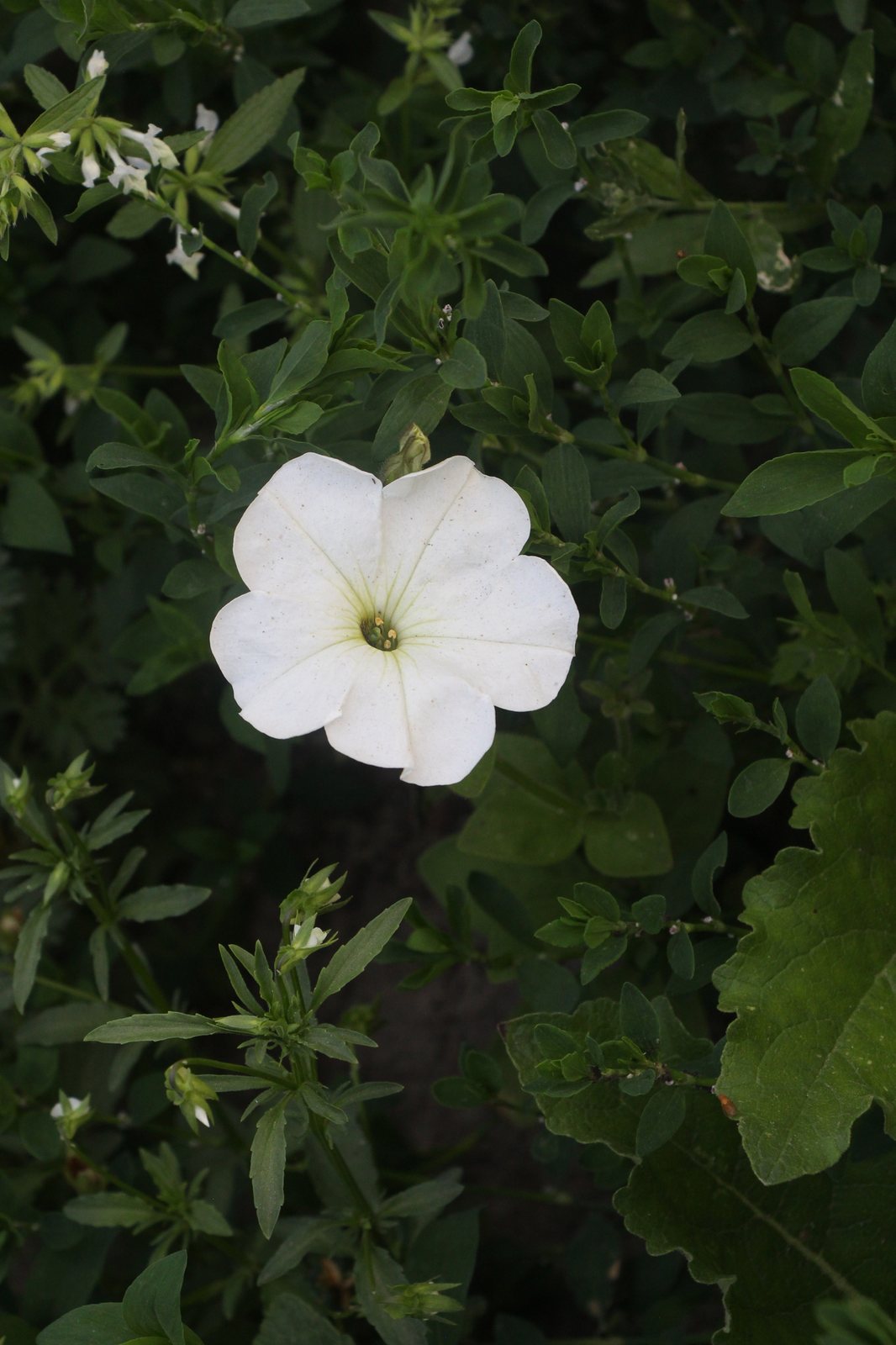
Purple Wave petunia is a vigorous, spreading petunia grown as an annual for its purple, trumpet-shaped flowers. Its low, trailing stems cover sunny beds and spill over containers, hanging baskets and retaining walls, flowering from late spring until frost.
At a glance
- Sun
- Full sun; aim for at least 6 hours of direct sunlight daily. Light afternoon shade can help in very hot climates, but too much shade reduces flowering.
- Water
- Keep evenly moist but not waterlogged. Water thoroughly when the surface begins to dry; containers may need daily watering in hot, windy weather.
- Soil
- Well-drained, moderately fertile soil, preferably slightly acidic. Use fresh, free-draining potting compost in containers.
- Height
- 0.4-0.6 ft (0.12-0.18 m)
- Spread
- 3-4 ft (0.9-1.2 m)
- Flowers
- Late spring to autumn, until frost; abundant purple to magenta-purple trumpet-shaped flowers.
- Foliage
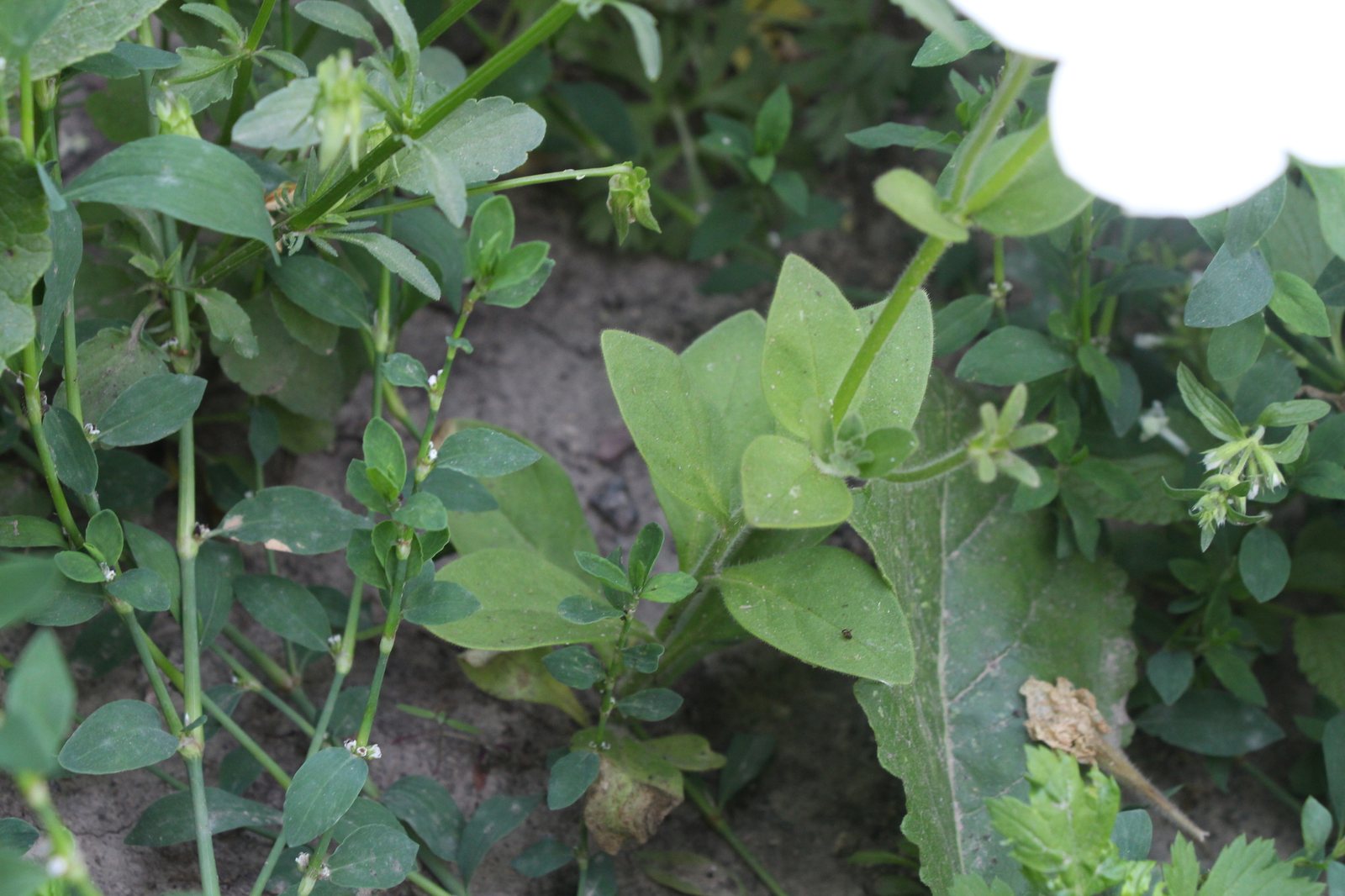
- Soft, green, oval leaves on branching, trailing stems; leaves and stems are slightly hairy and sticky.
- Growth
- Fast
- Care needed
- Medium
The year at a glance
- Pollinators
- Heat tolerant
- Low allergen
| J | F | M | A | M | J | J | A | S | O | N | D | |
|---|---|---|---|---|---|---|---|---|---|---|---|---|
| Flowers | ||||||||||||
| Plant |
Northern hemisphere months. In Australia, shift them by six.
- Difficulty
- Moderate
- Toughness
- Fairly tough
Will it suit your garden?
Pick your zone, country, light and whether you have pets.
Full sun is 6 or more hours of direct sun a day, part shade 3 to 6 hours, shade under 3.
How it grows
Planting day
0.5 ft (0.15 m)
full size
Full size in one season.
From a typical nursery size, at an average rate for this kind of plant. A rule of thumb, not a forecast.
Good to know
- Cats and dogs
- Safe
- Growth rate
- Fast
Care
Jobs through the year
- WaterMay, Sep–Oct, every 7 days
- Water established ground plants when the surface begins to dry; skip after rain and water new plants more often.
- WaterJun–Aug, every 4 days
- Check established ground plants and water deeply if the surface is drying; containers may need daily watering.
- FeedMay–Sep, every 14 days
- Use flowering-plant feed at the label rate; container plants may need weekly feeding and fertile beds need less.
- MulchMay–Jun
- Apply a thin moisture-conserving mulch around bedding plants, clear of stems.
- PruneJul–Aug
- If plants become straggly, shorten stems by one-third above leaves, then water and feed; routine deadheading is unnecessary.
- Plant outdoors after frost danger has passed and the soil has warmed; harden off indoor-grown plants first.
- Allow room for a mature spread of 3-4 ft (0.9-1.2 m), rather than crowding plants together.
- Water at soil level and let excess water drain freely; never leave pots standing in water.
- Feed container plants every 1-2 weeks with a flowering-plant fertiliser at the label rate, or use a controlled-release feed as directed.
- Apply a thin mulch around bedding plants to conserve moisture, keeping it clear of the stems.
Pruning. Routine deadheading is not needed. In midsummer, shorten straggly stems by about one-third, cutting just above leaves, then water and feed to encourage fresh growth and flowers.
Through the year
- Late winter
- If growing from seed, sow indoors about 10-12 weeks before the last expected frost; surface-sow because the tiny seeds need light.
- Spring
- Harden off young plants gradually, then plant outside after frost danger has passed.
- Late spring
- Begin regular feeding once plants are established and actively growing.
- Summer
- Check container moisture daily in hot weather and inspect shoot tips for aphids.
- Midsummer
- Trim back lanky growth if flowering becomes sparse, then water and feed.
- Autumn
- Remove plants once frost kills them; discard diseased material rather than composting it.
In the garden
- Plant in broad drifts along sunny border fronts for a low carpet of purple flowers.
- Use as a trailing plant in large containers with upright salvia and silver-leaved foliage.
- Let stems spill over hanging baskets, raised beds or low retaining walls.
- Combine with white sweet alyssum and yellow marigolds for a contrasting summer display.
Garden styles it suits: Cottage garden, Traditional, Urban city garden, Modern courtyard, Family-friendly and Small-space.
Plant it with: Sweet alyssum, French marigold, Mealycup sage, Dusty miller, Verbena and Angelonia.
Wildlife: Flowers can attract bees, butterflies and other nectar-feeding insects, although visits vary with local wildlife and the availability of other flowers.
Problems to watch for
- Aphids cluster on soft shoots: wash them off with water or use insecticidal soap according to the label, avoiding open flowers and visiting insects.
- Slugs and snails damage young plants: inspect after dark, remove hiding places and use an approved iron-phosphate bait if needed.
- Grey mould develops on flowers and stems in damp, crowded conditions: remove affected material, improve airflow and avoid wetting foliage late in the day.
- Root rot causes wilting despite wet soil: improve drainage, stop leaving pots in standing water and replace badly affected plants.
Safety
Petunias are not known to be toxic to cats, dogs, horses or people. No part is recognised as poisonous, but they are ornamental plants rather than food, and eating plant material may still cause mild stomach upset.
Easily confused with
Million bells (Calibrachoa hybrids)
Has much smaller flowers and narrower, smaller leaves, usually on finer, more densely branching stems.
Mexican petunia (Ruellia simplex)
Grows upright with long, narrow leaves and individual flowers that usually last only a day; it does not form the same low, trailing carpet.
Mounding garden petunia (Petunia × atkinsiana)
Many other petunias form compact, upright mounds rather than long, ground-hugging stems. Flower colour alone cannot reliably identify Purple Wave; check the plant label.
The name
Petunia comes from a South American Indigenous word for tobacco, a related plant, while Purple Wave describes the flower colour and spreading habit.
Propagation. Grow from purchased seed or take soft stem cuttings from healthy plants in late spring or summer. As a hybrid, plants raised from saved seed may not match the parent.
Checked against open data
- Accepted botanical name
- Petunia atkinsiana
Sources: GBIF (CC BY 4.0). The care and design notes are LandscapeGPT's own.
See it in your own yard.
Upload a photo of your yard and see it redesigned with plants that suit your climate, each checked against your zone.