Scots pine
Pinus sylvestris. Family Pinaceae. Tree.
Also called Scotch pine, European red pine.
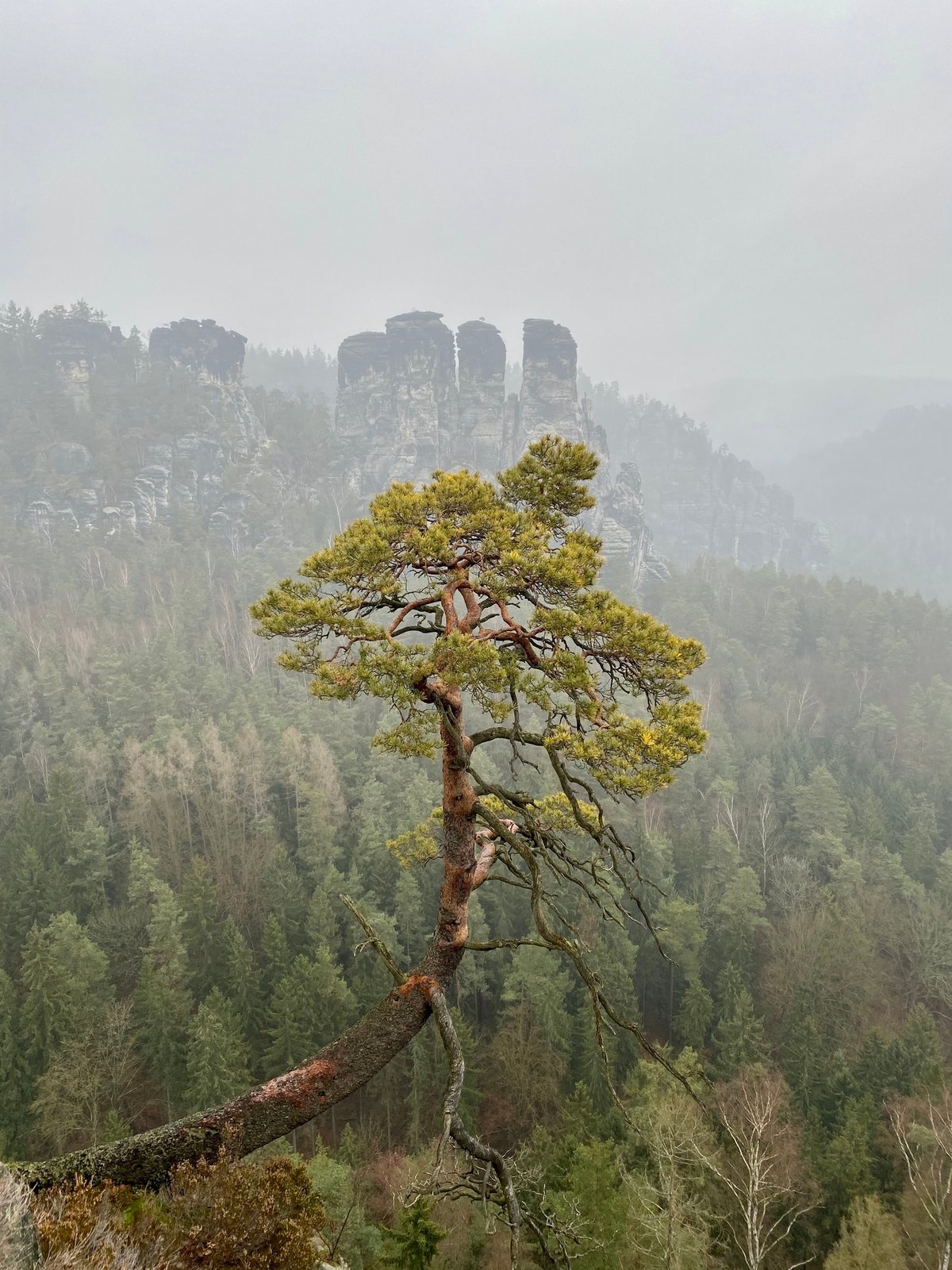
Scots pine (Pinus sylvestris) is a large evergreen tree with blue-green needles, orange-red upper bark and an increasingly open, irregular crown as it ages. Gardeners grow it for year-round structure, wind shelter and its distinctive silhouette, but the full-sized species needs a large garden.
At a glance
- Sun
- Full sun.
- Water
- Water regularly while establishing; established trees tolerate drought on suitable soil. Avoid persistently wet ground.
- Soil
- Well-drained sandy, gravelly or loamy soil; tolerates poor fertility and acidic to mildly alkaline conditions. Avoid waterlogged or compacted soil.
- Height
- 60-100 ft (18-30 m)
- Spread
- 25-40 ft (7.5-12 m)
- Foliage
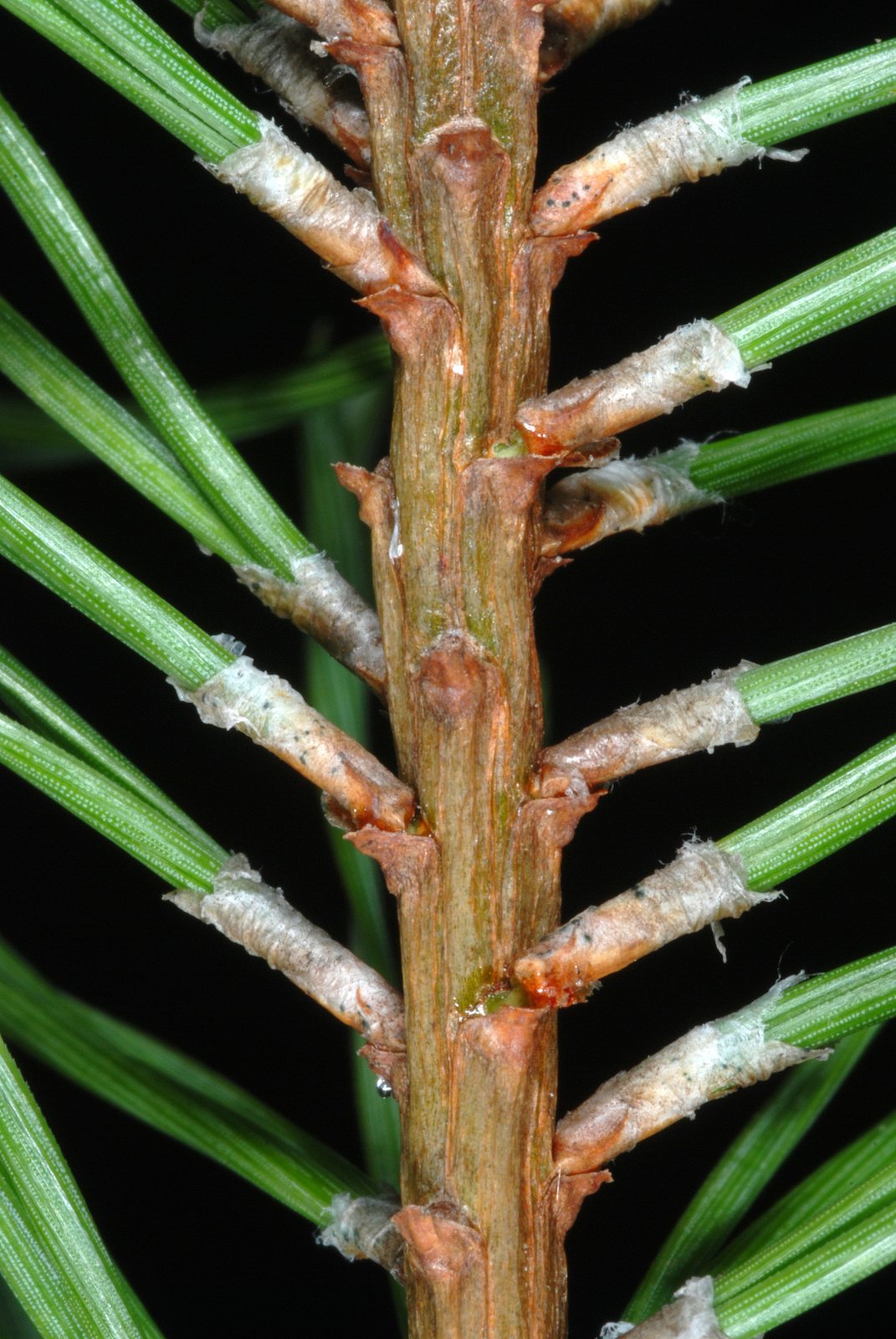
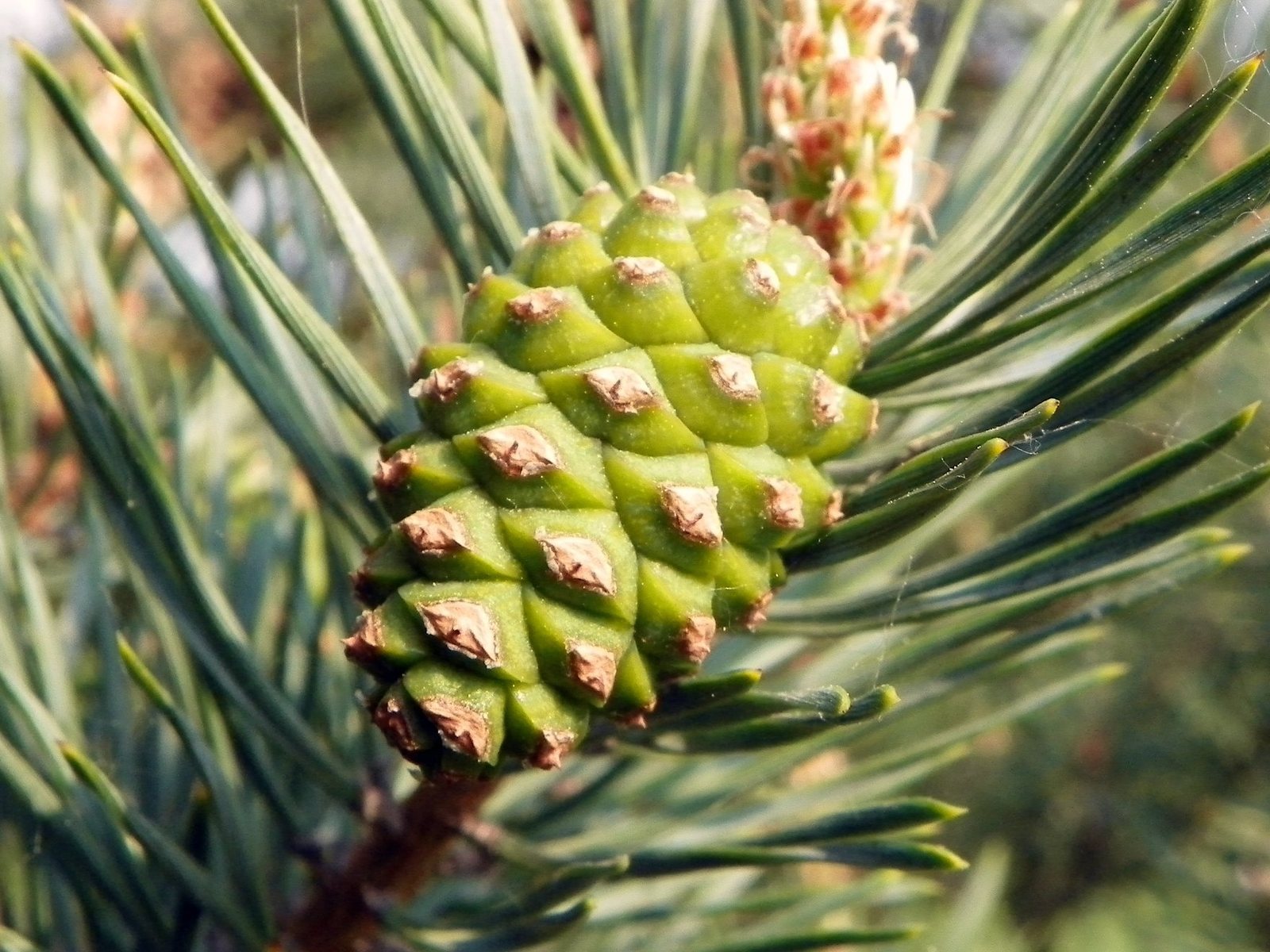
- Evergreen, slightly twisted blue-green needles in pairs, about 1.5-3 in (4-7.5 cm) long. Upper trunks and branches develop flaky orange-red bark above darker, fissured lower bark.
- Growth
- Moderate, often 12-24 in (30-60 cm) a year when young and well established.
- Care needed
- Low
The year at a glance
- Deer resistant
- Drought tolerant
- Cold hardy
- Wildlife
| J | F | M | A | M | J | J | A | S | O | N | D | |
|---|---|---|---|---|---|---|---|---|---|---|---|---|
| Fruit | ||||||||||||
| Plant |
Northern hemisphere months. In Australia, shift them by six.
- Difficulty
- Easy
- Toughness
- Very tough
Will it suit your garden?
Pick your zone, country, light and whether you have pets.
Full sun is 6 or more hours of direct sun a day, part shade 3 to 6 hours, shade under 3.
How it grows
Planting day
9 ft (2.9 m)
After 1 year
13 ft (3.9 m)
After 2 years
16 ft (5 m)
After 3 years
20 ft (6 m)
After 5 years
27 ft (8.2 m)
About 20 years to full size.
From a typical nursery size, at an average rate for this kind of plant. A rule of thumb, not a forecast.
Good to know
- Cats and dogs
- Mildly toxic: may upset a stomach
- Native to
- the UK
- Invasive in
- the US and Canada
- In the garden
- Spreads vigorously: plan to contain it.
- Growth rate
- Moderate
Care
Jobs through the year
- WaterApr–May, Sep–Oct, every 21 days
- Established trees need deep watering only in prolonged drought; water young trees more often.
- WaterJun–Aug, every 14 days
- Water established trees only during prolonged drought; keep new trees watered for two growing seasons.
- MulchOct
- Maintain 5–8 cm of organic mulch over roots, keeping the trunk and root flare clear.
- PruneFeb–Mar
- Remove dead or damaged branches in dry weather; never top or cut into bare old wood.
- ProtectMay–Jun
- Check reachable shoots for sawfly larvae and hand-remove small colonies.
- Plant with the root flare at soil level, allowing room for the mature crown well away from buildings and overhead wires.
- Water deeply during dry spells for the first two growing seasons, letting the soil drain between waterings.
- Apply 2-3 in (5-8 cm) of organic mulch over the root area, keeping it clear of the trunk.
- Do not routinely fertilize; feed only if soil testing or poor growth indicates a deficiency.
- Stake only if the root ball moves in wind, and remove supports after establishment, usually within a year.
Pruning. Remove dead, damaged or crossing branches in late winter, choosing a dry spell. If light shaping is needed, shorten soft new candles in late spring; do not top the tree or cut back into bare old wood, which rarely regrows.
Through the year
- Spring
- Plant container-grown trees once the ground is workable, and water thoroughly.
- Late spring
- Check new shoots for sawfly larvae; remove small colonies by hand while safely reachable.
- Summer
- Water young trees deeply during prolonged dry weather and check for rapid browning or shoot dieback.
- Autumn
- Refresh mulch without burying the root flare; some shedding of older inner needles is normal.
- Late winter
- Remove dead or damaged branches; use a qualified arborist for large limbs or work at height.
In the garden
- Use as a specimen in a large lawn, leaving its orange upper bark and irregular crown visible.
- Plant in a loose group with birches and heathers for a northern woodland character.
- Use in a mixed shelterbelt with other locally suitable trees; older Scots pines become too open to provide dense screening alone.
- Combine with low grasses and drought-tolerant shrubs in a spacious gravel garden.
Garden styles it suits: Woodland, Scandinavian, Modern rustic, Grand estate, Winter interest and Mountain lodge.
Plant it with: Silver birch, Common juniper, Heather, Bell heather, Sheep's fescue and Bearberry.
Wildlife: Seeds feed birds and small mammals, and mature crowns provide nesting and shelter. In its native Eurasian range, it also supports numerous specialist insects; its ecological value elsewhere differs from that of local native pines.
Problems to watch for
- Pine wilt can kill trees rapidly, especially in warmer parts of the United States. Have sudden whole-tree browning diagnosed promptly; infected trees usually need professional removal and appropriate wood disposal.
- Dothistroma needle blight causes needle bands, browning and premature shedding. Improve airflow, avoid wetting foliage and seek local advice if repeated infection weakens the tree.
- Pine sawfly larvae can strip needles from young trees. Hand-pick reachable colonies or use a locally approved treatment labelled for sawflies; caterpillar-specific Bt does not control them.
- Waterlogging causes root decline and sparse, yellowing foliage. Correct drainage where practical; replace badly affected trees with a species suited to wet ground.
Safety
Not known to be seriously toxic to cats, dogs, horses or people. Needles and resin can irritate the mouth or stomach if chewed or swallowed, and sharp needles can cause physical injury. Concentrated pine oils are a separate hazard, particularly to cats.
Where it spreads. Can spread aggressively into open, sandy habitats in parts of the northeastern and midwestern United States and southern Canada. It is identified as invasive in parts of the Great Lakes region, including Michigan, Wisconsin and Ontario; check local guidance before planting near natural areas.
Easily confused with
Austrian pine (Pinus nigra)
Has longer, darker, stiffer needles in pairs and lacks the conspicuous orange-red upper bark of mature Scots pine.
Lodgepole pine (Pinus contorta)
Also has paired, often twisted needles, but its cones are commonly prickly and asymmetrical, and its upper bark is not characteristically orange-red.
Red pine (Pinus resinosa)
Has much longer needles in pairs, usually 4-6 in (10-15 cm), which characteristically snap when sharply bent.
The name
Pinus is the Latin name for pine, sylvestris means 'of the woods', and Scots pine refers to its strong association with Scotland.
Propagation. Grow the species from seed collected from ripe cones. A short period of cold, moist treatment can improve germination uniformity. Named cultivars are usually grafted and do not come true from seed.
Checked against open data
- Accepted botanical name
- Pinus sylvestris
- In the US and Canada
- Introduced in Canada and the lower 48 states.
- Native range
- Albania, Altay, Amur, Austria, Baltic States, Belarus, Belgium, Bulgaria, Buryatiya, Central European Rus, Chita and Czechoslovakia.
- Measured
- Soil pH 5 to 7.5. Average height 1040 cm.
Sources: GBIF (CC BY 4.0), USDA PLANTS and Trefle (CC BY 4.0). The care and design notes are LandscapeGPT's own.
See it in your own yard.
Upload a photo of your yard and see it redesigned with plants that suit your climate, each checked against your zone.