Spindle (European spindle)
Euonymus europaeus. Family Celastraceae. Shrub.
Also called European spindle tree, Common spindle.
European spindle is a deciduous large shrub or small tree grown for its autumn colour and pink, four-lobed fruits, which split to reveal orange-coated seeds. It suits mixed hedges and woodland edges, but its poisonous fruits make it unsuitable beside children's play areas.
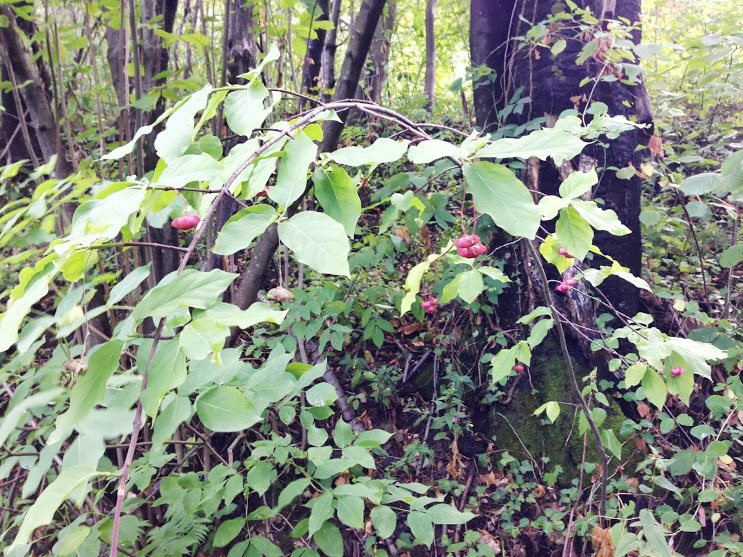
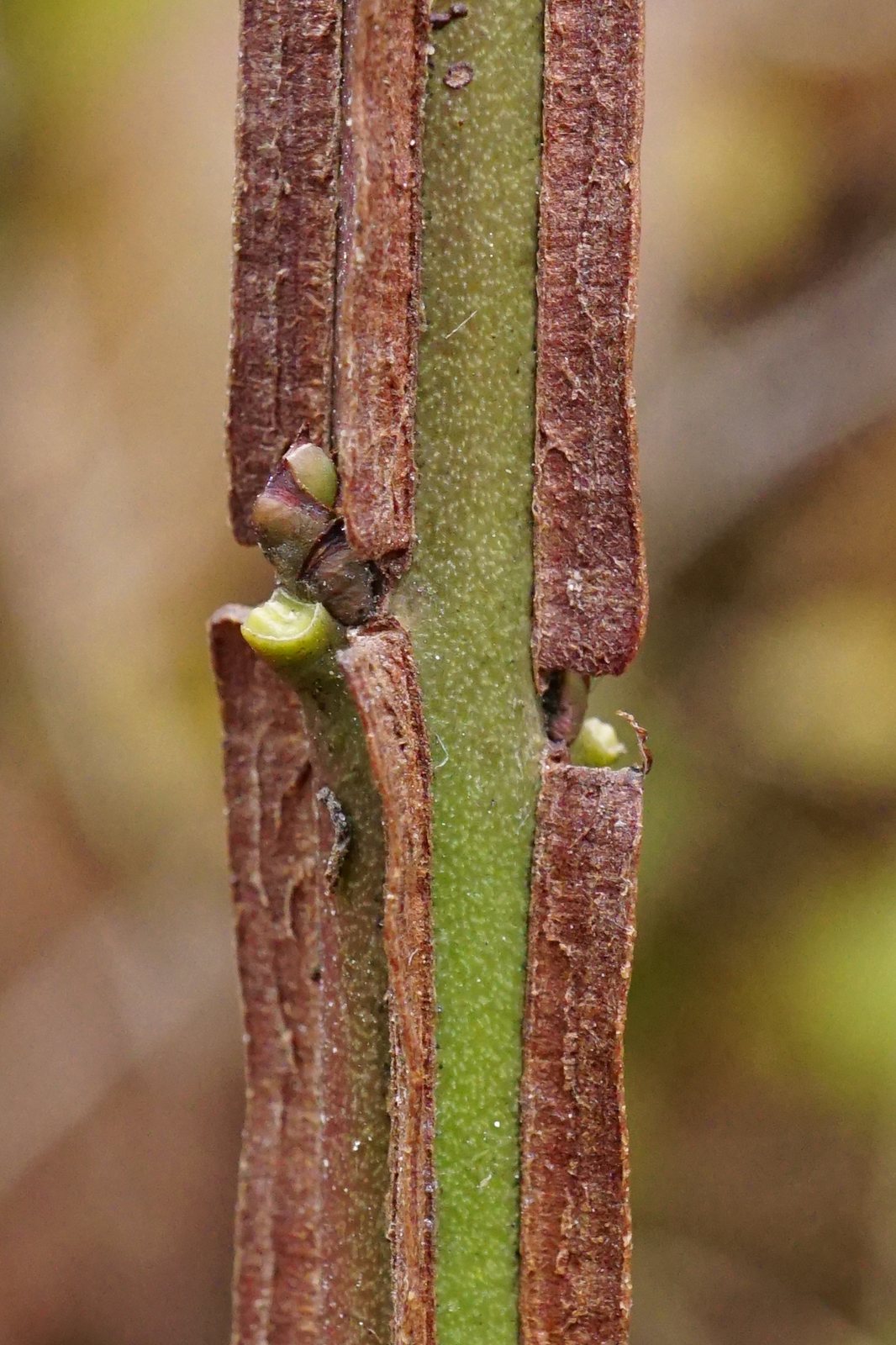
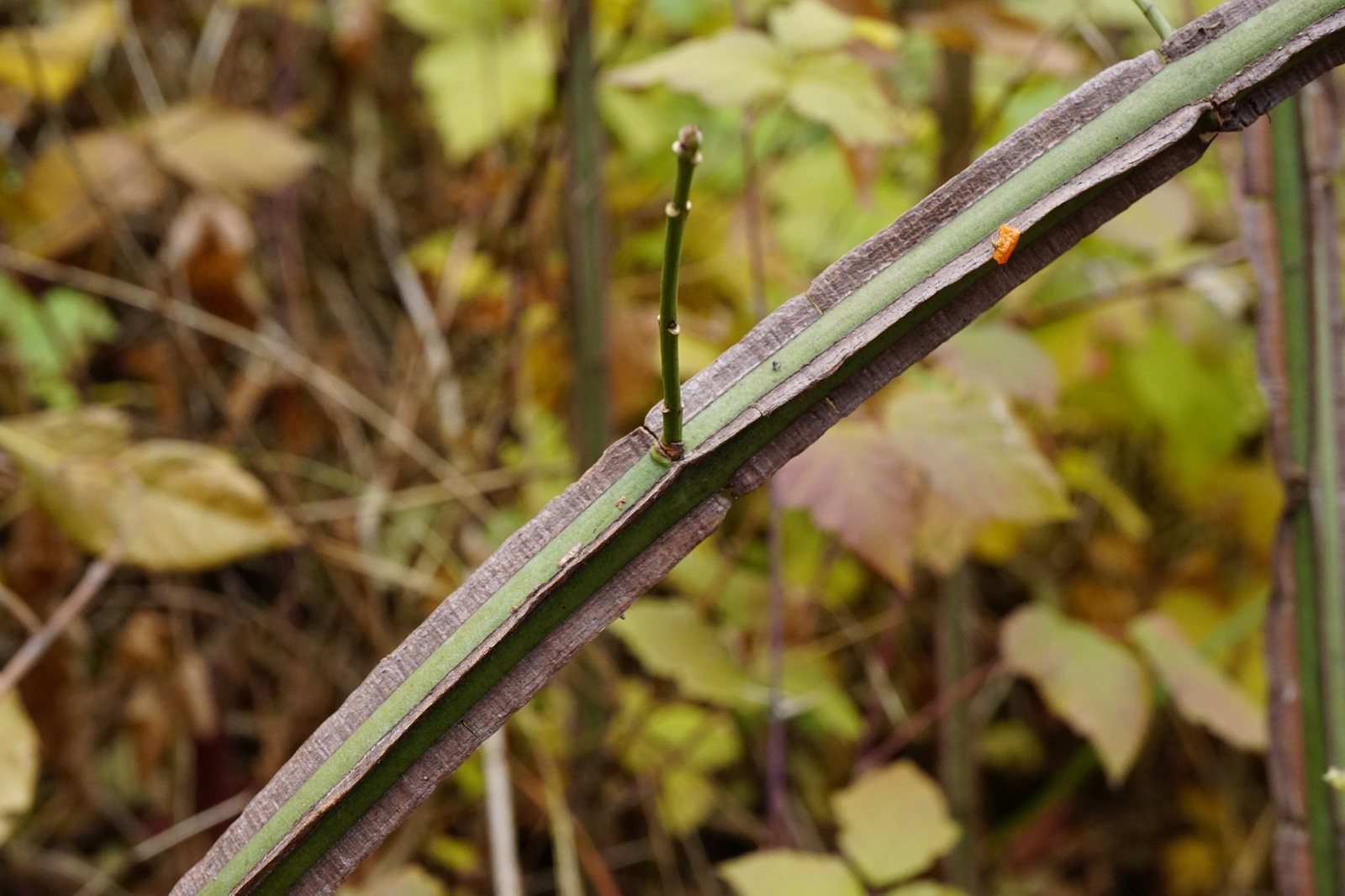
At a glance
- Sun
- Full sun to partial shade; autumn colour and fruiting are usually best in sun.
- Water
- Moderate; keep young plants evenly moist. Established plants tolerate short dry spells but benefit from watering during prolonged drought.
- Soil
- Well-drained loam, clay or chalk; tolerates alkaline soil and some seasonal moisture, but not persistent waterlogging.
- Height
- 12-20 ft (3.7-6 m)
- Spread
- 10-15 ft (3-4.6 m)
- Flowers
- Small, inconspicuous yellow-green flowers in late spring to early summer.
- Foliage
- Opposite, oval, finely toothed green leaves, often turning red or pink-red in autumn; colour varies with the plant and conditions.
- Growth
- Moderate
- Care needed
- Low
The year at a glance
- Pollinators
- Cold hardy
- Wildlife
- Low allergen
| J | F | M | A | M | J | J | A | S | O | N | D | |
|---|---|---|---|---|---|---|---|---|---|---|---|---|
| Flowers | ||||||||||||
| Fruit | ||||||||||||
| Plant |
Northern hemisphere months. In Australia, shift them by six.
- Difficulty
- Easy
- Toughness
- Very tough
Will it suit your garden?
Pick your zone, country, light and whether you have pets.
Full sun is 6 or more hours of direct sun a day, part shade 3 to 6 hours, shade under 3.
How it grows
Planting day
1.9 ft (0.58 m)
After 1 year
5 ft (1.4 m)
After 2 years
8 ft (2.3 m)
After 3 years
10 ft (3.1 m)
After 5 years
16 ft (4.9 m)
full size
About 5 years to full size.
From a typical nursery size, at an average rate for this kind of plant. A rule of thumb, not a forecast.
Good to know
- Cats and dogs
- Toxic
- Native to
- the UK
- Invasive in
- the US and Canada
- In the garden
- Spreads vigorously: plan to contain it.
- Growth rate
- Moderate
Care
Jobs through the year
- WaterApr–May, Sep–Oct, every 21 days
- Water established shrubs only during prolonged drought; keep young plants moist for their first two seasons.
- WaterJun–Aug, every 14 days
- Give established shrubs a deep soaking during prolonged dry weather.
- PruneFeb–Mar
- Lightly remove dead, damaged or crossing branches and thin congested stems at their base.
- MulchMar–Apr
- Apply 5–8 cm organic mulch, keeping it clear of stems.
- PruneApr–May
- Remove unwanted suckers at their origin and pull nearby seedlings.
- ProtectOct–Dec, every 7 days
- Where children or pets have access, clear fallen poisonous fruits and prevent ingestion.
- Water deeply during dry spells for the first two growing seasons.
- Apply a 2-3 in (5-8 cm) layer of organic mulch in spring, keeping it clear of the stems.
- Avoid routine feeding on reasonably fertile soil; use compost if growth is weak.
- Remove unwanted seedlings and suckers before they become established.
- Leave room for its mature width rather than repeatedly clipping it to fit.
Pruning. Prune in late winter or early spring, removing dead, damaged or crossing branches and thinning crowded stems at their base. Keep pruning light to retain the natural shape and avoid reducing the following fruit display.
Through the year
- Autumn
- Plant while the soil is moist and workable; water thoroughly.
- Late winter
- Remove damaged or crossing branches and thin congested growth.
- Spring
- Renew mulch and remove unwanted seedlings.
- Late spring
- Check shoots for aphids and scale insects; treat only significant infestations.
- Summer
- Water young plants during dry weather and watch for caterpillar webbing.
- Late autumn
- Remove fallen fruits where children or pets could eat them.
In the garden
- Include in a mixed deciduous hedge for autumn colour and fruit.
- Plant at a sunny woodland edge with hazel, dogwood and shade-tolerant groundcover.
- Use as a loose, multi-stemmed specimen with enough space to show its branching habit.
- Set against dark evergreen foliage to make the pink fruits and autumn leaves more visible.
Garden styles it suits: English country, Woodland, Wildlife garden, Native hedgerow, Autumn colour and Traditional.
Plant it with: Common hazel, Common dogwood, Guelder rose, Hawthorn, Hardy geraniums and Male fern.
Wildlife: Flowers feed small pollinating insects, and birds eat the orange-coated seeds and disperse them. In its native European range, spindle supports specialist insects, including spindle ermine moth caterpillars.
Problems to watch for
- Euonymus scale can cause yellowing and dieback: prune out badly affected shoots and use a locally approved horticultural oil when vulnerable young scales are active.
- Aphids can curl young leaves: dislodge small colonies with water and encourage ladybirds and other predators.
- Spindle ermine moth caterpillars can web branches and strip leaves: remove accessible webs early; established plants usually recover without spraying.
- Powdery mildew may coat leaves in dry, crowded conditions: improve airflow, water the root zone during drought and avoid excessive nitrogen feeding.
Safety
Toxic to people, cats, dogs and horses if eaten. All parts should be treated as poisonous, especially the fruits and seeds; ingestion can cause vomiting, diarrhoea and abdominal pain, with potentially serious heart and nervous-system effects in severe cases. Seek medical or veterinary advice promptly after suspected ingestion.
Where it spreads. Introduced plants can escape through bird-dispersed seed and form dense growth in parts of the northeastern and midwestern United States, including the Great Lakes region, and in southern Ontario, Canada. Check local invasive-plant guidance before planting there. It is native in the United Kingdom.
Easily confused with
Winged spindle (Euonymus alatus)
Usually has conspicuous corky wings along its branches and a denser, broader habit; European spindle generally lacks these broad corky wings.
Broad-leaved spindle (Euonymus latifolius)
Has larger, broader leaves and typically five-lobed, winged fruit capsules rather than European spindle's usually four-lobed capsules.
Japanese spindle (Euonymus japonicus)
Keeps its thick, glossy, leathery leaves through winter; European spindle has thinner leaves and is deciduous.
The name
The common name refers to the traditional use of its hard wood for making spindles, while europaeus means European.
Propagation. Take semi-ripe cuttings in summer. Seed needs a warm period followed by cold stratification and may take more than a year to germinate; seedlings may differ from named cultivars.
Checked against open data
- Accepted botanical name
- Euonymus europaeus
- In the US and Canada
- Introduced in Canada and the lower 48 states.
- Native range
- Albania, Austria, Baltic States, Belarus, Belgium, Bulgaria, Central European Rus, Corse, Czechoslovakia, Denmark, East European Russia and France.
- Measured
- Soil pH 7 to 7.5. Average height 300 cm.
Sources: GBIF (CC BY 4.0), USDA PLANTS and Trefle (CC BY 4.0). The care and design notes are LandscapeGPT's own.
See it in your own yard.
Upload a photo of your yard and see it redesigned with plants that suit your climate, each checked against your zone.