Western redbud
Cercis occidentalis. Family Fabaceae. Shrub.
Also called California redbud.
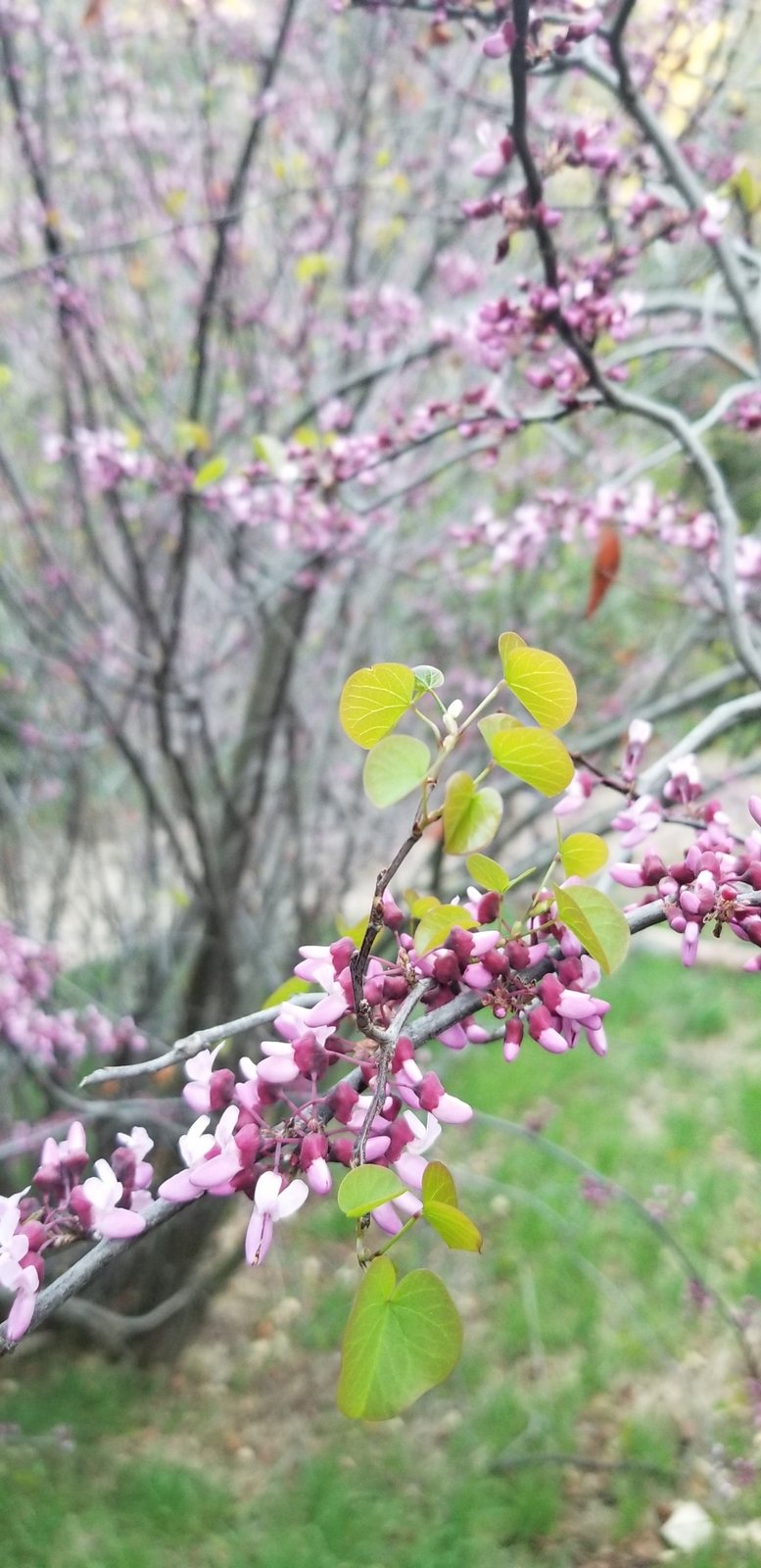
Western redbud is a deciduous, often multi-stemmed shrub or small tree native to the southwestern United States. Gardeners grow it for its magenta-pink flowers on bare branches, rounded leaves and yellow autumn colour. It is best suited to climates with dry summers; flowering can be less reliable where winters are very mild.
At a glance
- Sun
- Full sun for best flowering; tolerates light shade.
- Water
- Water deeply during establishment, letting the soil dry partly between waterings. Established plants tolerate summer drought and usually need only occasional deep watering during prolonged dry spells.
- Soil
- Well-drained sandy, loamy or gravelly soil; tolerates clay if drainage is good. Avoid persistently wet ground.
- Height
- 10-20 ft (3-6 m)
- Spread
- 10-20 ft (3-6 m)
- Flowers
- Early to mid-spring, before the leaves open; clusters of magenta-pink, pea-shaped flowers along bare branches.
- Foliage
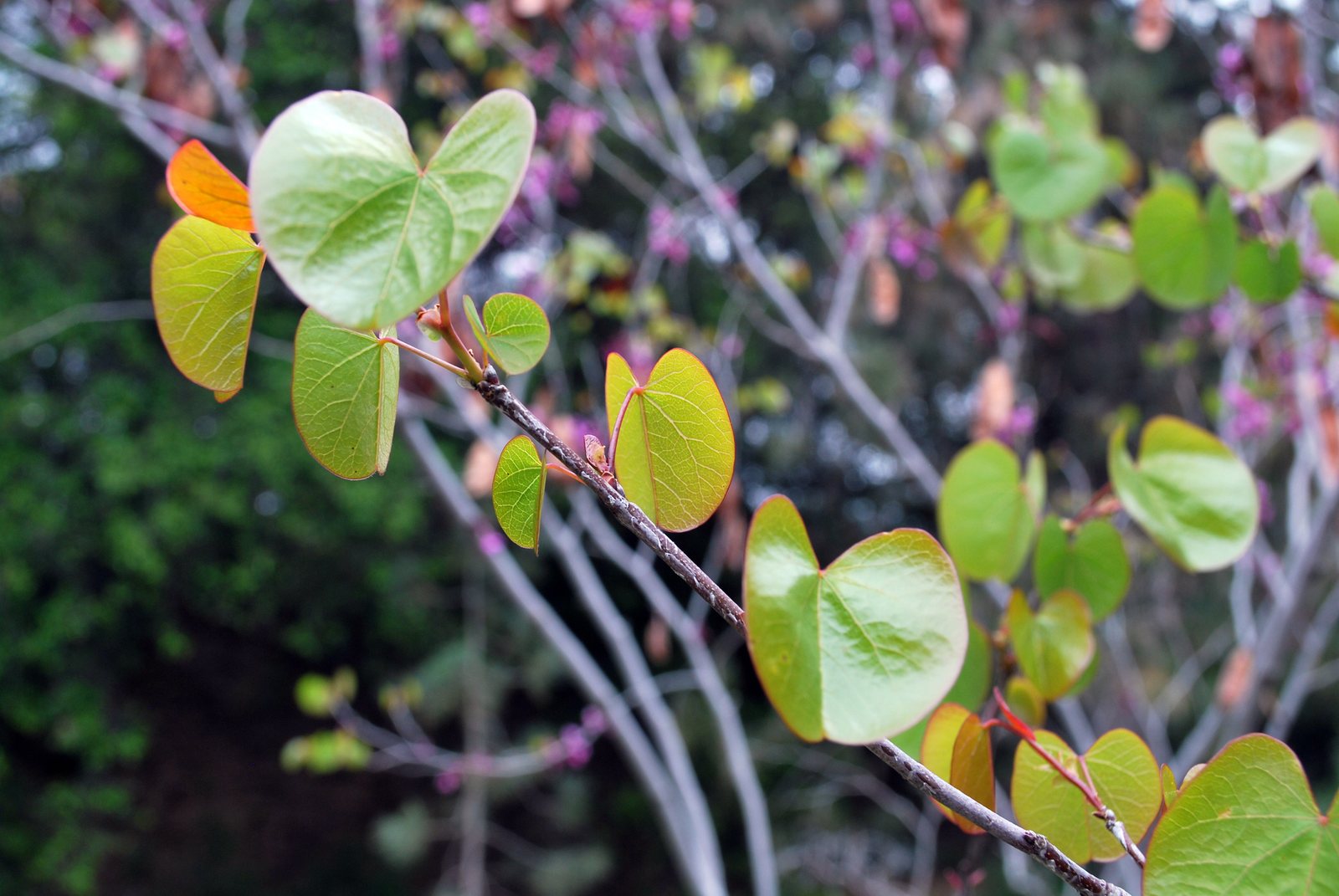
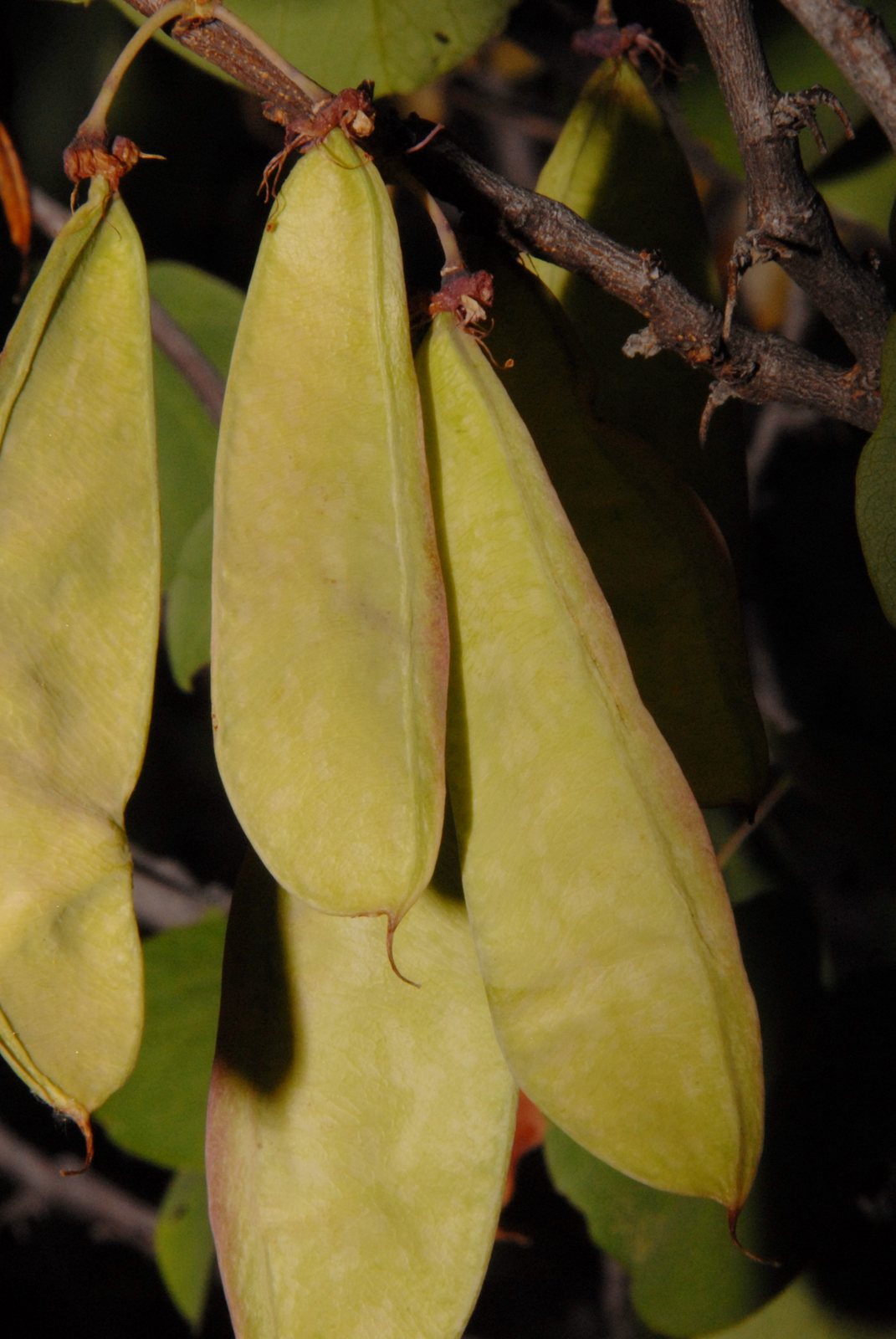
- Rounded to kidney-shaped, blue-green leaves, often bronze when young; usually yellow in autumn, sometimes with orange or red tones. Flattened seed pods may persist into winter.
- Growth
- Moderate when young, slowing with age.
- Care needed
- Low
The year at a glance
- Pollinators
- Drought tolerant
- Heat tolerant
- Wildlife
- Low allergen
| J | F | M | A | M | J | J | A | S | O | N | D | |
|---|---|---|---|---|---|---|---|---|---|---|---|---|
| Flowers | ||||||||||||
| Fruit | ||||||||||||
| Plant |
Northern hemisphere months. In Australia, shift them by six.
- Difficulty
- Moderate
- Toughness
- Fairly tough
Will it suit your garden?
Pick your zone, country, light and whether you have pets.
Full sun is 6 or more hours of direct sun a day, part shade 3 to 6 hours, shade under 3.
How it grows
Planting day
1.8 ft (0.54 m)
After 1 year
4 ft (1.1 m)
After 2 years
6 ft (1.8 m)
After 3 years
8 ft (2.4 m)
After 5 years
12 ft (3.6 m)
About 7 years to full size.
From a typical nursery size, at an average rate for this kind of plant. A rule of thumb, not a forecast.
Good to know
- Cats and dogs
- Safe
- Growth rate
- Slow
Care
Jobs through the year
- WaterApr–May, Sep–Oct, every 21 days
- Deep-water established plants only if soil is dry; water more often during the first two seasons.
- WaterJun–Aug, every 28 days
- Give established plants a deep soak only during prolonged drought; avoid frequent irrigation.
- PruneApr–May
- After flowering, remove dead or crossing branches and unwanted basal shoots; avoid large cuts.
- MulchNov
- Maintain 5–8 cm of mulch over roots, keeping it clear of stems.
- ProtectJan–Mar, Nov–Dec
- Marginal in zone 7 and unreliable in zone 6; shelter young plants from severe frost and cold winds.
- Plant in a permanent position with good drainage; established plants dislike root disturbance.
- Water deeply through the first two growing seasons, allowing the upper soil to dry between waterings.
- Reduce summer irrigation once established; keep it away from frequently watered lawns.
- Apply 2-3 in (5-8 cm) of mulch, keeping it clear of the stems.
- Do not routinely fertilise; excessive feeding encourages leafy growth rather than flowers.
Pruning. Prune lightly just after flowering to remove dead, damaged or crossing branches and, if wanted, select a few main stems. Avoid hard pruning and unnecessary large cuts.
Through the year
- Autumn
- Plant in mild-winter regions while the soil is still warm, and water thoroughly.
- Late winter
- Check drainage and inspect bare stems for dead wood or sunken, damaged bark.
- Spring
- Plant in colder regions after the ground is workable and severe frost has passed.
- Late spring
- After flowering, remove crossing branches and unwanted basal shoots if training a small tree.
- Summer
- Check young plants regularly and water deeply when the root zone begins to dry; avoid frequent shallow watering.
- Late autumn
- Refresh mulch without covering the stem bases, and collect ripe pods if propagating from seed.
In the garden
- Use as a small specimen tree beside a terrace, leaving room for its broad crown.
- Keep its natural multi-stemmed form in a California native shrub border.
- Combine with evergreen shrubs so the bare-branch spring flowers stand out.
- Plant above low, drought-tolerant groundcovers in a sunny gravel garden.
Garden styles it suits: California native, Mediterranean, Desert / xeriscape, Wildlife garden, Pollinator garden and Dry gravel garden.
Plant it with: California lilac, Manzanita, Cleveland sage, Deer grass, California fuchsia and California poppy.
Wildlife: Spring flowers provide pollen and nectar for bees, including native bees. The branching canopy offers shelter for small birds.
Problems to watch for
- Root rot in wet soil: improve drainage before planting and avoid frequent summer irrigation.
- Canker and branch dieback: remove affected branches back to healthy wood in dry weather, disinfect tools between cuts and reduce drought or waterlogging stress.
- Verticillium wilt, causing sudden branch wilt: seek a diagnosis, remove dead wood and avoid replanting susceptible trees in confirmed affected soil.
- Leaf spots in damp conditions: clear fallen leaves, improve airflow and keep irrigation off the foliage; minor spotting rarely needs treatment.
Safety
Not known to be toxic to people, cats, dogs or horses. Species-specific safety information is limited, so do not treat leaves, bark, pods or seeds as food or livestock feed.
Easily confused with
Eastern redbud (Cercis canadensis)
Usually has larger, distinctly heart-shaped leaves with pointed tips; western redbud leaves are generally rounder, with blunt or notched tips.
Judas tree (Cercis siliquastrum)
Often develops into a larger tree with conspicuous flower clusters on its trunk and older branches. Its rounded leaves overlap in appearance, so check the plant's identity rather than relying on leaves alone.
Chinese redbud (Cercis chinensis)
Typically has more pointed, heart-shaped leaves and very dense flower clusters; western redbud has rounder, often blue-green leaves.
The name
The species name occidentalis means 'western', referring to its western North American distribution, while redbud describes the reddish flower buds.
Propagation. Grow from seed collected from mature brown pods. The hard seed coat usually needs scarification followed by a period of cold, moist stratification; germination can be uneven. Transplant seedlings while young to minimise root disturbance.
Checked against open data
- Accepted botanical name
- Cercis occidentalis
- Native range
- California and Oregon.
- Measured
- Average height 701 cm.
Sources: GBIF (CC BY 4.0) and Trefle (CC BY 4.0). The care and design notes are LandscapeGPT's own.
See it in your own yard.
Upload a photo of your yard and see it redesigned with plants that suit your climate, each checked against your zone.