Deer grass
Muhlenbergia rigens. Family Poaceae. Ornamental grass.
Also called Deergrass, California deer grass.
Deer grass is a large, clump-forming grass native to the southwestern United States and Mexico. Gardeners grow it for its fountain-shaped green foliage and tall, slender flower spikes that turn straw-coloured and persist into winter. It tolerates drought once established but needs room for its broad, mature clump.
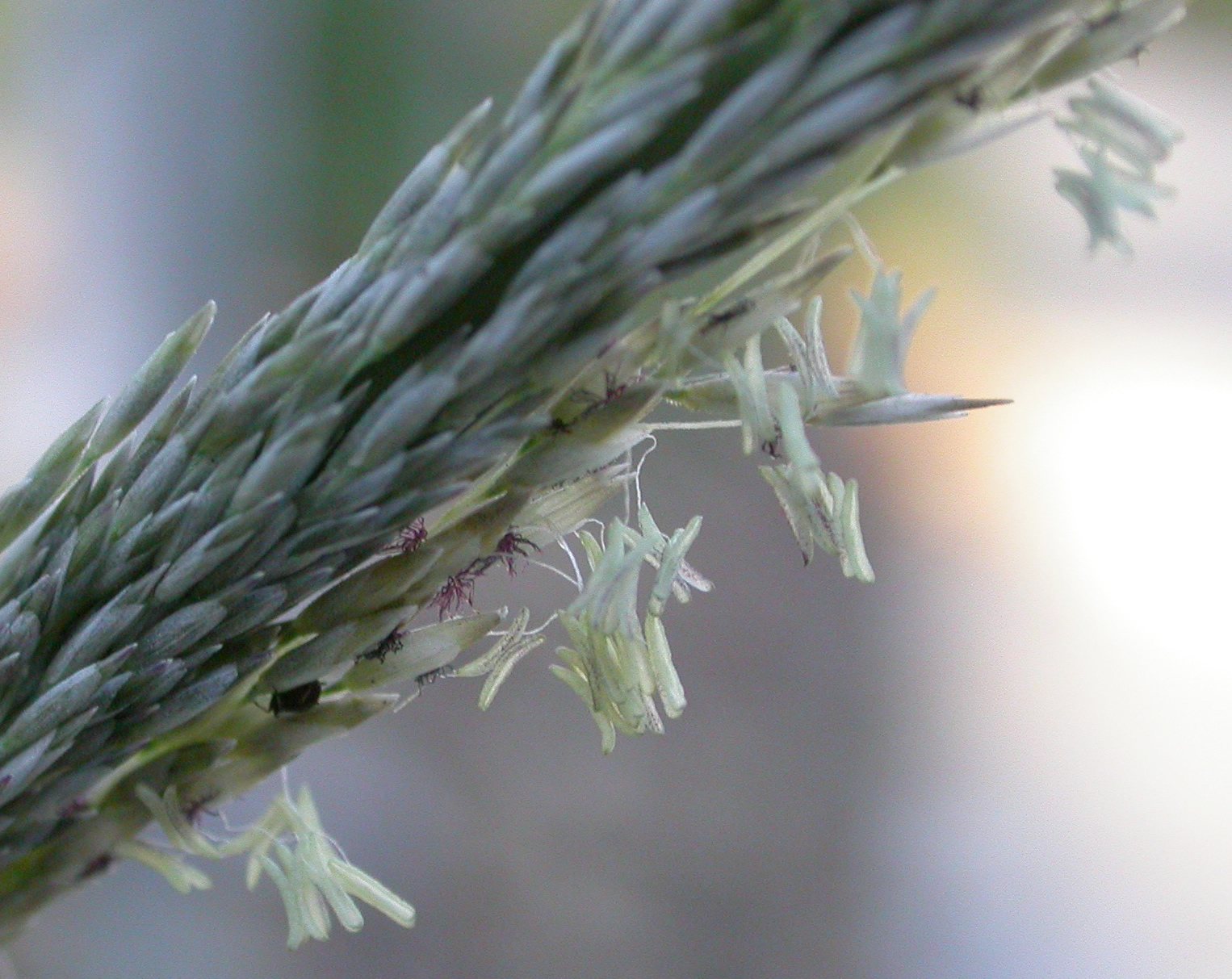
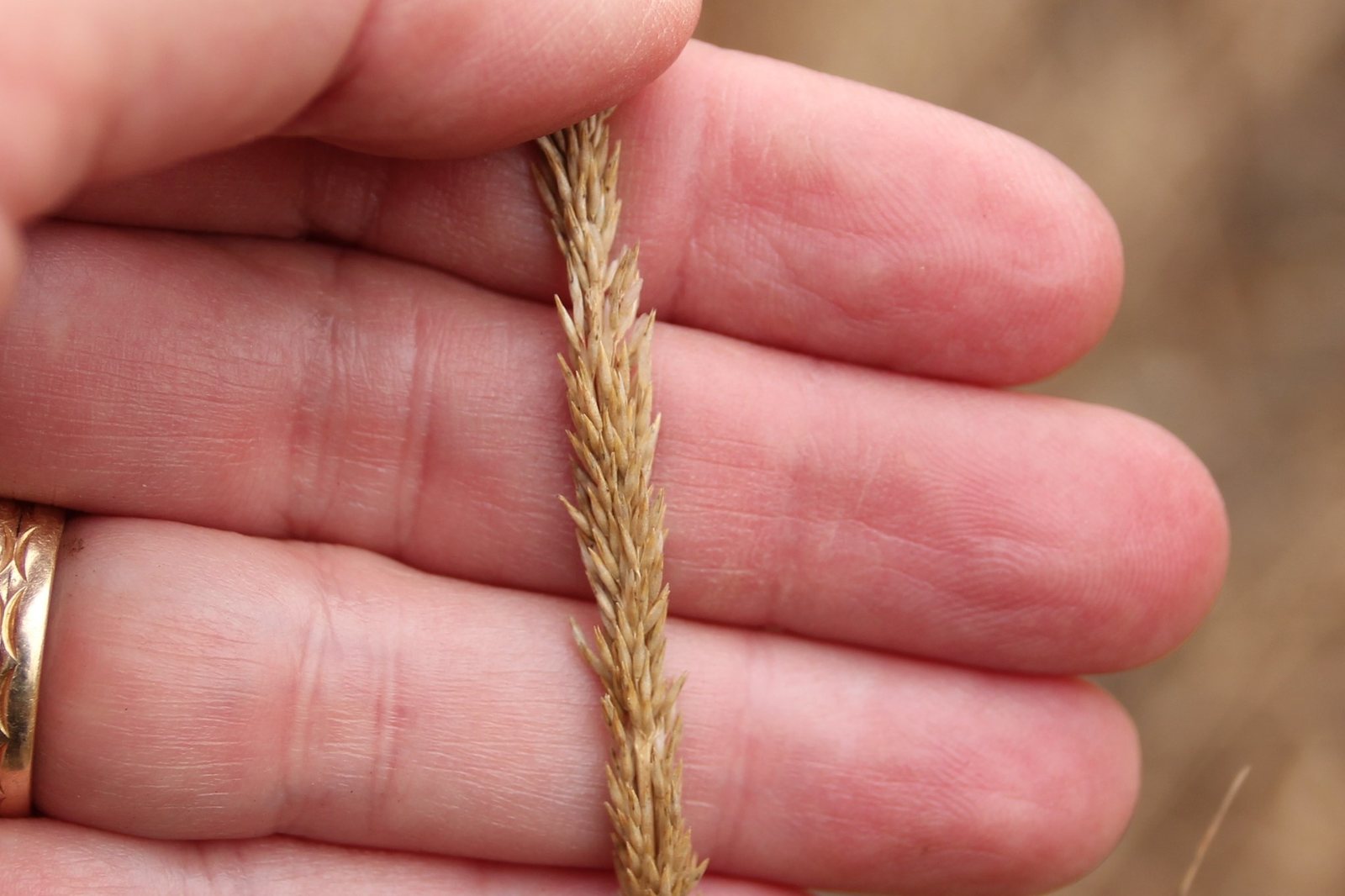
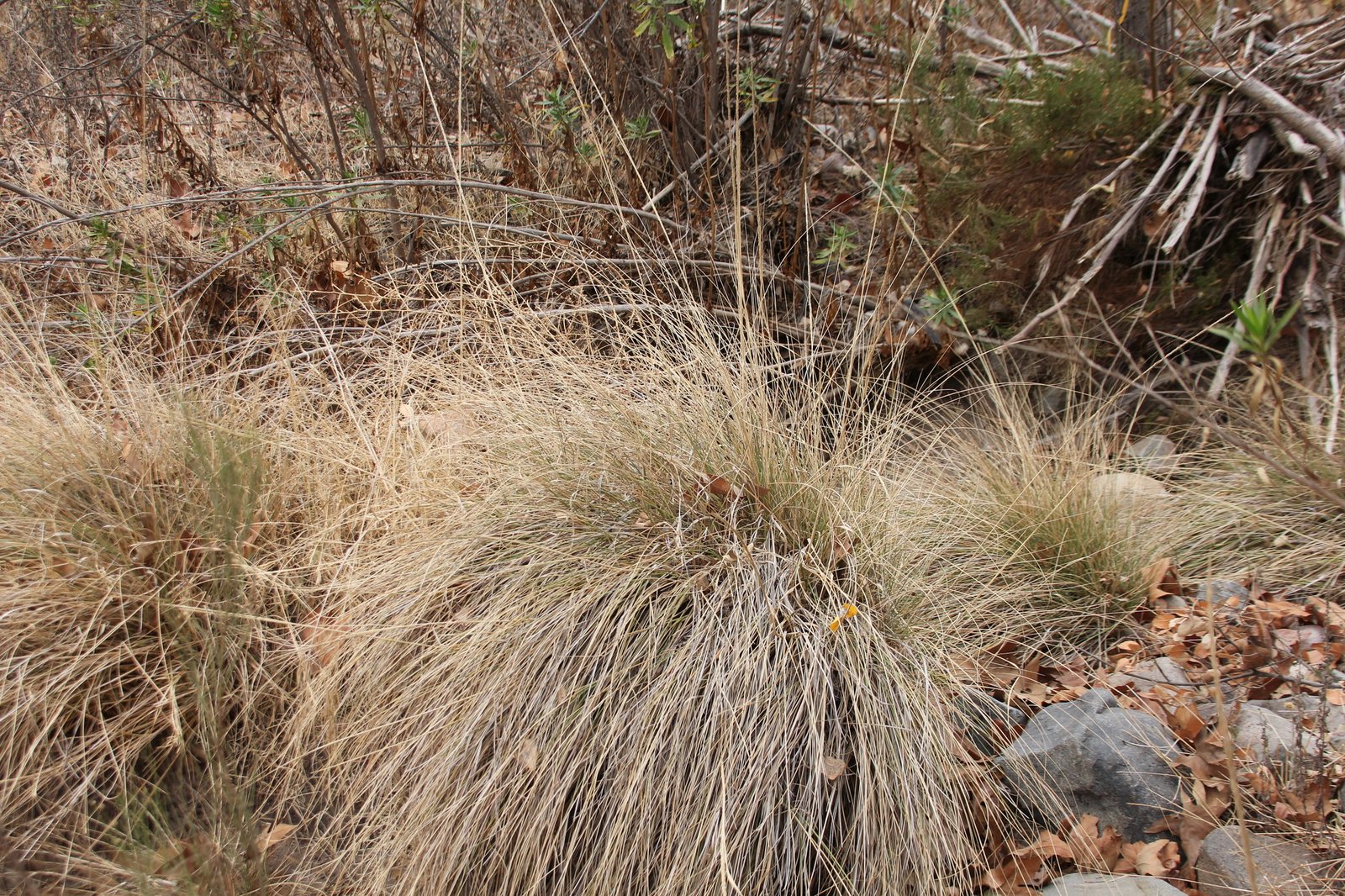
At a glance
- Sun
- Full sun; tolerates light shade, but flowers less freely and may grow more loosely.
- Water
- Water regularly during the first growing season. Once established, water deeply but infrequently during prolonged dry weather; avoid constantly wet soil.
- Soil
- Well-drained sandy, gravelly or loamy soil; tolerates clay if drainage is adequate. Avoid waterlogged ground, especially in winter.
- Height
- 3-4 ft (0.9-1.2 m) in leaf; 4-5 ft (1.2-1.5 m) in flower
- Spread
- 4-5 ft (1.2-1.5 m)
- Flowers
- Late summer to autumn; narrow, upright spikes of tiny tan to purplish flowers fade to straw-coloured seedheads.
- Foliage
- Long, narrow green to grey-green leaves form a dense, arching mound. Evergreen in mild climates; foliage may brown in cold winters.
- Growth
- Moderate to fast in warm weather
- Care needed
- Low
The year at a glance
- Deer resistant
- Drought tolerant
- Heat tolerant
- Wildlife
| J | F | M | A | M | J | J | A | S | O | N | D | |
|---|---|---|---|---|---|---|---|---|---|---|---|---|
| Flowers | ||||||||||||
| Fruit | ||||||||||||
| Plant |
Northern hemisphere months. In Australia, shift them by six.
- Difficulty
- Moderate
- Toughness
- Fairly tough
Will it suit your garden?
Pick your zone, country, light and whether you have pets.
Full sun is 6 or more hours of direct sun a day, part shade 3 to 6 hours, shade under 3.
How it grows
Planting day
1.1 ft (0.35 m)
After 1 year
2.3 ft (0.7 m)
After 2 years
3 ft (1.1 m)
full size
About 2 years to full size.
From a typical nursery size, at an average rate for this kind of plant. A rule of thumb, not a forecast.
Good to know
- Cats and dogs
- Safe
- Native to
- the US
- Growth rate
- Fast
Care
Jobs through the year
- WaterApr–May, Sep, every 28 days
- Water established clumps only if dry; water first-year plants more regularly.
- WaterJun–Aug, every 21 days
- Soak established clumps only during prolonged drought, allowing soil to dry between waterings.
- PruneMar
- Remove old flower stems and comb out dead foliage; cut to 15–30 cm only if very shabby.
- DivideMay–Jun
- Divide only oversized or dead-centred clumps as growth starts; replant healthy outer sections.
- ProtectJan–Mar, Nov–Dec
- Keep crowns well drained; in zone 6, overwinter a container plant in a cool frost-free place.
- Space plants about 4-5 ft (1.2-1.5 m) apart so mature clumps do not crowd one another.
- Water deeply during establishment, allowing the soil surface to dry between waterings.
- Established plants need little supplementary water, though occasional deep watering keeps foliage greener in prolonged drought.
- Do not routinely fertilise; rich feeding encourages excessive, floppy growth.
- Keep mulch clear of the crown and divide only when clumps become too large or develop a dead centre.
Pruning. In late winter or early spring, remove old flower stems and comb or rake out loose dead foliage. If the whole clump is shabby, cut it back to 6-12 in (15-30 cm) before new growth begins; annual shearing is usually unnecessary.
Through the year
- Late winter
- Remove old flower stems and dead foliage; cut back only if the clump needs renewal.
- Spring
- Plant once the soil begins to warm, and water deeply to settle the roots.
- Late spring
- Divide overcrowded clumps as active growth starts, and keep divisions watered until rooted.
- Summer
- Water young plants deeply; give established clumps water only during prolonged dry spells.
- Autumn
- Leave flower spikes standing for texture and seed-eating birds.
- Winter
- Check that water drains away from the crown, particularly in cool, rainy climates.
In the garden
- Plant repeated groups in a sunny gravel garden for a consistent rhythm of rounded foliage and upright stems.
- Use as a specimen beside paving or boulders, leaving enough space for leaves to arch clear of paths.
- Combine with salvias, buckwheats and other dry-garden perennials for contrasting flower shapes and textures.
- Mass on sunny banks or in broad naturalistic borders for movement and winter structure.
Garden styles it suits: California native, Southwestern, Desert / xeriscape, Dry gravel garden, Architectural minimal and Low-maintenance.
Plant it with: Cleveland sage, California buckwheat, Red yucca, Desert marigold, Yarrow and California fuchsia.
Wildlife: Dense clumps provide cover for small wildlife, and seed-eating birds may visit the seedheads. Like other grasses, it is wind-pollinated rather than a nectar source.
Problems to watch for
- Crown or root rot in waterlogged soil: improve drainage or move the plant to a raised, freely draining site.
- Sparse flowering or floppy growth in shade: move to full sun and avoid high-nitrogen fertiliser.
- A dead centre in an old clump: divide in spring, discard the dead portion and replant healthy outer sections.
- Winter-browned foliage: leave it through severe cold, then remove damaged growth before spring shoots develop.
Safety
Not known to be toxic to cats, dogs, horses or people; no parts are recognised as poisonous. The narrow leaf edges can scratch skin, so wear gloves when handling large clumps.
Easily confused with
Pine muhly (Muhlenbergia dubia)
Usually forms a smaller, narrower clump with finer, more wiry foliage; deer grass makes a broader, heavier mound.
Lindheimer's muhly (Muhlenbergia lindheimeri)
Usually has distinctly blue-grey foliage and more open, branched flower panicles; deer grass is generally greener with narrow, spike-like flower heads.
Pink muhly grass (Muhlenbergia capillaris)
Produces an airy cloud of pink flowers rather than the tall, narrow, tan flower spikes of deer grass.
The name
Muhlenbergia honours the American botanist Gotthilf Heinrich Ernst Muhlenberg, and rigens means stiff or rigid, referring to the plant's stiff growth.
Propagation. Divide healthy clumps in spring as growth resumes, using a sharp spade or saw and retaining roots on each division. It can also be raised from seed sown in spring with warmth and light moisture.
Checked against open data
- Accepted botanical name
- Muhlenbergia rigens
- In the US and Canada
- Native in the lower 48 states.
- Native range
- Arizona, California, Mexico Northeast, Mexico Northwest, Mexico Southwest, Nevada, New Mexico and Texas.
- Measured
- Soil pH 5.5 to 7.5. Average height 33 cm.
Sources: GBIF (CC BY 4.0), USDA PLANTS and Trefle (CC BY 4.0). The care and design notes are LandscapeGPT's own.
See it in your own yard.
Upload a photo of your yard and see it redesigned with plants that suit your climate, each checked against your zone.