Corn poppy
Papaver rhoeas. Family Papaveraceae. Annual.
Also called Common poppy, Field poppy, Flanders poppy.
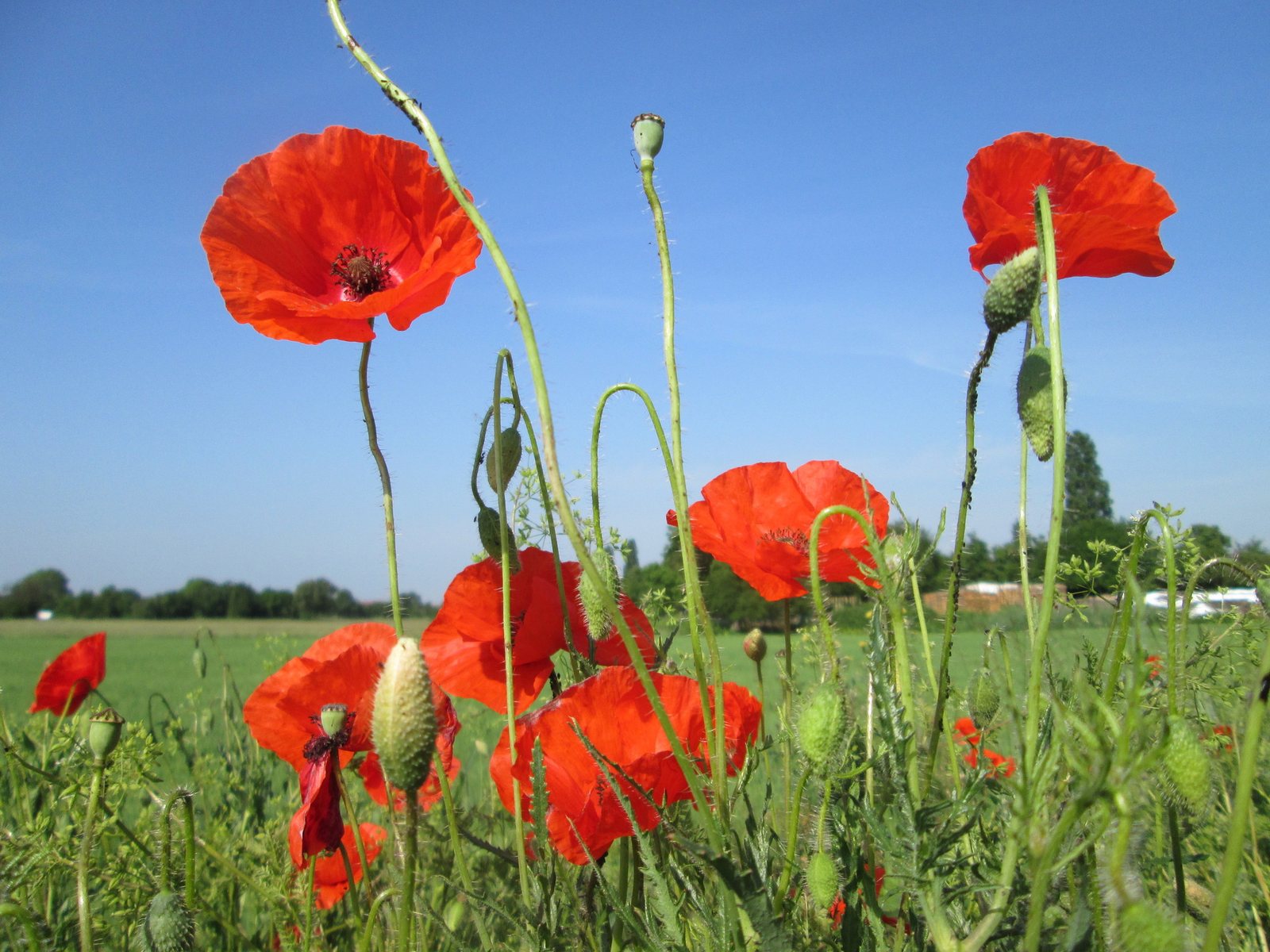
Corn poppy is grown as an annual for its delicate, usually scarlet flowers with dark centres, carried above finely divided foliage. It brings loose colour to sunny borders and annual wildflower patches, often returning from self-sown seed where the soil is disturbed.
At a glance
- Sun
- Full sun.
- Water
- Keep the seedbed lightly moist until seedlings establish; afterward, water during prolonged dry spells. Avoid persistently wet soil.
- Soil
- Well-drained soil, including chalky, sandy or moderately clay-rich ground. Poor to moderately fertile soil is preferable to heavily enriched soil.
- Height
- 1-3 ft (0.3-0.9 m)
- Spread
- 0.5-1 ft (0.15-0.3 m)
- Flowers
- Late spring to summer, sometimes continuing into early autumn with successive sowings. Usually scarlet red with dark basal markings; garden selections also come in pink, white and bicolours.
- Foliage
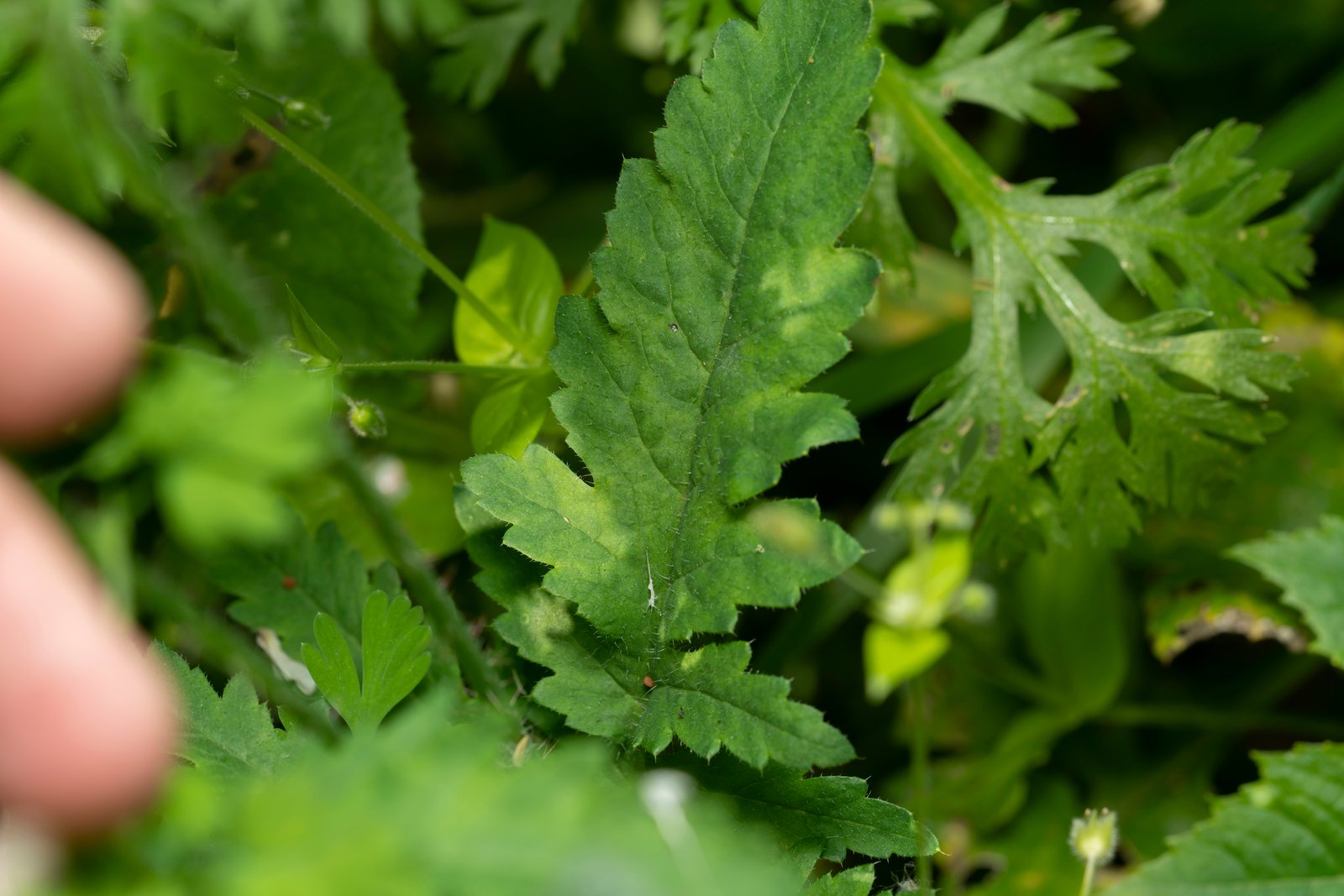
- Hairy, green, deeply divided leaves; foliage declines as the plant finishes flowering and sets seed.
- Growth
- Fast; flowers within one growing season.
- Care needed
- Low
The year at a glance
- Pollinators
- Deer resistant
- Drought tolerant
- Low allergen
| J | F | M | A | M | J | J | A | S | O | N | D | |
|---|---|---|---|---|---|---|---|---|---|---|---|---|
| Flowers | ||||||||||||
| Fruit | ||||||||||||
| Plant |
Northern hemisphere months. In Australia, shift them by six.
- Difficulty
- Easy
- Toughness
- Very tough
Will it suit your garden?
Pick your zone, country, light and whether you have pets.
Full sun is 6 or more hours of direct sun a day, part shade 3 to 6 hours, shade under 3.
How it grows
Planting day
0.5 ft (0.15 m)
After 1 year
2 ft (0.6 m)
full size
Full size in one season.
From a typical nursery size, at an average rate for this kind of plant. A rule of thumb, not a forecast.
Good to know
- Cats and dogs
- Toxic
- In the garden
- Spreads vigorously: plan to contain it.
- Growth rate
- Fast
Care
Jobs through the year
- WaterMar–May, Sep–Oct, every 14 days
- Established plants need water only in prolonged dry spells; keep newly sown seedbeds lightly moist.
- WaterJun–Aug, every 14 days
- Water established plants only during prolonged drought; avoid persistently wet soil.
- DeadheadMay–Sep, every 7 days
- Remove faded flowers for longer bloom, leaving selected capsules for seed heads or self-sowing.
- ProtectMar–May
- Protect emerging seedlings from slugs with hand-picking or suitable barriers.
- Sow directly onto finely raked, weed-free soil; press the tiny seeds onto the surface rather than burying them.
- Thin seedlings to about 6-9 in (15-23 cm) apart, avoiding disturbance to those you keep.
- Water gently while seeds germinate and seedlings establish; reduce watering once roots are growing well.
- Avoid routine feeding or rich manure, which encourages floppy growth and fewer flowers.
- Keep thick mulch away from areas where you want seedlings to emerge.
Pruning. Remove faded flowers regularly to extend flowering and limit self-seeding. Leave a few capsules to ripen if you want seed, then pull up the plants once they have browned.
Through the year
- Late winter
- Prepare a sunny, weed-free seedbed as soon as the ground is workable.
- Spring
- Sow directly outdoors and keep the surface lightly moist until seedlings appear.
- Mid-spring
- Thin crowded seedlings and remove competing weeds by hand.
- Late spring
- Make another small sowing if your summers are not extremely hot and dry.
- Summer
- Deadhead for continued flowering, or retain selected capsules for seed.
- Late summer
- Collect dry seed capsules before they scatter, then remove spent plants.
- Autumn
- In areas with mild winters, sow outdoors for earlier flowers the following spring.
In the garden
- Scatter through a sunny cottage border for light, informal colour between longer-lived plants.
- Combine with cornflowers and corn marigolds in an annual wildflower patch on cultivated soil.
- Sow in gaps among ornamental grasses for scarlet flowers above fine foliage.
- Use along a sunny potager edge to draw pollen-collecting insects close to vegetable beds.
Garden styles it suits: Cottage garden, English country, Wildflower, Pollinator garden, Potager (kitchen garden) and Romantic rose garden.
Plant it with: Cornflower, Corn marigold, Love-in-a-mist, Larkspur, Pot marigold and Quaking grass.
Wildlife: Flowers provide pollen for bees and some other insects, but little or no nectar. Best used as part of a varied planting with nectar-rich flowers as well.
Problems to watch for
- Poor germination: seeds buried too deeply or covered with mulch may fail; surface-sow onto bare soil and keep lightly moist.
- Slugs and snails: protect young seedlings with hand-picking, barriers or locally approved wildlife-conscious controls.
- Aphids: wash small colonies off with water and encourage ladybirds and other predators.
- Downy mildew: remove badly affected plants, thin crowded growth and avoid wetting foliage when watering.
Safety
Treat the plant as potentially poisonous to people, cats, dogs and horses, particularly the green parts, milky sap and unripe seed capsules. Its alkaloids can cause digestive upset, drowsiness and potentially serious poisoning if enough is eaten. Do not allow grazing animals access; seek medical or veterinary advice after ingestion.
Where it spreads. Self-seeds freely on disturbed ground and can become a persistent garden weed. It is also an agricultural weed in southern Australia, including Western Australia, South Australia, Victoria and New South Wales; check local weed guidance before sowing.
Easily confused with
Long-headed poppy (Papaver dubium)
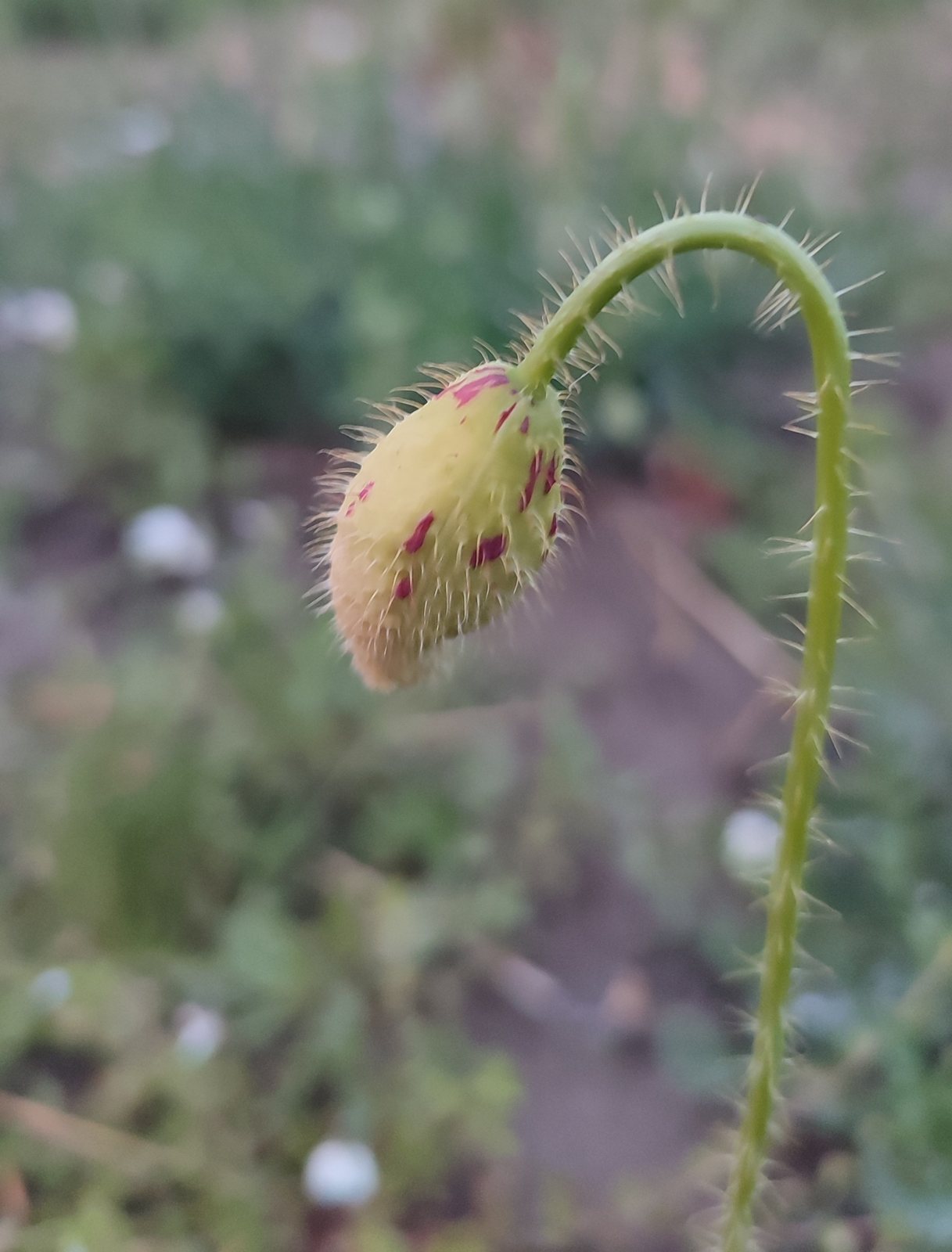
Usually has smaller, paler red flowers and long, narrow seed capsules; corn poppy has short, broad capsules.
Opium poppy (Papaver somniferum)
Has broad, waxy blue-green leaves that clasp the stem and much larger, rounded seed capsules; corn poppy has hairy, deeply divided green leaves.
Oriental poppy (Papaver orientale)
A perennial with a substantial basal clump, coarser hairy leaves and much larger flowers; corn poppy is a slender annual.
The name
The name corn poppy refers to its long association with cereal fields, using 'corn' in the British sense of grain.
Propagation. Grow from seed sown directly outdoors in spring, or in autumn where winters allow seedlings to survive. Seeds need light, so leave them on the surface. Plants resent transplanting, and self-sown seedlings are usually the easiest way to maintain a patch.
Checked against open data
- Accepted botanical name
- Papaver rhoeas
- In the US and Canada
- Introduced in Alaska, Canada and the lower 48 states.
- Native range
- Afghanistan, Albania, Algeria, Austria, Azores, Baleares, Baltic States, Belarus, Belgium, Bulgaria, Canary Is. and Cape Verde.
- Measured
- Soil pH 7 to 7.5. Average height 48 cm.
Sources: GBIF (CC BY 4.0), USDA PLANTS and Trefle (CC BY 4.0). The care and design notes are LandscapeGPT's own.
See it in your own yard.
Upload a photo of your yard and see it redesigned with plants that suit your climate, each checked against your zone.