Downy birch
Betula pubescens. Family Betulaceae. Tree.
Also called White birch, European white birch, Hairy birch.
Downy birch is a deciduous tree native to Europe and northern Asia, grown for its pale bark, light canopy and yellow autumn leaves. It suits cool gardens with moist ground, including sites too wet for many other trees, but struggles with prolonged heat and drought.
At a glance
- Sun
- Full sun; tolerates light partial shade.
- Water
- Moderate to high; keep the root zone consistently moist, especially during establishment and dry weather.
- Soil
- Best in moist, acidic to neutral soil; tolerates clay, peaty ground and seasonal waterlogging. Avoid dry, shallow or strongly alkaline soils.
- Height
- 40-65 ft (12-20 m)
- Spread
- 20-35 ft (6-11 m)
- Flowers
- Spring: hanging yellow-brown male catkins and smaller, upright green female catkins, appearing around leaf emergence.
- Foliage
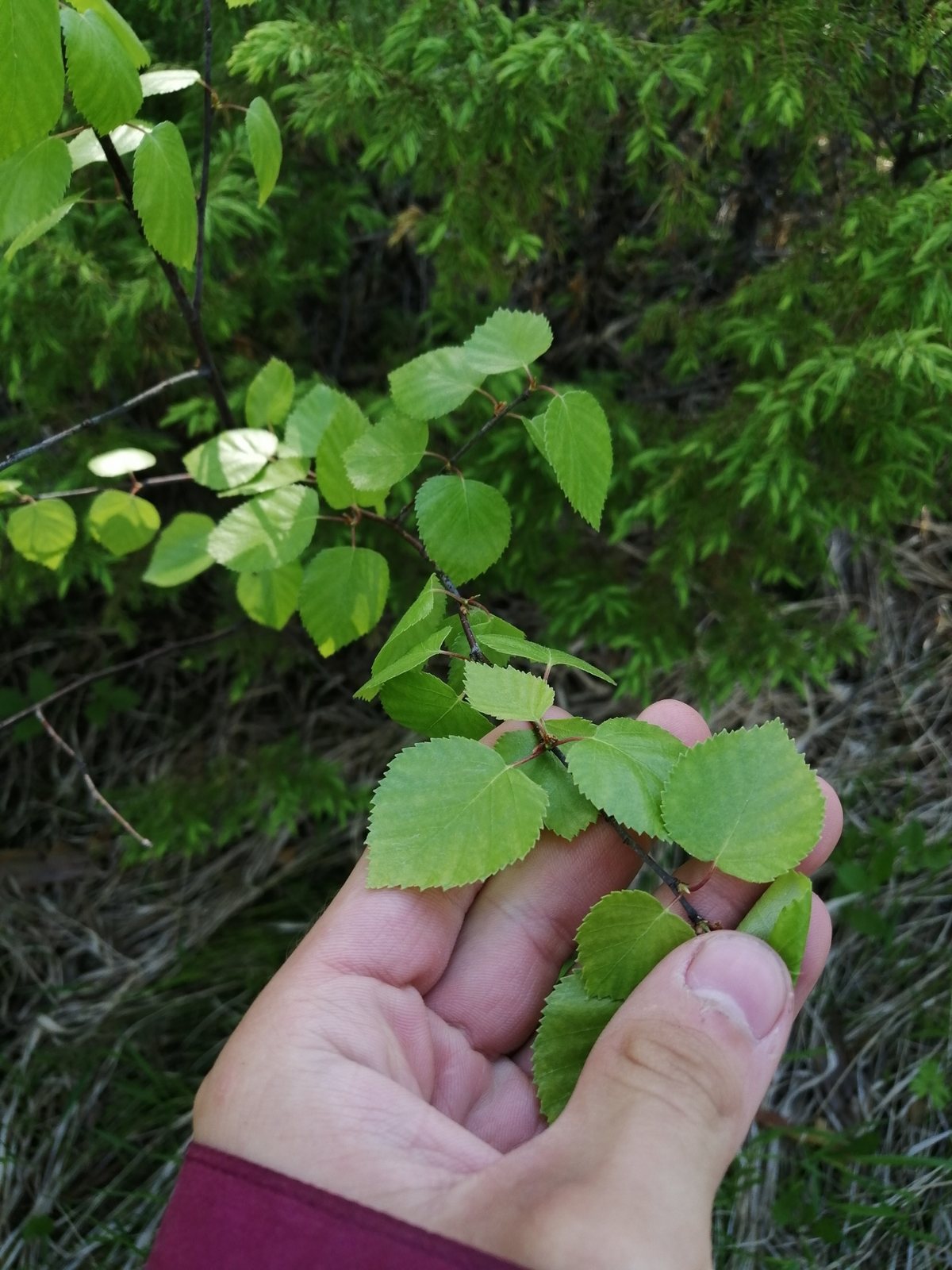
- Green, toothed, oval to diamond-shaped leaves, often hairy beneath, turning yellow in autumn. Young shoots are softly hairy.
- Growth
- Moderate to fast where moisture is reliable.
- Care needed
- Low
The year at a glance
- Cold hardy
- Wildlife
| J | F | M | A | M | J | J | A | S | O | N | D | |
|---|---|---|---|---|---|---|---|---|---|---|---|---|
| Flowers | ||||||||||||
| Fruit | ||||||||||||
| Plant |
Northern hemisphere months. In Australia, shift them by six.
- Difficulty
- Easy
- Toughness
- Fairly tough
Will it suit your garden?
Pick your zone, country, light and whether you have pets.
Full sun is 6 or more hours of direct sun a day, part shade 3 to 6 hours, shade under 3.
How it grows
Planting day
7 ft (2 m)
After 1 year
9 ft (2.9 m)
After 2 years
12 ft (3.8 m)
After 3 years
15 ft (4.6 m)
After 5 years
21 ft (6.4 m)
About 16 years to full size.
From a typical nursery size, at an average rate for this kind of plant. A rule of thumb, not a forecast.
Good to know
- Cats and dogs
- Safe
- Native to
- Canada and the UK
- Growth rate
- Fast
Care
Jobs through the year
- WaterApr–May, Sep–Oct, every 14 days
- Water established trees when rainfall fails to keep soil moist; young trees need more frequent watering.
- WaterJun–Aug, every 7 days
- Soak the root zone during dry weather; avoid letting the shallow roots dry out.
- MulchMar–Apr
- Maintain 5–8 cm of organic mulch without covering the trunk or disturbing shallow roots.
- PruneAug–Sep
- Remove damaged or crossing branches sparingly; avoid spring pruning and never top.
- ProtectFeb–Mar
- Check stakes and ties for rubbing or constriction; remove supports once firmly rooted.
- Water deeply during dry spells for the first two or three growing seasons.
- Apply a 2-3 in (5-8 cm) layer of organic mulch over the root zone, keeping it clear of the trunk.
- Keep grass away from the trunk and avoid digging around the shallow roots.
- Do not feed routinely; use fertiliser only if a soil test identifies a deficiency.
- Stake only if the root ball moves in wind, and remove supports once the tree is firmly rooted.
Pruning. Prune sparingly in late summer, removing dead, damaged or crossing branches and retaining a natural crown. Avoid late-winter and spring pruning because birches bleed sap heavily, and never top the tree.
Through the year
- Autumn
- Plant while the soil is moist and workable; allow enough space for the mature crown.
- Late winter
- Check ties and stakes for rubbing or constriction.
- Spring
- Renew mulch without covering the trunk base.
- Summer
- Water young trees deeply during dry weather and check for premature yellowing or crown dieback.
- Late summer
- Remove damaged or crossing branches only where necessary.
- Late autumn
- Collect fallen leaves for leaf mould and check that the trunk base remains uncovered.
In the garden
- Use as a light-canopied specimen in a cool, moist lawn or woodland-edge garden.
- Plant a loose group in a large garden to repeat pale trunks and soften the skyline.
- Place beside a pond or damp meadow, above any permanently submerged ground.
- Underplant with moisture-loving ferns, sedges and woodland flowers for a layered planting.
Garden styles it suits: Woodland, Wildlife garden, Bog garden, Scandinavian, Autumn colour and Winter interest.
Plant it with: Male fern, Lady fern, Tufted hair grass, Wood anemone, Primrose and Purple moor grass.
Wildlife: Leaves support numerous moth caterpillars and other insects, while small birds eat the seeds. The canopy provides nesting and shelter, and older trees can develop useful cavities.
Problems to watch for
- Drought and heat stress cause scorched leaves and early leaf fall: mulch, water deeply and avoid planting in hot, dry sites.
- Bronze birch borer can cause crown dieback in North America: keep trees unstressed and seek an arborist's advice promptly if upper branches die or D-shaped exit holes appear.
- Birch leafminers cause brown blotches within leaves: established trees usually tolerate damage; avoid unnecessary spraying and support natural predators.
- Strongly alkaline soil can cause yellow leaves with greener veins: test the soil and favour a more suitable planting site rather than repeated corrective treatments.
Safety
Not known to be toxic to people, cats, dogs or horses through ordinary garden contact or incidental ingestion. Birch pollen can cause significant hay fever, and people allergic to birch pollen may also react to certain raw fruits and nuts.
Easily confused with
Silver birch (Betula pendula)
Silver birch usually has hairless, warty young shoots, more triangular leaves and drooping outer branchlets. Downy birch has softly hairy young shoots and generally rounder leaf bases;
Paper birch (Betula papyrifera)
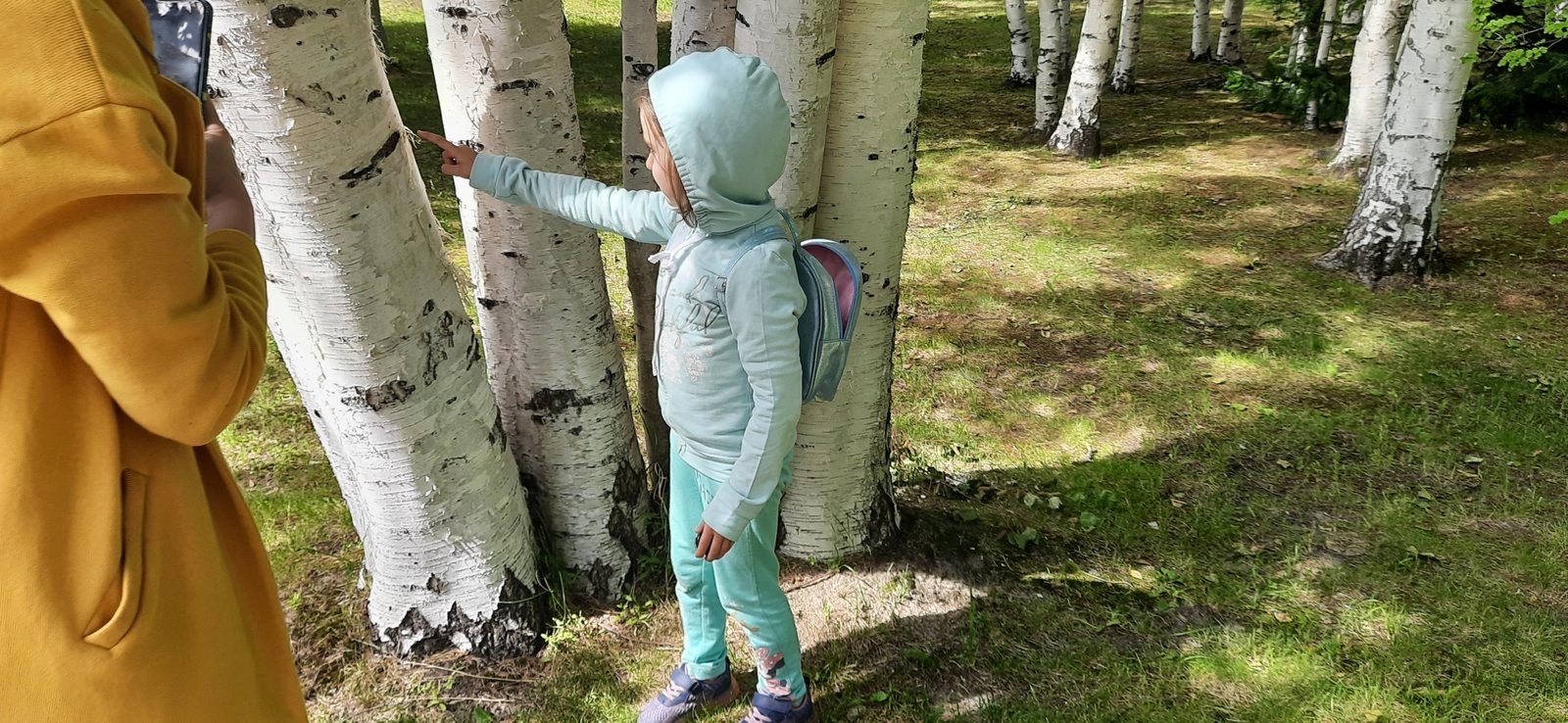
Paper birch usually has larger leaves and bark that peels conspicuously in broad, papery sheets. Downy birch generally has smaller leaves and less strongly peeling bark.
Grey birch (Betula populifolia)
Grey birch has triangular leaves with long, drawn-out tips and usually hairless young shoots. Downy birch has shorter-tipped, more oval leaves and hairy young shoots.
The name
Betula is the Latin name for birch, and pubescens means softly hairy, referring to the young shoots and leaves.
Propagation. Grow from seed collected when the catkins ripen and begin to break apart. Sow thinly on the surface of moist seed compost in autumn in a sheltered outdoor seedbed or cold frame; do not bury deeply.
Checked against open data
- Accepted botanical name
- Betula pubescens
- In the US and Canada
- Native in Greenland. Introduced in Canada and the lower 48 states.
- Native range
- Altay, Austria, Baltic States, Belarus, Belgium, Buryatiya, Central European Rus, Czechoslovakia, Denmark, East European Russia, Finland and France.
- Measured
- Average height 1320 cm.
Sources: GBIF (CC BY 4.0), USDA PLANTS and Trefle (CC BY 4.0). The care and design notes are LandscapeGPT's own.
See it in your own yard.
Upload a photo of your yard and see it redesigned with plants that suit your climate, each checked against your zone.