Greater knapweed
Centaurea scabiosa. Family Asteraceae. Perennial.
Also called Great knapweed.
Greater knapweed is an upright, clump-forming perennial with deeply divided leaves and large, shaggy purple flower heads. Gardeners grow it for its long summer flowering, value to pollinators and ability to thrive in sunny, well-drained ground.
At a glance
- Sun
- Full sun.
- Water
- Water regularly while establishing; established plants tolerate dry spells. Avoid persistently wet soil.
- Soil
- Well-drained soil, preferably neutral to alkaline; particularly suitable for chalk, limestone and relatively lean ground.
- Height
- 2-4 ft (0.6-1.2 m)
- Spread
- 1-2 ft (0.3-0.6 m)
- Flowers
- Summer into early autumn; reddish-purple to purple flower heads with long, fringed outer florets.
- Foliage
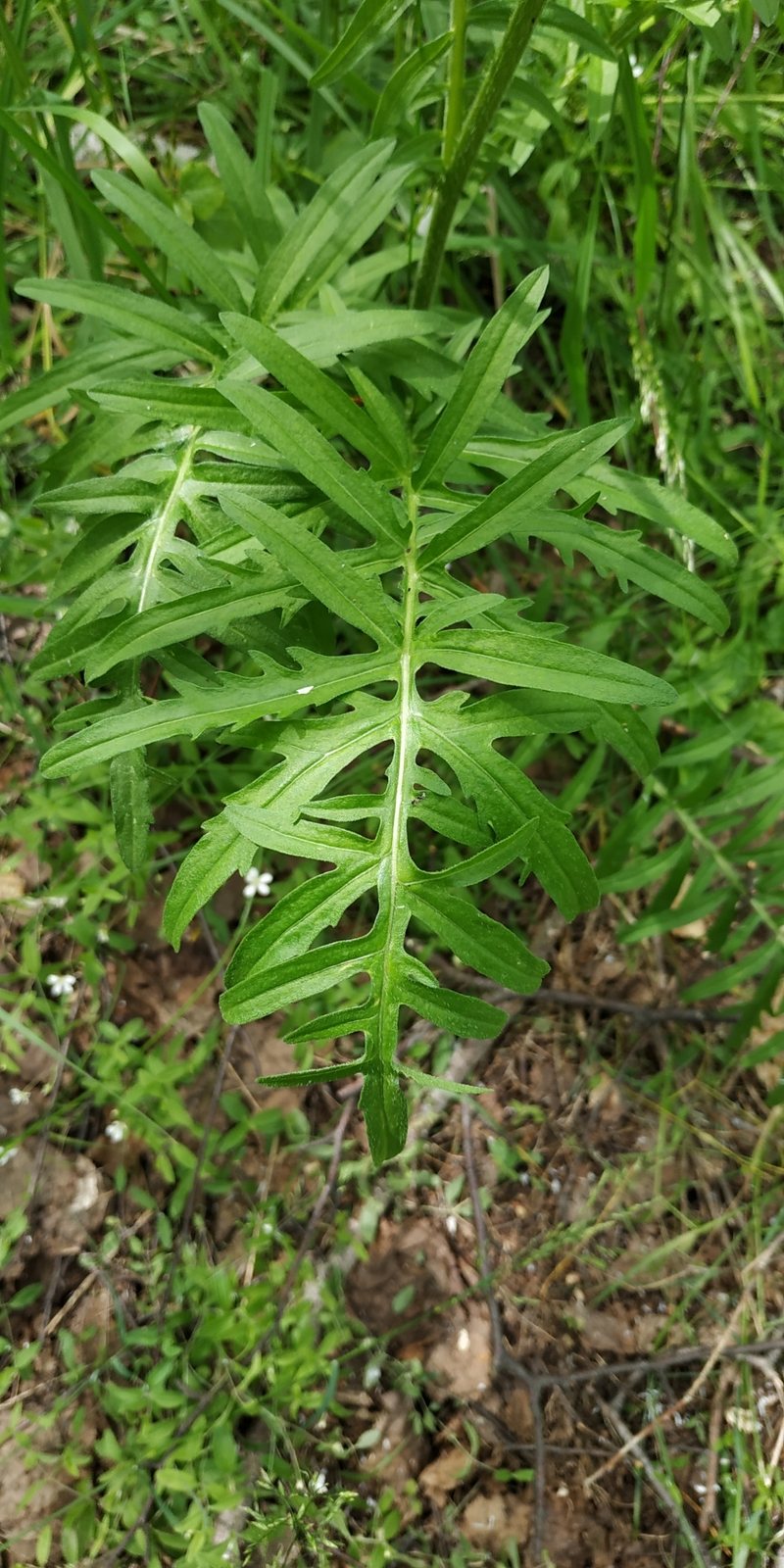
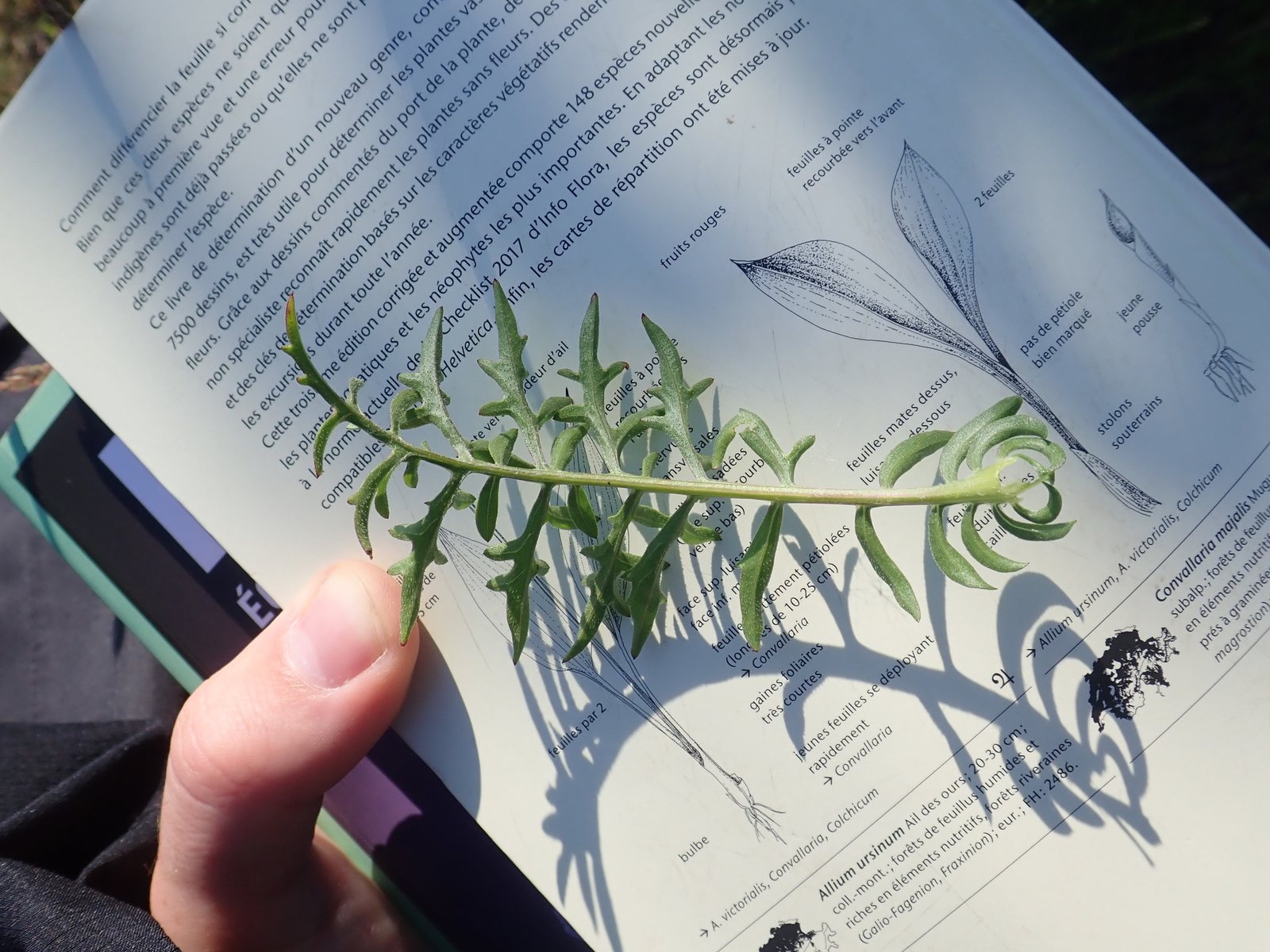
- Green to grey-green, slightly hairy leaves; lower leaves are deeply divided into narrow lobes.
- Growth
- Moderate
- Care needed
- Low
The year at a glance
- Pollinators
- Deer resistant
- Drought tolerant
- Cold hardy
- Wildlife
- Low allergen
| J | F | M | A | M | J | J | A | S | O | N | D | |
|---|---|---|---|---|---|---|---|---|---|---|---|---|
| Flowers | ||||||||||||
| Fruit | ||||||||||||
| Plant |
Northern hemisphere months. In Australia, shift them by six.
- Difficulty
- Easy
- Toughness
- Very tough
Will it suit your garden?
Pick your zone, country, light and whether you have pets.
Full sun is 6 or more hours of direct sun a day, part shade 3 to 6 hours, shade under 3.
How it grows
Planting day
1 ft (0.3 m)
After 1 year
1.6 ft (0.5 m)
After 2 years
2.3 ft (0.7 m)
After 3 years
3 ft (0.9 m)
full size
About 3 years to full size.
From a typical nursery size, at an average rate for this kind of plant. A rule of thumb, not a forecast.
Good to know
- Cats and dogs
- Safe
- Native to
- the UK
- In the garden
- Spreads vigorously: plan to contain it.
- Growth rate
- Moderate
Care
Jobs through the year
- WaterApr–May, Sep, every 28 days
- Water established plants only in prolonged dry weather; water first-year plants more often.
- WaterJun–Aug, every 21 days
- Water established plants deeply during prolonged drought, allowing soil to dry between soakings.
- PruneFeb–Mar
- Cut last year's dead stems to the base before new growth develops.
- PruneApr–May, Sep–Oct
- Remove unwanted seedlings before their roots become difficult to lift.
- ProtectMay
- Add twiggy supports where fertile soil or exposure makes stems likely to lean.
- DeadheadJun–Sep, every 7 days
- Remove faded heads for more flowers; leave selected late heads for finches.
- ProtectOct–Nov
- Keep the crown clear of wet debris and maintain free drainage.
- Water during dry spells in the first growing season; reduce watering once roots are established.
- Avoid rich feeding, which encourages soft stems that can flop.
- Keep the crown out of wet mulch and improve drainage before planting in heavy soil.
- Use discreet twiggy supports early in the season if plants lean in exposed sites.
- Remove unwanted seedlings while small; established plants develop roots that are harder to lift.
Pruning. Remove faded flower heads through summer to limit self-seeding and encourage further flowers. Cut dead stems to the base in late winter, or leave some seed heads standing for birds before cutting.
Through the year
- Late winter
- Cut down last year's dead stems before new growth develops.
- Spring
- Plant into sunny, well-drained ground and water thoroughly.
- Late spring
- Thin unwanted seedlings and add supports where stems are likely to lean.
- Summer
- Deadhead regularly unless you want seed heads or seedlings.
- Early autumn
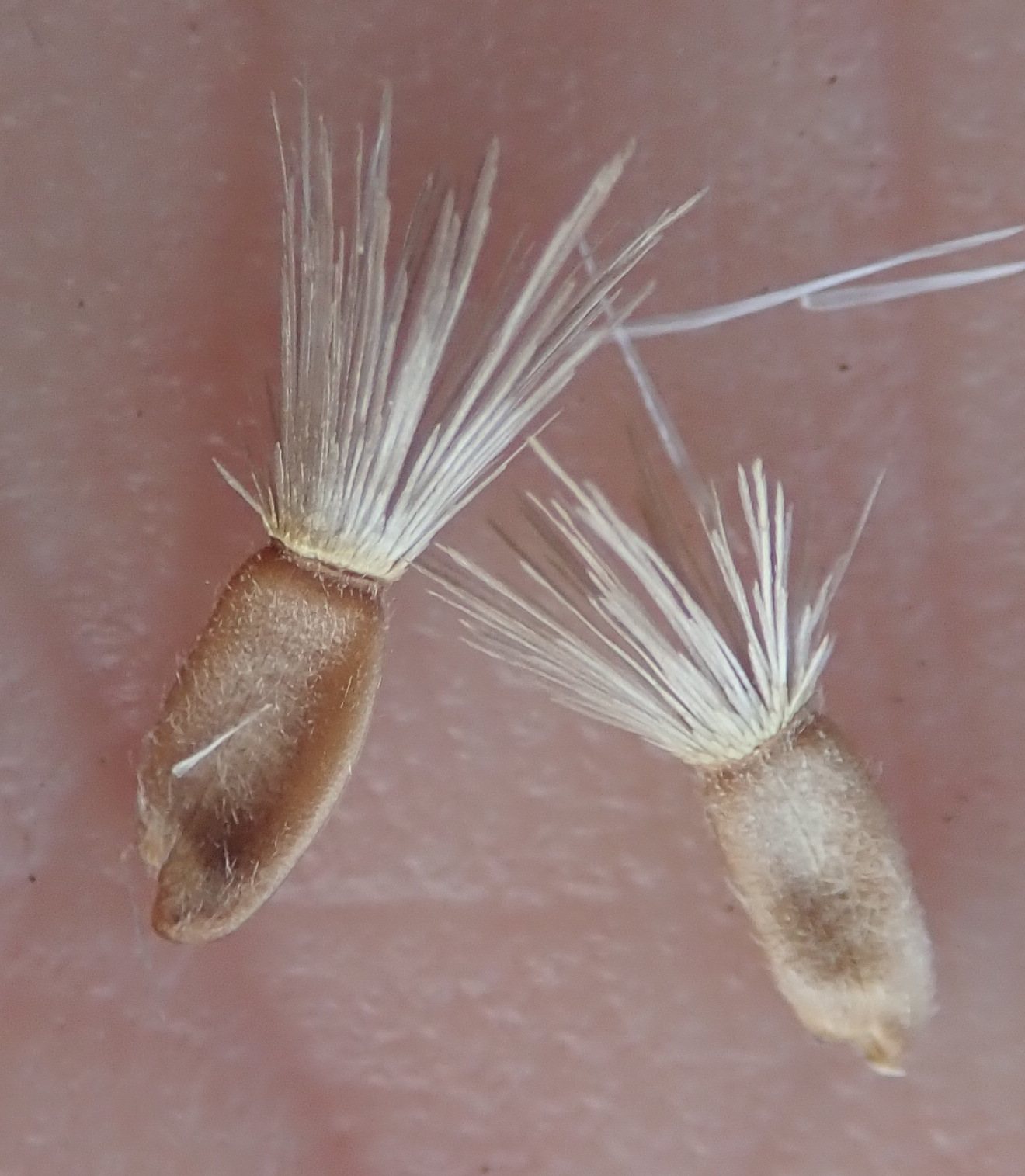
- Collect ripe seed from dry, brown flower heads, or sow it directly into prepared ground.
- Autumn
- Remove excess seedlings and leave selected seed-bearing stems for wildlife.
In the garden
- Plant in sunny wildflower meadows with grasses and oxeye daisies, within its native range.
- Thread through cottage borders with yarrow and field scabious for an informal summer display.
- Use in gravel gardens where its purple flowers contrast with silver foliage.
- Plant in small groups through naturalistic perennial borders to provide flowers for bees and butterflies.
Garden styles it suits: Cottage garden, Wildflower, Pollinator garden, New perennial (prairie), Dry gravel garden and Low-maintenance.
Plant it with: Oxeye daisy, Field scabious, Yarrow, Wild marjoram, Lady's bedstraw and Quaking grass.
Wildlife: The open flower heads provide nectar and pollen for bees, butterflies and other insects. Finches may feed on ripe seeds if flower heads are left standing.
Problems to watch for
- Flopping stems: grow in full sun, avoid fertiliser and provide early support on fertile ground.
- Crown or root rot in wet soil: improve drainage or move plants to a raised, freely draining position.
- Powdery mildew: allow air movement, avoid crowding and water the soil rather than the foliage.
- Unwanted self-seeding: remove flower heads before seeds ripen and pull seedlings promptly.
Safety
Greater knapweed is not known to be toxic to people, cats, dogs or horses, and no part is recognised as poisonous. Species-specific safety information is limited, so do not treat it as food or livestock forage.
Where it spreads. Can self-seed freely in open, dry ground. It is introduced in parts of the United States and Canada, but should not be confused with the more widely regulated spotted, diffuse and meadow knapweeds; check local guidance before planting near natural grassland.
Easily confused with
Common knapweed (Centaurea nigra)
Usually has smaller, more compact flower heads and mostly undivided leaves; greater knapweed has deeply divided lower leaves and conspicuously enlarged, ragged outer florets.
Field scabious (Knautia arvensis)
Has flatter, pincushion-like lilac flower heads without the overlapping, dark-fringed bracts that form a cup beneath greater knapweed's flowers.
Spotted knapweed (Centaurea stoebe)
Usually carries many smaller, paler pink-purple heads on more finely branched stems. Greater knapweed has much larger heads with broad, dark-fringed bracts.
The name
Centaurea refers to the centaur of Greek mythology, while scabiosa refers to the flower heads' resemblance to scabious.
Propagation. Sow seed outdoors in autumn or spring in a prepared seedbed or pots of well-drained compost. Move seedlings while young; the substantial root system makes older plants less convenient to divide or transplant.
Checked against open data
- Accepted botanical name
- Centaurea scabiosa
- In the US and Canada
- Introduced in Canada and the lower 48 states.
- Native range
- Albania, Altay, Austria, Baltic States, Belarus, Belgium, Bulgaria, Central European Rus, Czechoslovakia, Denmark, East European Russia and Finland.
- Measured
- Soil pH 7.5 to 8. Average height 45 cm.
Sources: GBIF (CC BY 4.0), USDA PLANTS and Trefle (CC BY 4.0). The care and design notes are LandscapeGPT's own.
See it in your own yard.
Upload a photo of your yard and see it redesigned with plants that suit your climate, each checked against your zone.