Mâche (lamb's lettuce)
Valerianella locusta. Family Caprifoliaceae. Annual.
Also called Lamb's lettuce, Corn salad, Field salad, Rapunzel.
Mâche is grown as an annual salad crop for its small rosettes of tender leaves with a mild, nutty flavour. It thrives in cool weather and supplies autumn, winter and early spring salads where the ground is workable; severe winters require a cold frame or other protection.
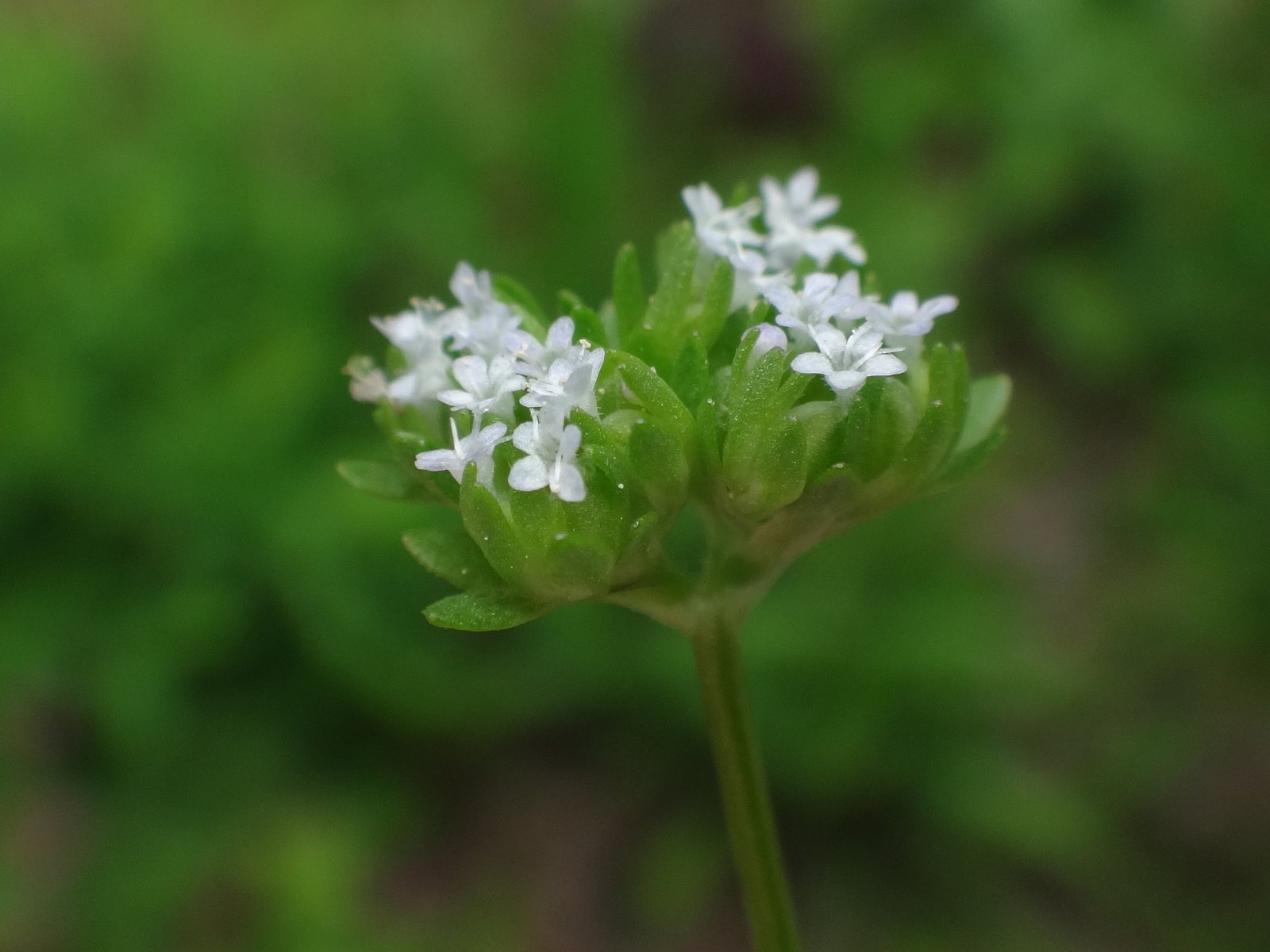
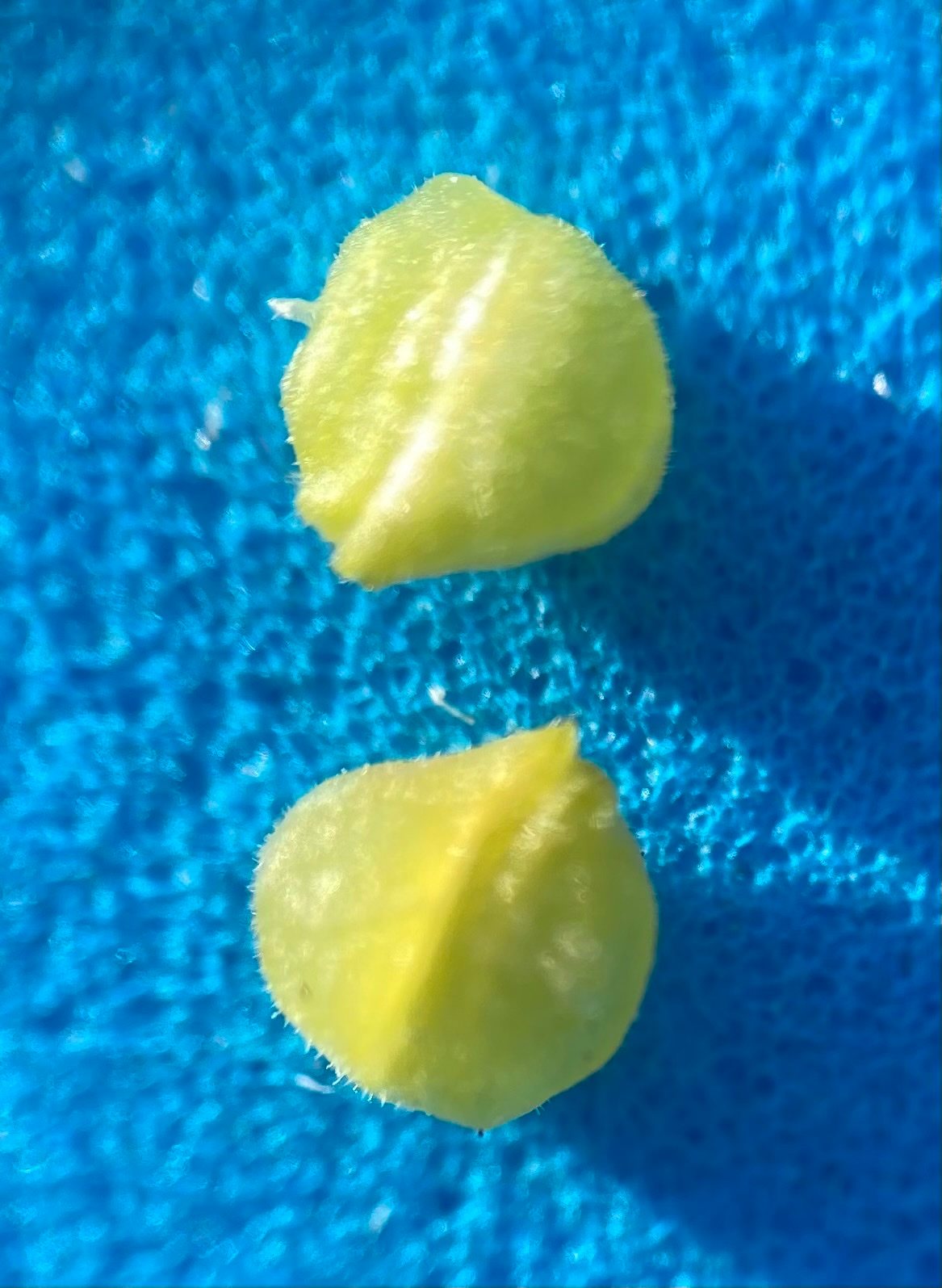
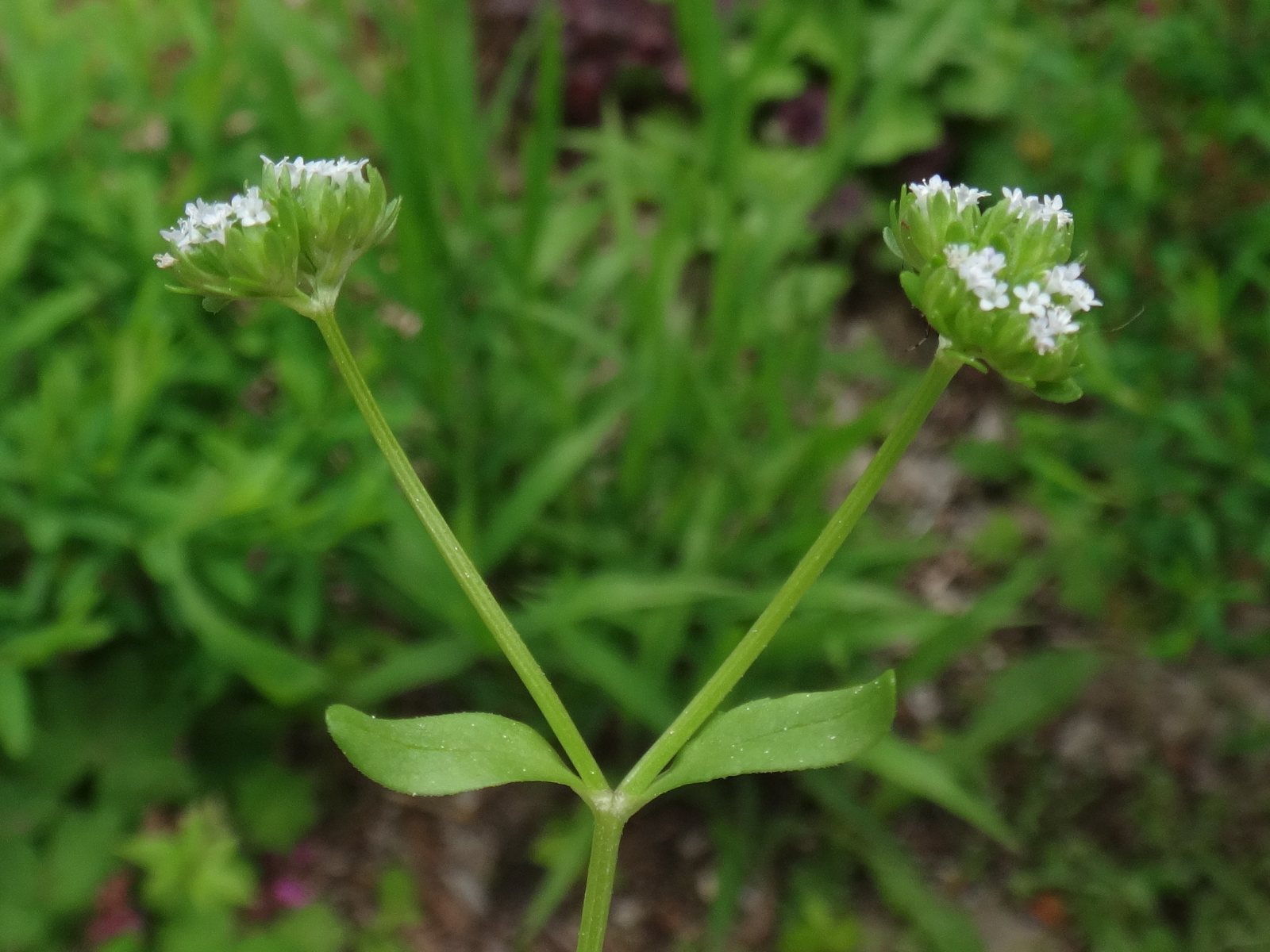
At a glance
- Sun
- Full sun in cool weather; light afternoon shade in warmer conditions.
- Water
- Keep the seedbed consistently moist until germination, then water when the soil surface begins to dry. Avoid waterlogged ground.
- Soil
- Moisture-retentive, well-drained soil enriched with mature compost; tolerates clay if drainage is adequate.
- Height
- 0.25-0.5 ft (0.08-0.15 m) in leaf; flowering stems can reach 1.5 ft (0.45 m)
- Spread
- 0.25-0.5 ft (0.08-0.15 m)
- Foliage
- Soft, spoon-shaped green leaves in low, compact rosettes; leaves remain green through mild winters.
- Growth
- Moderate in cool weather; very slow during winter.
- Care needed
- Low
The year at a glance
- Low allergen
- Edible
| J | F | M | A | M | J | J | A | S | O | N | D | |
|---|---|---|---|---|---|---|---|---|---|---|---|---|
| Fruit | ||||||||||||
| Plant |
Northern hemisphere months. In Australia, shift them by six.
- Difficulty
- Easy
- Toughness
- Fairly tough
Will it suit your garden?
Pick your zone, country, light and whether you have pets.
Full sun is 6 or more hours of direct sun a day, part shade 3 to 6 hours, shade under 3.
How it grows
Planting day
0.4 ft (0.12 m)
full size
Full size in one season.
From a typical nursery size, at an average rate for this kind of plant. A rule of thumb, not a forecast.
Good to know
- Cats and dogs
- Safe
- Growth rate
- Slow
Care
Jobs through the year
- WaterMar–May, Aug–Sep, every 7 days
- Water established rosettes when the surface starts drying; keep newly sown seedbeds consistently moist.
- WaterJan–Feb, Oct–Dec, every 14 days
- Water only if soil is drying and unfrozen; covered beds may need more attention.
- HarvestJan–May, Oct–Dec, every 7 days
- Pick filled rosettes or outer leaves before flowering; let frozen leaves thaw before picking.
- ProtectJan–Feb, Nov–Dec
- Use a ventilated cold frame or low tunnel during severe cold; open on mild days.
- Sow directly into firm, finely prepared soil, covering seed with about 0.25 in (6 mm) of soil.
- Sow when soil is cool; germination is unreliable in hot soil, especially above about 68°F (20°C).
- Thin seedlings to 3-4 in (8-10 cm) apart so rosettes have room to develop.
- Keep seedlings evenly moist and remove weeds by hand before they crowd the low leaves.
- Work compost into the bed before sowing; avoid heavy nitrogen feeding.
- Use a ventilated cold frame or low tunnel for cleaner leaves and protection from severe cold.
Pruning. No routine pruning is needed. Remove yellowing leaves and pull up plants when they bolt, unless you want to save seed.
Harvest
Pick when rosettes are well filled, usually 6-10 weeks after sowing in suitable weather; winter sowings take longer. Take a few outer leaves or cut whole rosettes just above soil level, then wash thoroughly to remove grit. Harvest before flowering for the best texture and flavour.
Through the year
- Early spring
- Sow a small outdoor batch as soon as the ground is workable and no longer waterlogged.
- Late spring
- Harvest remaining rosettes before flowering; leave a few plants only if you want seed.
- Late summer
- Prepare a weed-free bed and begin sowing once soil temperatures fall.
- Autumn
- Thin seedlings, keep beds moist and harvest established rosettes.
- Winter
- Ventilate protective covers on mild days and pick leaves only after they have thawed.
In the garden
- Edge kitchen-garden beds with neat rows of low green rosettes.
- Fill spaces left by harvested summer vegetables for a productive cool-season bed.
- Grow in shallow containers near the kitchen for easy salad picking.
- Combine with winter lettuce and spinach in a potager for contrasting leaf shapes.
Garden styles it suits: Potager (kitchen garden), Edible landscape, Cottage garden, Homestead, Small-space and Family-friendly.
Plant it with: Spinach, Winter lettuce, Radish, Carrot, Kale and Garlic.
Wildlife: If allowed to flower, its tiny pale blue-white flowers attract small visiting insects. Harvested salad beds offer little floral food.
Problems to watch for
- Slugs and snails chew young leaves: remove hiding places, hand-pick after dark and use labelled iron-phosphate bait if needed.
- Poor germination in warm soil: delay sowing until conditions cool and keep the seedbed moist.
- Rot or grey mould in crowded, wet plants: thin seedlings, improve drainage and ventilate covers.
- Bolting as days lengthen and temperatures rise: harvest promptly and grow mainly in the cooler seasons.
Safety
Not known to be toxic to people, cats, dogs or horses. The leaves are eaten raw or cooked; wash them thoroughly and use only positively identified plants.
Easily confused with
Miner's lettuce (Claytonia perfoliata)
Its flowering stems pass through rounded, disc-like leaves. Mâche has spoon-shaped basal leaves and branched flowering stems without these discs.
Spinach (Spinacia oleracea)
Spinach usually develops larger leaves with longer stalks, often with triangular or arrow-shaped bases. Mâche forms small, tightly grouped rosettes of rounded, spoon-shaped leaves.
The name
The name corn salad comes from its former habit of growing as a weed in cereal fields, where 'corn' meant grain.
Propagation. Grow from seed sown directly where it will crop. For seed saving, let a few healthy plants flower and collect the small dry fruits before they fall; plants may also self-sow.
Checked against open data
- Accepted botanical name
- Valerianella locusta
- In the US and Canada
- Introduced in the lower 48 states.
Sources: GBIF (CC BY 4.0) and USDA PLANTS. The care and design notes are LandscapeGPT's own.
See it in your own yard.
Upload a photo of your yard and see it redesigned with plants that suit your climate, each checked against your zone.