Pinyon pine
Pinus edulis. Family Pinaceae. Tree.
Also called Piñon pine, Colorado pinyon, Two-needle pinyon.
A slow-growing evergreen pine from the southwestern United States, valued for its rounded, irregular crown, drought tolerance and edible pine nuts. It suits sunny, dry gardens with excellent drainage, but performs poorly in humid climates or persistently wet soil. Nut production is slow to begin and too irregular to promise an annual harvest.
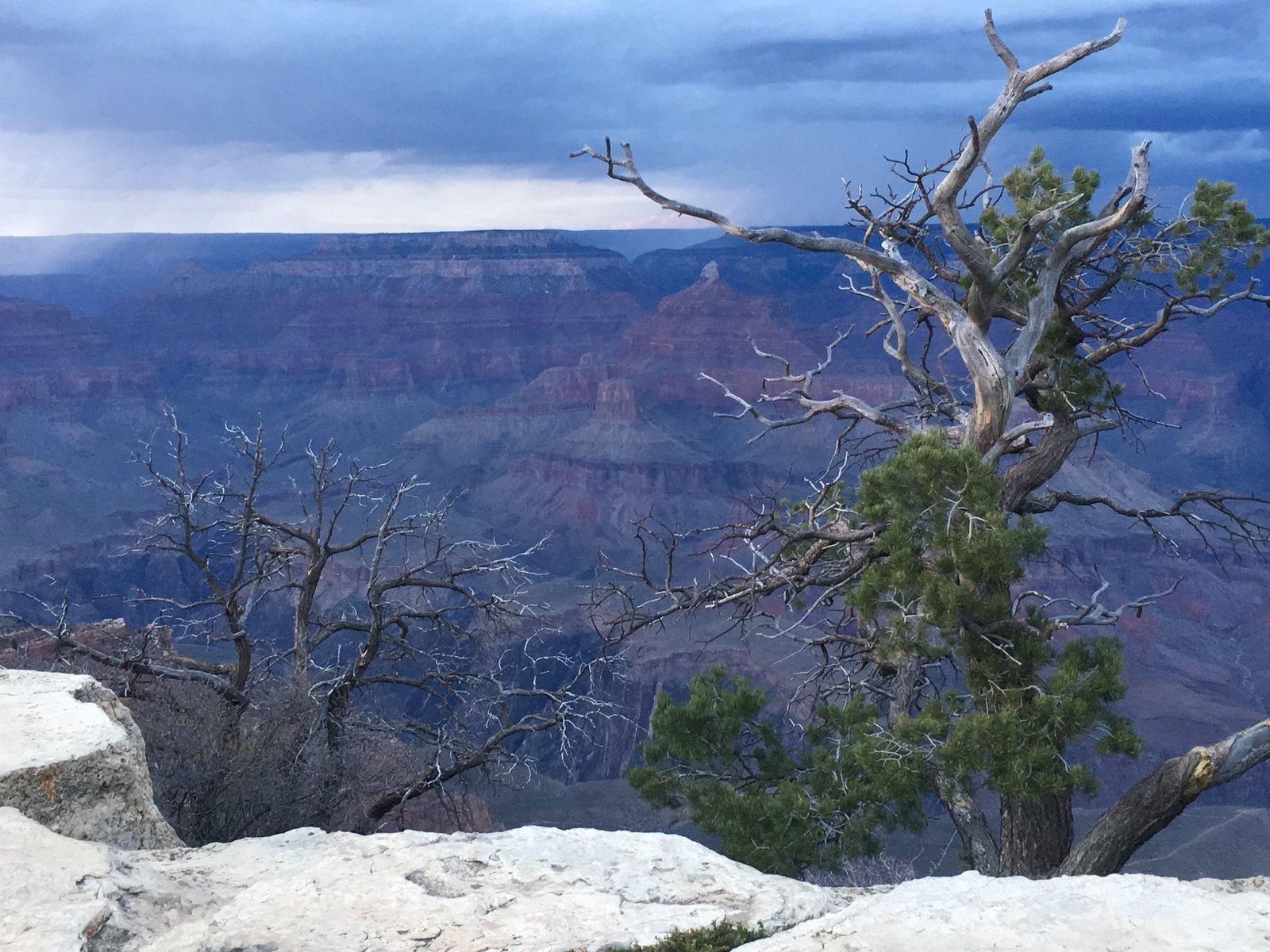
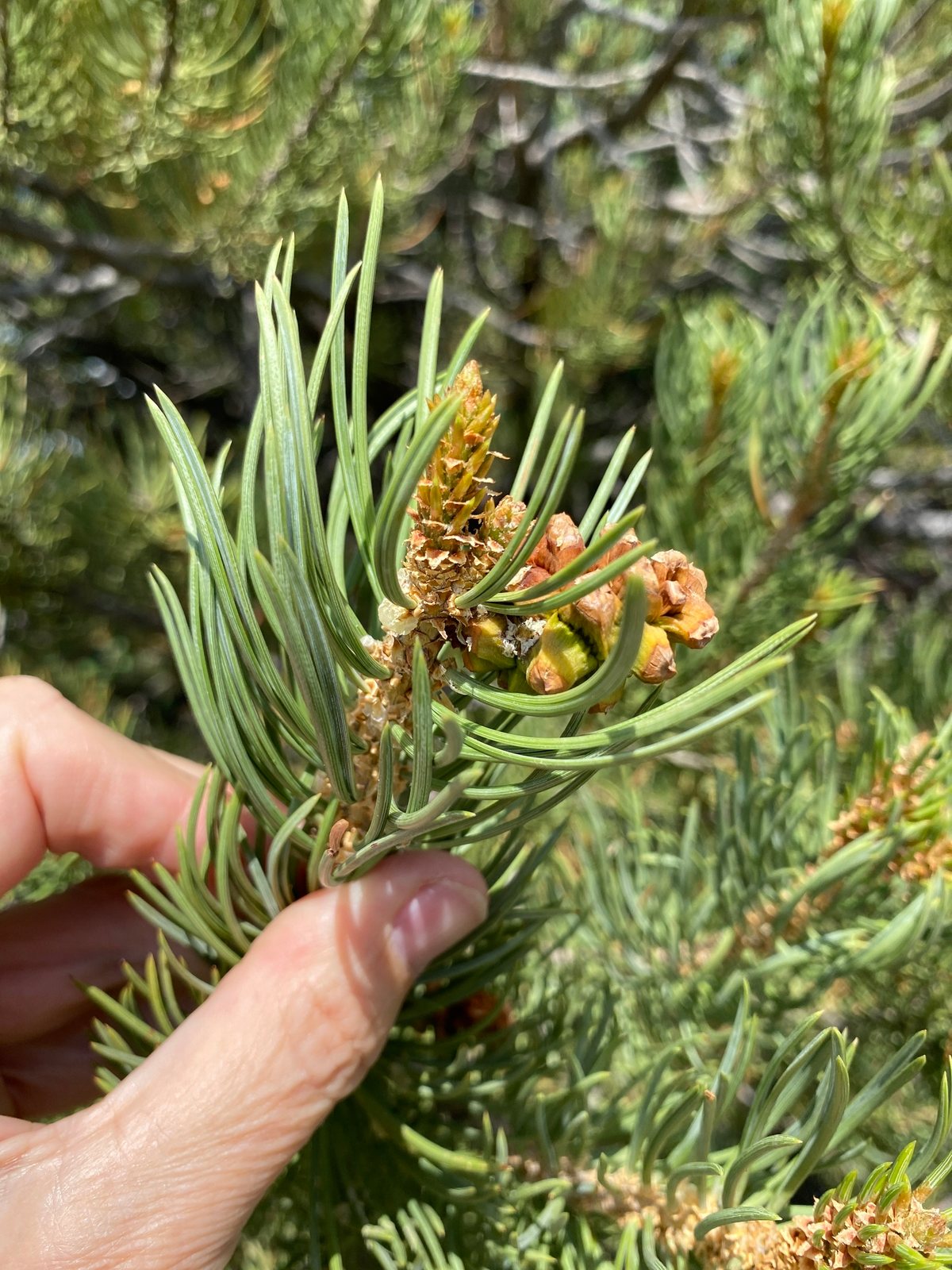
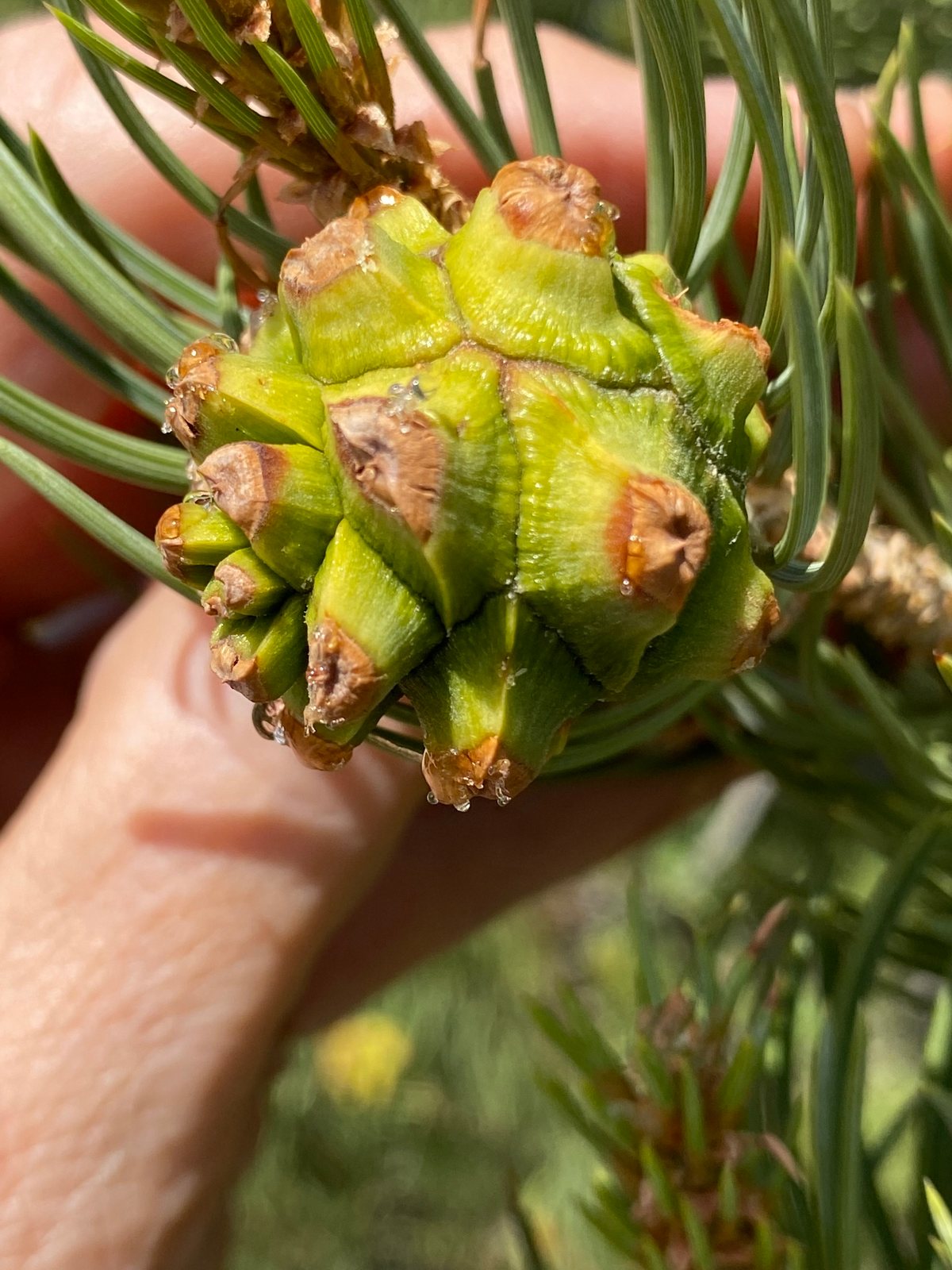
At a glance
- Sun
- Full sun.
- Water
- Low once established. Water deeply during establishment, then allow the soil to dry between waterings; established trees may need occasional deep watering during prolonged drought.
- Soil
- Well-drained sandy, gravelly or rocky soil; tolerates alkaline soil. Avoid waterlogged ground, heavy compacted clay and regularly irrigated lawns.
- Height
- 15-25 ft (4.6-7.6 m)
- Spread
- 10-20 ft (3-6.1 m)
- Foliage
- Evergreen. Stiff, short, yellow-green to blue-green needles, usually held in pairs; a dense crown when young becomes more open and irregular with age.
- Growth
- Slow, often only a few inches of new growth a year.
- Care needed
- Low
The year at a glance
- Drought tolerant
- Wildlife
- Edible
| J | F | M | A | M | J | J | A | S | O | N | D | |
|---|---|---|---|---|---|---|---|---|---|---|---|---|
| Fruit | ||||||||||||
| Plant |
Northern hemisphere months. In Australia, shift them by six.
- Difficulty
- Moderate
- Toughness
- Very tough
Will it suit your garden?
Pick your zone, country, light and whether you have pets.
Full sun is 6 or more hours of direct sun a day, part shade 3 to 6 hours, shade under 3.
How it grows
Planting day
7 ft (2 m)
After 1 year
7 ft (2.1 m)
After 2 years
7 ft (2.3 m)
After 3 years
8 ft (2.4 m)
After 5 years
9 ft (2.6 m)
About 32 years to full size.
From a typical nursery size, at an average rate for this kind of plant. A rule of thumb, not a forecast.
Good to know
- Cats and dogs
- Mildly toxic: may upset a stomach
- Native to
- the US
- Growth rate
- Slow
Care
Jobs through the year
- WaterApr–May, Sep–Oct, every 28 days
- Water established trees only during prolonged drought; young trees need more frequent watering after soil dries.
- WaterJun–Aug, every 21 days
- Deep-water established trees only during prolonged drought; allow soil to dry thoroughly between waterings.
- MulchApr
- Apply shallow gravel or coarse organic mulch, leaving the trunk clear.
- PruneFeb–Mar
- Remove dead, damaged or crossing branches in dry weather; do not top or cut into bare wood.
- HarvestAug–Oct
- Collect brown cones as scales begin opening, then air-dry and extract nuts; substantial crops may take 25-plus years.
- Plant while dormant or during a cool season, keeping the root flare at ground level.
- Water the root ball and surrounding soil deeply during the first two growing seasons, allowing the soil to dry between waterings.
- Keep lawn sprinklers and frequent irrigation away from the root zone.
- Apply a shallow gravel or coarse organic mulch, leaving the trunk clear.
- Avoid routine fertilizer; rich feeding does not suit this slow-growing pine.
Pruning. Prune only to remove dead, damaged or crossing branches, preferably in late winter during dry weather. Keep its natural outline; do not top it or cut back into bare old wood expecting new growth.
Harvest
Collect mature brown cones in late summer or autumn as their scales begin to open, then dry them in a ventilated place and shake out the hard-shelled nuts. Seed-grown trees often take 25 years or more from planting to give a meaningful crop, and heavy crops occur only at intervals. Nearby pinyons improve the prospects of pollination and filled seed.
Through the year
- Late winter
- Remove dead or damaged branches with clean tools; avoid unnecessary shaping.
- Spring
- Plant young trees when the soil is workable and drainage is good.
- Late spring
- Check new growth and the trunk for needle browning, boring dust or fresh masses of resin.
- Summer
- Check soil moisture around young trees and water deeply when dry; avoid frequent light watering.
- Late summer
- Watch developing cones and collect them as they turn brown and begin opening.
- Autumn
- Clear fallen needles away from the trunk and nearby structures where wildfire is a concern.
In the garden
- Use as a small specimen tree in a sunny gravel garden, allowing room for its broad mature crown.
- Combine with yuccas, dryland grasses and low drought-tolerant shrubs for a southwestern planting.
- Plant in loose groups on a well-drained slope for evergreen structure and wildlife food.
- Include in a dry-climate edible landscape where pine nuts are a long-term bonus rather than a dependable crop.
Garden styles it suits: Southwestern, Desert / xeriscape, Dry gravel garden, Mountain lodge, Wildlife garden and Edible landscape.
Plant it with: Big sagebrush, Rubber rabbitbrush, Banana yucca, Blue grama, Indian ricegrass and Apache plume.
Wildlife: The large seeds feed pinyon jays, Clark's nutcrackers, squirrels and other wildlife. Birds cache the seeds and help establish new trees; the evergreen crown provides shelter and nesting cover.
Problems to watch for
- Pinyon bark beetles: drought-stressed trees are especially vulnerable. Maintain appropriate deep watering during severe drought and ask a local arborist promptly about boring dust, resin and rapid crown browning; badly infested trees generally cannot be saved.
- Root rot and decline in wet soil: improve drainage before planting and keep the tree away from lawn irrigation; move young trees out of persistently wet sites.
- Pinyon needle scale: insects can cause needle loss and weaken young trees. Confirm identification and seek locally timed treatment advice, since control depends on the insect's life stage.
- Pinyon pitch mass borer: resinous lumps on branches or the trunk can indicate larvae beneath the bark. Have an arborist assess substantial damage and avoid unnecessary bark wounds.
Safety
Not known to be toxic to people, cats, dogs or horses; the shelled seeds are edible, although pine nuts can cause serious allergic reactions in susceptible people. Needles, resin and hard shells are not food and can cause irritation or digestive upset if swallowed. Do not assume it has the same documented livestock toxicity as ponderosa pine.
Easily confused with
Singleleaf pinyon (Pinus monophylla)
Usually has one stout, rounded needle per bundle, rather than the paired needles typical of pinyon pine.
Mexican pinyon (Pinus cembroides)
Usually has three needles per bundle, though counts vary; pinyon pine usually has two, so examine several bundles.
Ponderosa pine (Pinus ponderosa)
Has much longer needles, usually in bundles of three, and develops into a substantially larger tree.
The name
The name pinyon comes from Spanish piñón, meaning pine nut, while the Latin edulis means edible.
Propagation. Grow from fresh, filled seed, usually after a period of moist cold stratification. Sow in deep containers with a freely draining medium and protect seeds from rodents; transplant while young to limit root disturbance.
Checked against open data
- Accepted botanical name
- Pinus edulis
- In the US and Canada
- Native in the lower 48 states.
- Native range
- Arizona, California, Colorado, New Mexico, Oklahoma, Texas, Utah and Wyoming.
- Measured
- Soil pH 6.5 to 8.5. Average height 380 cm.
Sources: GBIF (CC BY 4.0), USDA PLANTS and Trefle (CC BY 4.0). The care and design notes are LandscapeGPT's own.
See it in your own yard.
Upload a photo of your yard and see it redesigned with plants that suit your climate, each checked against your zone.