Western mock orange
Philadelphus lewisii. Family Hydrangeaceae. Shrub.
Also called Lewis's mock orange, Syringa.
Western mock orange (Philadelphus lewisii) is a deciduous shrub native to western North America, grown for its fragrant white flowers and loose, arching branches. It suits informal borders and native plantings, tolerating dry summers once established but flowering best with good light and some soil moisture.
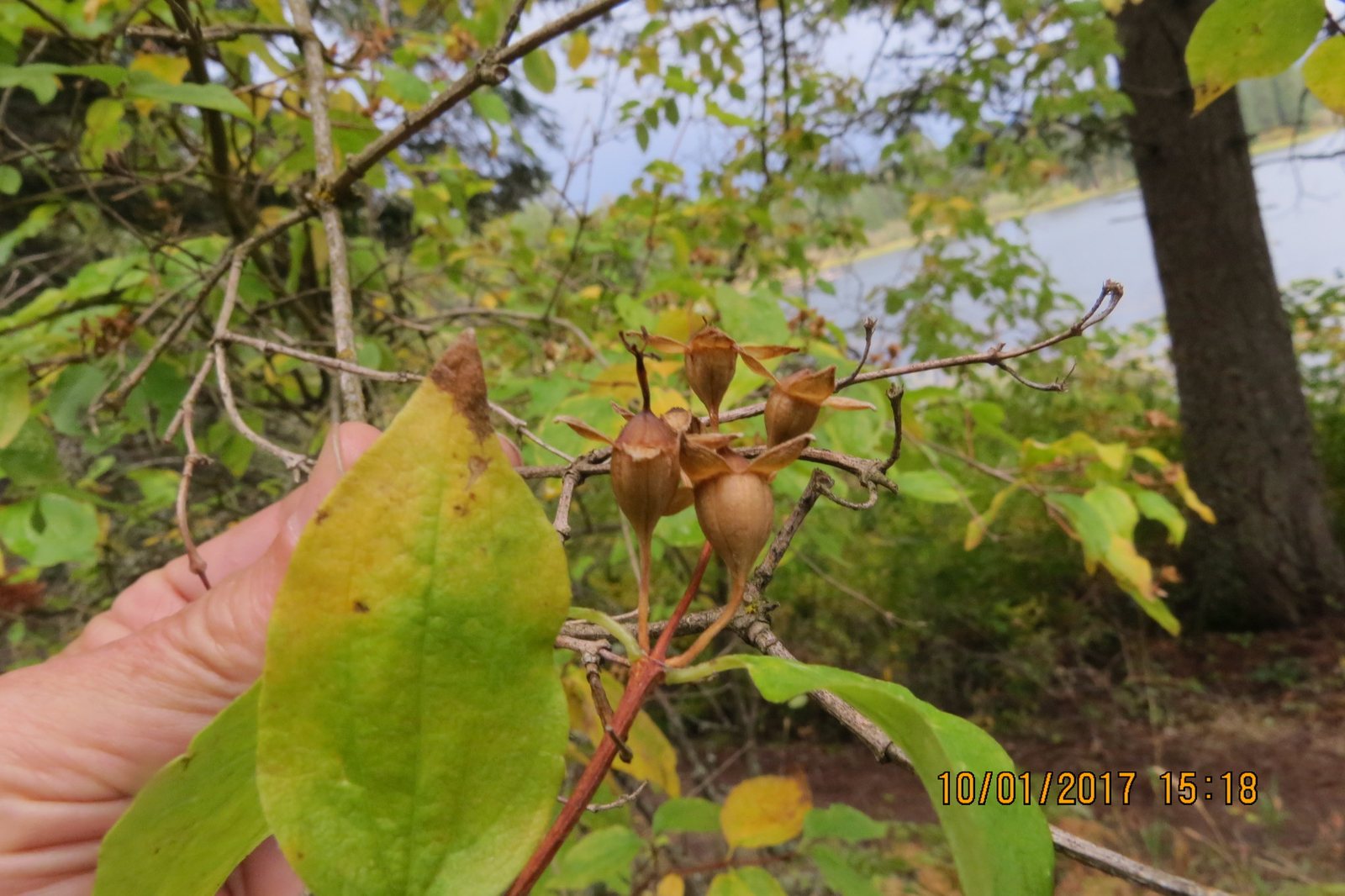
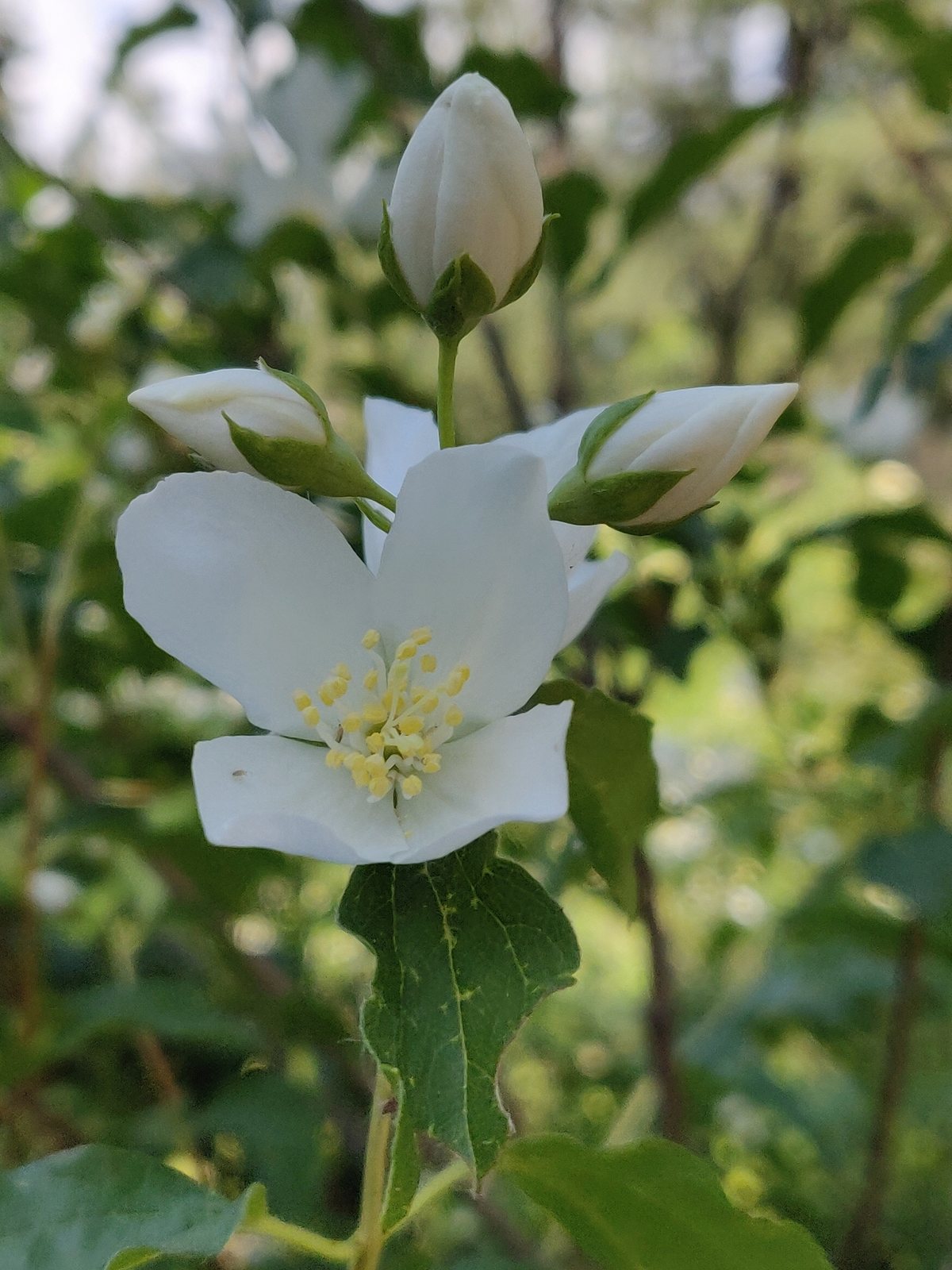
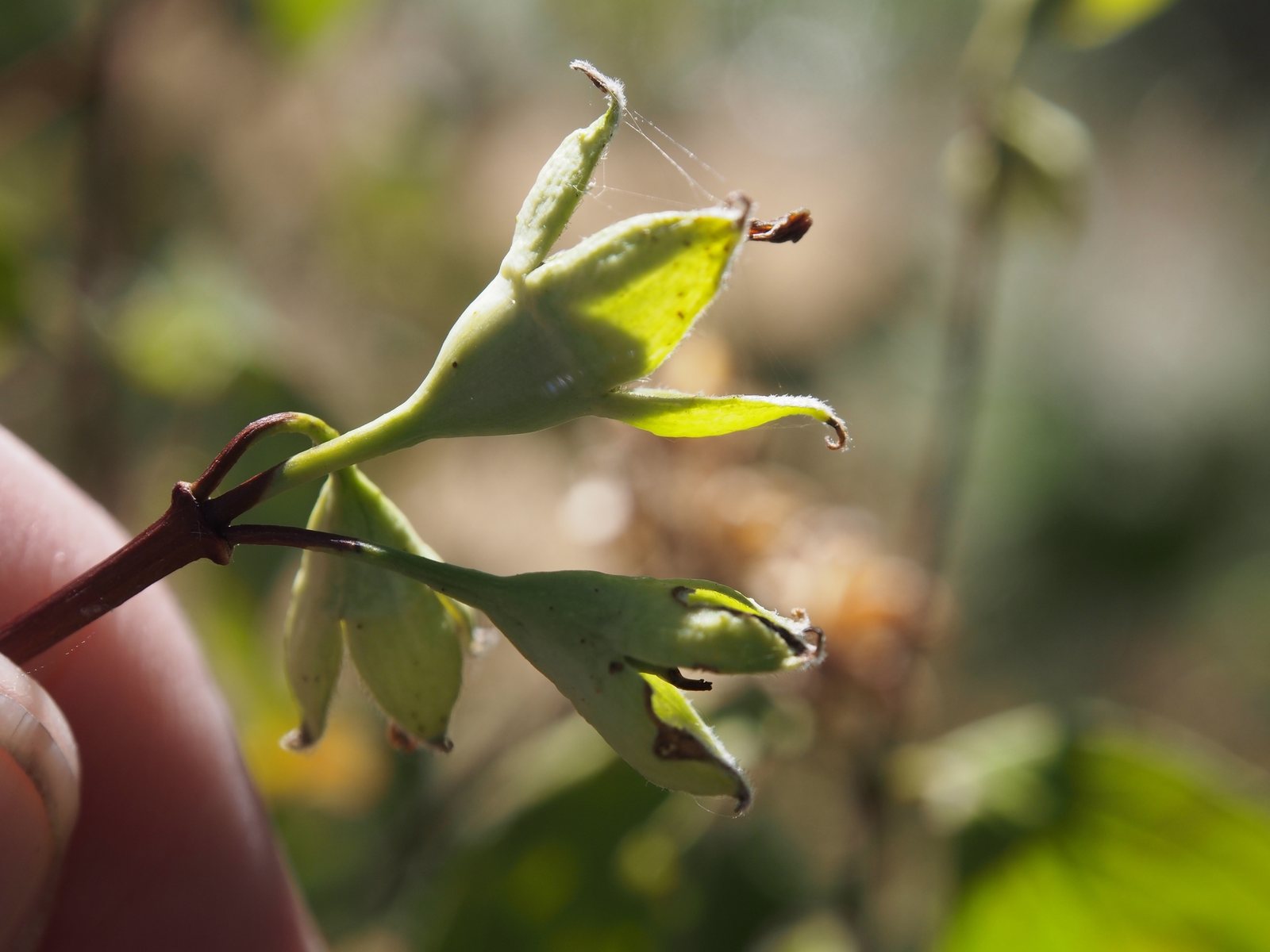
At a glance
- Sun
- Full sun to partial shade; flowering is strongest with at least 6 hours of direct sun.
- Water
- Water regularly while establishing. Once established, it tolerates seasonal drought; water deeply during prolonged dry spells, especially in hot inland gardens.
- Soil
- Well-drained soil, from sandy or stony ground to loam and drained clay; tolerates mildly acidic to alkaline conditions. Avoid persistently waterlogged sites.
- Height
- 6-10 ft (1.8-3 m)
- Spread
- 6-10 ft (1.8-3 m)
- Flowers
- Late spring to early summer; fragrant white flowers with four petals and yellow stamens.
- Foliage
- Opposite, oval to pointed green leaves, often toothed toward the tips; autumn colour is usually muted yellow.
- Growth
- Moderate to fast, depending on moisture and growing conditions.
- Care needed
- Low
The year at a glance
- Pollinators
- Deer resistant
- Drought tolerant
- Cold hardy
- Wildlife
- Low allergen
- Fragrant
| J | F | M | A | M | J | J | A | S | O | N | D | |
|---|---|---|---|---|---|---|---|---|---|---|---|---|
| Flowers | ||||||||||||
| Plant |
Northern hemisphere months. In Australia, shift them by six.
- Difficulty
- Easy
- Toughness
- Very tough
Will it suit your garden?
Pick your zone, country, light and whether you have pets.
Full sun is 6 or more hours of direct sun a day, part shade 3 to 6 hours, shade under 3.
How it grows
Planting day
1.6 ft (0.5 m)
After 1 year
3 ft (0.98 m)
After 2 years
5 ft (1.5 m)
After 3 years
6 ft (1.9 m)
After 5 years
8 ft (2.4 m)
full size
About 4 years to full size.
From a typical nursery size, at an average rate for this kind of plant. A rule of thumb, not a forecast.
Good to know
- Cats and dogs
- Safe
- Native to
- the US and Canada
- Growth rate
- Fast
Care
Jobs through the year
- WaterApr–May, Sep–Oct, every 21 days
- Water established shrubs only when dry; water more regularly during the first two seasons.
- WaterJun–Aug, every 14 days
- Water deeply during prolonged dry spells, allowing the surface soil to dry between soakings.
- MulchMar–Apr
- Refresh 5–8 cm of organic mulch; use a little compost on poor soil and keep stems clear.
- PruneMar
- Remove only dead or winter-damaged wood, preserving healthy stems and flower buds.
- PruneJun–Jul
- Just after flowering, remove up to one-third of old stems and shorten flowered shoots to strong young growth.
- PruneSep–Oct
- Remove unwanted rooted basal shoots if the clump is spreading too far.
- Water deeply during dry weather for the first two growing seasons, allowing the surface soil to dry between waterings.
- Apply 2-3 in (5-8 cm) of organic mulch over the root area, keeping it clear of the stems.
- In poor soil, add a thin layer of compost in spring; avoid heavy nitrogen feeding, which encourages leafy growth rather than flowers.
- Allow room for the arching branches instead of repeatedly clipping the shrub to fit a narrow space.
- Remove unwanted rooted shoots at the base if the clump spreads beyond its allotted space.
Pruning. Prune immediately after flowering because next year's flowers form on older growth. Remove up to one-third of the oldest stems at ground level and shorten flowered shoots to strong younger growth; avoid winter shearing.
Through the year
- Early spring
- Remove dead or winter-damaged wood, leaving healthy stems intact to preserve flower buds.
- Spring
- Refresh mulch and add compost if the soil is poor.
- Late spring to early summer
- Check tender shoots for aphids and wash off small colonies with water.
- After flowering
- Thin out old stems and reduce any branches obstructing paths.
- Summer
- Water young shrubs deeply during dry spells; take softwood cuttings from non-flowering shoots.
- Autumn
- Plant while soil is workable and moist, or remove unwanted rooted shoots from established clumps.
In the garden
- Plant beside a terrace or frequently used path where the flower scent can be enjoyed, allowing space for arching stems.
- Use in an informal mixed hedge with other deciduous shrubs for seasonal flowers and screening.
- Place at a sunny woodland edge with ferns and shade-tolerant perennials beneath the outer branches.
- Combine with western North American native shrubs and perennials in a wildlife planting.
Garden styles it suits: Pacific Northwest woodland, Cottage garden, Woodland, Wildlife garden, Native hedgerow and Sensory garden.
Plant it with: Red-flowering currant, Oceanspray, Serviceberry, Oregon grape, Western sword fern and Yarrow.
Wildlife: Flowers provide pollen and nectar for bees and other visiting insects. The branching growth offers shelter and potential nesting sites for small birds.
Problems to watch for
- Aphids can cluster on young shoots; wash them off with a firm spray of water and encourage ladybirds and other predators.
- Powdery mildew may coat leaves in crowded or stressed plantings; improve airflow, maintain adequate root moisture and avoid excessive nitrogen.
- Poor flowering usually follows heavy shade or pruning at the wrong time; provide more light and prune only just after flowering.
- Persistently wet soil can cause root decline; improve drainage or move the shrub to a better-drained position.
Safety
Not known to be toxic to people, cats, dogs or horses. No part is recognized as poisonous, but it is an ornamental plant rather than a food plant, and eating plant material may cause digestive upset.
Easily confused with
Sweet mock orange (Philadelphus coronarius)
Very similar in flower and habit. Its leaves are generally more consistently toothed along the margins, while western mock orange often has fewer teeth concentrated toward the tips;
Mexican orange blossom (Choisya ternata)
An evergreen shrub with leaves usually divided into three leaflets and white flowers usually bearing five petals. Western mock orange has simple deciduous leaves and four-petalled flowers.
The name
The species name lewisii honours explorer Meriwether Lewis, while mock orange refers to the flowers' resemblance and scent to orange blossom.
Propagation. Take softwood cuttings in early summer or hardwood cuttings during dormancy. Layer low branches, or lift rooted basal shoots while dormant. Seed-grown plants vary and take longer to flower.
Checked against open data
- Accepted botanical name
- Philadelphus lewisii
- In the US and Canada
- Native in Canada and the lower 48 states.
- Native range
- Alberta, British Columbia, California, Idaho, Montana, Oregon and Washington.
- Measured
- Soil pH 7 to 8. Average height 366 cm.
Sources: GBIF (CC BY 4.0), USDA PLANTS and Trefle (CC BY 4.0). The care and design notes are LandscapeGPT's own.
See it in your own yard.
Upload a photo of your yard and see it redesigned with plants that suit your climate, each checked against your zone.